Tibia Bone — Explained by Medical Evidence, Not Myths
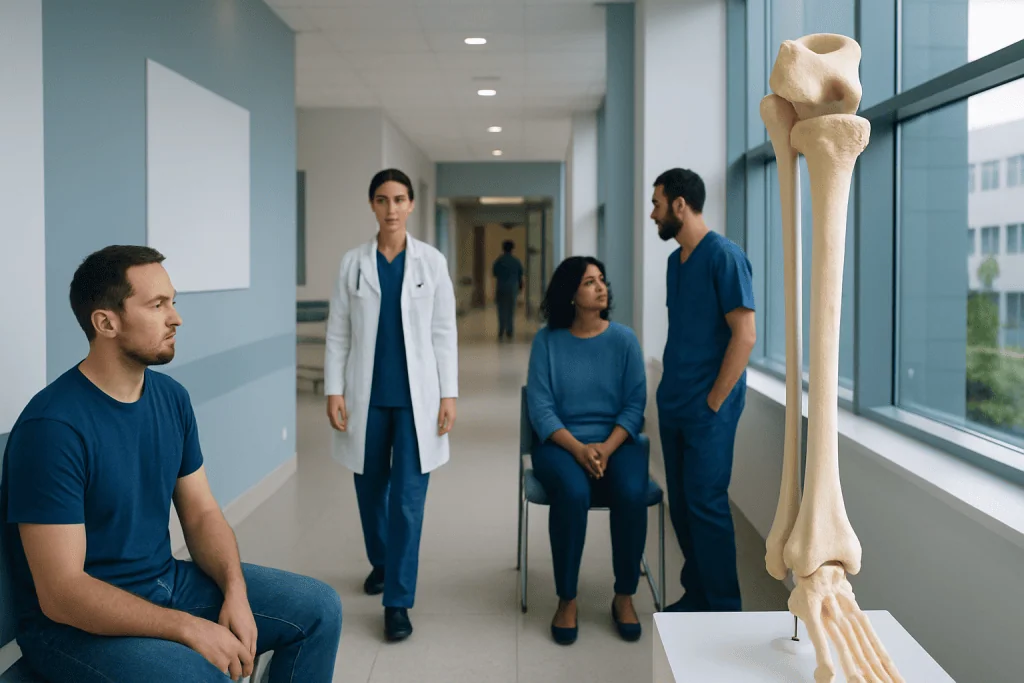
The tibia bone is the main weight-bearing bone of the lower leg. It works with the fibula, knee, ankle, muscles, and ligaments to support walking and balance.
Key Takeaways
- The tibia bone is the main weight-bearing bone of the lower leg.
- It works with the fibula, knee, ankle, muscles, and ligaments to support walking and balance.
- Common tibia problems include fractures, stress injuries, bruising, inflammation, and joint-related pain.
- Diagnosis may involve a physical exam, X-rays, CT, or MRI depending on the suspected problem.
- Treatment ranges from rest and bracing to physical therapy or surgery, depending on the cause and severity.
- Severe pain, deformity, inability to bear weight, or swelling after injury should be assessed promptly by a doctor.
The tibia bone is the shinbone—the larger, stronger bone in the lower leg that carries much of the body's weight and connects the knee to the ankle. Understanding how it is built, what it does, and what can go wrong helps people recognize symptoms early and seek appropriate care.
What the tibia bone is and why it matters
The tibia bone is the shinbone, the larger of the two bones in the lower leg. It runs from the knee to the ankle and carries most of the body’s weight during standing, walking, and running. Because it plays such a central role in movement and stability, problems affecting the tibia can quickly interfere with daily life.
Many people know the tibia as the hard ridge felt along the front of the shin. Medically, however, it is more than a simple support beam. The tibia forms part of both the knee joint and the ankle joint, provides attachment points for muscles and ligaments, and helps transmit force through the leg.
The tibia works closely with the smaller fibula, which lies on the outer side of the lower leg. The fibula contributes less to weight-bearing but helps stabilize the ankle and supports muscle attachments. Together, these bones allow the lower leg to be strong enough for load-bearing and flexible enough for coordinated movement.
Tibia anatomy and how it supports movement
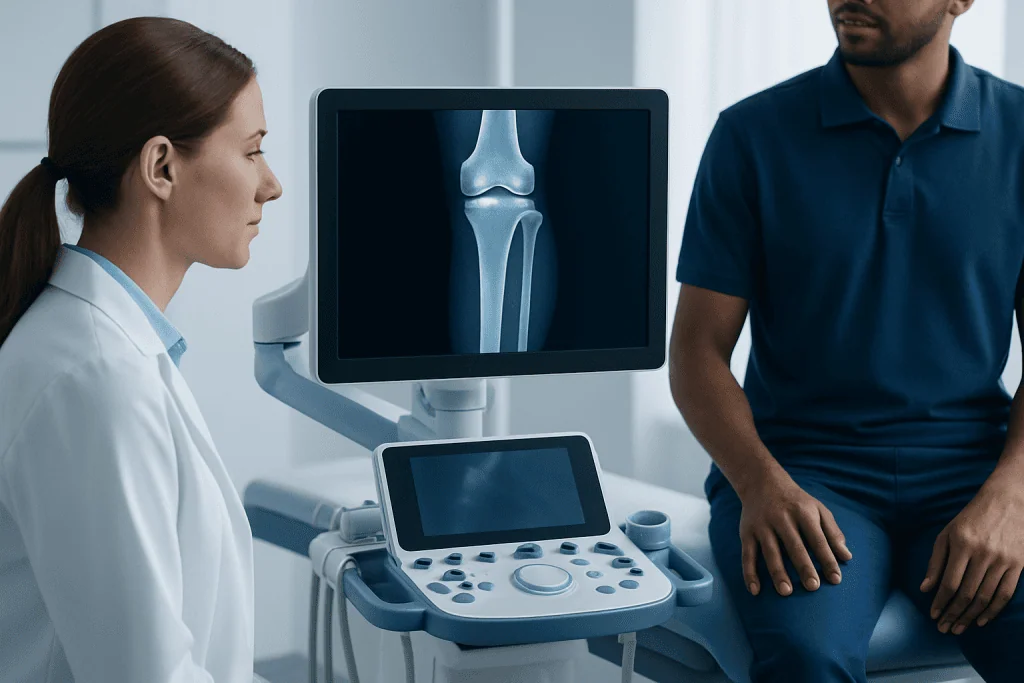
The tibia has three main regions: the upper end near the knee, the long shaft in the middle, and the lower end near the ankle. The upper portion includes the tibial plateau, a broad surface that helps form the knee joint with the femur. The lower end helps form the ankle joint together with the talus.
The shaft of the tibia is triangular in shape, and its front border is close to the skin, which is why a blow to the shin often feels especially painful. Inside the bone are layers of dense outer bone and inner marrow. Blood vessels supply the tibia, and healthy circulation is important for bone healing if an injury occurs.
Muscles of the thigh and lower leg attach around the tibia and help produce movement at the knee and ankle. Important ligaments also connect here, adding stability. This means tibia symptoms do not always come from the bone itself; nearby joints, tendons, cartilage, and soft tissues can also be involved.
Because the tibia connects major joints at both ends, doctors may evaluate the whole lower limb when a person has shin or lower-leg pain. Conditions affecting the knee or ankle can sometimes be felt around the tibia, and a careful assessment helps identify the true source.
Common tibia bone problems and symptoms
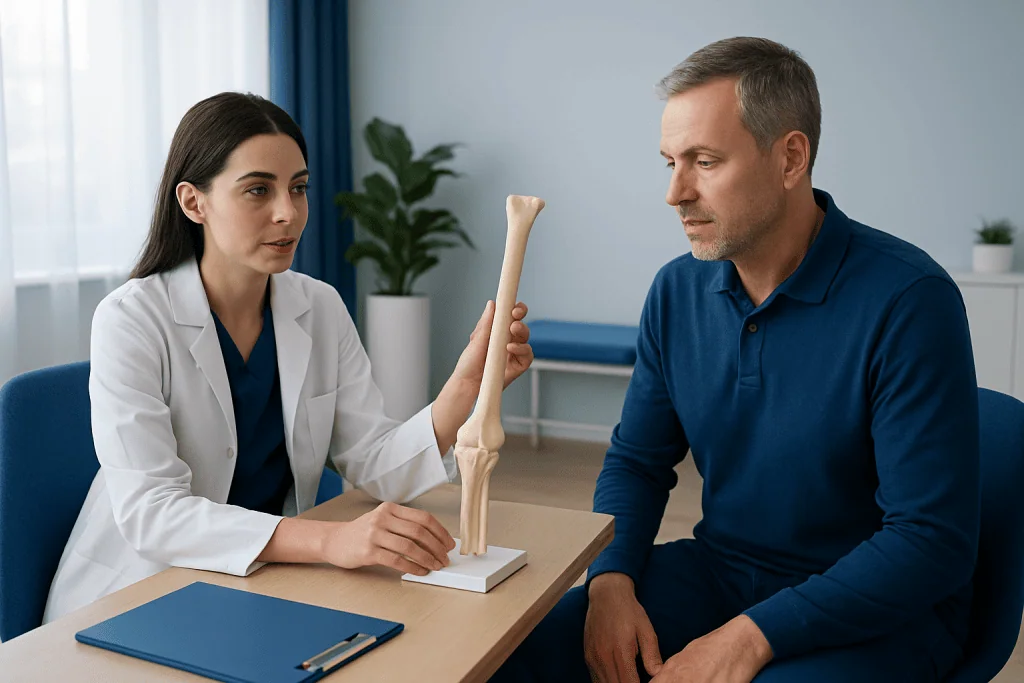
The most widely recognized tibia problem is a fracture. Tibia fractures may happen after falls, sports injuries, direct blows, twisting injuries, or traffic accidents. Depending on the location and severity, symptoms can include sudden pain, swelling, bruising, deformity, difficulty moving the leg, or inability to bear weight. A related injury may involve the smaller leg bone as well, such as a fibula fracture.
Not all tibia injuries are dramatic. Repeated stress from running, jumping, or military training can cause stress reactions or stress fractures. These often begin as gradually increasing pain during activity, with tenderness over the shin and improvement with rest at first. If ignored, the pain may become more constant.
Other causes of tibia-area symptoms include bone bruises, inflammation of surrounding tissues, shin splints, and pain referred from the knee or ankle. Joint surface injuries around the upper tibia may affect the knee, while lower tibia injuries may be associated with ankle pain or swelling. In some cases, underlying disorders such as infection, weakened bone, or arthritis may contribute.
People should not assume every shin pain is “just a bruise.” Symptoms that deserve attention include severe pain, a popping sensation at the time of injury, visible deformity, numbness, persistent swelling, or pain that returns repeatedly with exercise. These signs can suggest a more significant injury needing medical evaluation.
What causes tibia injuries and who is at risk
Tibia problems may develop from sudden trauma or repetitive loading. High-impact events such as sports collisions, skiing injuries, falls from height, or motor vehicle accidents can cause acute fractures. Lower-energy injuries can also lead to fractures in older adults or in people with reduced bone strength.
Overuse injuries are more likely when training intensity increases too quickly, footwear is inadequate, running surfaces are very hard, or muscles are fatigued. Athletes who participate in running, basketball, soccer, dance, and similar activities may be at higher risk. Poor conditioning, biomechanical imbalances, and limited recovery time can add to the strain on the tibia.
Bone health also matters. Low bone density, poor nutrition, vitamin and mineral deficiencies, hormonal factors, smoking, and some medications may affect bone strength and healing. In children and teenagers, growth-related factors and sports overuse can also contribute to shin pain, though the causes may differ from those in adults.
Sometimes the problem is not the shaft of the tibia itself but the joint surfaces or nearby soft tissues. For example, pain near the upper tibia may relate to a knee ligament injury or other knee trauma. A clinician considers the person’s age, activity level, medical history, and the mechanism of injury when deciding what is most likely.
How doctors diagnose tibia bone conditions
Diagnosis starts with a medical history and physical examination. The doctor asks when the pain began, whether there was a specific injury, what activities worsen it, and whether there is swelling, bruising, or trouble walking. During the exam, they assess tenderness, alignment, range of motion, circulation, and nerve function in the leg and foot.
X-rays are usually the first imaging test when a fracture is suspected. They can show many types of breaks, shifts in alignment, and joint involvement. However, stress injuries or subtle fractures may not always be obvious on early X-rays, especially soon after symptoms begin.
Additional imaging may be helpful in selected cases. MRI can detect stress injuries, bone bruising, soft-tissue damage, and certain hidden fractures. CT scan may be used to better define complex fractures, especially around the knee or ankle joint surfaces, and to guide treatment planning.
Doctors may also order tests if they suspect an underlying issue such as infection, bone weakness, or another medical condition. Accurate diagnosis matters because shin pain from overuse is managed differently from a displaced fracture or a joint injury. Early evaluation can also reduce the risk of complications and delayed healing.
Treatment options for tibia bone injuries and pain
Treatment depends on the cause, exact location, and severity of the problem. Minor soft-tissue injuries and some stress-related problems may improve with rest, temporary activity changes, ice, elevation, and supportive measures. A doctor may recommend a brace, walking boot, crutches, or physical therapy to reduce pain and protect the leg while it heals.
Stable fractures that are well aligned may sometimes be treated without surgery using immobilization and close follow-up. During recovery, repeat imaging may be needed to confirm that the bone remains in good position and is healing appropriately. Rehabilitation is often important to restore strength, flexibility, and confidence with walking.
More serious injuries may need surgical care, especially if the fracture is displaced, unstable, open, or extends into the knee or ankle joint. In these situations, orthopedic surgery may be considered to realign and stabilize the bone. The choice of procedure depends on the injury pattern and the person’s overall health and activity needs.
If pain around the tibia is related to nearby joint damage rather than the bone shaft, treatment may focus on those structures. For example, a person with major knee trauma may need assessment and rehabilitation directed at the joint. In complex cases, care may involve orthopedics, radiology, rehabilitation specialists, and physiotherapists working together. Acibadem International’s multidisciplinary specialists and JCI-accredited hospitals diagnose and treat tibia-related injuries for international patients.
Prevention and self-care for a healthy tibia bone
Not every tibia injury can be prevented, but several steps can lower risk. Gradual training progression, proper warm-up, supportive footwear, and adequate recovery time help reduce overuse stress on the shin. Cross-training and strengthening the hips, thighs, calves, and core may improve lower-limb mechanics and reduce repeated strain.
Bone health supports injury prevention and healing. A balanced diet with enough calcium, protein, and vitamin D, along with regular weight-bearing activity appropriate for the person’s age and condition, helps maintain bone strength. Avoiding smoking and discussing medication-related bone risks with a doctor may also be helpful.
After a minor injury, self-care should remain cautious. Resting the leg, avoiding painful impact activities, and using simple measures such as elevation may ease symptoms. But persistent pain, repeated pain during exercise, or worsening swelling should not be managed indefinitely at home, because stress fractures and other significant problems can be missed.
People returning to sport after a tibia injury should follow professional guidance rather than rushing back too soon. Returning before the bone and surrounding tissues have recovered can increase the risk of re-injury and prolonged symptoms.
When to seek medical care
Medical care is important if tibia pain follows a fall, direct blow, twisting injury, or sports accident and there is significant swelling, bruising, or difficulty walking. Urgent assessment is especially important if the leg looks deformed, the person cannot bear weight, there is an open wound, or the foot feels numb, pale, or cold.
Even without a major accident, a person should see a doctor if shin pain lasts more than a few days, keeps returning with activity, or becomes more intense over time. Pain at rest, nighttime pain, fever, or unexplained swelling also deserves evaluation, as these symptoms may point to causes beyond simple overuse.
Children, older adults, and people with low bone density or chronic medical conditions may benefit from earlier review because injuries can be easier to miss or recovery may be more complicated. Prompt diagnosis helps guide safe treatment and supports better healing.
Frequently asked questions
Is the tibia bone the same as the shinbone?
Yes. The tibia bone is commonly called the shinbone. It is the larger and stronger of the two bones in the lower leg and is the main bone people feel along the front of the shin.
Can a person walk with a tibia fracture?
Some people with a small or stable fracture may still be able to put some weight on the leg, but walking can worsen the injury. Many tibia fractures cause significant pain and make weight-bearing difficult or impossible. Any suspected fracture should be assessed by a doctor.
What is the difference between tibia pain and shin splints?
Tibia pain is a broad term and can come from many causes, including fracture, stress injury, bruising, or joint-related problems. Shin splints usually refer to exercise-related pain along the inner edge of the shin caused by irritation of bone and surrounding tissues. Because symptoms can overlap, persistent pain should be evaluated.
How long does a tibia bone take to heal?
Healing time depends on the type of injury, the exact location, the person's age, and overall health. Minor stress injuries may improve over weeks, while more significant fractures can take several months and may require rehabilitation. A doctor can give a more accurate timeline after imaging and examination.
Why does the front of the shin hurt so much after a bump?
The front border of the tibia lies just under the skin with little soft tissue cushioning it. This makes direct blows to the shin especially painful. Most minor knocks improve with time, but severe pain, marked swelling, or trouble walking should be checked.
Do all tibia bone injuries need surgery?
No. Many tibia problems, including some fractures and overuse injuries, can be treated without surgery. Surgery is usually reserved for injuries that are unstable, displaced, open, or involve important joint surfaces, or when healing is not progressing as expected.
References
- American Academy of Orthopaedic Surgeons
- National Institute of Arthritis and Musculoskeletal and Skin Diseases
- MedlinePlus
- American College of Radiology
- OrthoInfo
This article is for general information only and is not a substitute for professional medical advice. Please consult a qualified doctor about your individual situation.
Joint and spine care in Turkey — expert assessment & treatment
JCI-accredited · board-certified surgeons · reply within 24h
Add us as a Preferred Source to see more of our trusted health content across Google Search, AI Overviews and Discover.