

Tibia Fracture — Explained by Medical Evidence, Not Myths
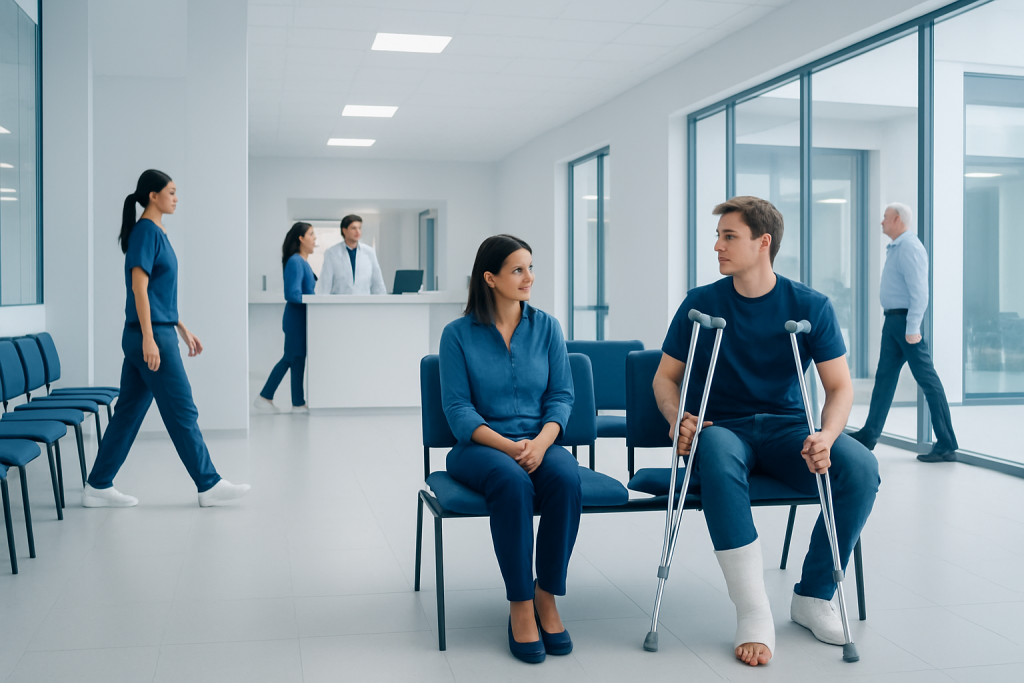
A tibia fracture ranges from a small crack to a complete break with bone displacement. Typical symptoms include pain, swelling, difficulty bearing weight, and visible deformity in some cases.
Key Takeaways
- A tibia fracture ranges from a small crack to a complete break with bone displacement.
- Typical symptoms include pain, swelling, difficulty bearing weight, and visible deformity in some cases.
- Diagnosis usually involves a physical exam and imaging such as X-rays, and sometimes CT scans.
- Treatment may be non-surgical or surgical depending on fracture type, alignment, and soft-tissue injury.
- Early medical evaluation is important because some tibia fractures involve complications such as open wounds or reduced blood flow.
- Recovery often includes protection of the bone, follow-up imaging, and rehabilitation to restore strength and mobility.
A tibia fracture is a break in the shinbone, the larger of the two bones in the lower leg. Treatment depends on where the bone is broken, whether it is displaced, and whether nearby skin, nerves, blood vessels, or the knee and ankle joints are also affected.
Overview
A tibia fracture is a break in the tibia, commonly called the shinbone. It is one of the most important weight-bearing bones in the body, so a fracture can affect walking, balance, and daily activity. Some tibia fractures are simple and stable, while others are complex injuries involving bone displacement, nearby joints, or damage to the surrounding soft tissues.
Medical evidence shows that there is no single “best” treatment for every tibia fracture. The right approach depends on the exact location of the break, how the bone pieces line up, whether the skin is broken, the patient’s age and health, and whether the knee, ankle, nerves, or blood vessels are also injured. This is why careful assessment matters more than common myths, such as assuming every broken tibia needs surgery or that a person can “walk it off” if the pain improves.
The tibia can fracture near the knee, in the shaft of the bone, or close to the ankle. Doctors may describe fractures as stress fractures, hairline fractures, displaced fractures, spiral fractures, comminuted fractures, or open fractures. In some situations, related injuries may include a fracture of the fibula or damage to the joint surfaces.
Symptoms and how a tibia fracture may feel
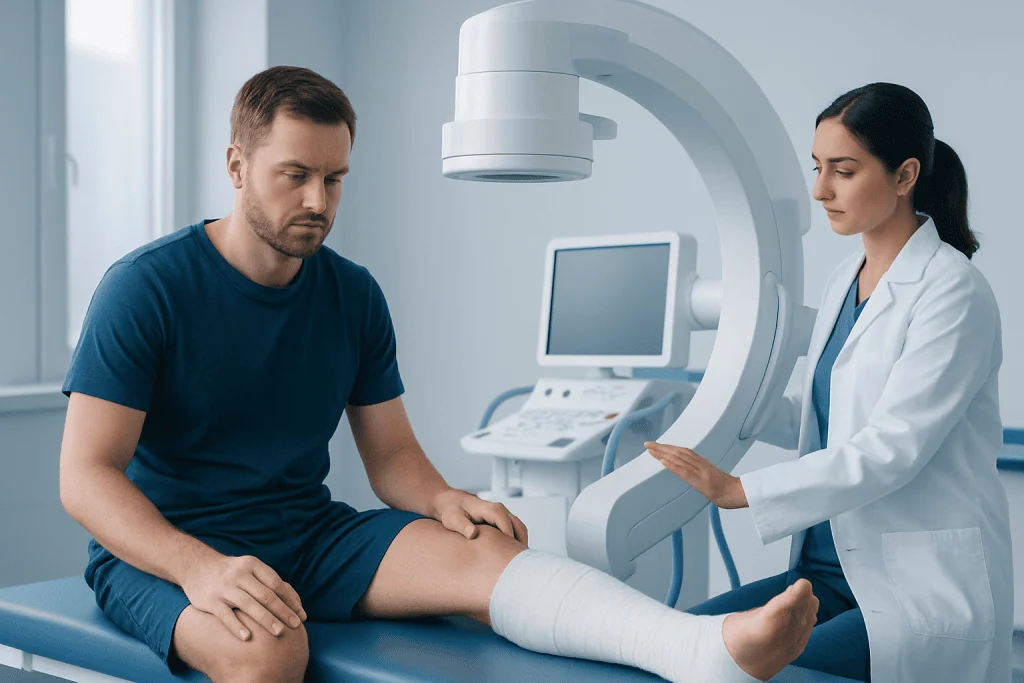
The most common symptom of a tibia fracture is sudden lower-leg pain after a twist, fall, direct blow, sports injury, or traffic accident. The pain is often worse with movement or weight-bearing. Swelling and tenderness usually develop quickly, and bruising may appear over time.
Some fractures cause an obvious deformity, shortening, or abnormal rotation of the leg. Others are less visible and may mainly cause limping, pain when standing, or an inability to continue activity. Stress fractures can begin more gradually, with pain that first appears during exercise and later becomes more persistent.
Symptoms that need urgent attention include:
- bone visible through the skin or an open wound near the injury
- numbness, tingling, or weakness in the foot
- the foot becoming pale, cool, or difficult to move
- severe swelling or tightness in the leg
- inability to bear weight after significant trauma
Because lower-leg injuries can overlap, symptoms may look similar to a severe sprain or to other injuries such as ankle fracture near the lower part of the bone. A clinical examination and imaging are needed to confirm the diagnosis.
Causes and risk factors

Tibia fractures usually happen when force on the bone is greater than it can tolerate. High-energy trauma, such as a motor vehicle collision or a major fall, may cause displaced or multiple-fragment fractures. Lower-energy injuries, including sports collisions, twisting injuries, or falls during daily activities, can also break the tibia.
Stress fractures are different. They develop from repeated load rather than one single event. Running, jumping, military training, and sudden increases in exercise intensity can place repeated stress on the shinbone. Inadequate recovery time, poor footwear, training errors, and low bone strength can increase risk.
Several factors may make a tibia fracture more likely or affect healing:
- contact sports or high-impact exercise
- osteoporosis or reduced bone density
- smoking
- poor nutrition, including low calcium or vitamin D intake
- certain medications that affect bone health
- diabetes or circulation problems
- previous fracture or bone deformity
Risk is also shaped by age and mechanism of injury. In younger adults, fractures often relate to sports or trauma. In older adults, a lower-energy fall may still cause a significant break if bone strength is reduced.
Diagnosis: why imaging and alignment matter
Diagnosis begins with a medical history and physical examination. The clinician asks how the injury happened, where the pain is located, and whether the person could walk afterward. The exam looks for swelling, deformity, skin injury, tenderness, and signs of damage to nerves or blood vessels in the foot and lower leg.
X-rays are the main first test and usually confirm the fracture. They help show where the break is, whether the bone is displaced, and whether the knee or ankle joint is involved. If the fracture pattern is complex or extends into a joint, a CT scan may be used for more detail. MRI is sometimes helpful for stress fractures or when symptoms suggest a fracture but X-rays are initially normal.
Doctors do more than identify that a bone is broken. They also assess alignment, stability, soft-tissue injury, and circulation, because these factors strongly influence treatment decisions and recovery. In selected cases, management may include advanced imaging as part of orthopedic traumatology care, especially after major injuries.
Prompt diagnosis is important because some complications are time-sensitive. An open fracture, reduced blood flow, severe swelling, or concern for compartment syndrome requires urgent specialist evaluation.
Treatment options
Treatment for a tibia fracture aims to restore alignment, protect soft tissues, relieve pain, and support bone healing. Stable fractures with good alignment may be treated without surgery using a splint, cast, brace, or walking boot, depending on the location and pattern of the break. Weight-bearing is guided by the treating doctor, since too much pressure too early can shift the fracture.
Surgery may be recommended if the fracture is displaced, unstable, open, involves the joint, or occurs with significant soft-tissue injury. Common surgical methods include intramedullary nailing, plates and screws, or external fixation. The choice depends on the fracture pattern and the condition of the surrounding skin and muscles.
Open fractures need urgent wound care, antibiotics, and stabilization because infection risk is higher when the skin barrier is broken. Some patients with complex injuries may need staged treatment, where temporary stabilization is followed by a definitive procedure once swelling and soft-tissue conditions improve. In appropriate cases, care may involve fracture surgery or broader orthopedics and traumatology support.
Pain management, prevention of blood clots when indicated, follow-up X-rays, and physical therapy are often part of the plan. A doctor also addresses factors that can slow healing, such as smoking, poor nutrition, uncontrolled diabetes, or low bone density.
Recovery, rehabilitation, and possible complications
Healing time varies widely. A small, stable fracture may recover faster than a complex break involving surgery or significant soft-tissue damage. Recovery is not only about the bone joining together. It also includes regaining knee and ankle movement, rebuilding muscle strength, and returning safely to walking, work, sports, or other daily activities.
Rehabilitation often starts with swelling control, safe movement, and protection of the injured leg. As healing progresses, the plan may include range-of-motion exercises, gradual strengthening, gait training, and balance work. Following the weight-bearing plan is important, because doing too much too soon can affect alignment or delay healing.
Possible complications include delayed union, nonunion, malunion, infection, stiffness, chronic pain, and post-traumatic arthritis if the fracture extends into a joint. Severe swelling can also raise concern for compartment syndrome, a serious condition that needs urgent treatment. Nerve or blood vessel injury is less common but can occur, especially after high-energy trauma.
A careful follow-up schedule helps doctors track healing and adjust treatment when needed. Patients should report increasing pain, new numbness, fever, wound drainage, or any sudden change in the appearance or function of the leg.
Prevention and self-care
Not every tibia fracture can be prevented, but some risks can be lowered. For athletes and active adults, gradual training progression, proper technique, rest days, and suitable footwear help reduce repetitive stress on the shinbone. Strength and balance training may also lower the risk of falls and sports injuries.
Bone health matters at every age. Adequate calcium and vitamin D intake, regular weight-bearing exercise, and avoidance of smoking support stronger bones. People at risk of osteoporosis may benefit from assessment and treatment to reduce fracture risk over time.
After an injury, self-care should focus on protection rather than testing the leg repeatedly. Until a doctor assesses the injury, it is generally safest to limit weight-bearing, elevate the leg if possible, and use cold packs wrapped in cloth to help swelling. Any wound, deformity, severe pain, or circulation change needs prompt medical attention.
Patients recovering from a tibia fracture should follow their care plan closely, attend follow-up appointments, and ask before returning to driving, sport, or physically demanding work. Near the end of treatment, Acibadem International’s multidisciplinary specialists in JCI-accredited hospitals diagnose and treat tibia fractures for international patients, with rehabilitation plans tailored to the individual injury.
When to seek medical care
A person should seek medical care promptly after significant lower-leg trauma, especially if there is pain with walking, marked swelling, bruising, or tenderness over the shin. Even when the leg does not look obviously broken, persistent pain after a fall, twist, or sports injury may still represent a fracture.
Urgent or emergency care is important if the leg appears deformed, the person cannot bear weight, or there is an open wound near the injury. Immediate assessment is also needed if the foot becomes cold, pale, numb, weak, or increasingly painful despite rest.
Stress-related shin pain should also be evaluated if it keeps returning, becomes more intense, or starts to interfere with normal activity. Early diagnosis may prevent a small bone injury from worsening into a more serious fracture.
Frequently asked questions
Is a tibia fracture the same as a broken leg?
A tibia fracture is one type of broken leg. The tibia is the shinbone, the larger and main weight-bearing bone in the lower leg. Some broken leg injuries also involve the fibula or nearby joints.
Can someone walk with a tibia fracture?
Some people can take a few steps with certain stable or stress fractures, but that does not mean the injury is minor. Walking on a fractured tibia can worsen pain, shift the bone, or delay healing. Any suspected fracture should be assessed by a doctor.
Does every tibia fracture need surgery?
No. Many stable, well-aligned fractures can heal with immobilization and close follow-up. Surgery is more often considered for displaced, unstable, open, or joint-involving fractures, or when alignment cannot be maintained without an operation.
How long does a tibia fracture take to heal?
Healing time varies with the type of fracture, the person’s general health, and whether surgery is needed. Some uncomplicated fractures heal in weeks, while more severe injuries may take several months and longer rehabilitation. Follow-up imaging helps the doctor judge progress.
What is the difference between a stress fracture and a traumatic tibia fracture?
A stress fracture develops gradually from repeated loading, often during running or jumping activities. A traumatic tibia fracture usually happens suddenly after a fall, collision, twist, or direct impact. Both can cause shin pain, but the history and imaging help distinguish them.
What are warning signs of complications after a tibia fracture?
Worsening pain, increasing swelling, numbness, weakness, fever, wound drainage, or a cold or pale foot should be reported promptly. These symptoms can suggest infection, circulation problems, nerve involvement, or dangerous pressure buildup in the leg.
This article is for general information only and is not a substitute for professional medical advice. Please consult a qualified doctor about your individual situation.
Joint and spine care in Turkey — expert assessment & treatment
JCI-accredited · board-certified surgeons · reply within 24h
Add us as a Preferred Source to see more of our trusted health content across Google Search, AI Overviews and Discover.

More from the Health Library

Dysport Cost: What Patients Need to Know

Man Eating Pus: A Complete Medical Overview

G L a N D S: A Complete Medical Overview

Pterygium: A Complete Medical Overview

Sulphur Burps: What Patients Need to Know

Hydrocodone: An Evidence-Based Guide for Patients
Physical Medicine & Rehabilitation Specialists at Acibadem

Fzt. Atahan Vardı
Physical Medicine & Rehabilitation
Fzt. Atilla Murat Ünver
Physical Medicine & Rehabilitation
Dr. Atiye Ayral
Physical Medicine & Rehabilitation
Prof. Dr. Ayhan Aşkın
Physical Medicine & Rehabilitation