TMS and Vagus Nerve Stimulation: Neuromodulation Options Compared
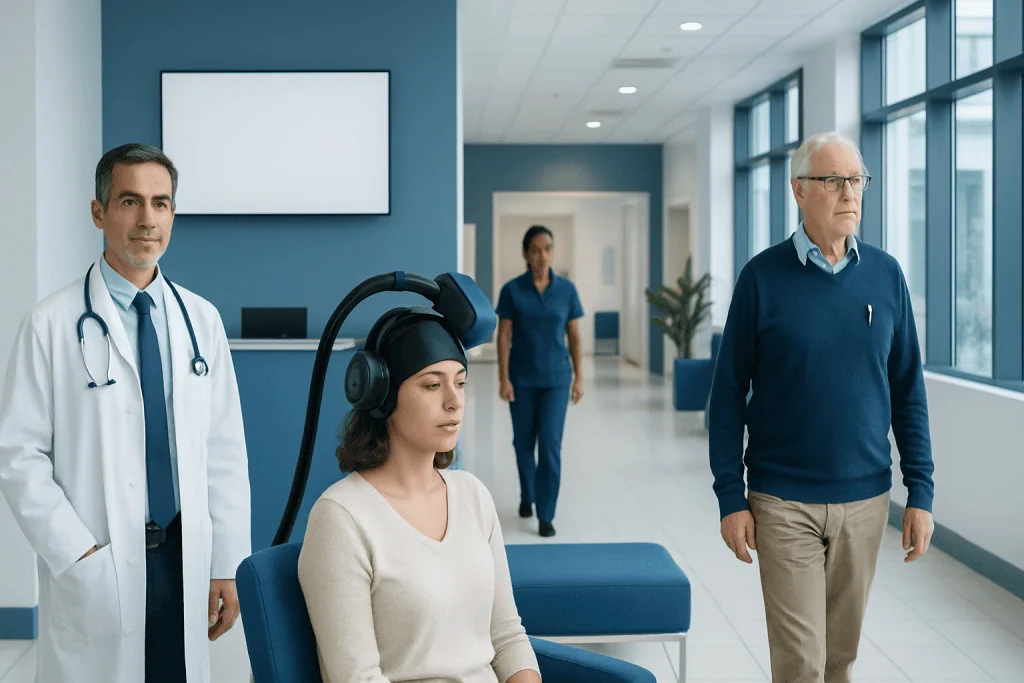
TMS is a noninvasive treatment that uses magnetic pulses applied outside the head. Vagus nerve stimulation usually involves an implanted device that sends regular electrical signals to the vagus nerve.
Key Takeaways
- TMS is a noninvasive treatment that uses magnetic pulses applied outside the head.
- Vagus nerve stimulation usually involves an implanted device that sends regular electrical signals to the vagus nerve.
- Both treatments may be used for selected conditions such as depression or epilepsy, depending on individual needs and specialist advice.
- The best option depends on diagnosis, prior treatments, symptom pattern, overall health, and personal preferences.
- A specialist assessment is important to review benefits, risks, practical considerations, and follow-up needs.
TMS and vagus nerve stimulation are two neuromodulation approaches that aim to change nerve activity in a controlled way. Although both can help certain brain and nervous system conditions, they differ in how they work, who may benefit, and what treatment involves.
Overview: What Are TMS and Vagus Nerve Stimulation?
TMS and vagus nerve stimulation are forms of neuromodulation, a broad term for treatments that influence nerve activity to improve symptoms. They do this in different ways. Transcranial magnetic stimulation, or TMS, uses magnetic fields delivered through a device placed on the scalp. Vagus nerve stimulation, or VNS, uses electrical impulses sent to the vagus nerve, most often through an implanted device.
These treatments are typically considered when symptoms have not improved enough with standard care, or when a specialist believes neuromodulation may be helpful as part of a wider treatment plan. Depending on the condition, the goal may be to reduce symptoms, lower seizure frequency, improve mood, or support daily functioning.
Although they are sometimes discussed together, TMS and VNS are not interchangeable. TMS is noninvasive and is usually given in repeated outpatient sessions over several weeks. VNS is generally a longer-term therapy involving a small implanted pulse generator and regular follow-up visits to adjust settings and monitor response.
How Each Treatment Works
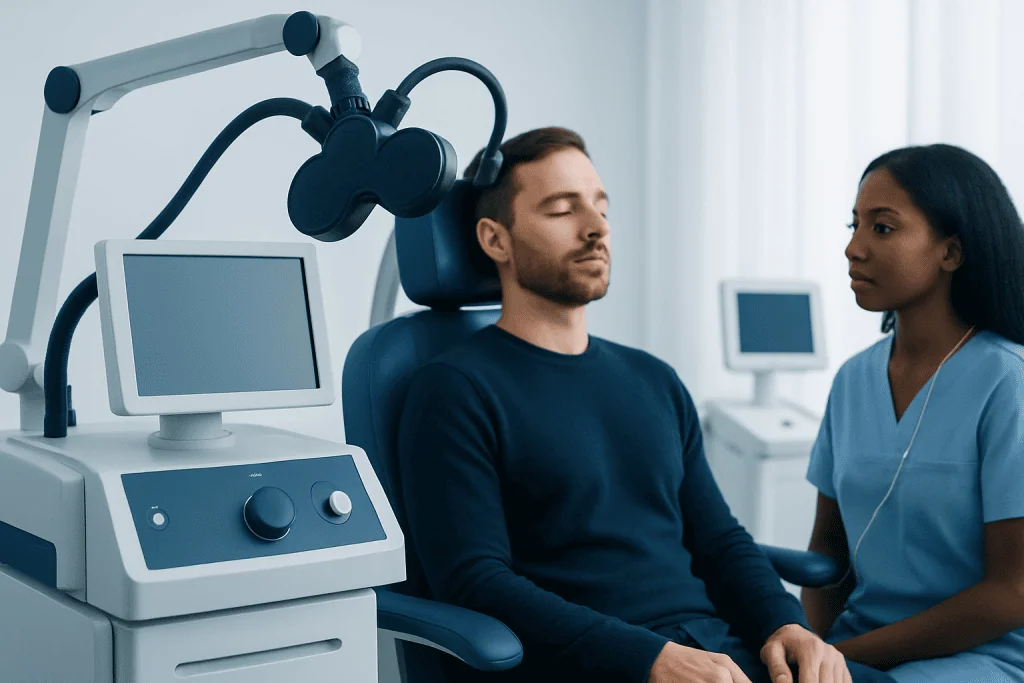
TMS works by generating brief magnetic pulses that pass painlessly through the skull and create small electrical currents in targeted parts of the brain. These currents can influence brain circuits involved in mood, thinking, or other functions, depending on the area being treated. Because the treatment is targeted, it can be designed to stimulate or reduce activity in specific networks.
VNS works differently. The vagus nerve is a major nerve that connects the brain with organs in the chest and abdomen and plays a role in many body functions. In VNS, a device sends mild electrical signals to the vagus nerve, usually through a wire attached in the neck. These signals then affect brain pathways involved in mood regulation, seizure control, and autonomic function.
Both methods are based on the idea that symptoms may improve when abnormal signaling patterns are adjusted. However, their timing and effects differ. TMS usually produces its effects through a course of sessions, while VNS delivers ongoing stimulation over months or years. For people exploring neuromodulation treatments, understanding this difference is an important part of decision-making.
When They May Be Used

TMS is most widely known for its use in certain patients with depression, especially when symptoms have not responded adequately to one or more standard treatments. In some centers, it may also be considered for other carefully selected neurological or psychiatric conditions, depending on current evidence, local practice, and specialist evaluation.
VNS has established use in selected patients with epilepsy whose seizures remain difficult to control despite medication. It may also be considered in some patients with treatment-resistant depression. Because VNS involves a surgical procedure and long-term device management, the decision is usually made after a detailed review by a multidisciplinary team.
In practice, the underlying diagnosis matters most. For example, someone living with epilepsy may be evaluated for VNS if seizures continue despite medicines, while a person with persistent depressive symptoms may be assessed for TMS or another treatment approach. Each treatment is chosen for specific reasons rather than as a general substitute for standard care.
What Treatment Involves: Sessions, Surgery, and Follow-Up
TMS is usually performed in an outpatient setting. During each session, the person sits in a chair while a magnetic coil is positioned against the scalp. Sessions are typically repeated several times a week for a number of weeks, though the exact schedule can vary. No anesthesia is usually needed, and many people return to usual activities shortly afterward.
VNS usually begins with a minor surgical procedure to place a pulse generator under the skin of the upper chest and connect it to the left vagus nerve in the neck. After implantation, the device is programmed and gradually adjusted during follow-up visits. Treatment continues in the background throughout daily life, with periodic checks to assess benefit, side effects, and battery life.
People often want to know which option is more convenient. TMS avoids surgery but requires regular clinic attendance over a defined treatment course. VNS requires an operation and ongoing device management, but it does not require frequent treatment sessions in the same way. Some patients being evaluated for broader brain and nerve therapies may also hear about deep brain stimulation, though that is used for different indications and is not the same as TMS or VNS.
Benefits, Side Effects, and Key Differences
TMS is valued in part because it is noninvasive and does not usually require sedation or recovery time. Common side effects can include scalp discomfort, facial muscle twitching during treatment, or headache after a session. These are often mild and temporary, but the treating team will review individual risks, including rare but important safety considerations such as seizure risk in selected patients.
VNS may offer steady, long-term stimulation for people with specific conditions, especially when symptoms have been difficult to control. Common side effects can include hoarseness, throat discomfort, cough, voice changes, or a sensation in the neck during stimulation. Because it involves implantation, there are also surgical considerations such as infection, pain, or device-related issues.
The main differences can be summarized clearly:
- Invasiveness: TMS is noninvasive; VNS usually requires surgery.
- Mechanism: TMS targets areas of the brain from outside the skull; VNS stimulates the vagus nerve.
- Treatment pattern: TMS is given in scheduled courses; VNS provides ongoing stimulation.
- Recovery: TMS usually has little downtime; VNS involves healing after implantation.
- Best fit: Suitability depends on diagnosis, previous treatments, and specialist goals.
For some people with mood symptoms, the comparison may also arise alongside other mental health treatments, including psychiatric care and psychotherapy. Neuromodulation is usually one part of a broader, individualized treatment plan rather than a stand-alone answer for every patient.
How Doctors Decide Between TMS and VNS
Choosing between TMS and VNS starts with an accurate diagnosis and a clear picture of how symptoms affect daily life. The specialist will review the condition being treated, how long symptoms have been present, which therapies have already been tried, and whether previous treatments were effective, poorly tolerated, or not suitable. Medical history, medicines, implants, and surgical risk also matter.
TMS may be preferred when a noninvasive option is appropriate and the person can attend repeated sessions. VNS may be considered when a longer-term implanted therapy is better matched to the condition and treatment goals. Some people are not candidates for one option because of specific medical factors, and others may simply prefer to avoid surgery or, alternatively, prefer a therapy that continues without frequent clinic visits.
Shared decision-making is an important part of care. The most useful questions often include what benefit is realistic, how long improvement may take, what side effects are possible, what follow-up is needed, and how treatment fits with work, school, travel, and family responsibilities. In complex cases, teams may involve neurology, psychiatry, neurosurgery, and rehabilitation specialists to guide the choice.
Preparing for Treatment and Ongoing Self-Care
Before either treatment, patients are usually asked about medicines, previous procedures, heart devices or metal implants, seizure history, and any other health conditions that could affect planning. For TMS, careful mapping helps identify the best treatment area and settings. For VNS, preoperative assessment helps confirm that implantation is appropriate and safe.
It is also helpful to set realistic expectations. Neuromodulation may reduce symptoms or improve control, but results are not always immediate and can vary from person to person. Keeping a symptom diary, noting mood changes or seizure patterns, and attending follow-up appointments can help the team understand whether the treatment is working and whether adjustments are needed.
Self-care remains important during and after treatment. This may include taking prescribed medications as directed, sleeping regularly, managing stress, avoiding known seizure triggers if relevant, staying physically active within medical advice, and maintaining contact with the treating team. Near the end of the treatment pathway, some international patients may seek evaluation at centers such as Acibadem International, where multidisciplinary specialists in JCI-accredited hospitals diagnose and treat selected neuromodulation conditions.
When to Speak With a Specialist
A specialist review may be helpful when symptoms continue despite standard treatment, when side effects limit current therapy, or when the diagnosis itself needs clarification. This is especially relevant for people with difficult-to-control seizures, ongoing depressive symptoms despite treatment, or uncertainty about which advanced option may be appropriate.
Patients should also seek medical advice promptly if new or worsening symptoms appear, such as increasing seizure frequency, major changes in mood, thoughts of self-harm, fainting, infection concerns after surgery, or significant discomfort related to a device. These situations do not always mean a serious problem, but they do need timely assessment.
Neuromodulation decisions are most effective when guided by specialists who can explain the expected benefits, limits, risks, and alternatives in a balanced way. Early discussion can help patients understand whether TMS, VNS, or another therapy may fit their condition and personal goals.
Frequently asked questions
Is TMS safer than vagus nerve stimulation?
TMS and vagus nerve stimulation have different risk profiles rather than one being universally safer. TMS is noninvasive and avoids surgery, while VNS involves implantation and surgical recovery. The safest option depends on the person’s diagnosis, general health, and the reason treatment is being considered.
Does TMS require anesthesia or hospital admission?
TMS is usually done as an outpatient treatment and typically does not require anesthesia. Most people remain awake during the session and can return to normal daily activities afterward. The treating team will explain the schedule and what to expect at each visit.
How long does it take to notice results from VNS?
VNS often works gradually rather than immediately. Benefits may build over time as device settings are adjusted and the body responds to ongoing stimulation. Regular follow-up is important because improvement can take weeks to months, depending on the condition.
Can TMS and VNS be used with medications?
Yes, both treatments are often used alongside medications rather than replacing them right away. A doctor may continue, adjust, or review medicines based on symptoms and side effects. Patients should not stop prescribed treatment without medical guidance.
Who is a good candidate for TMS?
A good candidate for TMS is someone whose condition matches accepted treatment use and who can safely undergo repeated sessions. Doctors also consider prior treatments, medical history, seizure risk, and whether there are any implanted metal or electronic devices that affect suitability. A formal assessment is needed before treatment starts.
Can vagus nerve stimulation cure epilepsy or depression?
Vagus nerve stimulation is not usually described as a cure. Its purpose is generally to reduce symptoms, improve control, and support quality of life in selected patients. Some people benefit significantly, while others may have a more modest response.
References
- National Institute of Mental Health
- National Institute of Neurological Disorders and Stroke
- American Psychiatric Association
- International League Against Epilepsy
- Mayo Clinic
This article is for general information only and is not a substitute for professional medical advice. Please consult a qualified doctor about your individual situation.
Neuromodulation in Turkey — costs, top hospitals & a free quote
JCI-accredited · board-certified surgeons · reply within 24h
Add us as a Preferred Source to see more of our trusted health content across Google Search, AI Overviews and Discover.