Toe Pain Explained: Common Triggers and Red Flags

Toe pain has many possible causes, including injury, bunions, gout, arthritis, ingrown toenails, and nerve problems. The exact location and pattern of pain can help identify the cause, such as big toe pain with gout or pain around the nail with an ingrown toenail.
Key Takeaways
- Toe pain has many possible causes, including injury, bunions, gout, arthritis, ingrown toenails, and nerve problems.
- The exact location and pattern of pain can help identify the cause, such as big toe pain with gout or pain around the nail with an ingrown toenail.
- Self-care may help mild cases, but persistent pain, deformity, numbness, or signs of infection require medical attention.
- Diagnosis may include a physical exam, imaging, blood tests, or assessment of footwear and walking pattern.
- Treatment depends on the cause and may range from footwear changes and medicines to procedures or surgery.
Toe pain is a common symptom that can result from minor pressure, overuse, nail problems, joint inflammation, nerve irritation, or injury. Most causes improve with the right footwear, rest, and targeted care, but severe pain, swelling, infection, or changes in color should be assessed by a doctor.
Overview: what toe pain can mean
Toe pain is not a diagnosis by itself. It is a symptom that may come from the skin, nail, joints, tendons, nerves, or bones of the toe. In many people, the cause is minor, such as tight shoes, a small injury, or irritation around the nail. In others, it may be linked to inflammation, infection, poor foot mechanics, or an underlying condition such as arthritis or diabetes.
The pattern of discomfort often offers clues. Pain in the big toe may point toward gout, bunion-related strain, arthritis, or a sprain. Pain at the tip of a toe may come from pressure, corns, or nail problems. Burning, tingling, or numbness can suggest nerve involvement. Because many structures are crowded into a small area, similar symptoms can have different causes.
A careful medical assessment becomes especially important when toe pain is severe, recurrent, or associated with swelling, redness, drainage, deformity, or difficulty walking. In some cases, toe pain may be part of a broader foot condition, such as hallux valgus, or may need specialist care if conservative measures are not enough.
Common symptoms that may occur with toe pain
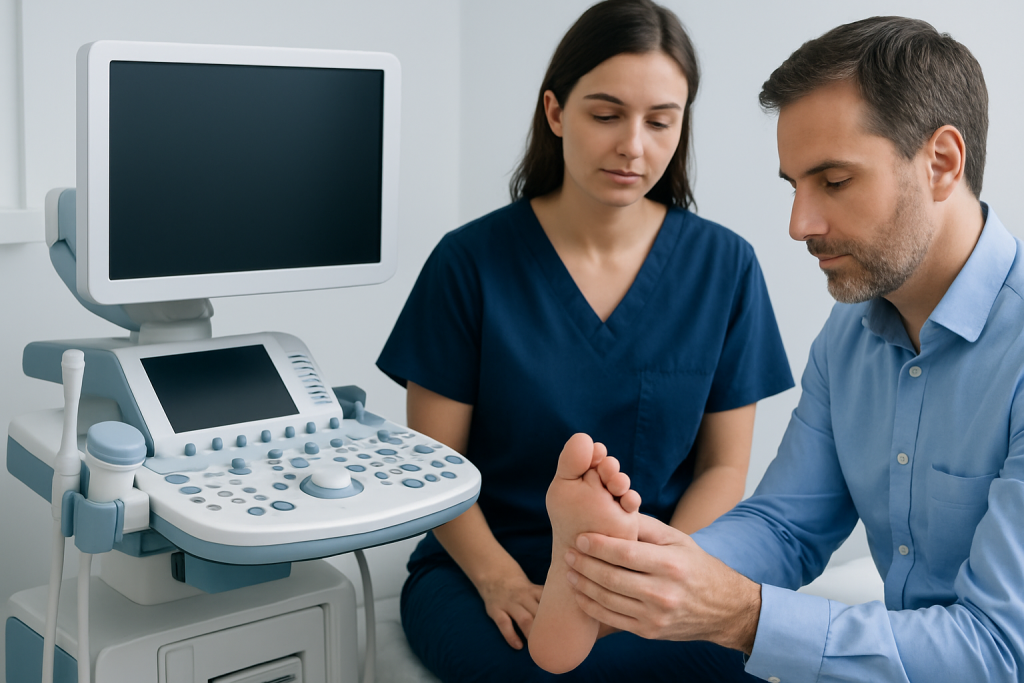
Toe pain can feel sharp, throbbing, aching, burning, or tender to touch. Some people notice pain only when walking or wearing shoes, while others feel it even at rest. The toe may also become swollen, stiff, warm, or red. If a joint is involved, bending the toe may be difficult or painful.
Other symptoms depend on the cause. An ingrown toenail often causes pain along one side of the nail, with local redness and swelling. A fracture or sprain may cause bruising, sudden pain after trauma, and pain with movement or weight-bearing. Arthritis may lead to morning stiffness or a gradual increase in discomfort over time.
It can help to note exactly where the pain is felt and what makes it better or worse. Symptoms that deserve attention include:
- Sudden intense pain, especially in the big toe
- Visible deformity after an injury
- Redness, warmth, pus, or fever
- Darkening, paleness, or blue discoloration of the toe
- Numbness, tingling, or loss of feeling
- Pain that does not improve after a few days of rest
Common triggers and underlying causes

One of the most frequent triggers of toe pain is mechanical pressure. Tight shoes, high heels, narrow toe boxes, and repetitive impact from walking, running, or sports can irritate the soft tissues and joints. This may contribute to corns, calluses, bruising under the nail, tendon irritation, or worsening of bunions and hammertoes.
Injuries are another common cause. Stubbing the toe, dropping something on the foot, twisting the forefoot, or overloading it during exercise can lead to sprains, dislocations, stress injuries, or fractures. Even when the injury seems minor, persistent swelling or pain with weight-bearing can suggest damage that needs evaluation.
Inflammatory and medical conditions also play an important role. Gout often causes sudden, severe big toe pain with swelling and redness. Osteoarthritis may lead to gradual stiffness and pain, especially in the big toe joint. Rheumatoid arthritis and other inflammatory disorders can affect several joints in the feet. Nerve-related pain may occur in people with diabetes, nerve compression, or poor circulation, and infections can develop around the skin or nail.
Structural foot problems can change how pressure is distributed during walking. Conditions such as bunions, flat feet, high arches, or toe deformities may overload specific joints and tissues. In some patients, treatment may involve support, rehabilitation, or evaluation by foot and ankle specialists, particularly if pain is linked to gout or long-standing forefoot deformity.
Risk factors that make toe pain more likely
Some people are more likely to develop toe pain because of their daily activities or foot shape. Jobs that require long hours of standing, sports with jumping or sudden direction changes, and footwear that squeezes the toes can all increase stress on the forefoot. Repeated pressure over time may gradually lead to joint irritation, nail problems, and skin thickening.
Age can also matter. As people get older, cartilage may wear down, joints may stiffen, and circulation or nerve function may change. Chronic health conditions such as diabetes, obesity, inflammatory arthritis, or vascular disease may increase the risk of both pain and delayed healing. Nail trimming habits and foot hygiene can affect the chance of ingrown nails or infection.
Family history can influence the shape and alignment of the feet. Bunions and certain toe deformities often run in families, although shoe pressure can worsen them. For this reason, recurrent big toe pain should not be dismissed as simple strain if the toe is gradually shifting position or the joint is becoming more prominent.
How doctors diagnose the cause of toe pain
Diagnosis starts with a medical history and physical examination. A doctor will usually ask when the pain began, whether there was an injury, where the pain is located, and what activities or shoes make it worse. They may also ask about fever, stiffness, previous gout attacks, diabetes, circulation problems, or numbness.
During the examination, the doctor checks the toe for swelling, redness, tenderness, deformity, skin changes, nail problems, and range of motion. They may assess walking pattern, balance, footwear wear patterns, and whether other parts of the foot are also affected. Sometimes the pain comes from nearby structures rather than the toe alone.
Tests are chosen based on the likely cause. X-rays can help detect fractures, arthritis, or alignment problems. Ultrasound or MRI may be used in selected cases to assess soft tissue injuries. Blood tests may be helpful if gout, infection, or inflammatory disease is suspected. If nail infection or drainage is present, a sample may sometimes be examined. When symptoms are severe or the diagnosis is uncertain, referral to specialists in orthopedics and traumatology may be appropriate.
Treatment options for toe pain
Treatment depends on the underlying cause. Mild toe pain caused by overuse or pressure often improves with rest, ice, elevation, and a temporary reduction in activities that worsen symptoms. Comfortable shoes with a wide toe box can reduce friction and joint strain. Padding, toe spacers, or shoe inserts may be useful in selected cases, especially when foot structure contributes to pain.
Medicines may be recommended to reduce pain and inflammation, depending on the person’s age, medical history, and the cause of symptoms. Nail-related problems may need careful trimming, local treatment, or management of infection. If gout is confirmed, treatment focuses on the acute flare and long-term control if attacks recur. Arthritis care may include exercise guidance, weight management, supportive footwear, and medication plans from a clinician.
Injury-related pain may require buddy taping, immobilization, or temporary protective footwear. More serious fractures, joint instability, severe bunions, or persistent deformities may need procedural or surgical care. For selected patients with structural problems, treatment may involve foot and ankle surgery or rehabilitation support such as physical therapy and rehabilitation. The best approach is individualized and guided by the exact diagnosis.
Near the end of the care pathway, some patients may benefit from multidisciplinary assessment, especially if symptoms involve bone, joint, circulation, nerve, and skin issues together. Acibadem International’s multidisciplinary specialists and JCI-accredited hospitals diagnose and treat toe pain causes for international patients when further evaluation or treatment is needed.
Self-care, prevention, and when to seek medical care
Many cases of toe pain can be reduced or prevented with simple foot care. Shoes should fit well, support the foot, and leave enough room for the toes. Toenails should be trimmed straight across rather than deeply rounded at the edges. People who exercise regularly may benefit from gradual training increases, proper footwear replacement, and attention to running or walking technique.
At home, rest, ice, and elevation can help after minor strain or a mild bump. Avoiding activities that trigger pain for a short time may prevent a small problem from becoming a longer-lasting one. Protective padding, clean socks, and keeping the feet dry may lower irritation and reduce the chance of skin breakdown or nail infection.
Medical care is important if toe pain follows a significant injury, if the toe looks crooked, or if walking becomes difficult. A doctor should also assess pain with redness, warmth, drainage, fever, numbness, color change, or an ulcer, especially in people with diabetes or poor circulation. Persistent or recurrent toe pain deserves evaluation rather than repeated self-treatment, because the cause may need targeted care.
Frequently asked questions
What is the most common cause of toe pain?
Common causes include pressure from tight shoes, minor injury, overuse, ingrown toenails, and joint irritation. The most likely cause depends on where the pain is, how suddenly it began, and whether swelling, redness, or trauma is present.
Why does my big toe hurt suddenly?
Sudden big toe pain may happen after an injury, but it can also be caused by gout, a joint sprain, or acute inflammation. If the joint becomes red, swollen, and very tender, medical assessment is advisable to identify the cause and guide treatment.
Can toe pain go away on its own?
Mild toe pain from pressure or minor overuse often improves with rest, shoe changes, and simple home care. Pain that lasts, keeps returning, or interferes with walking should be evaluated to rule out fracture, arthritis, infection, or deformity.
When is toe pain a sign of something serious?
Toe pain needs prompt attention if it is linked to a visible deformity, severe swelling, spreading redness, drainage, fever, numbness, or changes in toe color. These features can suggest fracture, infection, circulation problems, or nerve involvement.
Should I walk on a painful toe?
That depends on the cause and the severity of pain. Gentle walking may be possible with mild irritation, but pain after trauma or pain that worsens with weight-bearing should not be ignored, because continued pressure can aggravate an injury.
Can diabetes cause toe pain?
Yes. Diabetes can contribute to nerve pain, poor healing, infection risk, and circulation problems in the feet and toes. Any toe pain, ulcer, redness, or nail problem in a person with diabetes should be assessed promptly by a healthcare professional.
References
- American Academy of Orthopaedic Surgeons
- National Institute of Arthritis and Musculoskeletal and Skin Diseases
- American Podiatric Medical Association
- Centers for Disease Control and Prevention
- Mayo Clinic
This article is for general information only and is not a substitute for professional medical advice. Please consult a qualified doctor about your individual situation.
Joint and spine care in Turkey — expert assessment & treatment
JCI-accredited · board-certified surgeons · reply within 24h
Add us as a Preferred Source to see more of our trusted health content across Google Search, AI Overviews and Discover.

More from the Health Library



Related Specialists

Prof. Dr. Seyit Ali Gümüştaş
Orthopedic Surgery & Traumatology
Dr. Ahmet Doğan
Emergency Service
Prof. Dr. Simay A. Kara
Interventional Radiology
Dr. Berna Türkay
Anesthesiology