Tom Brady Pea Gatling.: A Complete Medical Overview

tom brady pea gatling. is not a formal diagnosis but may refer to a pea-sized lump, often in the groin. Common explanations include enlarged lymph nodes, skin cysts, ingrown hairs, and inguinal hernias.
Key Takeaways
- tom brady pea gatling. is not a formal diagnosis but may refer to a pea-sized lump, often in the groin.
- Common explanations include enlarged lymph nodes, skin cysts, ingrown hairs, and inguinal hernias.
- A painless lump is not always serious, but a growing, persistent, or painful lump should be checked by a doctor.
- Urgent care is needed for severe pain, redness, fever, rapid swelling, or a lump that cannot be pushed back in.
- Diagnosis usually depends on medical history, physical examination, and sometimes ultrasound or other imaging.
tom brady pea gatling. is not an established medical term. In most health-related searches, it appears to describe a small, pea-sized lump in the groin area, which may be caused by a swollen lymph node, cyst, skin condition, or hernia and should be assessed based on symptoms, duration, and exam findings.
Overview
The phrase tom brady pea gatling. is not a standard medical term, diagnosis, or anatomical label. In online searches, people often use unusual wording when trying to describe a symptom, and this phrase most likely refers to a small, pea-sized lump or swelling, especially in the groin region.
A pea-sized lump in the groin can have several causes. Many are benign and temporary, such as a reactive lymph node after skin irritation or a minor infection. Other possibilities include a cyst, an ingrown hair, a lipoma, or an inguinal hernia. The meaning depends on where the lump is located, whether it is painful, how long it has been present, and whether it changes with movement or coughing.
Because the term itself is unclear, the safest approach is to focus on the symptom rather than the phrase. A clinician will usually look at the lump’s size, texture, mobility, tenderness, and associated symptoms to decide whether monitoring, testing, or treatment is needed.
What a Pea-Sized Groin Lump May Mean
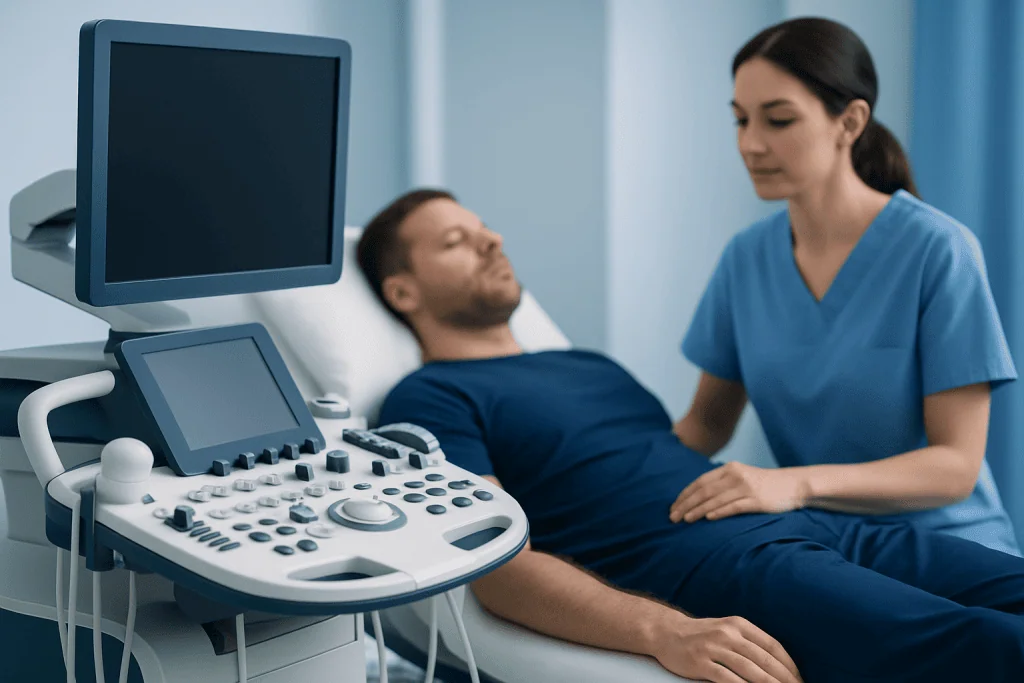
The groin contains lymph nodes, blood vessels, muscles, connective tissue, and part of the pathway where hernias can develop. A small lump in this area can arise from any of these structures. In many cases, the cause is not dangerous, but it is important not to assume.
One common explanation is an enlarged lymph node. Lymph nodes can swell in response to infections, inflammation, shaving irritation, insect bites, athlete’s foot, or minor skin injuries on the leg or genital area. These nodes may feel round, smooth, and movable under the skin.
Another possibility is a hernia, especially if the lump becomes more noticeable while standing, straining, or coughing. An inguinal hernia happens when tissue pushes through a weak point in the abdominal wall. Small hernias may begin as a subtle bulge and may or may not cause discomfort at first.
- Lymph node: often small, mobile, and sometimes tender
- Cyst or ingrown hair: more superficial, close to the skin, sometimes red or irritated
- Lipoma: usually soft, slow-growing, and painless
- Hernia: may enlarge with pressure, standing, or lifting
Symptoms That Help Distinguish the Cause

Symptoms around the lump often provide useful clues. A tender lump that appears suddenly after a skin infection or irritation may suggest a reactive lymph node. A small bump with redness, a visible hair follicle, or drainage may be related to a blocked gland, folliculitis, or an ingrown hair. A deeper bulge associated with pressure, heaviness, or discomfort when coughing may point more toward a hernia.
Doctors also ask whether the lump stays the same size or changes during the day. Hernias often become more visible when standing or straining and may flatten when lying down. Lymph nodes and cysts are usually more constant in size, although inflamed nodes may enlarge over a short period.
Additional symptoms matter too. Fever, spreading redness, warmth, or pus can suggest infection. Weight loss, night sweats, or multiple enlarged lymph nodes elsewhere in the body deserve further evaluation. If there is groin pain with nausea, vomiting, or a firm bulge that cannot be pushed back in, urgent assessment is important because this may signal a trapped hernia.
Causes and Risk Factors
Several conditions can cause a small lump in the groin. Swollen lymph nodes are among the most frequent causes. They may react to local infections of the foot, leg, groin, or genitals, as well as generalized viral illnesses. Skin conditions, friction from exercise, and shaving can also lead to temporary inflammation.
Hernias are another important cause, especially in people who do frequent heavy lifting, have chronic cough, constipation, pregnancy-related abdominal strain, or previous abdominal wall weakness. Sometimes a hernia is painless early on and only becomes noticeable because of a small groin bulge. When needed, a specialist may discuss hernia repair if symptoms progress or if there is a risk of complications.
Other causes include benign fatty lumps called lipomas, epidermoid cysts, enlarged veins, and less commonly infections or tumors. A lump in the groin does not automatically mean cancer, and many small lumps are not dangerous. Still, a lump that persists for several weeks, becomes hard or fixed, or is associated with systemic symptoms should be assessed by a qualified doctor.
How Doctors Diagnose It
Diagnosis begins with a careful medical history and physical examination. The doctor will usually ask when the lump first appeared, whether it is painful, whether it changes with coughing or standing, and whether there have been recent infections, shaving, exercise strain, skin irritation, or injuries. In many cases, the clinical exam already narrows the cause considerably.
During the exam, the clinician checks the lump’s location, size, consistency, tenderness, and mobility. They may ask the person to stand, cough, or bear down gently to see whether the lump behaves like a hernia. If the lump appears to be a hernia, further evaluation may include imaging or referral for general surgery assessment.
If the cause remains uncertain, an ultrasound is often the first imaging test because it can help distinguish lymph nodes, cysts, soft tissue masses, and hernias. Blood tests may be considered if infection or inflammation is suspected. In more complex cases, a doctor may recommend additional imaging or a biopsy, particularly if the lump is persistent, unusual, or concerning on examination.
Treatment Options
Treatment depends entirely on the underlying cause. A reactive lymph node from a mild infection or irritation may simply be observed while the underlying trigger is treated or resolves on its own. Skin-related causes, such as an ingrown hair or mild folliculitis, often improve with gentle hygiene, avoiding squeezing, and medical treatment if infection develops.
If an inguinal hernia is confirmed, treatment may range from watchful follow-up to surgery, depending on symptoms, size, and risk of entrapment. People with increasing discomfort, activity limitation, or recurrent bulging may benefit from laparoscopic surgery or another appropriate approach chosen by their surgeon.
For cysts or lipomas, treatment is not always necessary unless the lump is painful, infected, growing, or bothersome. In those situations, a clinician may recommend drainage, removal, or monitoring. If a swollen lymph node does not improve as expected, the doctor may investigate for less common causes rather than assuming it is harmless.
Near the end of the diagnostic pathway, some patients benefit from multidisciplinary review, especially if the lump is persistent or not clearly explained. Acibadem International’s multidisciplinary specialists and JCI-accredited hospitals evaluate and treat groin lumps and related conditions for international patients when advanced assessment is needed.
Self-Care and Prevention
Self-care starts with avoiding repeated checking or squeezing of the lump, which can irritate the area and make interpretation harder. Gentle skin care, keeping the area clean and dry, and treating any visible cuts, rashes, or fungal infection on the legs or groin can help reduce lymph node reactivity from minor local inflammation.
For people prone to hernias or abdominal strain, prevention focuses on practical habits. These include lifting with proper technique, managing chronic cough, staying physically active, preventing constipation, and maintaining a healthy body weight. These steps cannot prevent every hernia, but they may reduce strain on the abdominal wall.
It is also useful to monitor the lump calmly rather than repeatedly pressing on it. Noting its size, tenderness, and whether it changes with coughing or standing can help a doctor evaluate it accurately. Any self-care approach should stop short of self-diagnosing; persistent or changing lumps deserve professional review.
When to Seek Medical Care
Medical care should be sought if the lump lasts more than two to four weeks, increases in size, becomes hard, or causes ongoing pain. A doctor should also assess lumps associated with fever, skin redness, drainage, unexplained weight loss, night sweats, or swollen nodes in more than one area of the body.
Urgent medical attention is important if there is sudden severe groin pain, nausea, vomiting, marked swelling, or a bulge that becomes firm and cannot be pushed back in. These can be warning signs of a complicated hernia that needs prompt treatment. Similar urgency applies if the area is rapidly becoming red, hot, or very tender.
People who are unsure whether the problem is a lymph node, cyst, or hernia should not feel embarrassed about seeking evaluation. Groin lumps are common and often treatable, but an accurate diagnosis is the best way to decide whether simple observation or a more specific plan is appropriate.
Frequently asked questions
Is tom brady pea gatling. a real medical condition?
No. It is not a recognized medical diagnosis or standard anatomical term. In most cases, it seems to reflect a search for a small, pea-sized lump, often in the groin area.
Can a pea-sized lump in the groin be normal?
Sometimes. Small lymph nodes can be felt in some healthy people, and minor swelling can happen after skin irritation or infection. However, a new lump should be watched carefully and assessed if it persists, grows, or causes symptoms.
How can someone tell the difference between a lymph node and a hernia?
A lymph node is often a small, movable lump that may be tender during infection or inflammation. A hernia is more likely to feel like a bulge that becomes more noticeable with standing, coughing, or straining and may flatten when lying down. A physical examination is usually needed to tell the difference reliably.
Are groin lumps usually serious?
Many groin lumps are not serious and are caused by temporary or benign conditions such as swollen lymph nodes, cysts, or ingrown hairs. Still, some lumps need treatment, especially hernias or lumps linked to infection or other concerning symptoms. That is why persistent or changing lumps should be checked.
What tests might a doctor order for a groin lump?
The first step is usually a medical history and physical examination. If the cause is unclear, the doctor may order an ultrasound, and sometimes blood tests or other imaging. Rarely, a biopsy may be needed for a persistent or unusual lump.
When is a groin lump an emergency?
Emergency care is needed if the lump is suddenly very painful, rapidly enlarging, red and hot, or associated with nausea and vomiting. A groin bulge that becomes hard and cannot be pushed back in may indicate a trapped hernia and needs urgent medical evaluation.
This article is for general information only and is not a substitute for professional medical advice. Please consult a qualified doctor about your individual situation.
Explore treatments in Turkey — costs, top hospitals & a free quote
JCI-accredited · board-certified surgeons · reply within 24h
Add us as a Preferred Source to see more of our trusted health content across Google Search, AI Overviews and Discover.

More from the Health Library

BMI Chart Women: A Complete Medical Overview

Guiche Piercing: What Patients Need to Know

Peppermint Oil for Spiders: A Complete Medical Overview

Water Is What Percentage of the Human Body: What Patients Need to Know

Toxic Positivity: An Evidence-Based Guide for Patients