Tomato Plants — Explained by Medical Evidence, Not Myths
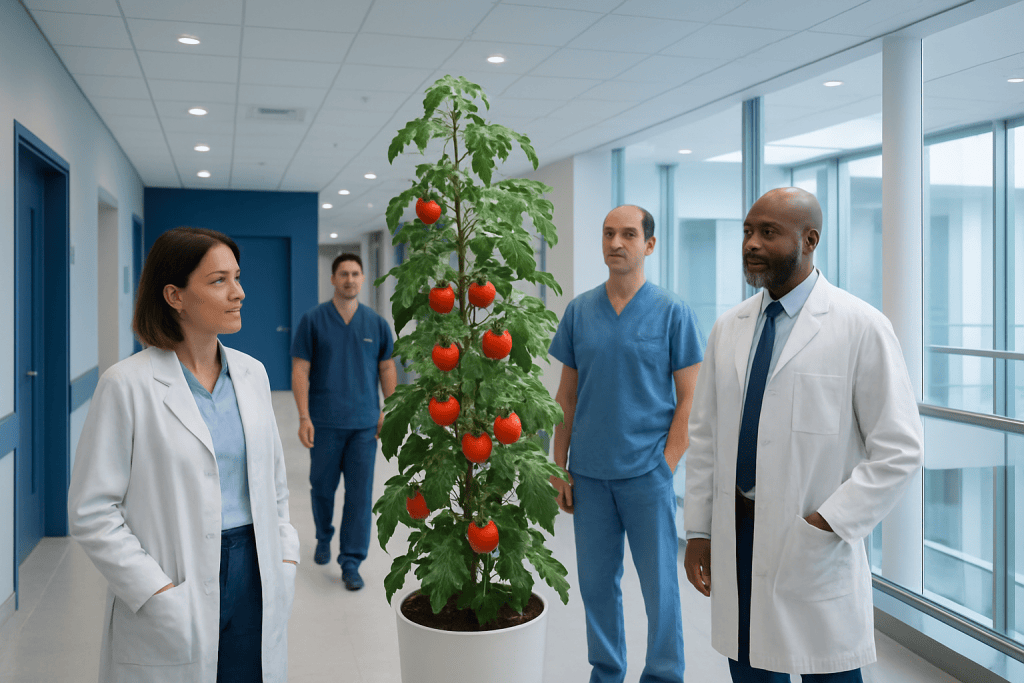
Ripe tomatoes are widely eaten and are generally safe for most people. Tomato leaves, stems, and unripe green parts contain natural compounds that can be irritating or toxic in larger amounts.
Key Takeaways
- Ripe tomatoes are widely eaten and are generally safe for most people.
- Tomato leaves, stems, and unripe green parts contain natural compounds that can be irritating or toxic in larger amounts.
- Skin contact with tomato plants may trigger irritation in sensitive people, especially gardeners with plant allergies.
- Accidental small tastes are often mild, but larger ingestions—especially in children or pets—deserve medical advice.
- Urgent care is needed for severe vomiting, confusion, breathing trouble, or significant symptoms after ingestion.
Tomato plants are not usually dangerous to touch or grow, but some parts of the plant are not meant to be eaten. Medical evidence shows that leaves, stems, and large amounts of unripe fruit may cause stomach upset or, rarely, more significant poisoning symptoms.
Overview: what tomato plants mean from a health perspective
Tomato plants are common in home gardens and kitchens, so questions about their safety are understandable. From a medical point of view, the main issue is not the ripe tomato itself, which is a common food, but the rest of the plant. Leaves, stems, and very unripe fruit contain naturally occurring compounds called glycoalkaloids, including tomatine, that can irritate the digestive system and may be harmful in larger amounts.
This means tomato plants should not be viewed as highly poisonous in everyday casual contact, but they also should not be treated as fully edible from root to leaf. Many myths exaggerate the danger, while others dismiss it completely. The evidence-based middle ground is simple: growing and handling tomato plants is usually safe, ripe tomatoes are generally safe to eat, and non-ripe green plant parts are best not eaten intentionally.
For most people, the greatest real-life risks are accidental ingestion by children, mistaken use of leaves in cooking, and skin irritation in people with plant sensitivity. In rare situations, symptoms after eating plant material may need assessment by a doctor or a poison information service.
Which parts are safe and which parts are not

The red, ripe tomato fruit is the part most commonly eaten. It is used worldwide and is considered safe for most people as part of a normal diet. Some people may still react to tomatoes because of acidity, food intolerance, or allergy, but that is different from plant toxicity.
The leaves and stems are different. They contain higher levels of natural defensive compounds than ripe fruit does. These parts are not considered standard food and are not recommended for eating. Very unripe green tomatoes may also contain more glycoalkaloids than ripe ones, which is why eating large amounts of unripe fruit is not advised.
It is helpful to separate three ideas that are often mixed together:
- Edibility: ripe tomatoes are edible; leaves and stems are generally not.
- Toxicity: larger amounts of leaves, stems, or unripe fruit may cause poisoning symptoms.
- Sensitivity: some people may react to touching or eating tomatoes even without true poisoning.
People who enjoy home gardening should also remember that homemade herbal preparations using tomato leaves are not considered medically proven or routinely safe. A natural origin does not automatically make a plant harmless.
Possible symptoms after contact or ingestion

If someone eats a small amount of tomato leaf or stem by accident, symptoms may be mild or absent. When symptoms do occur, they most often involve the digestive tract. These can include nausea, stomach pain, vomiting, or diarrhea. A bitter taste or mouth irritation may happen as well.
Larger ingestions may lead to more concerning effects. Reported poisoning symptoms from glycoalkaloid-containing plant parts can include weakness, drowsiness, headache, and confusion. In more serious cases, dehydration from vomiting or diarrhea can become the immediate medical concern, especially in children and older adults.
Touching tomato plants may also cause local skin irritation in some people. This is more likely in those with sensitive skin, eczema, or a broader pattern of plant-related skin reactions. Symptoms may include itching, redness, or a mild rash after handling leaves or stems.
Tomatoes themselves may also trigger food-related symptoms in certain individuals. Acidic foods can worsen reflux or indigestion in some people. True tomato allergy is less common, but it can cause itching in the mouth, hives, swelling, or breathing symptoms and may overlap with other allergic conditions.
Why tomato plants can cause problems: compounds, allergy, and myths
Tomato plants belong to the nightshade family. Like several related plants, they produce glycoalkaloids as a natural defense against pests. In tomatoes, tomatine is one of the main compounds discussed. The amount is highest in greener parts of the plant and generally decreases as the fruit ripens.
These natural compounds do not mean that every exposure is dangerous. Dose matters. A brief touch while gardening or a tiny accidental taste is very different from intentionally consuming large quantities of leaves, stems, or very unripe fruit. This is why most home exposure does not become a medical emergency, even though the plant is not considered fully edible.
Another source of confusion is the belief that all reactions to tomatoes are caused by toxicity. In fact, some symptoms are due to sensitivity or allergy rather than poisoning. For example, mouth itching, hives, or swelling after eating tomato may suggest an allergic response rather than glycoalkaloid toxicity. This can resemble symptoms seen with hives.
There are also myths that tomato plants are universally dangerous to touch or that one small bite is always severe. Current medical understanding does not support those extremes. The more accurate message is practical caution: avoid eating non-food parts, supervise children, wash hands after gardening if skin is sensitive, and seek advice if notable symptoms develop.
How doctors assess tomato plant exposure
Diagnosis usually begins with a clear history. A clinician will want to know what part of the tomato plant was involved, how much may have been eaten, when the exposure happened, and what symptoms are present. This information often helps distinguish between a mild accidental exposure, food intolerance, allergy, and true poisoning.
There is no single routine test that confirms all tomato plant exposures. In mild cases, a physical examination and symptom review may be enough. If vomiting, diarrhea, or poor fluid intake is significant, doctors may assess hydration and, when needed, check blood tests to look for electrolyte imbalance or other effects.
If a skin reaction occurs after gardening, the pattern of the rash and the timing of exposure can be useful. Some people may need evaluation for contact irritation or allergy, especially if reactions are repeated or worsening. In selected cases, doctors may consider referral for allergy testing when the history points to a possible food or contact allergy.
Emergency evaluation is more likely if symptoms involve breathing trouble, fainting, severe dehydration, confusion, or ongoing vomiting. In those situations, the goal is to stabilize the person, treat symptoms, and rule out other causes that may look similar.
Treatment and home response
If someone has only a minor accidental taste and feels well, simple observation may be enough. The mouth can be rinsed, and the person can be offered water. It is generally wise not to force vomiting or try unproven home remedies. If there is uncertainty about the amount eaten, especially in a child, contacting a poison center or a doctor is a sensible next step.
For mild stomach upset, treatment is usually supportive. That means rest, fluids, and monitoring for worsening symptoms. If vomiting or diarrhea becomes persistent, medical care may be needed to prevent dehydration. In a clinical setting, treatment may include anti-nausea medicines, fluid replacement, and observation.
If the issue is skin irritation, washing the skin and avoiding further contact may help. Persistent or itchy rashes may be assessed by a clinician, and some patients may benefit from dermatology evaluation if symptoms continue or recur. When breathing symptoms, facial swelling, or widespread hives occur after tomato exposure, urgent allergy assessment is important.
When digestive symptoms are severe or if there is concern for another abdominal illness, doctors may investigate other causes as well. Depending on the symptom pattern, evaluation can overlap with care commonly provided in gastroenterology services. Near the end of the care pathway, some international patients choose centers such as Acibadem International, where multidisciplinary specialists in JCI-accredited hospitals evaluate and treat complex allergy, skin, and digestive concerns.
Prevention and safe handling
The best prevention is straightforward: eat ripe tomatoes, but do not intentionally eat tomato leaves or stems. Gardeners should teach children that not every part of a food plant is safe to taste. Keeping garden trimmings away from kitchens and from places where children or pets play can reduce accidental exposures.
People with sensitive skin may wish to wear gloves when pruning or harvesting tomato plants. Washing hands after gardening is a simple protective habit. If a rash has happened before, long sleeves and prompt washing of exposed skin may help lower the chance of repeat irritation.
In the kitchen, using only the edible fruit is the safest approach. Recipes or online advice that promote leaf-based teas, extracts, or medicinal uses should be treated with caution because safety is not well established. If someone has a known food allergy, reflux, or a history of plant-related dermatitis, discussing symptoms with a qualified doctor can help guide individual choices.
Prevention also includes not dismissing symptoms that seem out of proportion to the exposure. A person who develops widespread hives, repeated vomiting, or signs of dehydration should not rely only on internet advice.
When to seek medical care
Medical advice should be sought promptly if a child, older adult, or medically vulnerable person eats an unknown amount of tomato leaves, stems, or very unripe fruit. It is also appropriate to contact a doctor or poison service if symptoms begin within a few hours of exposure, even when the amount seemed small.
Urgent medical care is important for severe vomiting, persistent diarrhea, confusion, unusual sleepiness, fainting, trouble breathing, swelling of the lips or throat, or signs of dehydration such as very little urination or marked weakness. These symptoms may reflect poisoning, allergy, or another condition that needs timely assessment.
Non-urgent medical review can help if tomato exposure repeatedly causes skin rash, digestive discomfort, or mouth itching. Recurrent symptoms may suggest sensitivity, reflux, or allergy rather than toxicity alone. A doctor can help determine the cause and whether further evaluation is needed.
Frequently asked questions
Are tomato plants poisonous to humans?
Parts of tomato plants can be harmful if eaten, especially leaves, stems, and very unripe fruit. Ripe tomatoes are generally safe, but the rest of the plant is not considered food. Small accidental exposures are often mild, though larger amounts may cause stomach symptoms and need medical advice.
Can someone touch tomato plants safely?
Most people can touch tomato plants without serious problems. However, some develop skin irritation, itching, or a rash after handling the leaves or stems. Wearing gloves may help if the person has sensitive skin or a history of plant-related reactions.
Is it safe to eat green tomatoes?
Very unripe green tomatoes contain more glycoalkaloids than ripe tomatoes do, so eating large amounts is not recommended. Small amounts in normal cooking may be tolerated by some people, but they are not equivalent to ripe tomatoes in terms of composition. Anyone who becomes ill after eating them should seek medical advice.
What should a person do if a child eats tomato leaves?
The child should be observed closely, and any remaining plant material should be removed from the mouth. It is wise to contact a poison information service or a healthcare professional, especially if the amount is unknown. Immediate care is needed if vomiting, unusual drowsiness, breathing difficulty, or other significant symptoms develop.
Can tomato plants cause allergies?
Yes. Some people react to tomatoes as a food, while others react to handling the plant itself. Symptoms can include mouth itching, hives, rash, or swelling, and severe allergic symptoms require urgent medical care.
Are tomato plant leaves used in home remedies safe?
Routine medicinal use of tomato leaves is not considered evidence-based or reliably safe. Natural plant products can still cause irritation or poisoning. It is safer to avoid homemade remedies made from tomato leaves or stems unless guided by a qualified professional.
This article is for general information only and is not a substitute for professional medical advice. Please consult a qualified doctor about your individual situation.
Persistent digestive symptoms? Get evaluated in Turkey
JCI-accredited · board-certified surgeons · reply within 24h
Add us as a Preferred Source to see more of our trusted health content across Google Search, AI Overviews and Discover.

More from the Health Library

Uses of Liquorice Root: A Complete Medical Overview

Bloating Stomach Swelling: An Evidence-Based Guide for Patients

Nurse — Explained by Medical Evidence, Not Myths

Brain Atrophy: An Evidence-Based Guide for Patients

Hypoechoic: An Evidence-Based Guide for Patients