Top Ten Foods Containing Iron: Evidence-Based Benefits, Risks, and Practical Guidance

Iron from animal foods is usually absorbed more efficiently than iron from plant foods. Vitamin C can improve iron absorption, while tea, coffee, and calcium may reduce it when taken with iron-rich meals.
Key Takeaways
- Iron from animal foods is usually absorbed more efficiently than iron from plant foods.
- Vitamin C can improve iron absorption, while tea, coffee, and calcium may reduce it when taken with iron-rich meals.
- Foods high in iron can help support iron intake, but they do not automatically treat iron deficiency or anemia.
- People who are pregnant, menstruating, vegetarian or vegan, or have digestive disorders may need closer medical guidance.
- Too much iron can also be harmful, especially in people with iron overload disorders or those taking unnecessary supplements.
The top ten foods containing iron include both animal and plant sources, but they do not all work the same way in the body. The most useful guidance is not just which foods contain iron, but which forms are better absorbed, how to combine them in meals, and when diet alone may not be enough.
Overview: What the Top Ten Foods Containing Iron Really Means
The top ten foods containing iron typically include shellfish, red meat, organ meats, legumes, tofu, pumpkin seeds, fortified breakfast cereals, spinach, lentils, and some fish or poultry. However, a simple ranked list can be misleading because iron content per serving is only one part of the clinical picture. The body absorbs iron from animal foods differently from iron in plant foods, and meal composition can greatly affect how much iron is actually used.
Iron is an essential mineral needed to make hemoglobin, the protein in red blood cells that carries oxygen. It also supports energy production, immune function, brain development, and muscle metabolism. When iron intake is low, absorption is poor, or blood loss is ongoing, iron stores can fall and may eventually lead to anemia.
Evidence supports using iron-rich foods as part of a balanced diet to help meet daily needs and support recovery from low iron in some people. At the same time, foods alone may not correct clinically significant iron deficiency, especially when there is heavy menstrual bleeding, pregnancy, gastrointestinal bleeding, malabsorption, or chronic disease. In those situations, medical assessment is important rather than relying only on diet advice.
The Top Ten Foods Containing Iron

These foods are commonly recognized as strong dietary sources of iron. Exact iron content varies by portion size, cooking method, brand, and whether a food is fresh, canned, or fortified. For practical use, it helps to divide them into heme iron sources, which are found in animal foods and are generally better absorbed, and nonheme iron sources, which are found mainly in plant foods and fortified products.
- Shellfish, especially clams, mussels, and oysters
- Red meat, such as beef and lamb
- Organ meats, especially liver
- Legumes, including beans, chickpeas, and soybeans
- Lentils
- Tofu and tempeh
- Pumpkin seeds and some other seeds
- Fortified breakfast cereals
- Spinach and other dark leafy greens
- Fish and poultry, including sardines and dark turkey meat
Animal foods often provide heme iron, which is absorbed more consistently and is less affected by other parts of the meal. Plant foods and fortified grains contain nonheme iron, which can still contribute meaningfully to intake, especially when eaten regularly and paired with foods rich in vitamin C, such as citrus fruits, strawberries, kiwi, tomatoes, or bell peppers.
Fortified cereals deserve special mention because they can contain substantial iron, but labels matter. Some products are high in added iron but also high in sugar or low in fiber, so they are not automatically the best overall choice. In clinical nutrition, the best source is usually the one a person can tolerate, afford, digest, and include consistently within a balanced eating pattern.
How Iron Absorption Works: Why Food Pairing Matters
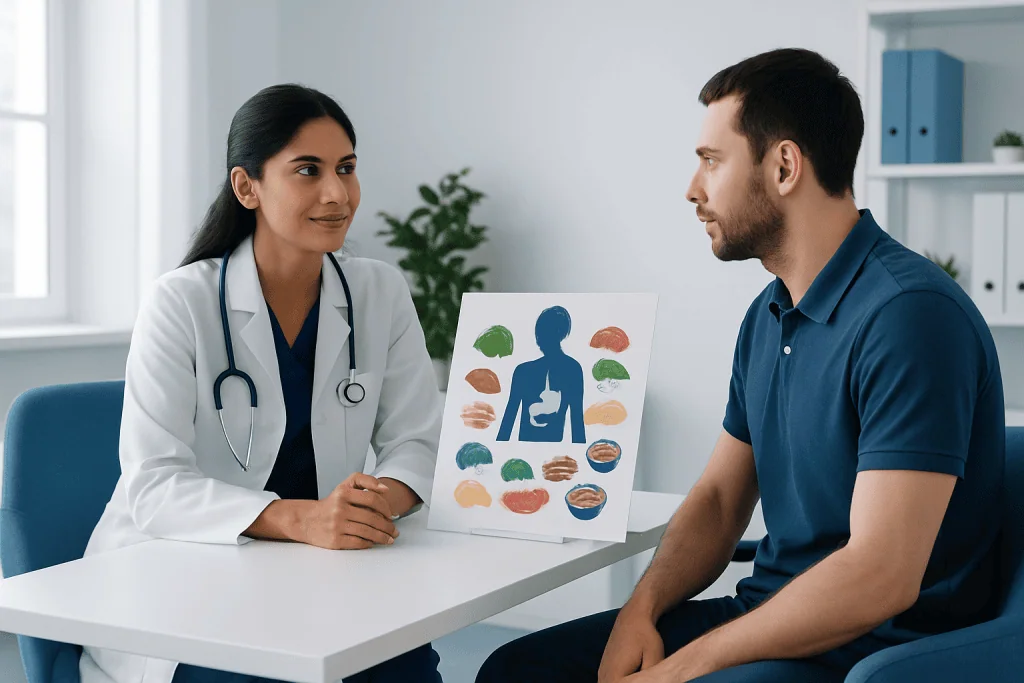
Iron nutrition is not only about how much iron is listed in a food chart. Heme iron, found in meats and seafood, is generally absorbed more efficiently than nonheme iron from beans, grains, vegetables, nuts, and fortified foods. This is why two foods with similar iron content may not have the same effect on iron status.
Vitamin C can significantly improve absorption of nonheme iron. For example, pairing lentils with tomatoes, beans with citrus, or iron-fortified cereal with strawberries may increase the amount the body takes up. Cooking in cast iron cookware may also add small amounts of iron to food, especially acidic foods like tomato-based sauces, although this should be viewed as a modest contribution rather than treatment.
Some common meal components can reduce absorption. Tea and coffee contain compounds that can bind iron, and calcium from supplements or dairy products may interfere when consumed at the same time as an iron-rich meal. Whole grains, legumes, and some vegetables also contain phytates or oxalates, which can reduce absorption, though soaking, sprouting, fermenting, or cooking may help somewhat.
For people with known iron deficiency, a clinician may suggest timing strategies such as taking iron away from tea, coffee, or calcium-rich foods. If iron deficiency is significant, diet may be combined with iron infusion or oral supplementation, depending on the cause and severity.
Evidence-Based Benefits and What Food Alone Cannot Do
Iron-rich foods help people meet daily nutritional needs and support normal red blood cell production, oxygen transport, and energy metabolism. In individuals with marginal intake, improving dietary iron can help maintain iron stores and may reduce the risk of deficiency over time. This is especially relevant for growing children, adolescents, menstruating adults, pregnant people, endurance athletes, and those following vegetarian or vegan diets.
What the evidence does not support is the idea that simply eating more iron-rich foods will reliably treat every case of low iron. If there is ongoing blood loss, poor absorption, inflammatory bowel disease, untreated celiac disease, stomach or bowel surgery, or another underlying condition, diet alone may not be enough. People with symptoms such as fatigue, weakness, shortness of breath, brittle nails, or pica should not assume the problem is dietary without testing.
Iron deficiency is a diagnosis, not just a nutrition trend. Doctors may use a blood count and iron studies to evaluate whether someone has iron deficiency, iron-deficiency anemia, another blood disorder, or a different cause of tiredness altogether. Depending on the findings, treatment may include diet changes, oral supplements, treatment of the source of blood loss, or further work-up such as endoscopy when gastrointestinal bleeding is suspected.
Risks, Side Effects, and Who Should Be Cautious
For most people, iron from food is safe when eaten as part of a balanced diet. The main concerns usually arise from very high intake of supplements or from certain foods in people with specific health conditions. For example, liver is rich in iron but is also high in vitamin A, so frequent large amounts may not be appropriate in pregnancy unless advised by a clinician.
People with hereditary hemochromatosis or other iron overload disorders should not increase iron intake without medical supervision. Excess iron can build up in organs over time and cause harm. In these situations, the issue is not a lack of iron but too much of it, so self-prescribing supplements or intentionally increasing iron-rich foods may be unsafe.
Food safety also matters. Raw or undercooked shellfish can carry infection risk, particularly for people with liver disease, weakened immunity, or pregnancy. Red and processed meats provide heme iron, but frequent high intake of processed meats is not generally advised because overall health guidance still matters alongside iron intake.
Iron supplements can cause constipation, nausea, abdominal discomfort, and dark stools, and they may interact with some medicines. If a person is being treated for low iron, the plan should be individualized. In some cases, specialists may investigate causes such as colon cancer or other gastrointestinal disorders rather than focusing only on diet.
Practical Guidance for Different Diets and Life Stages
For people who eat animal foods, including moderate amounts of lean red meat, seafood, poultry, or eggs can make iron intake easier because heme iron is more bioavailable. Meals that combine an iron source with vegetables or fruit rich in vitamin C can support better absorption while also keeping the diet balanced. This approach may be more useful than focusing on a single “superfood.”
For vegetarians and vegans, iron needs can still be met with careful planning. Regular use of lentils, beans, tofu, tempeh, seeds, nuts, and iron-fortified grains can provide meaningful amounts of nonheme iron. Combining these with vitamin C-rich foods and spacing tea or coffee away from meals may improve results. Some people may still need monitoring if menstrual losses are heavy or if intake is inconsistent.
Pregnancy increases iron requirements, and many pregnant patients need more than food alone can provide. Children and adolescents also have periods of rapid growth when iron intake becomes especially important. Older adults may face reduced appetite, chronic disease, or occult bleeding, so low iron should not be dismissed as a normal part of aging.
If symptoms persist or blood tests confirm deficiency, dietary changes may be combined with medical treatment. In more complex cases, evaluation by specialists in nutrition, gastroenterology, or hematology may be recommended. Acibadem International’s multidisciplinary specialists and JCI-accredited hospitals diagnose and treat conditions related to iron deficiency for international patients, including assessment for causes such as bleeding, malabsorption, or digestive disease.
Diagnosis and Medical Treatment When Low Iron Is Suspected
A doctor does not diagnose iron deficiency based only on a food history. Evaluation usually starts with symptoms, medical history, medications, menstrual history, and possible sources of blood loss, followed by laboratory testing. Common tests include a complete blood count, ferritin, transferrin saturation, and other iron studies. These help distinguish iron deficiency from other causes of anemia or fatigue.
If a person has low iron, the next step is to understand why. Causes may include low intake, pregnancy, heavy periods, gastrointestinal bleeding, inflammatory bowel disease, celiac disease, kidney disease, or recent surgery. Some patients need referral for digestive or gynecologic evaluation to identify the underlying problem rather than repeatedly treating the deficiency alone.
Treatment depends on severity, symptoms, test results, and cause. Doctors may recommend dietary changes, oral iron, treatment of bleeding, or colonoscopy or other investigations when appropriate. In some situations, intravenous iron is used when oral iron is not tolerated, not absorbed well, or not sufficient.
When to Seek Medical Care
Medical care is important if a person has persistent fatigue, unusual weakness, shortness of breath, dizziness, chest discomfort, pale skin, rapid heartbeat, headaches, brittle nails, or cravings for nonfood items such as ice or clay. These symptoms do not always mean iron deficiency, but they deserve professional evaluation, especially if they are new, worsening, or affecting daily life.
Urgent medical care may be needed if there are signs of bleeding, black or bloody stools, vomiting blood, fainting, severe shortness of breath, or chest pain. People who are pregnant, have known digestive disease, have had weight loss, or have a personal or family history of gastrointestinal conditions should seek timely advice rather than trying to manage symptoms with diet alone.
Anyone considering iron supplements should also speak with a qualified clinician if they have liver disease, hemochromatosis, recurrent infections, kidney disease, or take medications that may interact with iron. Food-based strategies are often helpful, but they work best when they are part of a clear diagnosis and an individualized treatment plan.
Frequently asked questions
What are the top ten foods containing iron?
Common examples include shellfish, red meat, liver, legumes, lentils, tofu, pumpkin seeds, fortified breakfast cereals, spinach, and fish or poultry. The best choice depends not only on iron content but also on absorption, digestion, and how often the food is eaten.
Which foods have the most easily absorbed iron?
Foods from animal sources, especially red meat and shellfish, contain heme iron, which is usually absorbed better than nonheme iron from plant foods. Plant sources can still be useful, particularly when eaten with vitamin C-rich foods.
Can iron-rich foods cure iron deficiency anemia?
They can help improve intake, but they do not always correct iron deficiency anemia on their own. If iron loss, poor absorption, pregnancy, or another medical problem is present, a person may need testing and additional treatment.
What should be avoided with iron-rich meals?
Tea, coffee, and calcium-rich foods or supplements can reduce iron absorption when taken at the same time. This matters most for people who already have low iron or are trying to increase absorption from plant-based foods.
Are fortified cereals a good source of iron?
They can be, especially for people who do not eat much meat. However, it is still important to read the label because some cereals are heavily processed or high in added sugar, so they may not be the best overall nutritional choice.
Who may need extra attention to iron intake?
People who are pregnant, menstruating, vegetarian or vegan, growing rapidly, or living with digestive disorders may be at higher risk of low iron. Older adults and endurance athletes may also need closer monitoring depending on symptoms and diet.
This article is for general information only and is not a substitute for professional medical advice. Please consult a qualified doctor about your individual situation.
Explore treatments in Turkey — costs, top hospitals & a free quote
JCI-accredited · board-certified surgeons · reply within 24h
Add us as a Preferred Source to see more of our trusted health content across Google Search, AI Overviews and Discover.

More from the Health Library

Insulin Resistance Diet: Benefits, Risks, and Safe Use

IBS Diet: What the Clinical Research Actually Says

Zinc Rich Foods: Evidence-Based Benefits, Risks, and Practical Guidance

Hair Growth Supplements: Evidence-Based Benefits, Risks, and Practical Guidance

Plant Based Protein Sources: Benefits, Risks, and Safe Use