Traded.Co Cancer Treatment Centers of America Listings: How It Works, Results and What to Expect

Commercial real-estate listings are not clinical ratings, referral tools or measures of cancer treatment outcomes. Cancer Treatment Centers of America stopped operating as an independent hospital network after its facilities were acquired by other health systems.
Key Takeaways
- Commercial real-estate listings are not clinical ratings, referral tools or measures of cancer treatment outcomes.
- Cancer Treatment Centers of America stopped operating as an independent hospital network after its facilities were acquired by other health systems.
- The best cancer center for an individual depends on cancer type, stage, treatment needs, specialist access and practical support.
- Cancer treatment planning commonly includes pathology review, imaging, staging and discussion by a multidisciplinary team.
- New or concerning symptoms should be assessed promptly rather than waiting for information from property listings or online rankings.
Traded.co Cancer Treatment Centers of America listings generally describe commercial property transactions connected with former Cancer Treatment Centers of America sites; they do not evaluate cancer treatment quality or help determine the right care for an individual. For people seeking cancer care, the most important next step is a timely assessment by a qualified oncology team that can confirm the diagnosis, stage the cancer and discuss evidence-based treatment options.
What Traded.Co Cancer Treatment Centers of America Listings Mean
Traded.co Cancer Treatment Centers of America listings are generally commercial real-estate records. They may identify a healthcare property, a sale, financing activity, leasing information or the organizations involved in a transaction. They are useful for understanding the business or property context of a facility, but they are not medical directories and do not indicate whether a hospital currently provides a particular cancer service.
For a person with cancer or a concerning symptom, a property listing should not be used to compare doctors, judge quality of care or choose a treatment plan. Clinical decisions require information that is personal and medical, including the exact cancer diagnosis, pathology findings, stage, overall health, previous treatment and personal goals.
It is also important to confirm current services directly with a hospital or oncology practice. Healthcare facilities can change ownership, names, locations, clinical programs and referral arrangements over time. A doctor, patient navigator or cancer organization can help identify appropriate local or specialist services.
What Happened to Cancer Treatment Centers of America?
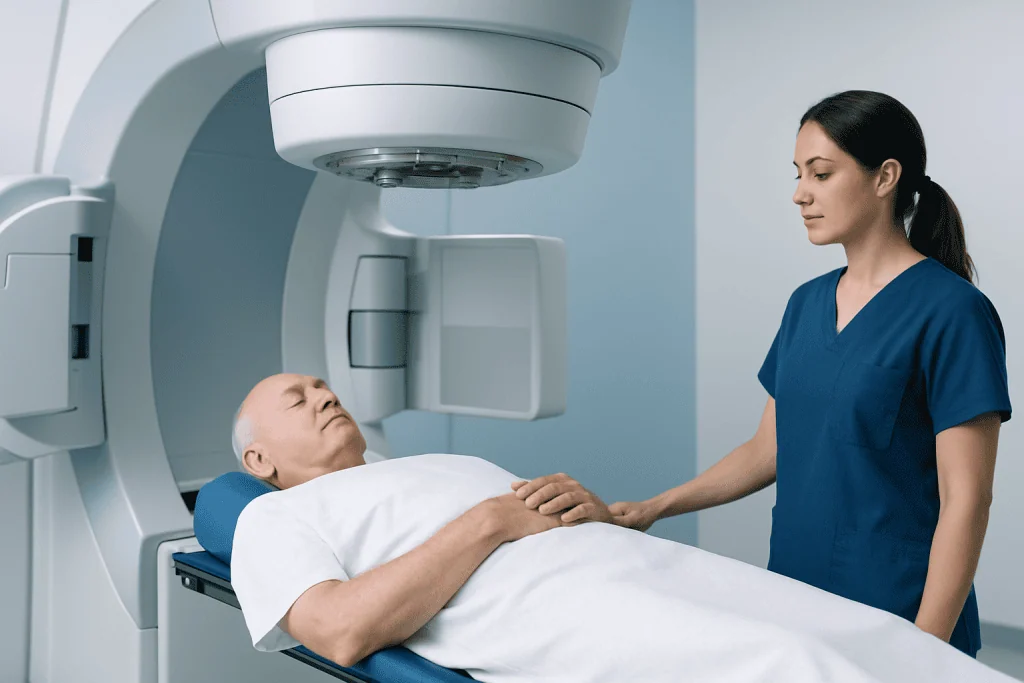
Cancer Treatment Centers of America, often called CTCA, was a United States cancer-care network that operated specialty hospitals. In 2022, its hospital operations were acquired by other healthcare organizations, with facilities transitioning to new ownership and branding. As a result, CTCA no longer operates as the same independent national network.
A reference to a former CTCA property does not necessarily mean that cancer services have ended at that location. Some sites may continue to provide oncology care under their current health-system owners, while the available services, clinicians and referral pathways may differ. Patients should contact the facility directly to ask which cancer programs, specialists and treatments are currently available.
For anyone transferring care, it can be helpful to request copies of pathology reports, imaging reports and images, treatment summaries, laboratory results and medication lists. These records allow a new oncology team to review the diagnosis and avoid unnecessary delays or duplication.
How Cancer Treatment Planning Works

Cancer treatment is not one single procedure. It is a structured process that begins with confirming the diagnosis. Depending on the situation, this may involve a biopsy, expert pathology review, blood tests and imaging such as CT, MRI, PET/CT or ultrasound. The purpose is to identify the cancer type, where it began, whether it has spread and which biological features may influence treatment.
After staging, the care team discusses options with the patient. This process often includes medical oncology, surgical oncology, radiation oncology, radiology, pathology, nursing, nutrition, rehabilitation and supportive-care professionals. A multidisciplinary review can be especially valuable when surgery, systemic treatment and radiation may need to be coordinated.
Treatment may include surgery, radiation therapy, chemotherapy, immunotherapy, targeted therapy, hormone therapy, transplant-related care for selected blood cancers, or active surveillance. Some people receive one treatment; others receive a planned sequence. Cancer treatment planning should explain the expected purpose of each option, possible side effects, alternatives and follow-up needs.
A second opinion may be appropriate, particularly for an uncommon cancer, a complex diagnosis, a recurrence or a treatment plan involving major surgery. Seeking another expert review is a normal part of informed cancer care and does not mean a patient must change doctors.
Who May Benefit From a Specialist Cancer Center?
A specialist cancer center may be particularly helpful for people with a newly diagnosed cancer, a rare tumor, advanced disease, cancer that has returned, or a diagnosis requiring several forms of treatment. Centers with disease-specific teams can coordinate care and may offer access to clinical trials when appropriate.
However, a large or well-known center is not automatically the best choice for every person. Many patients receive excellent care close to home, especially when their cancer is common and a local team has the needed expertise. Travel, family support, insurance arrangements, language needs and the ability to attend repeated appointments also matter.
Useful questions include whether the center regularly treats the specific cancer type, whether pathology can be reviewed by experts, which treatments are offered, how emergencies are handled and how follow-up care will be coordinated. For example, people with breast cancer may need coordinated breast cancer care, while those with lung or colorectal cancers may benefit from disease-focused expertise and access to relevant treatment services.
- Ask whether treatment recommendations are discussed by a multidisciplinary tumor board.
- Ask who will be the main point of contact during treatment.
- Ask how symptoms, side effects and urgent concerns will be managed between visits.
- Ask whether supportive services such as nutrition, mental health and rehabilitation are available.
Step by Step: From Diagnosis to Recovery and Follow-Up
The first step is usually an evaluation by a clinician, followed by tests that clarify the diagnosis. If cancer is confirmed, the team determines the stage and considers tumor characteristics, such as hormone receptors or genetic changes when these tests are relevant. This stage of planning may take time because accurate information is essential to selecting treatment safely.
Next, the patient meets with the relevant specialists to review options. Surgery may remove a tumor or obtain tissue; radiation may treat a defined area; and systemic treatments travel through the bloodstream to treat cancer cells throughout the body. The order of treatments differs by cancer type and stage. For some cancers, medication is given before surgery; for others, surgery is followed by additional treatment to reduce recurrence risk.
Recovery depends on the treatment received. Recovery after an outpatient infusion may involve temporary fatigue or other manageable side effects, while recovery after major surgery can take weeks or longer. Radiation-related effects often build gradually during treatment and may improve in the weeks afterward. The team should provide individualized guidance about activity, nutrition, wound care, medications and symptoms that require urgent contact.
Follow-up is an ongoing part of care. It may include physical examinations, blood tests, imaging when clinically indicated, rehabilitation and monitoring for late effects. Supportive care can address pain, fatigue, nausea, fertility concerns, emotional wellbeing and changes in daily functioning at any stage of treatment.
Benefits, Risks and Limits of Cancer Treatment
The potential benefit of cancer treatment depends on the diagnosis and treatment goal. In some situations, treatment aims to cure cancer. In others, it may control disease, slow growth, reduce symptoms or help maintain quality of life. Clear discussion of the goal helps patients make decisions that reflect their values and circumstances.
All cancer treatments can have risks. Surgery can involve bleeding, infection, pain, blood clots or changes in function. Radiation can cause skin irritation, fatigue and effects on nearby organs. Systemic treatments may cause fatigue, nausea, infections, changes in blood counts, nerve symptoms, hormonal effects or organ-specific complications. The risk profile varies substantially by medication, dose, body area treated and individual health.
Care teams try to prevent, monitor and treat side effects early. Patients should report new symptoms rather than trying to manage severe or persistent symptoms alone. It is reasonable to ask which effects are common, which are serious, how treatment may affect work or caregiving, and what support is available during recovery.
There is no guarantee that a treatment will work for every person. Shared decision-making helps balance likely benefits and burdens, including the option of observation, symptom-focused care or a clinical trial when medically appropriate.
What Is the Best Cancer Treatment Center in the USA?
There is no single best cancer treatment center in the USA for every patient. The most suitable center is one with expertise in the specific cancer type, access to the treatments a person needs, strong coordination among specialists and a care plan that is feasible for the patient and family.
Instead of relying on general rankings or commercial property information, patients can ask their doctor about disease-specific experience, multidisciplinary review, clinical trial availability and supportive-care resources. They can also verify that the center is appropriately accredited and that specialists are board certified in the relevant field.
For complex care, a second opinion at a specialist center can clarify options while treatment is delivered locally when safe and practical. Acibadem International’s multidisciplinary specialists and JCI-accredited hospitals support diagnosis and treatment planning for international patients, including coordinated oncology care.
How Much Is a Traded Post?
The cost of a Traded post or listing is a commercial publishing question rather than a healthcare question. Pricing, promotion packages and access arrangements can change, so the most reliable source is Traded’s current information or direct contact with its team.
A paid or featured real-estate post should not be interpreted as a clinical endorsement of a healthcare organization. It does not establish that a facility offers better cancer outcomes, has more appropriate treatments or is the right destination for a particular patient.
People planning cancer care should focus instead on medical questions, insurance or self-pay planning where relevant, travel needs and the availability of required services. A hospital financial counselor or patient navigator may help explain practical arrangements before treatment begins.
What US State Has the Best Cancer Treatment?
No US state can be named as having the best cancer treatment for every cancer and every patient. Cancer care quality varies between hospitals and practices within the same state, and the best choice depends more on the expertise of the treating team and the services available than on geography alone.
Some patients need highly specialized care that may require travel, while others can safely receive treatment near home with support from a specialist consultation. The decision should consider the cancer type, whether surgery or radiation technology is needed, access to clinical trials, travel tolerance and the importance of local support during treatment.
For people considering care outside their home area, it is sensible to ask how records will be shared, how urgent symptoms will be managed and whether part of treatment or follow-up can be coordinated locally. This approach helps make care both medically appropriate and practical.
When to Seek Medical Care
Medical care should be sought promptly for a new lump, unexplained bleeding, persistent change in bowel or bladder habits, ongoing cough or hoarseness, trouble swallowing, unexplained weight loss, persistent pain, or a skin change that does not heal. These symptoms often have causes other than cancer, but assessment is important when they are new, persistent or worsening.
A person already receiving cancer treatment should contact their care team urgently for fever, chills, shortness of breath, chest pain, severe or persistent vomiting, confusion, uncontrolled pain, significant bleeding, sudden weakness or signs of dehydration. The team can advise whether urgent evaluation is needed; severe symptoms may require emergency services.
People should not delay evaluation while researching facilities, listings or rankings online. Early assessment can clarify the cause of symptoms and, if cancer is found, allows treatment discussions to begin without unnecessary delay.
Frequently asked questions
Are Traded.co Cancer Treatment Centers of America listings medical referrals?
No. These listings are generally related to commercial real estate and business transactions, not individualized medical referrals. A treating doctor, oncology nurse navigator or accredited cancer program can help a person identify clinically appropriate care.
Can a former CTCA location still provide cancer treatment?
It may, depending on the current owner and services offered at that location. Because facility programs and staffing can change, patients should contact the site directly and confirm the availability of the specialists and treatments they need.
How should a patient choose a cancer treatment center?
Patients should look for experience with their specific cancer type, multidisciplinary care, access to required treatments and clear communication about the care plan. Practical factors, including travel, follow-up arrangements and support at home, are also important.
Is a second opinion necessary after a cancer diagnosis?
A second opinion is not required in every situation, but it can be useful for rare, advanced, recurrent or complex cancers. It may confirm the diagnosis and help patients understand whether there are different treatment options or clinical trials to consider.
How soon should cancer treatment begin after diagnosis?
The appropriate timing depends on cancer type, stage and the tests needed to plan treatment accurately. Patients should ask their oncology team about the expected timeline and contact them if symptoms worsen or appointments are delayed.
Can cancer treatment be shared between a specialist center and a local doctor?
In some cases, yes. A specialist center may provide a second opinion, surgery or a complex treatment plan while some therapy and follow-up are coordinated locally. This should be arranged directly between the medical teams to support safe, consistent care.
References
- National Cancer Institute
- American Cancer Society
- Centers for Disease Control and Prevention
- American Society of Clinical Oncology
- National Comprehensive Cancer Network
This article is for general information only and is not a substitute for professional medical advice. Please consult a qualified doctor about your individual situation.
Oncology care in Turkey — second opinion and treatment plan
JCI-accredited · board-certified surgeons · reply within 24h
Add us as a Preferred Source to see more of our trusted health content across Google Search, AI Overviews and Discover.