Transjugular Liver Biopsy: Procedure, Recovery and Results
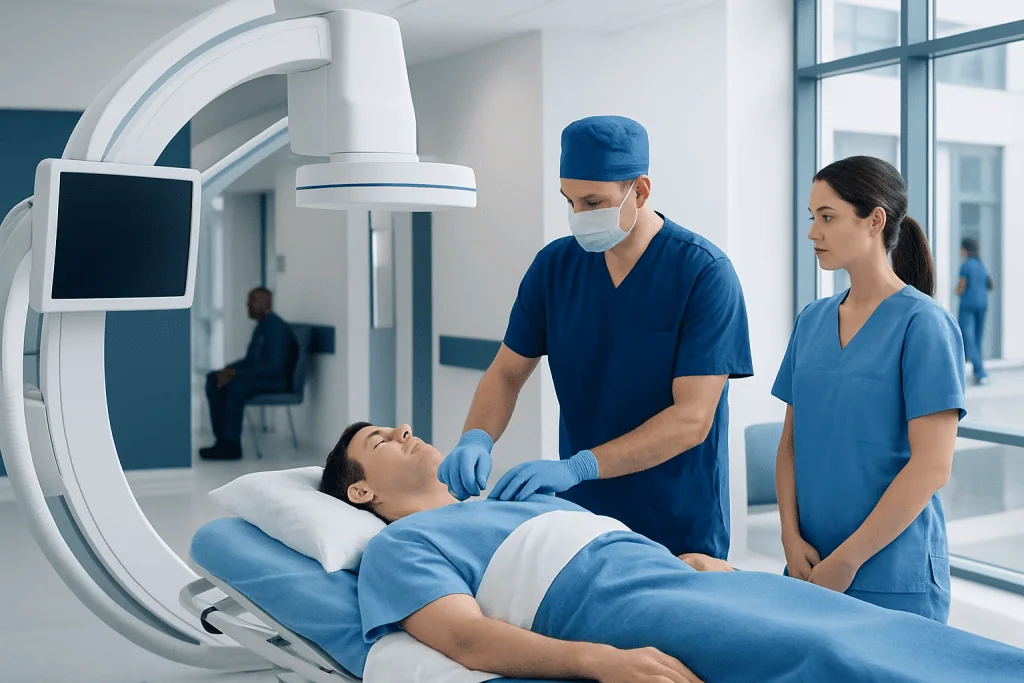
A transjugular liver biopsy reaches the liver through the jugular vein in the neck rather than through the abdominal wall. It can be a useful option for people with ascites, low platelet counts, altered clotting tests, or other reasons for increased bleeding risk.
Key Takeaways
- A transjugular liver biopsy reaches the liver through the jugular vein in the neck rather than through the abdominal wall.
- It can be a useful option for people with ascites, low platelet counts, altered clotting tests, or other reasons for increased bleeding risk.
- Most people receive local anaesthetic and sedation rather than general anaesthesia, although individual plans vary.
- Recovery usually involves observation for several hours, avoiding strenuous activity briefly, and arranging transport home.
- The tissue sample is examined by a pathologist to help diagnose liver disease, assess inflammation or scarring, and guide treatment.
A transjugular liver biopsy is a minimally invasive procedure that obtains a small liver tissue sample through a vein in the neck. It is commonly considered when a standard biopsy through the abdomen may carry a higher bleeding risk, such as in people with ascites or blood-clotting concerns.
Overview: What Is a Transjugular Liver Biopsy?
A transjugular liver biopsy is a procedure used to collect a small sample of liver tissue for laboratory examination. Instead of passing a needle through the skin of the abdomen directly into the liver, an interventional radiologist guides a thin tube, called a catheter, through the internal jugular vein in the neck and into a large vein within the liver.
This route is particularly helpful when an abdominal, or percutaneous, liver biopsy may not be the safest choice. If bleeding occurs during the procedure, it is more likely to drain into the venous system rather than the abdominal cavity. The procedure may also allow the care team to measure pressures in the liver veins, which can provide useful information about portal hypertension.
A biopsy does not treat liver disease, but it can clarify its cause and severity. The sample may help assess inflammation, fatty liver changes, fibrosis or cirrhosis, infection, medication-related injury, autoimmune disease, or possible cancer. It may be part of a broader evaluation alongside blood tests, imaging, and specialist assessment.
Who May Be a Candidate and How It Works
A clinician may recommend a transjugular approach when liver tissue is needed but the risk profile makes another route less appropriate. Common reasons include ascites, which is fluid collecting in the abdomen; low platelet levels; abnormal blood-clotting tests; severe obesity; or difficulty safely accessing the liver through the abdominal wall. It can also be selected when venous pressure measurements are needed at the same appointment.
The decision is individualized. Before recommending a biopsy, the liver specialist and radiology team consider the reason for testing, medical history, medicines, blood results, imaging findings, allergies, kidney function, and previous reactions to sedatives or contrast material. In some cases, noninvasive tests such as elastography may provide useful information, but they do not replace biopsy in every situation.
People being evaluated for chronic liver conditions may also need assessment for related causes and complications. For example, specialists may investigate cirrhosis or other sources of persistent abnormal liver tests while deciding whether tissue examination is necessary. A referral for liver biopsy evaluation and treatment planning can help determine the most appropriate biopsy technique.
Step-by-Step: What Happens During the Procedure
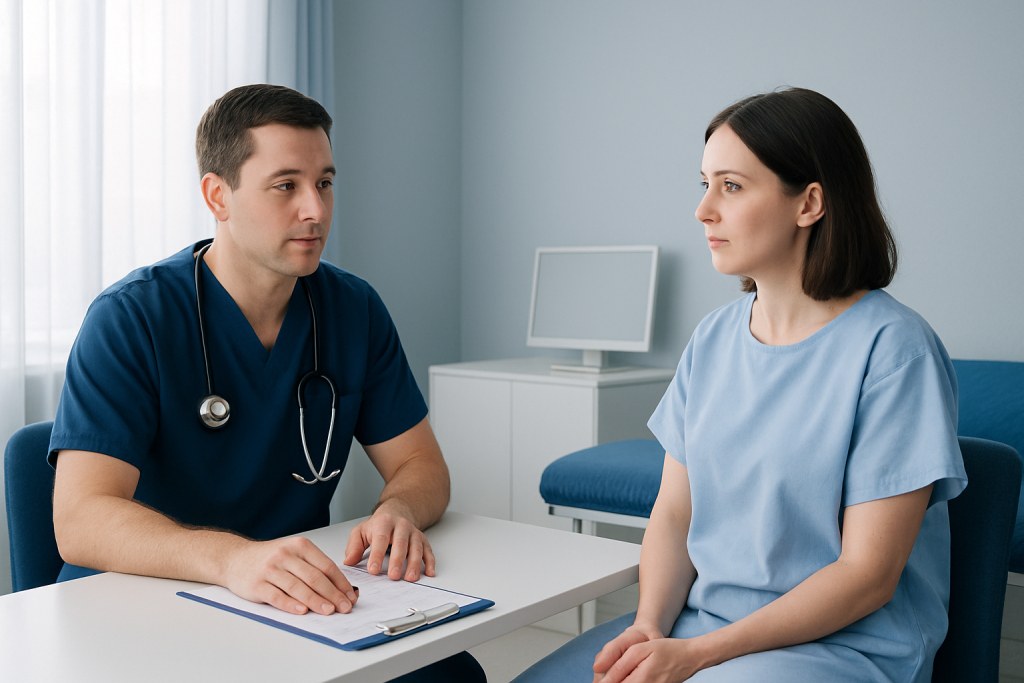
Before the procedure, the patient is usually asked not to eat or drink for a specified period. The team reviews current medicines, especially anticoagulants, antiplatelet medicines, diabetes treatments, and supplements. Patients should not stop prescribed medication on their own; the clinician will give specific instructions about whether and when a medicine needs to be adjusted.
In the procedure room, the patient lies on an examination table. Monitoring equipment checks blood pressure, pulse, oxygen level, and heart rhythm. The skin on the neck is cleaned and covered with sterile drapes. Local anaesthetic numbs the insertion site, and intravenous sedation is often given to promote comfort and relaxation.
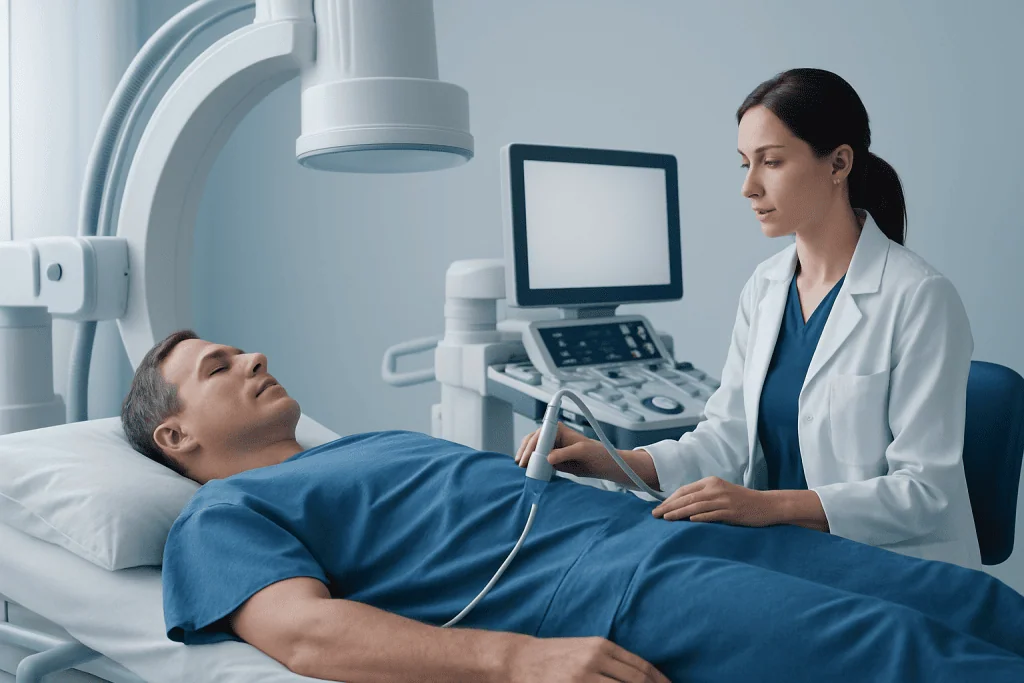
Using ultrasound and X-ray guidance, the radiologist places a small tube into the jugular vein. The catheter is carefully advanced through the veins toward the liver. Contrast dye may be used to outline the veins. When the catheter is in position, a specialized instrument collects one or more tiny tissue cores from within the liver vein. The team may measure hepatic venous pressure at this stage if it is clinically indicated.
After the sample is obtained, the catheter is removed and gentle pressure is applied to the neck site. No abdominal incision is required. The tissue is sent to a pathology laboratory, where it is processed and examined under a microscope. The procedure commonly takes about 30 to 60 minutes, although preparation and post-procedure observation make the visit longer.
Recovery Timeline and Aftercare
After a transjugular liver biopsy, the patient is monitored in a recovery area for several hours. Nurses check vital signs and the neck puncture site, and they ask about pain, dizziness, nausea, bleeding, or other symptoms. Depending on the sedation used, patients generally need a responsible adult to take them home and should not drive, operate machinery, drink alcohol, or make important decisions for the rest of the day.
Mild neck soreness, bruising, tiredness, or temporary discomfort are possible. Most people can eat and drink when advised by their care team and return to light daily activities the following day. Strenuous exercise, heavy lifting, and activities that could strain the neck are usually avoided for a short period; the exact timeframe should follow the discharge instructions.
Pathology results are not usually available immediately because the tissue needs careful preparation and review. The clinician may discuss preliminary timing before discharge, but final results often take several days to around one to two weeks, depending on the tests required. The result is interpreted together with symptoms, blood tests, scans, and medical history rather than in isolation.
For people travelling internationally, post-procedure plans should include sufficient time for observation, access to records, and clear follow-up arrangements. Acibadem International’s multidisciplinary specialists and JCI-accredited hospitals diagnose and treat liver conditions for international patients, with care coordinated between gastroenterology, hepatology, radiology, pathology, and other relevant teams.
Benefits, Limitations and Possible Risks
The principal benefit of a transjugular liver biopsy is that it offers a way to obtain tissue when direct needle access through the abdomen may involve greater bleeding risk. It also provides access for hepatic venous pressure measurements when needed. The procedure is image-guided, which helps the radiologist navigate the veins accurately.
Like all invasive procedures, it has potential risks. These can include pain or bruising at the neck site, bleeding, infection, irregular heart rhythm while the catheter is being advanced, contrast reaction, injury to blood vessels, or an unsuccessful or inadequate tissue sample. Serious complications are uncommon, but the team discusses individualized risks before consent.
A biopsy sample represents only a very small part of the liver. In some cases, the sample may be too small or may not fully reflect changes throughout the organ. If results are inconclusive, the clinician may recommend additional testing, repeat sampling, imaging, or monitoring over time. The benefits of obtaining a clearer diagnosis are balanced against these limitations and risks.
Liver disease management may include lifestyle measures, medication, surveillance, endoscopic procedures, or specialist transplant assessment depending on the diagnosis. A biopsy result helps the care team choose the next step; it is not, by itself, a diagnosis or treatment plan.
When to Seek Medical Care
Patients should contact their care team promptly after the procedure if they develop increasing neck swelling, persistent bleeding from the puncture site, worsening pain, fever, chills, vomiting, fainting, chest pain, shortness of breath, or a new rapid or irregular heartbeat. These symptoms do not always mean a serious complication, but they need timely medical assessment.
Emergency care is appropriate for severe bleeding, difficulty breathing, loss of consciousness, severe chest pain, or symptoms that are sudden or rapidly worsening. Patients should follow the discharge contact details provided by their own treatment team, as recommendations may differ according to their medical condition and the medicines they use.
Before the biopsy, it is important to tell the team about pregnancy, possible pregnancy, allergies, implanted medical devices, kidney problems, infections, and all prescription or non-prescription medicines. Clear communication helps the team prepare safely and reduce avoidable risks.
Frequently asked questions
How long does it take to recover from a transjugular liver biopsy?
Most people are observed for several hours after the procedure and can usually go home the same day if they are stable. Light activities are often possible the next day, while strenuous activity and heavy lifting may need to be avoided briefly. Recovery guidance varies according to sedation, medical conditions, and the treating team's instructions.
How long should I bed rest after a liver biopsy?
After a transjugular liver biopsy, patients generally rest in a monitored recovery area for a few hours rather than needing prolonged bed rest. The exact time depends on the procedure, sedation, vital signs, and any symptoms. The healthcare team will confirm when it is safe to sit up, walk, eat, and go home.
What is the success rate of transjugular liver biopsy?
Transjugular liver biopsy is generally a well-established technique that can obtain a diagnostic tissue sample in most appropriately selected patients. However, success can depend on vein anatomy, the underlying liver condition, sample size, and whether the specimen contains enough tissue for the required testing. Occasionally, a sample is insufficient and further testing or repeat biopsy may be advised.
Are you put to sleep for a transjugular liver biopsy?
Many patients receive local anaesthetic at the neck site along with intravenous sedation, which can make them relaxed and sleepy while still breathing independently. General anaesthesia is not routinely necessary, but it may be considered in selected circumstances. The anaesthesia or radiology team will explain the planned approach before the procedure.
Is a transjugular liver biopsy painful?
The neck is numbed with local anaesthetic, and sedation is commonly used to improve comfort. A patient may feel pressure at the insertion site or brief discomfort, but significant pain is not expected during the sampling itself. Mild soreness or bruising afterward can occur and should gradually improve.
Why is a transjugular liver biopsy chosen instead of a biopsy through the abdomen?
The transjugular route may be preferred when there is ascites, a higher risk of bleeding, or another reason that direct access through the abdominal wall is less suitable. It can also allow measurement of pressures in the liver veins during the same procedure. The best approach is chosen after reviewing the person's health status, imaging, blood tests, and diagnostic needs.
References
- American College of Radiology
- Society of Interventional Radiology
- National Institute of Diabetes and Digestive and Kidney Diseases
- British Society of Gastroenterology
- American Association for the Study of Liver Diseases
This article is for general information only and is not a substitute for professional medical advice. Please consult a qualified doctor about your individual situation.
Oncology care in Turkey — second opinion and treatment plan
JCI-accredited · board-certified surgeons · reply within 24h
Add us as a Preferred Source to see more of our trusted health content across Google Search, AI Overviews and Discover.
Check your numbers in seconds
BMI, calories, due date, blood pressure and 30+ more clinical calculators — free, instant, doctor-reviewed ranges.