Treatment Erectile Dysfunction after Prostate Removal: Procedure, Recovery and Results

Erectile dysfunction is common after radical prostatectomy, especially in the early months of recovery. Nerve-sparing surgery can improve the chance of natural erection recovery, but recovery may take many months or longer.
Key Takeaways
- Erectile dysfunction is common after radical prostatectomy, especially in the early months of recovery.
- Nerve-sparing surgery can improve the chance of natural erection recovery, but recovery may take many months or longer.
- Penile rehabilitation aims to support blood flow, tissue health and sexual confidence while nerves recover.
- PDE5 inhibitor tablets, vacuum devices and injections may help even when spontaneous erections have not returned.
- A penile implant can provide a dependable surgical option when non-surgical treatments are unsuccessful or unsuitable.
- New pain, fever, wound concerns, urinary difficulties or significant emotional distress should be discussed with a clinician promptly.
Treatment erectile dysfunction after prostate removal is individualized and may involve oral medicines, vacuum erection devices, penile injections, urethral medication, penile implants and sexual counseling. Recovery depends largely on whether erectile nerves were preserved, baseline sexual function, age, healing and other health conditions.
Overview: treatment erectile dysfunction after prostate removal
Treatment erectile dysfunction after prostate removal usually begins with an assessment of the type of prostate surgery performed, whether erectile nerves were spared, and the person’s sexual function before surgery. Erectile dysfunction (ED) is a frequent effect of radical prostatectomy because the nerves and blood vessels needed for erections lie close to the prostate. It is not a sign that the surgery has failed, and there are several evidence-based ways to support sexual recovery.
Care may include oral PDE5 inhibitor medicines, a vacuum erection device, penile injections, intraurethral medication, counseling and, for selected patients, penile implant surgery. A clinician may describe early treatment as penile rehabilitation: a planned approach intended to encourage erections or penile blood flow during nerve recovery. The best option depends on medical history, recovery goals, comfort with each method and whether treatment for prostate cancer is ongoing.
It can be helpful for patients and partners to discuss expectations early. Erections sufficient for penetration may recover gradually rather than all at once, and orgasm can still be possible even if erections are weaker or require treatment. However, orgasm after prostate removal is typically dry because the prostate and seminal vesicles no longer produce most of the fluid in semen.
Can you still get an erection after prostate removal?
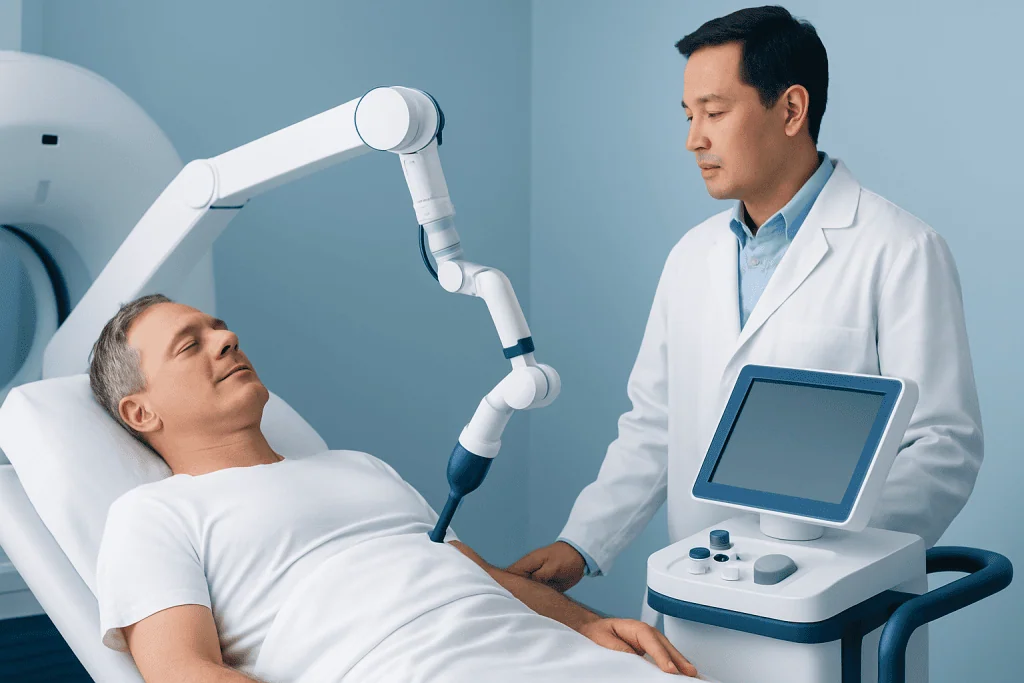
Yes. Many men can still have erections after prostate removal, although the timing and degree of recovery vary widely. The likelihood is generally higher when a nerve-sparing radical prostatectomy is possible, when erectile function was good before surgery and when there are fewer conditions that affect blood vessels or nerves, such as diabetes, smoking-related vascular disease or severe heart disease.
The erection nerves may be temporarily bruised, stretched or affected by inflammation even when they are preserved during surgery. Because nerves recover slowly, natural erections may take months to improve and may continue to change for up to two years or sometimes longer. During this period, treatment can make sexual activity possible and may help maintain penile tissue health.
Some people need ongoing assistance to achieve erections after surgery. This does not prevent intimacy or satisfying sexual activity, and a urologist or sexual-medicine specialist can help identify a practical, comfortable approach for the individual and their partner.
What happens to a man after his prostate is removed?
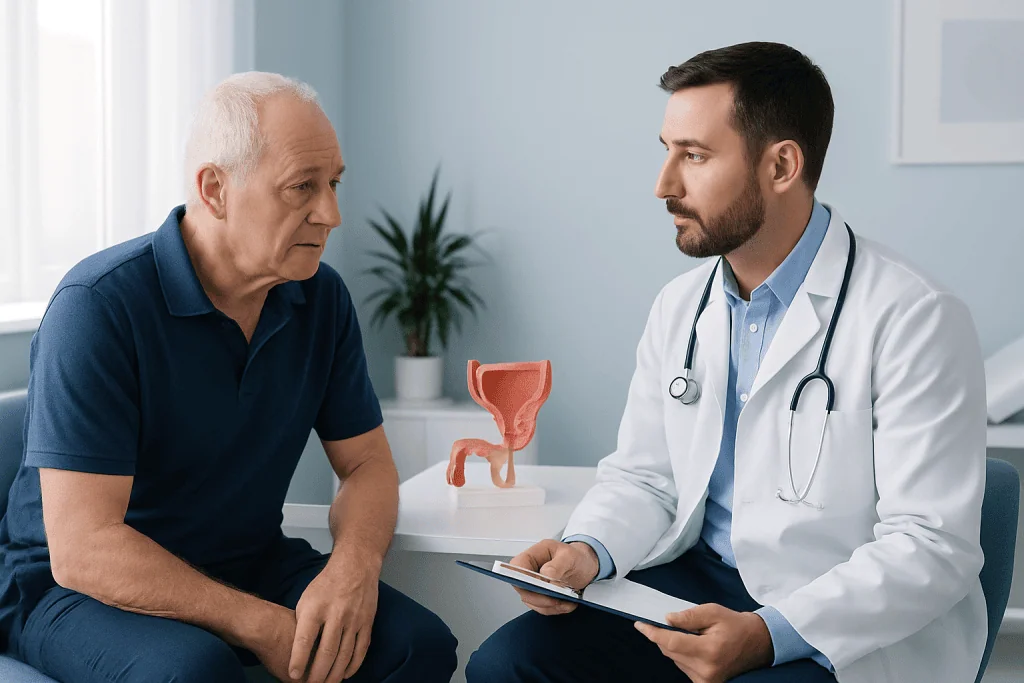
After radical prostatectomy, the body needs time to heal from the operation and adjust to changes in urinary and sexual function. In the short term, patients commonly have a urinary catheter and may experience fatigue, abdominal or pelvic discomfort, bowel changes related to anesthesia or pain medicines, and temporary limitations on activity. The care team gives individualized instructions about catheter care, wound care, walking, lifting and return to work or exercise.
The two longer-term concerns most often discussed are urinary incontinence and erectile dysfunction. Urinary control often improves over weeks to months, and pelvic floor muscle training may be recommended. Erectile recovery usually takes longer because it depends on nerve healing and blood flow. The operation also causes permanent infertility through intercourse because semen is no longer ejaculated, although the testicles still make sperm and testosterone.
Sexual sensation and the ability to orgasm may remain, but orgasm may feel different and occurs without ejaculation. A small number of people experience climacturia, which is urine leakage during orgasm, or penile curvature. These changes can be distressing, but they can often be addressed with pelvic floor therapy, medical treatment or specialist advice.
How treatment works and who may benefit
The aim of ED treatment after prostatectomy is to help a person obtain an erection suitable for their sexual goals while supporting recovery, confidence and relationship wellbeing. The choice is not necessarily permanent. Some patients use a vacuum device or injections early after surgery, then need less intensive treatment as natural erectile function returns. Others find a long-term method that works well for them.
Patients may be candidates for treatment once their surgical team confirms that healing is progressing appropriately and it is safe to resume sexual activity. A clinician will review cardiovascular health, medicines, urinary recovery, cancer treatment plans and personal preferences. For example, PDE5 inhibitor tablets may not be safe for people using nitrate medicines for chest pain, and injection treatments require teaching to reduce the risk of complications.
Care often works best when it is multidisciplinary. Urologists, pelvic floor physiotherapists, specialist nurses, psychologists or sex therapists, and oncology clinicians can each contribute when needed. Treatment decisions should be shared, with realistic discussion of expected benefits, effort required and possible side effects.
- Oral medicines: PDE5 inhibitors improve penile blood flow in response to sexual stimulation when nerve signaling is present.
- Vacuum erection devices: A cylinder and pump draw blood into the penis; a constriction ring may help maintain the erection for intercourse.
- Penile injections or urethral medication: These act locally and may work when tablets are ineffective.
- Penile implant: A surgically placed device can create a reliable erection for selected patients with persistent ED.
Does Viagra work after non-nerve-sparing prostatectomy?
Viagra, also called sildenafil, may be less likely to work after a non-nerve-sparing prostatectomy because PDE5 inhibitor medicines rely partly on intact nerve pathways to trigger the erectile response. When both erectile nerve bundles have been removed, the response to tablets alone is often limited, especially soon after surgery. However, individual results differ, and a clinician may still consider a supervised trial based on the patient’s overall situation.
Other treatments can be effective when tablets do not provide adequate erections. Vacuum erection devices work through a mechanical process, while penile injections and intraurethral medication act directly on erectile tissue and may not depend on the same nerve signaling. These options should be prescribed or demonstrated by an experienced clinician so that use is safe and technique is correct.
For persistent ED that does not respond to non-surgical methods, a penile implant may be discussed. It is usually considered only after healing is complete and after a careful conversation about surgery, recovery, device use and potential complications. Treatment should never be started without reviewing medication interactions and cardiovascular safety.
A practical pathway: assessment, treatment and recovery
The first step is a focused review with the surgical or urology team. This includes the surgical pathology and operative approach, nerve-sparing status, current urinary symptoms, medications, medical conditions and the person’s preoperative erectile function. The clinician may also ask about libido, mood, partner concerns and goals for sexual activity, because these factors can influence treatment choices and satisfaction.
Penile rehabilitation plans vary. Some clinicians recommend beginning a vacuum device or prescribed erection treatment relatively early after surgery, while others tailor timing to healing, continence and readiness. The purpose is not to promise a return to pre-surgery function; rather, it is to provide a structured opportunity to maintain penile blood flow and allow sexual activity while nerve recovery is still underway.
Recovery should be reviewed regularly. If one treatment is ineffective, causes unacceptable side effects or feels too burdensome, another can be tried. Pelvic floor rehabilitation may help urinary control and can sometimes support sexual confidence. Counseling or sex therapy can be particularly valuable when anxiety, altered body image, grief about cancer treatment or relationship strain affects intimacy.
Acibadem International’s multidisciplinary specialists and JCI-accredited hospitals provide assessment and treatment planning for international patients managing sexual recovery after prostate surgery.
Do you lose length after prostate surgery?
Some men notice a temporary or lasting reduction in visible penile length after radical prostatectomy. This can happen for several reasons, including postoperative tissue changes, changes in the position of the bladder and urethra after the prostate is removed, reduced erections during recovery, weight changes and scar tissue. The degree of change is variable, and not everyone notices a difference.
Regular erections or penile blood-flow therapies may be recommended as part of rehabilitation, although results differ and no approach can guarantee prevention of shortening. A vacuum erection device may be used for rehabilitation in selected patients, with instructions from a clinician about safe frequency and use. It should not cause pain, bruising or numbness; these symptoms warrant medical advice.
If curvature, pain during erections or substantial change in penile shape develops, it is important to tell a urologist. These symptoms may indicate scar tissue or another treatable concern. Open discussion can be difficult, but it allows the care team to offer appropriate evaluation and support.
Benefits, risks and when to seek medical care
The main benefit of ED treatment is the possibility of improved erections, sexual activity and confidence during or after recovery from prostate cancer surgery. Treatments differ in convenience and speed. Tablets are non-invasive but may not work when nerve injury is significant; vacuum devices avoid systemic medication but require preparation; injections can be highly effective but require training; and implants can provide a durable solution but involve surgery.
Possible risks also differ by treatment. PDE5 inhibitors may cause headache, flushing, nasal congestion, indigestion or dizziness. Vacuum devices can cause temporary bruising, coolness or discomfort. Injection therapy can cause pain, bruising, scarring or a prolonged erection, which requires urgent medical care. Implant surgery carries risks such as infection, mechanical problems and the need for future revision.
Patients should seek prompt medical advice for fever, worsening wound redness or drainage, severe swelling, inability to urinate, chest pain, fainting, or an erection lasting more than four hours. A non-urgent appointment is appropriate for persistent ED, new penile curvature, urinary leakage that is not improving, low mood, anxiety or concerns about intimacy. These issues are common after prostatectomy and deserve attentive, respectful care.
Frequently asked questions
How long does erectile dysfunction last after prostate removal?
Erectile function often improves gradually rather than quickly after radical prostatectomy. Some men notice improvement within months, while others need one to two years or longer for their best recovery. The timeline depends on nerve preservation, age, baseline erections, other health conditions and the treatment used during recovery.
When can sexual activity resume after prostatectomy?
The timing should be confirmed with the surgical team because it depends on healing, catheter removal, urinary symptoms and the type of surgery performed. Many patients are advised to wait several weeks before resuming sexual activity. Sexual activity does not need to mean intercourse; intimacy can resume gradually when the person feels physically and emotionally ready.
Can erectile dysfunction treatment start before natural erections return?
Yes. Clinicians may recommend early erectile rehabilitation after surgery, depending on the person’s healing and medical history. This can include prescribed medication, a vacuum erection device or other approaches to encourage penile blood flow while nerves recover.
Will orgasm feel the same after prostate removal?
Many men can still experience orgasm after prostate removal, but it is usually dry because semen is no longer ejaculated. Sensation and intensity may change, particularly during the early recovery period. Some people also experience urine leakage at orgasm, which can be discussed with a urologist or pelvic floor therapist.
Are penile injections safe after prostate surgery?
Penile injections can be a safe and effective option when prescribed and taught by an experienced clinician. Correct technique and dose selection are important to lower the risk of pain, bruising, scarring and prolonged erection. An erection lasting more than four hours requires urgent medical care.
Is a penile implant only a last resort?
A penile implant is generally considered when tablets, devices or injections have not worked well, are unsuitable or are not preferred. It is a surgical treatment that can provide a dependable erection when activated. A urologist will explain the expected benefits, risks, recovery process and alternatives before it is chosen.
References
- American Urological Association
- European Association of Urology
- National Cancer Institute
- National Health Service
- Mayo Clinic
This article is for general information only and is not a substitute for professional medical advice. Please consult a qualified doctor about your individual situation.
Erectile Dysfunction in Turkey — costs, top hospitals & a free quote
JCI-accredited · board-certified surgeons · reply within 24h
Add us as a Preferred Source to see more of our trusted health content across Google Search, AI Overviews and Discover.

Urology
Treatment of the urinary system and male reproductive health, including robotic and laser procedures.
63 specialists in this unitMore from the Health Library



Related Specialists

Dr. Mazlum Batu
Emergency Service
Assoc. Prof. Dr. Mehmet Ferdi Kıncı
Gynecology & Obstetrics
Prof. Dr. Kutsal Turhan
Thoracic Surgery
Dr. Leila Mohammadi
Emergency Service