Treatment for Blood Diseases: How It Works, Results and What to Expect

Blood diseases include non-cancerous disorders, such as anemia and clotting disorders, as well as blood cancers such as leukemia and lymphoma. A hematologist uses blood tests, medical history, physical examination and sometimes bone marrow testing to identify the condition and guide treatment.
Key Takeaways
- Blood diseases include non-cancerous disorders, such as anemia and clotting disorders, as well as blood cancers such as leukemia and lymphoma.
- A hematologist uses blood tests, medical history, physical examination and sometimes bone marrow testing to identify the condition and guide treatment.
- Not every blood disorder needs intensive treatment; some can be monitored safely, while others need prompt specialist care.
- Modern treatments can control many blood diseases effectively, and some conditions can be cured or placed into long-term remission.
- Follow-up blood tests are an important part of treatment because they show how the condition and treatment are progressing.
Treatment for blood diseases is individualized according to the specific condition, its severity, genetic features, symptoms and a person’s overall health. Care may range from regular monitoring and nutritional treatment to medicines, transfusions, cancer therapies and stem cell transplantation.
Treatment for Blood Diseases: An Individualized Plan
Treatment for blood diseases works by addressing the underlying problem in the blood, bone marrow, immune system or clotting system. Depending on the diagnosis, this may mean replacing a missing nutrient, reducing abnormal inflammation, preventing blood clots, supporting healthy blood-cell production, destroying cancer cells or replacing diseased bone marrow with healthy stem cells.
Blood diseases are a broad group of conditions. Some are mild and manageable over time, while others require urgent evaluation or specialist treatment. A hematologist is the doctor who diagnoses and treats many of these disorders, often working with oncologists, pathologists, transfusion specialists, genetic counselors, infectious disease specialists and other clinicians when needed.
The most suitable approach is based on the exact diagnosis, laboratory findings, symptoms, disease stage or risk category, age, other health conditions and personal preferences. A treatment plan should be reviewed regularly, as blood counts and treatment needs can change over time.
Five Common Blood Diseases and Their Treatment Goals
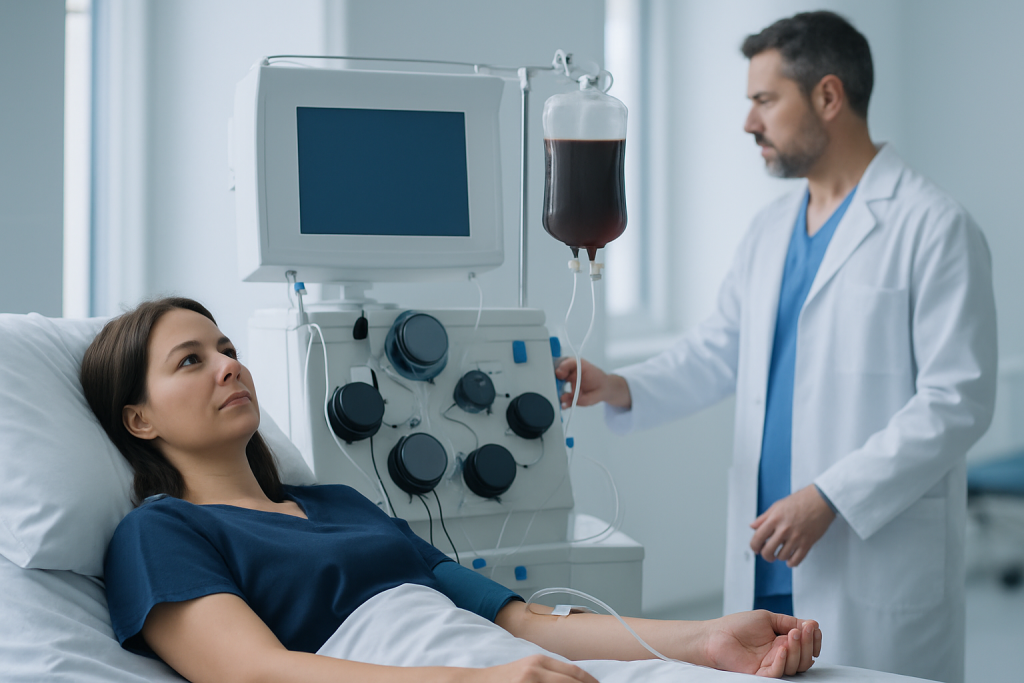
Five common blood diseases are anemia, sickle cell disease, hemophilia, leukemia and lymphoma. These conditions differ significantly: anemia involves too few healthy red blood cells or too little hemoglobin; sickle cell disease is an inherited red-cell disorder; hemophilia affects blood clotting; and leukemia and lymphoma are cancers affecting blood-forming tissues or lymphatic cells.
Anemia treatment may involve improving nutrition, treating blood loss, managing a chronic condition or using medicines that support red blood-cell production. Sickle cell disease may be managed with preventive care, pain management, medicines, transfusions and, for selected people, potentially curative stem cell-based treatment. Hemophilia care focuses on preventing and treating bleeding episodes with clotting-factor replacement or other medicines.
Leukemia and lymphoma treatment can include active monitoring, chemotherapy, immunotherapy, targeted therapy, radiation therapy in selected cases, cellular therapy or stem cell transplantation. Related conditions such as anemia and inherited bleeding disorders require diagnosis-specific care rather than a single treatment for all patients.
- Anemia: low red blood cells or hemoglobin.
- Sickle cell disease: inherited abnormal hemoglobin affecting red blood cells.
- Hemophilia: inherited difficulty forming blood clots.
- Leukemia: cancer of blood-forming cells, commonly in bone marrow.
- Lymphoma: cancer of lymphocytes, a type of white blood cell.
How Treatment Works and Who May Need It

Treatment targets the mechanism causing the blood disorder. For example, iron deficiency anemia may improve when the deficiency and its cause are addressed. Immune-related conditions may respond to medicines that reduce harmful immune activity. Anticoagulant treatment may lower the risk of dangerous clot formation for people with certain clotting conditions. Cancer therapies aim to eliminate or control malignant cells while allowing normal blood formation to recover.
Some people are candidates for active monitoring rather than immediate treatment. This is often appropriate when a condition is stable, symptoms are absent and early intervention is not expected to improve outcomes. Monitoring is active care: it includes scheduled blood tests, clinical reviews and clear instructions about symptoms that should be reported.
More intensive treatment may be considered when blood counts are very low or high, symptoms affect daily life, bleeding or clotting risk is substantial, an organ is affected, or testing shows a blood cancer that needs therapy. Stem cell transplantation may be considered for selected severe inherited disorders, bone marrow failure syndromes or certain blood cancers. It uses healthy blood-forming stem cells to rebuild bone marrow after preparative treatment and is assessed carefully because it carries meaningful risks.
Diagnosis and the Step-by-Step Treatment Process
Assessment usually begins with a medical history, physical examination and a complete blood count. This test measures red blood cells, white blood cells, hemoglobin, platelets and related features. Other tests may assess iron, vitamin levels, inflammation, clotting function, infection, immune activity or inherited genetic changes. A blood smear allows specialists to examine blood-cell appearance under a microscope.
When a bone marrow disorder or blood cancer is suspected, a bone marrow aspiration and biopsy may be recommended. During this procedure, samples are commonly taken from the back of the pelvic bone using local anesthetic. The laboratory examines the marrow cells and may perform chromosome, molecular and flow-cytometry tests to clarify the diagnosis and help select treatment.
After results are reviewed, the care team explains the diagnosis, treatment purpose and alternatives. The next steps may include prescriptions, transfusion planning, infusion appointments, chemotherapy cycles, referral for radiotherapy, transplant assessment or watchful waiting. Before certain treatments, clinicians may arrange vaccination review, heart or lung testing, fertility counseling, infection screening and supportive care planning.
For selected cancers and marrow disorders, bone marrow transplantation may be part of the treatment pathway. The transplant team evaluates disease status, donor options, overall fitness and the likely balance of benefits and risks before recommending this complex procedure.
Benefits, Risks and Recovery Timeline
The potential benefits of treatment include improved energy, fewer bleeding or clotting complications, reduced infection risk, better blood counts, symptom control and, for some cancers or inherited disorders, remission or cure. Benefits vary by condition and treatment type. A doctor can explain what response is realistic and how it will be measured, such as improving blood counts, reduced transfusion needs, imaging findings or bone marrow results.
Risks also depend on the treatment. Iron treatment may cause digestive effects in some people. Transfusions can occasionally cause reactions and are carefully matched and monitored. Medicines that suppress the immune system may increase infection risk. Chemotherapy, targeted therapy and immunotherapy can cause fatigue, nausea, low blood counts, infections or other treatment-specific effects. Stem cell transplantation can involve prolonged low immunity, infection, organ complications and graft-versus-host disease when donor cells are used.
Recovery may be brief after a simple outpatient treatment, such as a blood test or infusion, or it may take weeks to months after intensive cancer treatment. Following a stem cell transplant, immune recovery often takes many months and requires close follow-up. People should ask their care team about work, school, travel, diet, infection precautions, activity and fertility concerns based on their own treatment plan.
Supportive care is part of recovery. It may include anti-nausea medicines, antibiotics when indicated, transfusions, nutrition advice, physical activity guidance, emotional support and rehabilitation. Reporting new symptoms early helps the team manage side effects promptly and safely.
Are Blood Diseases Curable?
Some blood diseases are curable, while others are best understood as long-term conditions that can be controlled or managed. Iron deficiency anemia may resolve when iron levels are restored and the cause of deficiency, such as dietary insufficiency or blood loss, is treated. Some inherited and acquired conditions may be improved substantially with specialized treatment, although ongoing follow-up can still be necessary.
For blood cancers, cure depends on the exact disease subtype, its genetic features, stage or risk group, response to treatment and the person’s general health. Certain leukemias and lymphomas can be cured, and others can remain in remission for long periods. A remission means there is no detectable evidence of active disease by available testing; it does not always mean that future monitoring is unnecessary.
It is helpful to ask the hematology team whether the goal of care is cure, long-term remission, disease control, prevention of complications or symptom relief. These goals can differ between conditions and may change as new test results become available.
What Are the Early Signs of Leukemia in Blood Work?
Early signs of leukemia in blood work can include unusually high or low white blood-cell counts, anemia, low platelet counts or the presence of immature cells called blasts in the bloodstream. However, these findings are not specific to leukemia. Infection, medicines, nutritional deficiencies, autoimmune conditions and other bone marrow disorders can also alter blood counts.
A complete blood count may therefore raise concern but cannot confirm leukemia on its own. If results are abnormal, a clinician may repeat the test, review a blood smear and arrange further testing. Bone marrow examination, flow cytometry and genetic or molecular testing are often used to establish the precise diagnosis.
Some people with leukemia have few symptoms at first, while others may notice persistent fatigue, frequent infections, unexplained bruising or bleeding, fever, night sweats, bone discomfort or unintended weight loss. These symptoms are common in many non-cancerous conditions as well, so they should be assessed rather than assumed to have one cause.
Is Blood Cancer 100% Curable?
No blood cancer can be described as 100% curable for every person. Outcomes vary widely among leukemia, lymphoma, multiple myeloma and other blood cancers, as well as among subtypes within each diagnosis. Age, disease biology, extent of disease, treatment response and access to appropriate follow-up all influence outlook.
Many blood cancers respond very well to treatment, and some can be cured. Others may behave as chronic illnesses that can be controlled for years with treatment and monitoring. Advances in targeted medicines, immunotherapies, cellular therapies and transplantation continue to expand options for eligible patients.
Clear communication with the treatment team is important. Patients can ask about the subtype, treatment aim, expected response, side effects, signs of relapse and the monitoring plan after treatment. Individual prognostic discussions should be based on the person’s own test results rather than general online information.
When to Seek Medical Care
A person should arrange medical assessment for persistent tiredness, unexplained paleness, repeated infections, easy bruising, prolonged bleeding, frequent nosebleeds, new swollen lymph nodes, unexplained fever, drenching night sweats or unintentional weight loss. These symptoms often have causes other than a serious blood disease, but a medical review and basic blood tests can help identify the reason.
Urgent medical care is important for severe or uncontrolled bleeding, chest pain, sudden shortness of breath, coughing blood, a painful swollen leg, fainting, confusion, severe weakness, a high fever in someone receiving chemotherapy or signs of a serious allergic reaction during treatment. People taking blood-thinning medication should seek prompt advice after a significant injury or head impact, even if they initially feel well.
Acibadem International’s multidisciplinary specialists and JCI-accredited hospitals diagnose and treat blood disorders for international patients, with care plans guided by hematology assessment and appropriate laboratory testing. Ongoing follow-up with a qualified doctor remains essential for anyone being evaluated or treated for a blood disease.
Frequently asked questions
What is the first treatment step for a suspected blood disease?
The first step is usually a clinical evaluation and blood testing, often including a complete blood count. Further tests are chosen based on the results and may include nutrient studies, clotting tests, a blood smear, genetic testing or bone marrow examination.
Can blood diseases be treated without chemotherapy?
Yes. Many blood diseases do not require chemotherapy. Treatment may involve nutrition support, medicines, transfusions, clotting-factor replacement, immune therapies, infection treatment or regular monitoring, depending on the diagnosis.
How long does treatment for a blood disease last?
Treatment duration varies greatly. A correctable deficiency may improve over weeks or months, while inherited disorders and some cancers require long-term treatment or follow-up. The clinician can provide a more specific timeline after the diagnosis and treatment response are known.
Do abnormal blood tests always mean blood cancer?
No. Abnormal blood counts are common and can result from infections, vitamin or mineral deficiencies, inflammation, medicines and many other non-cancerous conditions. Persistent or significant abnormalities should be evaluated by a doctor to identify the cause.
What should a person ask a hematologist?
Useful questions include what the diagnosis is, what may have caused it, whether treatment is needed now, and what benefits and side effects are expected. It is also reasonable to ask how often blood tests will be needed and which symptoms require urgent contact.
Can lifestyle changes help blood disease treatment?
Lifestyle measures can support overall health but do not replace medical treatment for a diagnosed blood disorder. Balanced nutrition, avoiding smoking, keeping appointments, taking medicines as prescribed and discussing supplements with a clinician can be helpful; people should not start iron or herbal products without advice.
References
- World Health Organization
- American Society of Hematology
- National Cancer Institute
- National Heart, Lung, and Blood Institute
- European Hematology Association
This article is for general information only and is not a substitute for professional medical advice. Please consult a qualified doctor about your individual situation.
Oncology care in Turkey — second opinion and treatment plan
JCI-accredited · board-certified surgeons · reply within 24h
Add us as a Preferred Source to see more of our trusted health content across Google Search, AI Overviews and Discover.