Treatment for Calf Muscle Cramps: How It Works, Results and What to Expect

A calf cramp is a sudden, involuntary and painful tightening of calf muscle fibers. Gentle stretching and walking after the pain eases can often relieve an active cramp.
Key Takeaways
- A calf cramp is a sudden, involuntary and painful tightening of calf muscle fibers.
- Gentle stretching and walking after the pain eases can often relieve an active cramp.
- Frequent cramps are not always caused by dehydration or low minerals; medicines, nerve conditions, circulation problems and pregnancy can contribute.
- Medical treatment focuses on finding and managing the cause rather than routinely prescribing a cramp-specific medicine.
- Urgent assessment is important for calf swelling, redness, warmth, persistent pain, weakness, chest pain or shortness of breath.
Treatment for calf muscle cramps usually starts with gently stretching the calf, resting briefly, and addressing triggers such as muscle overuse, dehydration, medications, or an underlying health condition. Most cramps settle within minutes, but frequent, severe, or unexplained episodes deserve medical assessment to identify the most appropriate long-term plan.
Overview: How Treatment for Calf Muscle Cramps Works
Treatment for calf muscle cramps aims to relieve the immediate muscle spasm, reduce the chance of recurrence, and identify a cause when cramps are frequent or disruptive. A cramp is a sudden, involuntary contraction of a muscle. In the calf, it can create intense tightness and pain, often during exercise, at night, or after remaining in one position for a long time.
For a single cramp, slow stretching is usually the most useful first step. Straightening the knee and gently pulling the toes toward the shin lengthens the calf muscle. Once the spasm releases, light walking and gentle massage may help the muscle relax. Heat may feel soothing after activity, while a cold pack can be useful later if soreness develops.
There is no single procedure that is needed for most calf cramps. Instead, a clinician tailors care to the likely trigger. This may include reviewing exercise habits, fluid intake, footwear, medicines, blood tests when indicated, physical therapy, or treatment for conditions affecting nerves, muscles, circulation, kidneys, or hormones.
What Actually Happens When You Get a Calf Cramp?
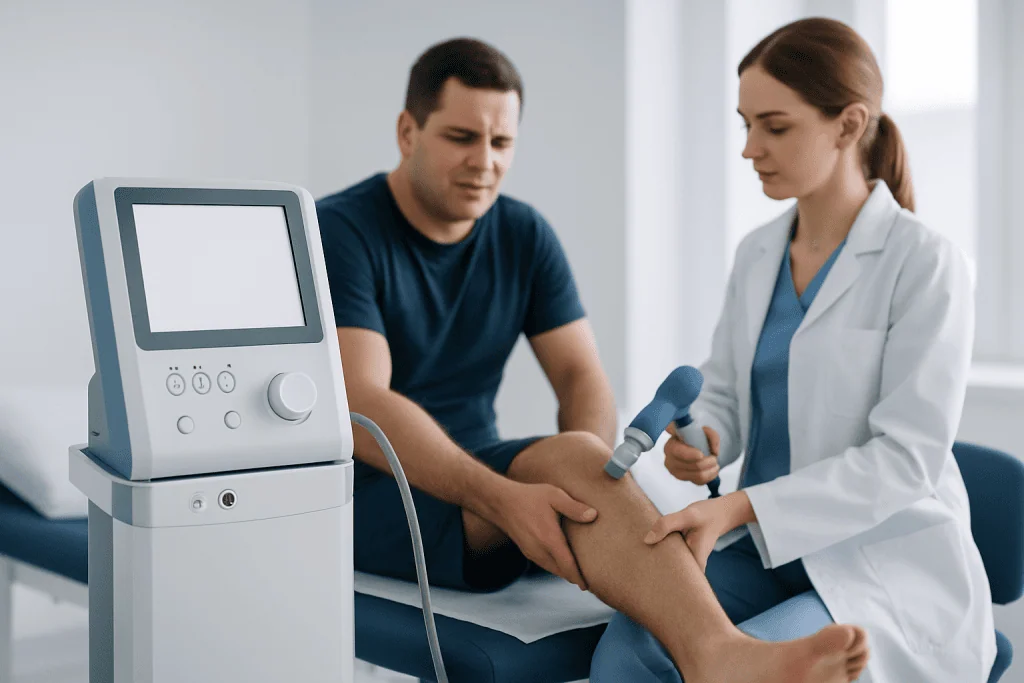
During a calf cramp, muscle fibers contract forcefully and do not relax normally for a short period. The affected calf may feel hard, knotted, or visibly tightened. The pain can be sharp and may make it difficult to move the foot or bear weight until the contraction eases.
Muscles rely on coordinated signals from nerves and on a balanced internal environment to contract and relax. Fatigue, prolonged positioning, exercise, and changes in nerve signaling can make a muscle more excitable. However, many nighttime cramps occur without a clear trigger, particularly in older adults.
After the cramp stops, the muscle can remain tender, tired, or tight for hours and occasionally for a day or two. This lingering discomfort is usually related to the forceful contraction itself. Persistent pain, new swelling, warmth, or skin color change is not typical of a simple cramp and should be assessed.
Who May Need Assessment and How Clinicians Identify the Cause

Occasional cramps that improve with stretching generally do not require extensive testing. Assessment is more useful when cramps happen often, interrupt sleep, are severe, begin after a new medicine, occur with exercise in a predictable pattern, or are accompanied by weakness, numbness, swelling, or other symptoms.
A clinician usually begins by asking when cramps occur, which muscles are affected, how long they last, and what helps. They may review activity level, alcohol use, fluid losses from vomiting or diarrhea, pregnancy, long periods of immobility, and current medicines. Some medicines, including certain diuretics and cholesterol-lowering medicines, may contribute in some people, but they should never be stopped without medical advice.
The examination may include checking muscle strength, reflexes, sensation, pulses, joint movement, and signs of vein or artery problems. Blood tests may be considered if there are symptoms suggesting electrolyte, kidney, thyroid, blood sugar, or other medical concerns. Imaging or nerve testing is not routinely needed, but may be appropriate when another condition is suspected.
Step-by-Step: What to Do During an Active Calf Cramp
When a cramp starts, the goal is to lengthen the contracted muscle slowly rather than force it. Sit or stand safely, straighten the affected leg if possible, and draw the front of the foot and toes toward the shin. Holding this gentle stretch for several seconds and repeating it can help the muscle release.
After the acute pain improves, walking slowly or placing the foot flat on the floor may help. Gentle calf massage can be comfortable for some people. Avoid bouncing, forceful stretching, or returning immediately to strenuous exercise, as these may worsen post-cramp soreness.
If cramps occur after exercise, recovery should include a gradual cool-down and replacing fluids according to thirst and activity conditions. For people who sweat heavily during prolonged activity, a clinician or dietitian can advise whether an oral rehydration or electrolyte drink is appropriate. Routine use of supplements is not recommended unless a deficiency or other indication is identified.
- Stop activity and move to a safe position.
- Gently pull the toes toward the shin while keeping the knee straight when possible.
- Walk lightly once the spasm releases.
- Use warmth for tightness or a cold pack for later soreness, with a cloth barrier to protect the skin.
Treatment Plan, Benefits, Risks and Recovery Timeline
For recurrent cramps, treatment often combines regular calf stretching, a review of training load, attention to comfortable footwear, and management of contributing medical issues. A physiotherapist may provide individualized stretching, strengthening, gait, and activity guidance when cramps are related to overuse, reduced flexibility, or musculoskeletal mechanics.
The main benefit of this approach is that it addresses modifiable contributors without exposing most people to unnecessary medicines. Prescribed treatment may be considered when an identified condition is contributing, such as diabetes, thyroid disease, kidney disease, nerve problems, or peripheral artery disease. Medication choices depend on the individual cause and overall health.
Medicines marketed or used for cramps are not suitable for everyone, and some have important side effects or interactions. Quinine, for example, is generally avoided for routine leg cramps in many settings because of potentially serious adverse effects. Magnesium may help people with a documented low level or certain clinical circumstances, but it does not reliably prevent typical idiopathic nighttime cramps for everyone.
A cramp itself usually resolves in seconds to minutes. Mild residual soreness commonly improves within 24 to 48 hours with gentle movement and rest from provoking activity. Recovery may take longer after a severe cramp or repeated episodes. If pain does not improve, a clinician can check for muscle strain or another cause.
How Long Does It Take for a Calf Cramp to Fully Heal?
The intense contraction of a calf cramp usually ends within a few minutes, often sooner with gentle stretching. The muscle may remain tender, stiff, or fatigued afterward because it has contracted strongly. Most people feel back to normal within one or two days.
Healing time can be longer if a cramp occurred during strenuous exercise, if it led to a muscle strain, or if cramps recur before the muscle has recovered. Gradual return to usual activity, gentle range-of-motion exercises, and avoiding sudden increases in training can support recovery.
Persistent focal pain, bruising, weakness, difficulty walking, or pain that began with a sudden pop may indicate an injury rather than a simple cramp. Medical evaluation can clarify the cause and guide safe recovery.
What Is the Best Drink to Stop Leg Cramps?
There is no one best drink that reliably stops all leg cramps. For most people, drinking water regularly and responding to thirst is appropriate. If a person has had heavy sweating, prolonged exercise, vomiting, or diarrhea, an oral rehydration drink may be helpful because it contains fluids and electrolytes.
Sports drinks are not necessary for ordinary daily activity and may contain substantial sugar. They are most relevant to prolonged or intense exercise, particularly in hot conditions. A healthcare professional can help determine whether electrolyte replacement is appropriate for people with kidney, heart, or blood pressure conditions, who may need individualized fluid advice.
Drinking a fluid during a cramp may be reasonable if the person is thirsty, but it is unlikely to release the spasm as quickly as stretching. The most direct action during an active cramp remains gentle lengthening of the calf muscle.
What Is the Body Lacking When You Have Leg Cramps?
Leg cramps do not automatically mean the body lacks magnesium, potassium, calcium, salt, or water. Although dehydration and electrolyte disturbances can contribute in some situations, especially during illness or prolonged sweating, many people with cramps have normal blood tests and no nutritional deficiency.
Other contributors can include muscle fatigue, prolonged sitting or standing, pregnancy, aging, nerve irritation, circulation disorders, and certain medicines. Because self-prescribed mineral supplements can interact with medicines or be unsafe in some kidney and heart conditions, they should be discussed with a qualified clinician when cramps are frequent.
A balanced diet that includes fruits, vegetables, whole grains, protein foods, and calcium-rich foods where suitable helps support general muscle function. However, supplements should be based on a confirmed need rather than assumed to be a universal treatment for cramps.
Prevention, Self-Care and When to Seek Medical Care
Prevention is often most effective when it is consistent. Gentle calf stretching before bed may reduce nighttime cramps for some people. During exercise, increasing intensity gradually, taking rest days, wearing supportive footwear, and maintaining adequate fluid intake can reduce muscle overload. People who sit for long periods may benefit from regular movement breaks and ankle movements.
Keep a brief symptom record if cramps are recurring. Note the time of day, duration, activity, foods or fluids, medicines, and associated symptoms. This information can help a clinician identify patterns and decide whether further evaluation is needed.
Seek urgent medical care for calf pain with one-sided swelling, redness, warmth, tenderness, or sudden shortness of breath or chest pain, as these symptoms need prompt assessment. Medical advice is also important for cramps associated with weakness, numbness, fever, severe ongoing pain, dark urine, new difficulty walking, or symptoms that repeatedly disturb sleep.
Acibadem International’s multidisciplinary specialists and JCI-accredited hospitals can assess recurrent muscle cramps and related nerve, vascular, metabolic, and musculoskeletal concerns for international patients.
Frequently asked questions
Can calf cramps be a sign of a blood clot?
A simple calf cramp usually comes and goes quickly and does not cause ongoing swelling or skin changes. However, one-sided calf pain with swelling, warmth, redness, or tenderness may be caused by a blood clot and needs urgent medical assessment. Sudden chest pain or shortness of breath requires emergency care.
Should a person stretch a calf cramp or massage it?
Gentle stretching is usually the preferred first action because it lengthens the cramped muscle. Once the spasm begins to release, light massage and short, easy walking may be soothing. Forceful massage or aggressive stretching should be avoided, especially if there is swelling or suspected injury.
Are nighttime calf cramps common?
Yes. Nighttime leg cramps are common and may happen without an obvious cause. They can be more frequent with age, pregnancy, muscle fatigue, certain medicines, or some medical conditions. Regular stretching and a clinical review for persistent symptoms may help.
Does magnesium stop calf cramps?
Magnesium can be useful when a person has a confirmed magnesium deficiency or a specific clinical reason to use it. It does not consistently prevent ordinary nighttime leg cramps in everyone. A clinician can advise whether testing or supplementation is appropriate.
Can dehydration cause calf cramps?
Dehydration can contribute to cramps, particularly after heavy sweating, fever, vomiting, diarrhea, or prolonged exercise. However, many cramps occur without dehydration. Regular fluid intake and replacing losses appropriately are sensible, but recurring cramps may have other causes.
When should recurrent calf cramps be checked by a doctor?
A doctor should assess cramps that are frequent, severe, worsening, disrupt sleep, begin after a medicine change, or occur with weakness, numbness, swelling, or changes in skin color. Assessment is also appropriate when home measures do not help. Identifying the underlying contributor can guide safer, more effective treatment.
References
- National Institute of Neurological Disorders and Stroke
- National Health Service
- Mayo Clinic
- Merck Manual Consumer Version
- American Academy of Family Physicians
This article is for general information only and is not a substitute for professional medical advice. Please consult a qualified doctor about your individual situation.
Explore treatments in Turkey — costs, top hospitals & a free quote
JCI-accredited · board-certified surgeons · reply within 24h
Add us as a Preferred Source to see more of our trusted health content across Google Search, AI Overviews and Discover.
Check your numbers in seconds
BMI, calories, due date, blood pressure and 30+ more clinical calculators — free, instant, doctor-reviewed ranges.

More from the Health Library



Related Specialists
Dr. Ferhat Erenler
Anesthesiology
Assoc. Prof. Dr. Bahadir Osman Bozkirli
General Surgery
Dr. Asiye Merve Erdoğan
Otorhinolaryngology
Dr. Funda Güneri
Dermatology