Treatment for Heat Exhaustion: How It Works, Results and What to Expect

Move to a cool place, rest, remove excess clothing and begin cooling as soon as heat exhaustion is suspected. Small, frequent sips of water or an oral rehydration drink can help if the person is awake and able to swallow safely.
Key Takeaways
- Move to a cool place, rest, remove excess clothing and begin cooling as soon as heat exhaustion is suspected.
- Small, frequent sips of water or an oral rehydration drink can help if the person is awake and able to swallow safely.
- Confusion, collapse, seizures, loss of consciousness, or very hot skin may indicate heat stroke and need emergency care.
- Recovery commonly takes hours to a few days, depending on severity, hydration, health conditions and repeat heat exposure.
- Returning to strenuous activity too soon can raise the risk of another heat-related illness.
Treatment for heat exhaustion works by promptly lowering body temperature, replacing fluids and electrolytes, and stopping further heat exposure. Most people improve with early care, but worsening symptoms or signs of heat stroke require emergency medical treatment.
Overview: how treatment for heat exhaustion works
Treatment for heat exhaustion begins immediately: the person should stop activity, get out of the heat, cool the body and replace lost fluids. These measures reduce heat strain and dehydration before the condition progresses. When treatment starts early and symptoms improve steadily, many people recover without hospital care.
Heat exhaustion is a heat-related illness that can happen after prolonged activity or time in a hot environment, especially when fluid and salt losses are not replaced. It may cause heavy sweating, weakness, headache, nausea, dizziness, thirst, muscle cramps and a fast pulse. Body temperature may be elevated, but mental status is usually normal; confusion or unconsciousness is not typical of uncomplicated heat exhaustion.
The central goal is to lower heat exposure safely while observing for deterioration. If symptoms are severe, do not improve quickly with cooling and drinking, or include altered behavior or consciousness, emergency assessment is important because heat stroke is a life-threatening emergency.
Who may need medical treatment and what clinicians assess
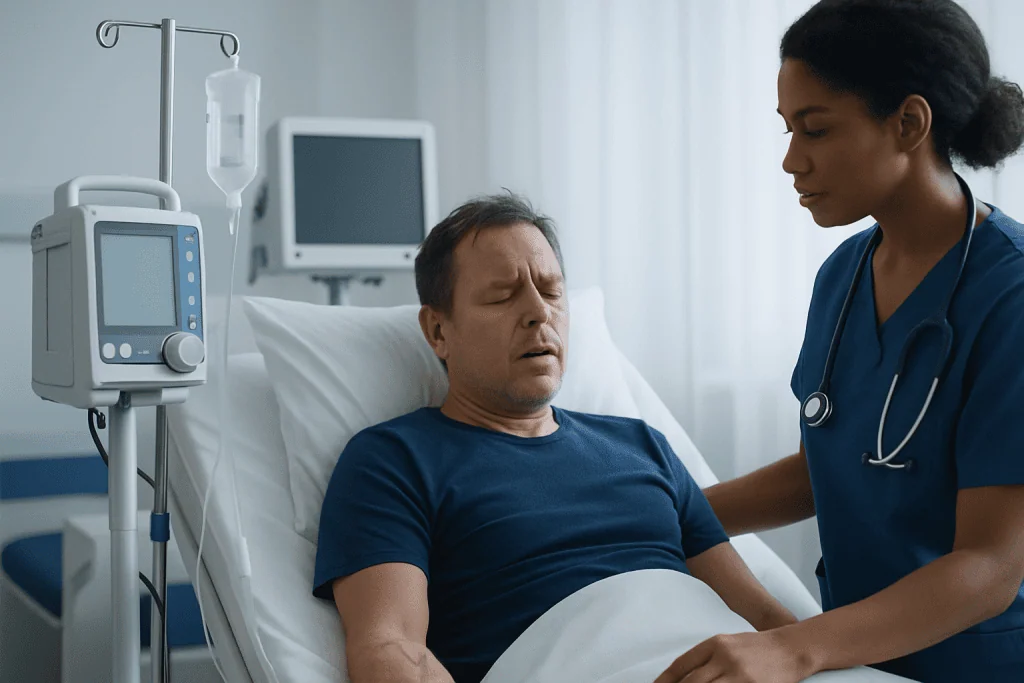
Anyone can develop heat exhaustion, but risk is higher during heat waves, strenuous work or sport, dehydration, limited access to shade or air conditioning, and sudden exposure to hotter conditions than the body is used to. Older adults, infants and young children, pregnant people, and people with heart, lung, kidney, endocrine or mental health conditions may become ill more easily.
Some medicines can affect sweating, hydration, blood pressure, alertness or the body’s ability to regulate temperature. Examples include certain diuretics, antihistamines, stimulants and medications used for some mental health conditions. A person should not stop prescribed medicine without medical advice, but should discuss heat safety with their clinician if concerned.
At a clinic or emergency department, clinicians assess temperature, pulse, blood pressure, breathing, hydration and mental status. They also ask about heat exposure, exercise, alcohol or drug use, medical history and medicines. Blood or urine tests may be appropriate when symptoms are significant, recovery is delayed, or complications such as electrolyte imbalance, kidney strain or muscle injury are suspected.
Step-by-step treatment for heat exhaustion

First, move the person to an air-conditioned building, a shaded place or another cooler environment. Stop all physical activity and have them sit or lie down. Loosen or remove excess clothing, shoes and equipment so heat can leave the body more easily.
Active cooling should begin at once. Cool the skin with water, use a fan, place cool wet cloths on the body, or apply cool packs wrapped in cloth to areas such as the neck, armpits and groin. A cool shower or bath may help a person who is alert and steady enough to do so safely. Ice baths are generally reserved for suspected exertional heat stroke under appropriate supervision.
If the person is fully awake, not vomiting and able to swallow, offer cool water or an oral rehydration or sports drink in small, frequent sips. Fluids containing electrolytes may be useful after prolonged sweating or exercise. Do not force fluids, and do not give anything by mouth to someone who is confused, very drowsy, vomiting repeatedly, having a seizure or unconscious.
If symptoms fail to improve after about 30 minutes of cooling and fluids, or if they worsen at any time, medical evaluation is needed. In hospital, treatment may include monitored cooling, intravenous fluids when oral drinking is not suitable, and testing or treatment for complications or another medical cause of symptoms.
Benefits, limitations and possible risks of treatment
The main benefit of timely treatment is that it can relieve symptoms, restore hydration and reduce the likelihood of progression to more serious heat illness. People often notice improvement in dizziness, nausea, weakness and cramping as they cool down and rehydrate, although tiredness can last longer.
Cooling and oral fluids are usually safe when used appropriately, but they are not a substitute for emergency care when danger signs are present. Drinking very large volumes of plain water rapidly can be harmful in some circumstances because it may dilute blood sodium. Small, regular amounts are safer, and electrolyte-containing fluids may be considered after prolonged sweating.
Alcohol should be avoided because it can worsen dehydration and impair judgment. Caffeinated drinks are not ideal for rehydration during an acute episode, particularly if they worsen palpitations or stomach upset. Salt tablets should not be taken unless advised by a healthcare professional, as they can cause harm for some people.
Heat exhaustion can resemble other concerns, including infection, low blood sugar, heart rhythm problems or medication effects. A medical professional can help clarify the cause if symptoms are unusual, recurrent or not responding as expected to cooling and rest.
How long does it take your body to recover from heat exhaustion?
Many people begin to feel better within 30 minutes after getting cool, resting and drinking fluids. However, complete recovery from heat exhaustion can take the rest of the day and sometimes 24 to 48 hours or longer. Fatigue, reduced exercise tolerance and mild headache may persist even after the most noticeable symptoms settle.
Recovery varies with the degree of dehydration, duration of heat exposure, underlying health conditions, sleep, nutrition and whether the person returns to heat too soon. A person should avoid strenuous exercise, heavy work, hot baths and further heat exposure until they feel fully well and are drinking and urinating normally.
For athletes and workers, returning gradually is important. A clinician may advise a longer rest period after severe symptoms, recurrent heat illness or treatment in an emergency department. People who have had heat exhaustion should take additional precautions while gradually acclimatizing to heat in the future.
What not to do during heat exhaustion?
Do not continue exercising, working or driving in a hot environment in the hope that symptoms will pass. Continuing heat exposure can make the illness worse quickly. Do not leave an affected person alone if symptoms are significant, especially if they are dizzy, weak or nauseated.
Do not give alcohol, and do not give fluids by mouth if the person cannot swallow reliably, is confused, is repeatedly vomiting or is unconscious. Avoid very cold drinks if they cause stomach cramps or nausea; cool fluids taken slowly are usually more comfortable. A person should also avoid taking salt tablets or unfamiliar supplements without clinical guidance.
Do not assume heavy sweating means the situation is harmless. Heat stroke may occur with either sweating or dry skin, and the most concerning change is altered mental status. If the person becomes confused, collapses, has a seizure or cannot remain awake, call emergency services immediately and continue cooling while help is on the way.
What are the 7 signs of heat exhaustion?
Heat exhaustion can look different from person to person, but seven common signs are: heavy sweating; cool, pale or clammy skin; weakness or unusual tiredness; dizziness or faintness; headache; nausea or vomiting; and a rapid, weak pulse. Thirst, muscle cramps, irritability and reduced urine output may also occur.
These symptoms should be taken seriously, particularly after exercise or time in hot, humid conditions. The person may have trouble concentrating because they feel unwell, but clear confusion, disorientation, abnormal behavior or loss of consciousness should be treated as possible heat stroke rather than ordinary heat exhaustion.
Checking on the person regularly matters because symptoms can change. If cooling, rest and fluids do not produce clear improvement, a qualified clinician should assess the situation.
Should you lay down after heat exhaustion?
Yes. Lying down in a cool place is usually appropriate after heat exhaustion because it reduces physical demand and can help dizziness settle. If the person feels faint, lying flat with the legs raised slightly may support blood flow while they cool down, provided this is comfortable and they are awake.
Someone who is nauseated or vomiting should be placed on their side to reduce the risk of choking. They should not be left alone, and they should be helped to stand slowly only when dizziness has resolved. If fainting occurs, symptoms are severe or mental status changes, emergency help is needed.
After symptoms improve, continue resting in a cool setting and drink fluids gradually if safe to do so. A return to normal activity should wait until the person feels well, has rested adequately and can tolerate fluids.
When to seek medical care
Seek urgent medical care if symptoms do not improve within about 30 minutes of rest, cooling and fluids, or if vomiting prevents drinking. Medical assessment is also sensible for people with chronic medical conditions, those taking medicines that affect fluid balance or temperature regulation, and anyone with recurrent heat-related symptoms.
Call emergency services immediately for confusion, agitation, fainting, seizures, unconsciousness, inability to drink, severe shortness of breath, chest pain, or a very high body temperature. These signs can indicate heat stroke or another urgent condition. Start cooling while waiting for emergency help, but do not delay the call.
For international patients who need assessment of heat-related illness or related health concerns, Acibadem International’s multidisciplinary specialists and JCI-accredited hospitals can provide diagnostic evaluation and coordinated treatment. Follow-up with a qualified doctor is especially important after a severe episode or if symptoms repeatedly occur in heat.
Preventing another episode
Prevention focuses on reducing heat exposure and giving the body time to adapt. Drink regularly throughout hot days, take scheduled breaks in cool or shaded areas, wear lightweight breathable clothing, and plan demanding activity for cooler parts of the day when possible. During a heat wave, check on older adults, children and others who may have difficulty staying cool.
Acclimatization is important for people beginning outdoor work, travel or sport in hot climates. Increase activity gradually over days to weeks instead of doing a full-intensity session immediately. Adequate sleep, regular meals and avoiding excessive alcohol can also support safe heat tolerance.
Pay attention to early warning signs such as unusual fatigue, cramps, thirst, headache or dizziness. Stopping early, cooling down and rehydrating can prevent heat exhaustion from becoming more serious. Anyone with questions about personal risk, medicines or a safe return to exercise should speak with a healthcare professional.
Frequently asked questions
What is the fastest treatment for heat exhaustion?
The fastest initial treatment is to stop activity, move to a cool place, remove excess clothing and begin active cooling with cool water, wet cloths and airflow. If the person is alert and can swallow, they can take small, frequent sips of water or an electrolyte drink. Emergency care is needed if symptoms worsen, do not improve promptly, or include confusion or fainting.
Can heat exhaustion be treated at home?
Mild heat exhaustion may be managed outside a hospital if the person improves clearly with cooling, rest and safe oral fluids. They should remain in a cool setting, avoid heat and exertion, and be monitored by another person. Persistent symptoms, repeated vomiting, significant weakness or any mental status change require medical assessment.
How long should you rest after heat exhaustion?
A person should rest from strenuous activity and hot environments for at least the remainder of the day and until symptoms have fully resolved. Some people need 24 to 48 hours or longer before returning gradually to exercise or physically demanding work. A clinician can provide individualized guidance after a severe or repeated episode.
Is heat exhaustion the same as heat stroke?
No. Heat exhaustion is serious but usually involves sweating, dehydration and weakness without major changes in mental status. Heat stroke is a medical emergency marked by altered mental status, such as confusion, collapse, seizures or unconsciousness, together with dangerous overheating. Heat exhaustion can progress to heat stroke without prompt cooling and rest.
Should someone with heat exhaustion drink only water?
Water is often appropriate, especially for mild symptoms and short periods of heat exposure. After prolonged heavy sweating, an oral rehydration or sports drink may help replace electrolytes as well as fluid. Drinks should be taken slowly, and nothing should be given by mouth if the person is confused, vomiting repeatedly or unable to swallow safely.
Can heat exhaustion cause symptoms the next day?
Yes. Tiredness, headache, reduced stamina and mild dehydration can continue into the next day, especially after prolonged heat exposure or inadequate rest. Symptoms should steadily improve with cooling, fluids, sleep and avoidance of further heat. Ongoing, worsening or unusual symptoms should be reviewed by a healthcare professional.
References
- Centers for Disease Control and Prevention
- National Institute for Occupational Safety and Health
- American College of Sports Medicine
- World Health Organization
This article is for general information only and is not a substitute for professional medical advice. Please consult a qualified doctor about your individual situation.
Explore treatments in Turkey — costs, top hospitals & a free quote
JCI-accredited · board-certified surgeons · reply within 24h
Add us as a Preferred Source to see more of our trusted health content across Google Search, AI Overviews and Discover.
Check your numbers in seconds
BMI, calories, due date, blood pressure and 30+ more clinical calculators — free, instant, doctor-reviewed ranges.