Treatment for Osgood Schlatter’s Disease: How It Works, Results and What to Expect
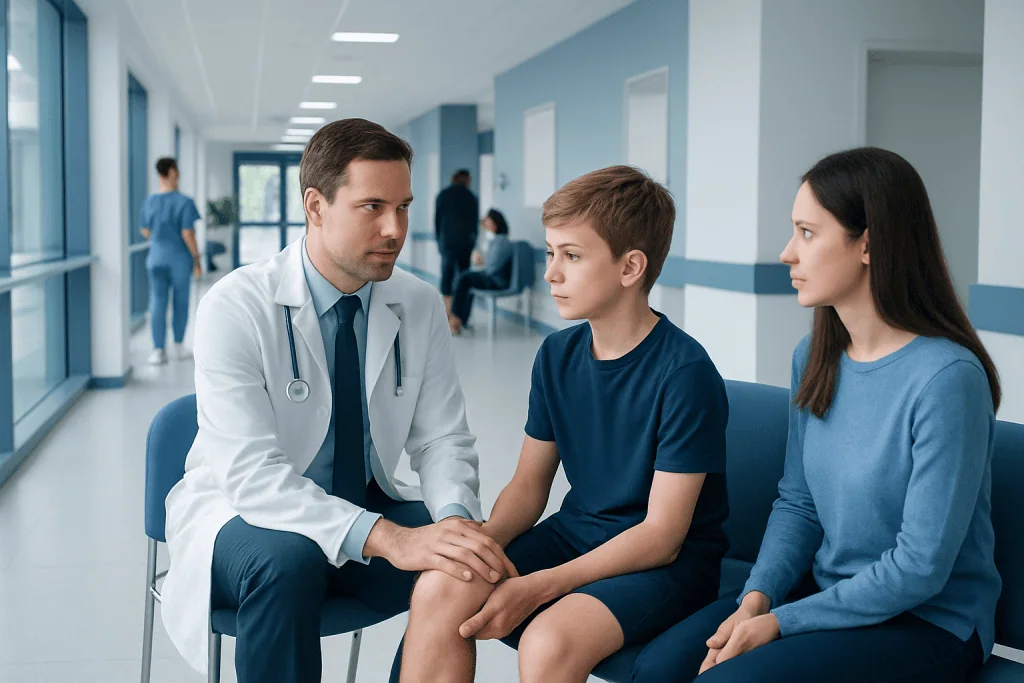
Osgood-Schlatter disease is a common growth-related cause of pain below the kneecap in active adolescents. Relative rest, tailored activity modification, ice, rehabilitation exercises and appropriate pain relief are the main treatments.
Key Takeaways
- Osgood-Schlatter disease is a common growth-related cause of pain below the kneecap in active adolescents.
- Relative rest, tailored activity modification, ice, rehabilitation exercises and appropriate pain relief are the main treatments.
- Complete bed rest is usually unnecessary; the goal is to adjust activity according to symptoms.
- Symptoms often settle after the growth spurt ends, although a bony prominence below the knee may remain.
- Surgery is rarely required and is generally considered only after growth is complete when significant symptoms persist.
Treatment for Osgood Schlatter's disease is usually non-surgical and focuses on reducing stress on the knee while maintaining safe activity, improving flexibility and gradually rebuilding strength. Most young people improve as growth slows, while surgery is reserved for uncommon persistent symptoms after skeletal maturity.
Overview: How Treatment for Osgood Schlatter's Disease Works
Treatment for Osgood Schlatter’s disease works by reducing repeated pulling forces on the tibial tubercle, the small bony area just below the kneecap where the patellar tendon attaches. During an adolescent growth spurt, this area can become irritated by frequent running, jumping, kicking or squatting. Treatment aims to control pain, protect function and help the child or teenager continue appropriate daily activities.
The condition is usually self-limiting, meaning it commonly improves as the bones finish growing. Care is therefore centered on symptom-guided activity changes, flexibility and strength work, and practical measures for comfort. A painful bump below the knee may remain after symptoms have resolved, but this is often harmless.
Although it can be uncomfortable and may interrupt sports temporarily, Osgood-Schlatter disease does not usually cause long-term joint damage. An orthopedic assessment can help confirm the diagnosis, rule out other causes of knee pain and create a safe return-to-sport plan.
How Non-Surgical Treatment Is Planned
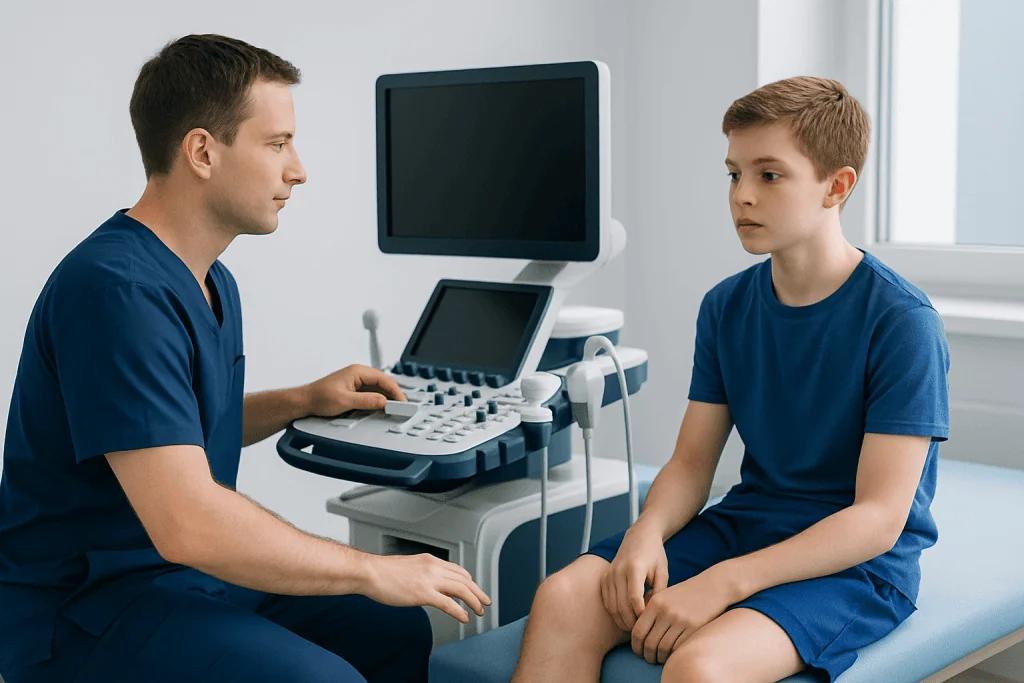
Non-surgical care is appropriate for most people with Osgood-Schlatter disease. The plan is individualized according to pain severity, growth stage, sport demands and the effect symptoms have on walking, school and sleep. Continuing activity through mild discomfort may be possible for some young people, but pain that causes limping or lasts after activity is a sign that training should be reduced.
Relative rest does not necessarily mean stopping all movement. High-impact activities that provoke pain may be reduced temporarily, while lower-impact options such as swimming or cycling may be more comfortable. A clinician or physiotherapist can advise which activities are suitable and how quickly sport can be increased again.
Comfort measures may include applying ice after activity, using a patellar tendon strap or knee support if recommended, and discussing age-appropriate pain-relieving medicines with a healthcare professional. Medicines can reduce symptoms, but they do not replace activity adjustment and rehabilitation.
- Reduce or pause activities that clearly worsen pain, especially jumping and sprinting.
- Maintain general fitness with comfortable, lower-impact exercise when possible.
- Use ice wrapped in cloth for short periods after activity if it helps.
- Keep communication open between the child, family, coach, school and clinical team.
Rehabilitation: Flexibility, Strength and Return to Sport
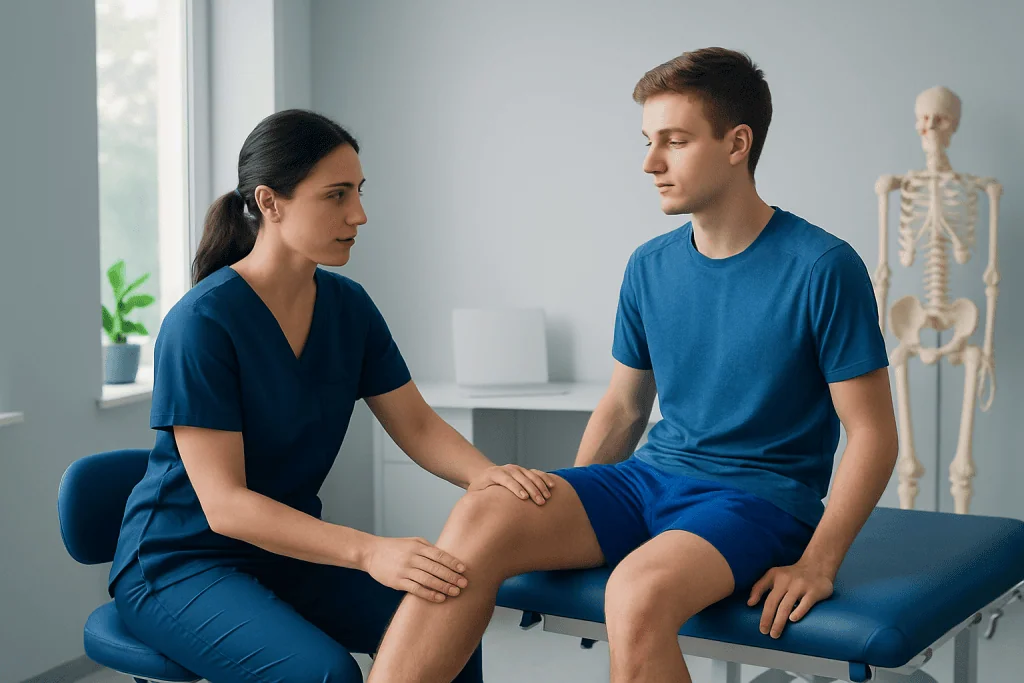
Physiotherapy is often a useful part of treatment for Osgood Schlatter’s disease. Tight quadriceps, hamstrings and calf muscles can increase strain around the knee, so a rehabilitation plan commonly includes gentle stretching. Strengthening the thigh, hip and core muscles can also improve lower-limb control during running, landing and changing direction.
Exercises should be selected and progressed according to symptoms. Early rehabilitation may emphasize flexibility, movement quality and low-load strengthening. As pain improves, a physiotherapist may introduce more demanding activities such as controlled squats, step exercises, jogging drills and sport-specific movements.
Return to sport is usually gradual rather than based on a fixed date. A young person is more likely to tolerate progression when they can walk without limping, complete daily activities comfortably, regain useful strength and perform sport movements without significant pain during or afterward. Physical therapy and rehabilitation can provide structured support for this process.
When Is Surgery Considered and How Does It Work?
Surgery for Osgood-Schlatter disease is uncommon. It is generally not performed while growth plates are still open because the condition usually improves with time and non-surgical treatment. An orthopedic surgeon may consider surgery in an adult or older adolescent who has completed growth and continues to have substantial, localized pain despite a sustained course of conservative care.
Persistent symptoms can occasionally be related to a painful loose bone fragment, known as an ossicle, or to irritation at the tibial tubercle. Imaging and clinical examination help determine whether symptoms truly come from this area and whether surgery is appropriate. Other knee conditions must be considered before an operation is recommended.
The exact procedure depends on the findings. It may involve removing a painful ossicle, smoothing an irritating bony prominence or addressing inflamed tissue around the patellar tendon. The goal is to relieve persistent mechanical irritation while protecting the tendon and surrounding structures. Osgood-Schlatter disease should be assessed carefully because operative decisions are highly individual.
At Acibadem International, multidisciplinary orthopedic, rehabilitation and pediatric specialists at JCI-accredited hospitals can assess persistent knee symptoms and discuss suitable treatment options for international patients.
What to Expect From Osgood-Schlatter Surgery and Recovery
Before surgery, the orthopedic team reviews symptoms, sports history, physical examination findings and imaging where needed. The patient and family are also advised about expected benefits, limitations and the rehabilitation commitment required afterward. Surgery is usually planned only when the likely source of ongoing pain is clear and non-surgical measures have not provided acceptable relief.
On the day of surgery, anesthesia is used so the patient does not feel the procedure. The surgeon makes an incision near the tibial tubercle and treats the painful structure identified during assessment. Afterward, the knee may be protected with a dressing, brace or temporary movement restrictions, depending on the procedure performed.
Early recovery commonly includes wound care, swelling management and gentle movement. Weight-bearing instructions vary; some people can walk with support soon after surgery, while others need crutches or more protection for a period. Rehabilitation then progresses from restoring motion to rebuilding strength, balance and sport-specific capacity.
Potential benefits include reduced focal pain and improved ability to kneel, exercise or participate in sport for carefully selected patients. Risks of any operation may include infection, bleeding, wound problems, blood clots, numbness, stiffness, persistent pain, tendon injury or the need for further treatment. The surgical team explains the risks relevant to the planned procedure.
How Long Does It Take to Recover From Osgood-Schlatter Disease?
Recovery varies widely because symptoms are linked to growth, activity levels and the degree of tendon irritation. Some young people feel better within weeks after reducing painful activity and starting rehabilitation, while others have symptoms that come and go for months. For many, the condition gradually resolves over the course of the remaining growth period.
Recovery should be judged by function as well as pain. Being able to walk, climb stairs, squat and participate in selected activities without limping or prolonged pain afterward are useful signs of progress. Returning too quickly to repetitive jumping or sprinting can prolong symptoms, so gradual progression is important.
Recovery after surgery is different from recovery with non-surgical care. Light walking and daily activities may resume relatively early when permitted by the surgeon, but return to running and sport usually takes longer because healing, strength and movement control need to be restored. The treating team provides a personalized timeline rather than relying on a standard schedule.
Will Osgood-Schlatters Ever Go Away?
In most cases, the pain and activity-related tenderness of Osgood-Schlatter disease do go away as the adolescent growth spurt ends. The tibial tubercle may remain more prominent than before, but a visible or palpable bump does not necessarily mean there is an ongoing problem. Many people return fully to their preferred sports and activities.
A smaller number of people continue to have discomfort with kneeling, direct pressure on the bump or high-impact activity after growth is complete. Persistent symptoms deserve assessment, particularly if they limit work, exercise or quality of life. The clinician can evaluate whether ongoing Osgood-Schlatter-related irritation or another knee condition is responsible.
Maintaining lower-limb flexibility, strength and sensible training progression may help reduce recurrent irritation while symptoms are active. It is also helpful to avoid treating pain as something that must always be pushed through; pain that changes walking or persists after exercise should prompt an activity adjustment.
Is Osgood-Schlatter Surgery Worth It? When to Seek Medical Care
Osgood-Schlatter surgery may be worthwhile for the rare person who has completed growth, has a clearly identified painful ossicle or bony prominence, and remains significantly limited despite well-managed non-surgical treatment. It is not usually the first or routine solution for an adolescent with typical symptoms. The decision should follow a detailed discussion with an orthopedic surgeon about the likely cause of pain, expected recovery and the possibility that symptoms may persist even after surgery.
Medical assessment is recommended for knee pain that is severe, follows a significant injury, causes inability to bear weight, produces marked swelling, locking or instability, or is associated with fever, redness or feeling unwell. These features may point to a problem other than uncomplicated Osgood-Schlatter disease and should not be managed with self-care alone.
A clinician should also review symptoms that are not improving with activity changes, repeatedly prevent school or sport participation, disturb sleep, or continue after skeletal maturity. Early guidance can help the young person stay active in ways that are safer and more comfortable.
Frequently asked questions
Can you walk after Osgood-Schlatter surgery?
Many patients can begin walking after Osgood-Schlatter surgery, but the timing and amount of weight placed through the leg depend on the exact procedure and the surgeon's instructions. Crutches, a brace or temporary activity restrictions may be needed. Walking should be increased gradually as pain, wound healing and knee control allow.
Is Osgood-Schlatter surgery worth it?
Surgery can be helpful for a small group of people with persistent, well-localized symptoms after growth has finished and non-surgical treatment has not worked. Most people do not need an operation because the condition usually improves naturally over time. An orthopedic surgeon can help weigh potential benefits against recovery demands and surgical risks.
How long does it take to recover from Osgood-Schlatter disease?
Symptoms may improve within weeks for some people, but recovery often takes months and can fluctuate during growth. The condition commonly settles as skeletal growth ends. A gradual, symptom-guided return to sport is usually safer than trying to follow a fixed timetable.
Will Osgood-Schlatters ever go away?
The pain from Osgood-Schlatter disease usually resolves when the growth spurt is complete. A bump below the knee can remain, but it often causes no symptoms or functional limitation. Persistent pain after growth is complete should be assessed by a clinician.
Should a child stop all sports with Osgood-Schlatter disease?
Not always. Many children can continue modified activity if pain is mild and they are not limping or experiencing prolonged worsening afterward. Activities that trigger substantial pain may need to be reduced temporarily, while lower-impact exercise can help maintain fitness.
Do knee straps cure Osgood-Schlatter disease?
A patellar tendon strap may reduce discomfort for some people during activity by changing forces around the tendon. It does not cure the condition or replace rehabilitation and activity adjustment. A healthcare professional can advise whether a strap is appropriate and how to use it safely.
References
- American Academy of Orthopaedic Surgeons
- American Academy of Pediatrics
- National Institute of Arthritis and Musculoskeletal and Skin Diseases
- OrthoInfo
This article is for general information only and is not a substitute for professional medical advice. Please consult a qualified doctor about your individual situation.
Joint and spine care in Turkey — expert assessment & treatment
JCI-accredited · board-certified surgeons · reply within 24h
Add us as a Preferred Source to see more of our trusted health content across Google Search, AI Overviews and Discover.

More from the Health Library

Related Specialists
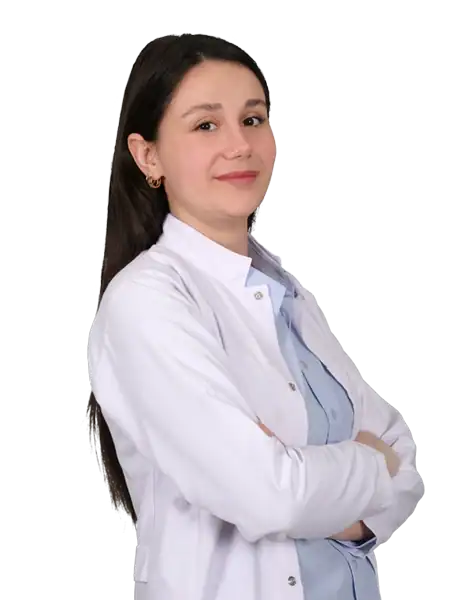
Yaren Kasal
Physical Medicine & Rehabilitation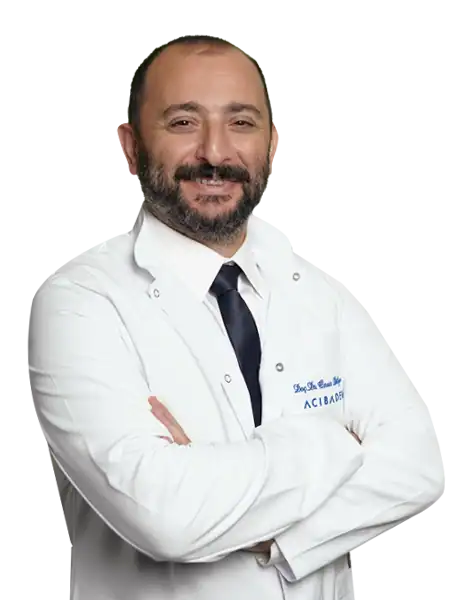
Assoc. Prof. Dr. Onur Dülgeroğlu
General Surgery
Assoc. Prof. Dr. Çağrı Örs
Orthopedic Surgery & Traumatology
Dr. Salahattin Okur
Pediatrics