Treatment for Small Bowel Cancer: How It Works, Results and What to Expect

Small bowel cancer is uncommon and includes several tumor types, which can require different treatments. Surgery may remove the tumor and nearby lymph nodes when the cancer can be safely removed.
Key Takeaways
- Small bowel cancer is uncommon and includes several tumor types, which can require different treatments.
- Surgery may remove the tumor and nearby lymph nodes when the cancer can be safely removed.
- Chemotherapy, targeted therapies and immunotherapy may help treat advanced, recurrent or specific molecular subtypes of disease.
- Outlook varies widely and depends mainly on cancer type, stage, tumor biology and response to treatment.
- Ongoing follow-up helps clinicians monitor recovery, nutrition and possible recurrence.
Treatment for small bowel cancer is tailored to the tumor type, location, stage and a person’s general health. Surgery is often the main treatment for localized disease, while medicines such as chemotherapy, targeted therapy or immunotherapy may be used before or after surgery or for cancer that has spread.
Overview: How Treatment for Small Bowel Cancer Works
Treatment for small bowel cancer aims to remove or control the tumor, relieve symptoms and preserve quality of life. The treatment plan is individualized because cancers of the small intestine are not all alike. Adenocarcinoma, neuroendocrine tumors, lymphoma and gastrointestinal stromal tumors (GISTs) develop from different cells and may respond to different approaches.
A multidisciplinary team commonly reviews imaging, biopsy findings, laboratory tests and a person’s overall health before making recommendations. Depending on the situation, the team may include a surgical oncologist, medical oncologist, gastroenterologist, radiologist, pathologist, dietitian and supportive-care specialists.
For cancer confined to the small bowel, surgery is usually the central treatment. When cancer has spread or cannot be removed completely, systemic treatments that travel through the bloodstream may slow growth, shrink tumors, control symptoms or prolong disease control. Supportive care, including nutrition support and symptom management, is an important part of treatment at every stage.
Candidacy and Planning Before Treatment
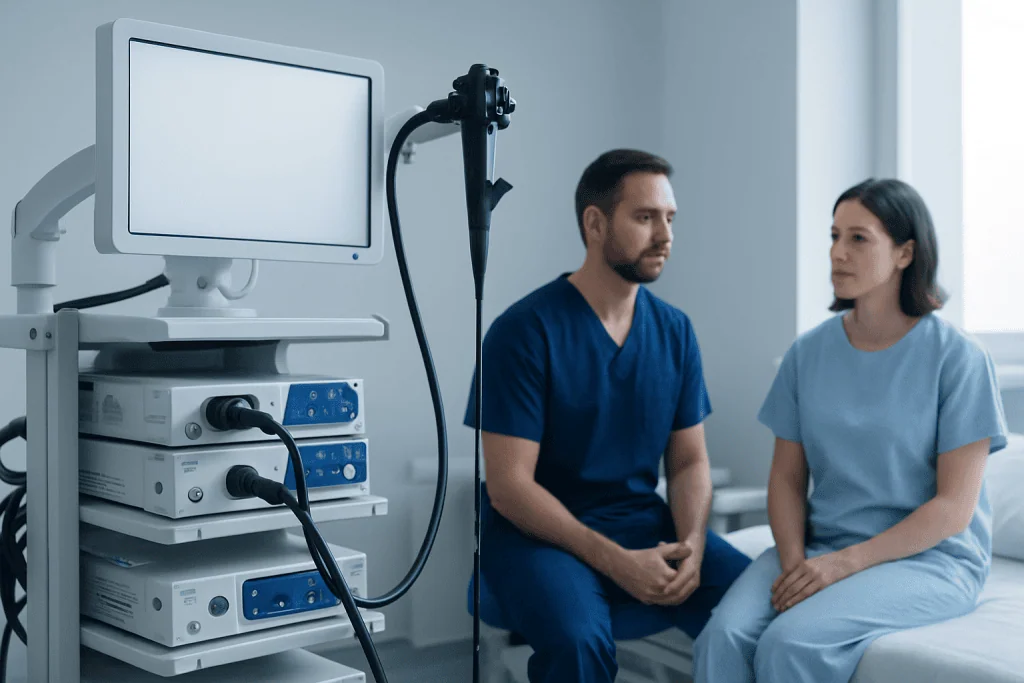
Before treatment begins, clinicians first confirm the exact tumor type. Tests may include blood tests, CT or MRI scans, endoscopy, capsule endoscopy in selected cases, enteroscopy and a biopsy. A pathology review identifies the cancer subtype and may include molecular testing, which looks for gene changes or biomarkers that can influence treatment choices.
People are considered for surgery when the tumor appears removable and they are medically able to undergo an operation. Surgical planning also considers where the tumor is located, whether it is causing blockage or bleeding, whether nearby organs are involved and whether cancer has spread to lymph nodes, the liver, the lining of the abdomen or other sites.
For advanced disease, candidacy for chemotherapy, targeted therapy or immunotherapy depends on the cancer type, previous treatments, organ function, symptoms and tumor test results. Treatment decisions should reflect the person’s goals, possible benefits and potential side effects. A second pathology opinion or multidisciplinary review can be useful when the diagnosis is unusual or treatment choices are complex.
Surgery for Small Bowel Cancer: What Happens Step by Step

During surgery, the surgeon removes the section of small intestine containing the tumor, together with a margin of healthy bowel. Nearby lymph nodes are usually removed and examined because this helps determine the stage and can guide decisions about further treatment. In many cases, the remaining bowel ends are joined together, a procedure called an anastomosis.
If the tumor involves the first part of the small intestine, called the duodenum, a more extensive operation may be needed. For selected duodenal tumors, this can include a pancreaticoduodenectomy, also called a Whipple procedure, which removes the affected area along with nearby structures. The appropriate operation depends on the tumor’s precise location and extent.
Operations may be performed through an open incision or, in selected patients, with minimally invasive techniques. The surgical team also checks for disease elsewhere in the abdomen. If complete removal is not possible, surgery may still be considered to manage obstruction, bleeding, perforation or other serious symptoms.
After surgery, the removed tissue is assessed carefully by a pathologist. The final report describes tumor type, size, depth of invasion, lymph node findings and margins. These findings help the oncology team decide whether additional treatment is likely to be helpful.
Medicines and Other Treatment Options
Chemotherapy uses medicines that damage or slow the growth of cancer cells. For small bowel adenocarcinoma, chemotherapy may be recommended after surgery when there is a meaningful risk of recurrence, or when cancer is unresectable, recurrent or metastatic. The regimen is selected according to the tumor type, stage, previous treatment and a person’s health.
Targeted therapy acts on particular pathways that help some cancers grow. It is especially important in certain tumor types, including GIST, where treatment may be guided by mutations found in the tumor. Immunotherapy helps the immune system recognize cancer and may be an option for selected tumors with biomarkers such as mismatch repair deficiency or high microsatellite instability.
Neuroendocrine tumors of the small intestine may be managed with a different combination of surgery, hormone-based treatments, targeted medicines, peptide receptor radionuclide therapy or liver-directed procedures, depending on tumor grade and spread. Lymphoma of the small bowel is also treated differently and may primarily require systemic therapy rather than bowel surgery.
Radiotherapy is not routinely used for most small bowel cancers because of the sensitivity of surrounding bowel. However, it may occasionally be considered in carefully selected situations, such as symptom relief or local disease control. Treatment should be discussed with an oncology team experienced in gastrointestinal cancers.
Benefits, Risks and Recovery Timeline
The potential benefit of surgery is complete removal of a localized cancer and accurate staging of the disease. Systemic treatment may reduce the risk of recurrence after surgery in some situations, or help control cancer that cannot be removed. The likely benefit varies by tumor subtype and stage, so clinicians discuss expected goals before treatment starts.
Possible surgical risks include bleeding, infection, blood clots, injury to nearby organs, leakage where bowel ends are joined, bowel obstruction and delayed return of bowel function. Removing a longer segment of small intestine can affect nutrient absorption. Systemic treatments can cause fatigue, nausea, diarrhea, low blood counts, nerve symptoms, skin reactions or immune-related inflammation, although effects differ between medicines.
Hospital recovery after bowel surgery varies with the operation and the person’s health. In the first days, the care team monitors pain, wound healing, bowel function, hydration and nutrition. Eating usually resumes gradually as bowel function returns. Full recovery can take several weeks, while recovery from more extensive surgery may take longer.
After discharge, patients should follow wound-care, activity and dietary instructions from their surgical team. A dietitian can help address appetite changes, weight loss, vitamin deficiencies or altered bowel habits. New severe abdominal pain, fever, persistent vomiting, wound redness or drainage, and inability to pass stool or gas should be reported promptly.
What Is the Life Expectancy for People With Small Bowel Cancer?
Life expectancy for people with small bowel cancer varies greatly and cannot be predicted from the diagnosis alone. The most important influences are the cancer type, whether it is localized or has spread, whether it can be removed surgically, tumor grade, molecular features, overall health and response to treatment.
In general, cancers found at an earlier stage tend to have a more favorable outlook than cancers that have spread to distant organs. Some slow-growing neuroendocrine tumors can be managed for many years, while other forms may behave more aggressively. For this reason, broad survival figures may not accurately describe an individual’s situation.
An oncologist can explain the stage and pathology results in context and discuss what they may mean for prognosis. It is reasonable to ask whether treatment is intended to cure the cancer, reduce recurrence risk, control growth, relieve symptoms or provide a combination of these goals.
How Fast Does Small Bowel Cancer Grow?
Small bowel cancer does not have one predictable growth rate. Growth depends largely on the tumor type and grade. Low-grade neuroendocrine tumors may grow slowly, whereas higher-grade neuroendocrine cancers, some adenocarcinomas, lymphomas and other aggressive tumors can progress more quickly.
Imaging results, pathology findings and changes over time help clinicians estimate how active a particular cancer appears to be. The Ki-67 index may be used for neuroendocrine tumors, while other tumor types have different features that guide assessment. Repeat scans are scheduled according to the diagnosis and treatment plan rather than a fixed timetable for everyone.
Symptoms alone cannot reliably indicate cancer growth. However, increasing abdominal pain, vomiting, unexplained weight loss, gastrointestinal bleeding, worsening fatigue or jaundice should be assessed without delay, particularly in a person already diagnosed with a small bowel tumor.
How Serious Is Cancer of the Small Intestine?
Cancer of the small intestine is a serious condition because it can cause bowel obstruction, bleeding, nutritional problems and spread to other organs if untreated. It can also be difficult to diagnose early because initial symptoms may be vague and can resemble more common digestive conditions.
At the same time, serious does not mean untreatable. Many people can have successful removal of localized cancer, and effective treatments are available to control many advanced tumors. Care is most effective when the exact tumor type is identified and treatment is planned by clinicians familiar with gastrointestinal oncology.
Regular follow-up is important after treatment. Follow-up may include physical examinations, blood tests, imaging and, when appropriate, endoscopic evaluation. It allows the team to monitor for recurrence, manage long-term side effects and support nutritional health.
What Is the Success Rate of Treating Bowel Cancer?
There is no single success rate for treating bowel cancer, and figures for colon or rectal cancer should not be assumed to apply to small bowel cancer. Outcomes differ according to whether the cancer began in the small intestine or large bowel, the exact pathology, stage at diagnosis, ability to remove the tumor and response to treatment.
For small bowel cancer, treatment may be curative when a localized tumor can be completely removed. When cancer is advanced, treatment success is often measured by tumor shrinkage, delayed progression, symptom control, preserved daily functioning and length of disease control. These goals are meaningful and can change as new treatment options become appropriate.
People should ask their oncology team about the expected outcome for their specific diagnosis rather than relying on a general percentage. The team can explain the purpose of each treatment and how response will be monitored through symptoms, scans and laboratory tests.
When to Seek Medical Care
Medical evaluation is appropriate for persistent or unexplained abdominal pain, ongoing nausea or vomiting, changes in bowel habits, unexplained weight loss, fatigue related to anemia, black stools or visible blood in stool. These symptoms often have causes other than cancer, but they should not be ignored when they persist or worsen.
Urgent medical care is needed for severe or escalating abdominal pain, repeated vomiting, a swollen abdomen, inability to pass stool or gas, fainting, vomiting blood or large amounts of rectal bleeding. These symptoms can indicate bowel obstruction, bleeding or another condition requiring prompt assessment.
For international patients, Acibadem International’s multidisciplinary specialists and JCI-accredited hospitals diagnose and treat small bowel cancer, with care plans coordinated across surgery, medical oncology, imaging, pathology and supportive services.
Frequently asked questions
Can small bowel cancer be cured?
Small bowel cancer may be cured when it is found before distant spread and can be completely removed with surgery. Whether additional treatment is recommended depends on the tumor type, stage and pathology findings. Even when cure is not possible, treatment can often control disease and symptoms.
Is surgery always needed for small bowel cancer?
Surgery is commonly recommended for localized small bowel cancer and for complications such as obstruction or bleeding. However, some tumor types, such as lymphoma, are often treated mainly with systemic medicines. Advanced cancer may also be managed primarily with drug treatments when surgery cannot remove all disease.
What happens after small bowel cancer surgery?
After surgery, patients are monitored for pain control, bowel function, hydration, wound healing and nutrition. Food is usually reintroduced gradually as the bowel recovers. The final pathology report helps determine whether further treatment or surveillance is needed.
Can chemotherapy treat small bowel cancer?
Chemotherapy can be used after surgery for some small bowel adenocarcinomas and to treat cancer that has spread or returned. Its role depends on the exact cancer subtype and stage. Other systemic treatments, including targeted therapy or immunotherapy, may be more appropriate for certain tumors.
Does small bowel cancer cause bowel obstruction?
It can. A tumor may narrow the bowel and lead to cramping pain, bloating, vomiting and difficulty passing stool or gas. Suspected obstruction needs urgent medical assessment because it can become serious without treatment.
How is follow-up planned after treatment for small bowel cancer?
Follow-up is individualized according to the tumor type, stage and treatments received. It may include clinical visits, blood tests and imaging at scheduled intervals. Follow-up also addresses nutrition, bowel changes, treatment side effects and any symptoms that could suggest recurrence.
References
- National Cancer Institute
- American Cancer Society
- National Comprehensive Cancer Network
- European Society for Medical Oncology
- National Health Service
This article is for general information only and is not a substitute for professional medical advice. Please consult a qualified doctor about your individual situation.
Persistent digestive symptoms? Get evaluated in Turkey
JCI-accredited · board-certified surgeons · reply within 24h
Add us as a Preferred Source to see more of our trusted health content across Google Search, AI Overviews and Discover.