Treatment of Tubular Adenoma: How It Works, Results and What to Expect

Tubular adenomas are common precancerous colon polyps, not cancers. Most can be removed safely during colonoscopy without abdominal surgery.
Key Takeaways
- Tubular adenomas are common precancerous colon polyps, not cancers.
- Most can be removed safely during colonoscopy without abdominal surgery.
- The pathology report confirms the type of polyp, whether it was completely removed, and whether advanced changes are present.
- Follow-up colonoscopy timing depends on the number, size, microscopic features, and completeness of removal.
- New rectal bleeding, persistent bowel changes, unexplained anemia, or concerning abdominal symptoms should be assessed by a clinician.
Treatment of tubular adenoma usually means complete removal of the polyp during a colonoscopy. Most tubular adenomas are benign, but removing them and following an individualized surveillance plan can reduce the future risk of colorectal cancer.
Overview: treatment of tubular adenoma
Treatment of tubular adenoma is usually straightforward: the polyp is removed, most often during the colonoscopy in which it is found. A tubular adenoma is a type of adenomatous polyp that develops in the lining of the colon or rectum. It is benign at the time of diagnosis, but it is considered precancerous because some adenomas can develop cancerous changes if left in place for many years.
Removal is both diagnostic and preventive. The removed tissue is examined under a microscope by a pathologist, who confirms whether it is a tubular adenoma and reports its size, microscopic features, and whether there are high-grade changes. These findings help the gastroenterology team recommend the appropriate interval for future colonoscopy.
Most people do not feel a tubular adenoma. Polyps are commonly identified during routine colorectal cancer screening, investigation of symptoms, or follow-up after prior polyps. Finding an adenoma does not mean that a person has colorectal cancer; it offers an opportunity to lower risk through timely removal and surveillance.
How tubular adenoma removal works
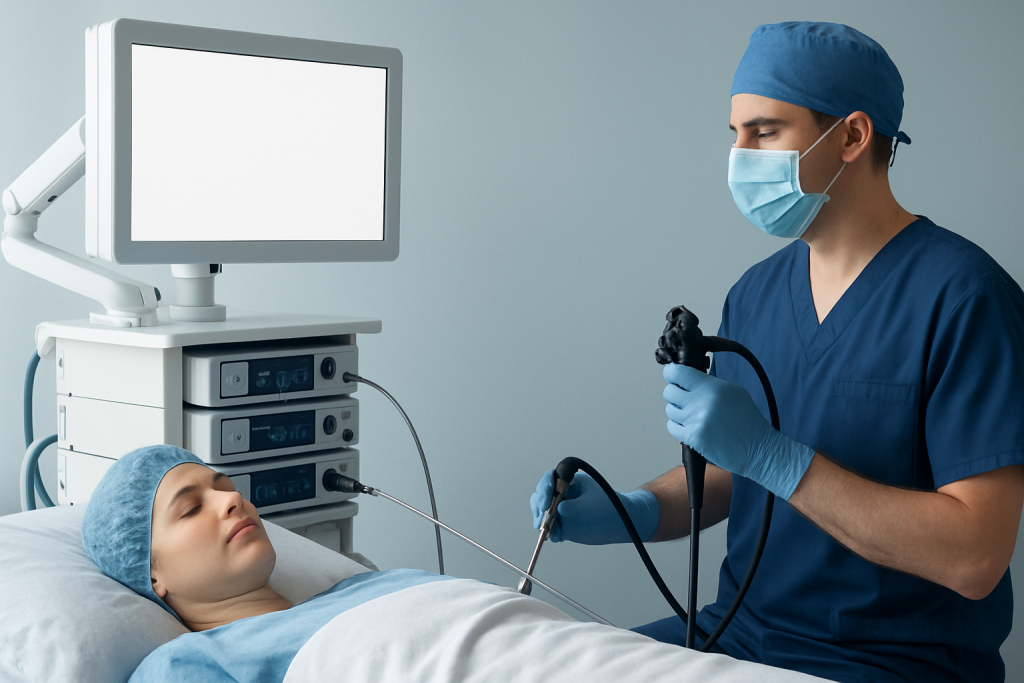
During colonoscopy, a flexible instrument with a camera is passed through the rectum to examine the colon. If a polyp is seen, the clinician can often remove it immediately. Small polyps may be removed with biopsy forceps or a wire loop called a snare. For many polyps, the snare is used with an electrical current to separate the tissue and seal small blood vessels.
Larger, flat, or more complex lesions may require advanced endoscopic techniques, such as endoscopic mucosal resection. In this approach, fluid may be injected beneath the lesion to lift it away from the deeper bowel wall before removal. Very large lesions, lesions in difficult locations, or polyps with concern for invasive cancer may need assessment by an advanced endoscopist and, less commonly, surgery.
The goal is complete removal while preserving the colon whenever possible. The pathology result, the appearance of the removal site, and the procedure report together guide next steps. If the polyp was removed in pieces, a shorter-interval examination may be advised to ensure no residual tissue remains.
Who is a candidate and what happens during the procedure
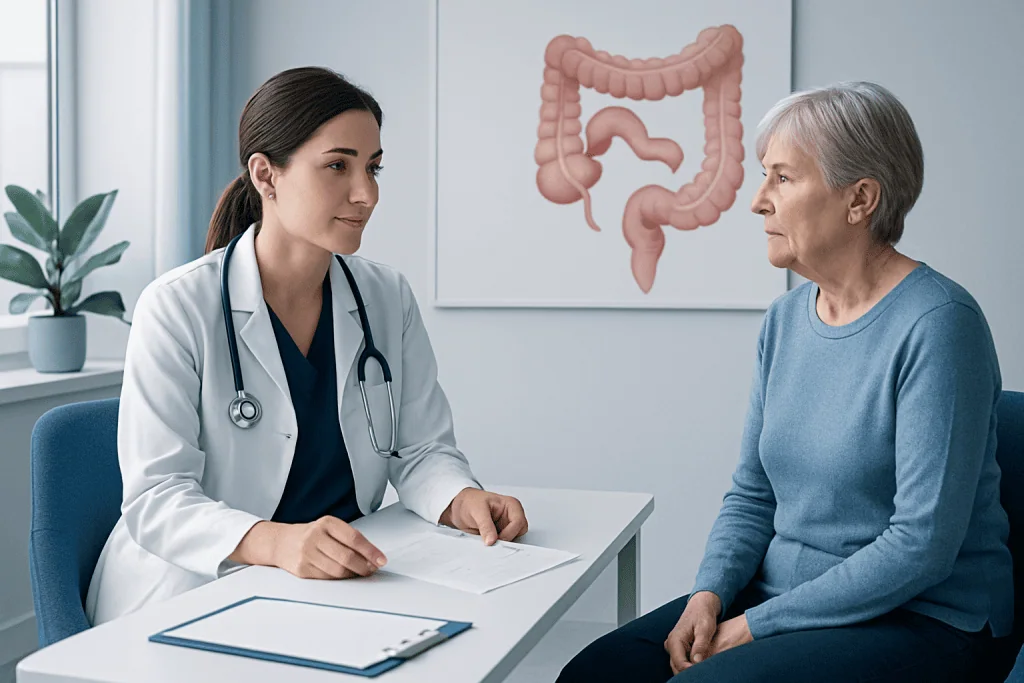
People are candidates for endoscopic removal when a tubular adenoma is identified or strongly suspected during colonoscopy. Before the procedure, the medical team reviews medications, allergies, heart and lung conditions, bleeding risks, and prior colonoscopy findings. Blood-thinning medicines, diabetes medications, and certain supplements may require individualized instructions; they should never be stopped without guidance from the prescribing clinician.
Preparation is essential because the colon must be clean for the clinician to see and remove polyps accurately. This generally includes a temporary dietary adjustment and a prescribed bowel-cleansing preparation. Sedation is commonly used, so patients usually need a responsible adult to take them home and should avoid driving, alcohol, and important decisions for the rest of the day.
During the examination, the clinician inspects the colon, removes identified polyps when appropriate, and may place clips to reduce bleeding risk after removal of a larger lesion. The procedure length varies according to the number, size, and location of polyps. Many people return home the same day, while tissue results may take several days.
- Small polyps: often removed completely during a standard colonoscopy.
- Larger or flat polyps: may need advanced endoscopic removal, sometimes in stages.
- Possible invasive cancer: may require imaging, surgical consultation, and multidisciplinary planning.
Benefits, risks and recovery timeline
The main benefit of removing a tubular adenoma is prevention: eliminating an adenoma prevents that particular lesion from continuing along a possible pathway toward cancer. Colonoscopy also allows the rest of the colon to be examined for additional polyps. For most people, endoscopic removal avoids the need for an operation and involves a short recovery.
After sedation, mild bloating, gas, or cramping can occur for a few hours because air or carbon dioxide is used to expand the colon during the procedure. Many people resume light daily activities the following day, unless their clinician gives different advice. If a large lesion was removed, the team may recommend temporary restrictions on strenuous exercise, travel, or certain medicines.
Complications are uncommon but important to understand. Bleeding can occur immediately or several days after polyp removal, particularly with larger lesions or when blood-thinning medication is involved. A tear in the colon wall, called perforation, is rare but may require hospital care or surgery. Sedation can also cause short-term breathing or blood-pressure effects, which is why monitoring is provided during and after the procedure.
Urgent medical assessment is appropriate for severe or worsening abdominal pain, a fever, repeated vomiting, fainting, a swollen abdomen, heavy rectal bleeding, black stools, or bleeding that does not settle. Mild spotting after a polyp removal can occur, but patients should follow the specific instructions given by their endoscopy team.
How long does it take for a tubular adenoma to turn into cancer?
There is no fixed timeline. When a tubular adenoma progresses toward colorectal cancer, the process is generally thought to take years rather than weeks or months. However, not every tubular adenoma becomes cancer, and it is not possible to predict exactly what will happen with one individual polyp.
Risk is influenced by features such as polyp size, number of polyps, microscopic architecture, and whether high-grade dysplasia is present. Larger adenomas and those with more advanced cellular changes are more likely to need closer follow-up. This is why prompt removal and pathology review are more useful than trying to estimate the age or future behavior of a particular polyp.
Once an adenoma has been completely removed, that specific polyp can no longer develop into cancer. People may still form new adenomas later, which is why surveillance colonoscopy remains important.
How often should you have a colonoscopy if a tubular adenoma is found?
Follow-up timing is individualized. It depends on the number of adenomas, their size, pathology findings, the quality of bowel preparation, whether removal was complete, family history, and the person’s overall health. A clinician should interpret the final pathology report rather than making a plan based only on what was seen during the procedure.
In many guidelines, people with one or two small tubular adenomas that were completely removed may be advised to have a repeat colonoscopy in several years. People with multiple adenomas, an adenoma measuring 10 mm or more, high-grade dysplasia, a substantial villous component, or removal in pieces may be advised to return sooner. A poorly prepared colonoscopy can also lead to an earlier repeat examination because small lesions may have been harder to detect.
People with a strong family history of colorectal cancer, inherited cancer syndromes, inflammatory bowel disease, or previous colorectal cancer may follow a different surveillance schedule. The endoscopy report and pathology report should be kept with personal health records and shared with future clinicians.
Do I need to worry about tubular adenoma?
A tubular adenoma deserves appropriate follow-up, but it is not a reason to assume cancer is present. These polyps are common, and complete removal is an effective way to address the immediate concern. The most helpful response is to attend the recommended follow-up, understand the pathology results, and discuss any personal or family risk factors with a qualified clinician.
Some features require closer attention, including a large polyp, several adenomas, advanced changes on pathology, incomplete removal, or a family history that suggests an inherited condition. In these situations, the clinician may recommend earlier surveillance or referral to a specialist with advanced endoscopy, genetics, colorectal surgery, or oncology expertise.
Acibadem International’s multidisciplinary specialists and JCI-accredited hospitals diagnose and treat colorectal conditions for international patients, including endoscopic evaluation and follow-up planning when clinically appropriate.
What is the average size of a tubular adenoma?
There is no single average size that applies to every tubular adenoma. Many are small, often less than 10 mm, and may be found incidentally during screening colonoscopy. Even small adenomas are generally removed because size alone cannot determine whether a polyp may develop more concerning changes over time.
Size is clinically important because adenomas measuring 10 mm or more are often classified as higher-risk findings for surveillance purposes. Larger size can be associated with a greater chance of advanced microscopic features, but pathology—not size alone—provides the most complete assessment.
Patients can ask their clinician about the measured size, location, removal method, and whether the polyp was removed in one piece. These details, alongside the pathology result, explain why a particular follow-up interval is recommended.
When to seek medical care
Contact a healthcare professional to discuss colorectal screening if screening is due, if a previous colonoscopy found adenomas, or if there is a close relative with colorectal cancer or advanced polyps. A clinician can help determine whether earlier screening or genetic assessment may be appropriate.
Medical review is also important for rectal bleeding, blood in stool, persistent changes in bowel habits, ongoing abdominal discomfort, unexplained iron-deficiency anemia, unintended weight loss, or unusual fatigue. These symptoms can have many causes, and they do not necessarily indicate a polyp or cancer, but they should not be self-diagnosed.
After polyp removal, seek urgent care for heavy bleeding, severe abdominal pain, fever, dizziness or fainting, repeated vomiting, or worsening abdominal swelling. Following the discharge instructions from the endoscopy team is the safest way to support recovery.
Frequently asked questions
Can a tubular adenoma be treated without surgery?
Yes. Most tubular adenomas are removed during colonoscopy using endoscopic instruments, so abdominal surgery is not needed. Surgery may be considered if a lesion is too large or complex for safe endoscopic removal, cannot be completely removed endoscopically, or has features suggesting invasive cancer.
Is a tubular adenoma cancer?
No. A tubular adenoma is a benign adenomatous polyp, but it is considered precancerous because some adenomas can gradually acquire cancerous changes. Removing it eliminates the risk from that specific polyp.
Can tubular adenomas come back after removal?
A completely removed polyp usually does not grow back at the same site, although regrowth can occur if a large lesion was removed in pieces. New adenomas can develop elsewhere in the colon over time, which is why follow-up colonoscopy may be recommended.
What does high-grade dysplasia in a tubular adenoma mean?
High-grade dysplasia means the cells in the adenoma have more advanced abnormal changes, but it is not the same as invasive colorectal cancer. Complete removal and closer surveillance are commonly recommended, with the exact plan based on pathology and the procedure findings.
How soon can a person eat after tubular adenoma removal?
Most people can resume eating after the effects of sedation have eased, usually beginning with food that feels comfortable and easy to tolerate. The endoscopy team may provide special dietary instructions after removal of a large or complex polyp.
Does having a tubular adenoma mean family members need colonoscopy?
Not always, but family history matters. A clinician may recommend that first-degree relatives begin screening earlier if there is colorectal cancer or an advanced adenoma in the family, particularly when diagnosed at a younger age. Family members should discuss their individual history with their own healthcare professional.
References
- American Gastroenterological Association
- U.S. Multi-Society Task Force on Colorectal Cancer
- National Cancer Institute
- American Cancer Society
- World Health Organization
This article is for general information only and is not a substitute for professional medical advice. Please consult a qualified doctor about your individual situation.
Persistent digestive symptoms? Get evaluated in Turkey
JCI-accredited · board-certified surgeons · reply within 24h
Add us as a Preferred Source to see more of our trusted health content across Google Search, AI Overviews and Discover.