TSH and Thyroid-Stimulating Hormone: What Test Results Mean

TSH is a hormone made by the pituitary gland that helps control thyroid hormone production. High TSH often suggests an underactive thyroid, while low TSH may suggest an overactive thyroid.
Key Takeaways
- TSH is a hormone made by the pituitary gland that helps control thyroid hormone production.
- High TSH often suggests an underactive thyroid, while low TSH may suggest an overactive thyroid.
- A TSH result should be interpreted alongside symptoms, medical history, and often free T4 and free T3 levels.
- Pregnancy, medications, illness, and age can affect TSH levels.
- Abnormal TSH does not always mean a permanent thyroid disease, but it does need proper medical evaluation.
TSH, or thyroid-stimulating hormone, is a key blood test used to assess how well the thyroid gland is working. Understanding what high or low TSH may mean can help patients discuss symptoms, diagnosis, and treatment options with a doctor.
Overview: What Is TSH?
TSH stands for thyroid-stimulating hormone. It is made by the pituitary gland, a small gland at the base of the brain, and its main role is to tell the thyroid gland how much thyroid hormone to produce. The thyroid then releases hormones called T4 (thyroxine) and T3 (triiodothyronine), which help regulate metabolism, energy use, body temperature, heart rate, and many other body functions.
The body normally keeps these hormones in careful balance. When thyroid hormone levels fall, the pituitary usually produces more TSH to stimulate the thyroid. When thyroid hormone levels rise, the pituitary lowers TSH production. Because of this feedback system, TSH is often the first and most useful blood test when doctors suspect a thyroid problem.
A TSH test does not diagnose every thyroid condition by itself, but it is an important starting point. Doctors often combine it with other tests, such as free T4, free T3, and thyroid antibody tests, to understand whether a person may have thyroid disease and what type it may be.
What the TSH Test Measures
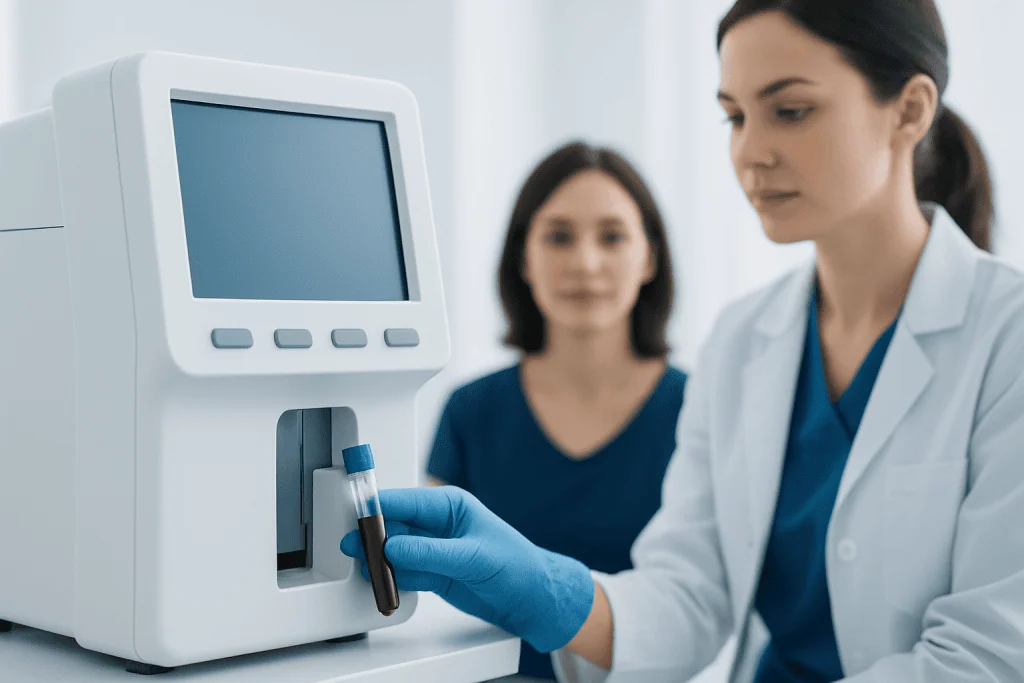
A TSH test is a simple blood test. It does not measure the thyroid hormone directly; instead, it measures the signal from the pituitary gland to the thyroid. This is why a result can provide valuable clues about whether the thyroid is underactive, overactive, or functioning within the expected range.
Laboratory reference ranges can vary slightly, so the result should always be interpreted using the range provided by the testing laboratory. A number that is considered normal in one setting may be interpreted differently in another, especially during pregnancy, in older adults, or in people already taking thyroid medication.
Many doctors also order free T4 at the same time. If TSH is abnormal, free T4 helps show whether thyroid hormone levels are actually too low or too high. In some cases, free T3, thyroid antibodies, or imaging studies such as thyroid ultrasound may be used to investigate the cause more fully.
What High or Low TSH Results May Mean

High TSH commonly suggests that the thyroid is not making enough hormone. In this situation, the pituitary sends out more TSH in an effort to stimulate the thyroid. This pattern is often seen in hypothyroidism, also called an underactive thyroid. People with hypothyroidism may feel tired, cold, constipated, mentally slowed, or notice dry skin, weight gain, or changes in mood.
Low TSH often suggests that the body has too much thyroid hormone or that the pituitary is reducing its signal because the thyroid is already overactive. This pattern may be seen in hyperthyroidism. People with hyperthyroidism may notice palpitations, anxiety, sweating, weight loss, tremor, heat intolerance, or trouble sleeping.
Sometimes TSH is only mildly outside the reference range while free T4 remains normal. This may be called subclinical hypothyroidism or subclinical hyperthyroidism. In these cases, treatment decisions are more individualized and depend on symptoms, age, heart health, pregnancy plans, and whether thyroid antibodies are present.
Not every abnormal result means a long-term thyroid disease. Temporary changes can happen because of recent illness, recovery from illness, medication effects, or laboratory timing. That is why repeat testing and a full clinical review are often needed before making conclusions.
Common Causes and Risk Factors for Abnormal TSH
The most common cause of high TSH is hypothyroidism, which may result from autoimmune thyroiditis, often called Hashimoto thyroiditis. Other causes include previous thyroid surgery, treatment for hyperthyroidism, certain medications, iodine imbalance, or rarely pituitary-related problems. Some people develop thyroid underactivity gradually, so symptoms may be subtle at first.
Low TSH may be linked to hyperthyroidism caused by Graves disease, thyroid nodules that produce excess hormone, thyroid inflammation, or taking too much thyroid hormone medication. In some cases, serious non-thyroid illness can also affect TSH temporarily and make the result harder to interpret.
Several factors can increase the likelihood of thyroid imbalance. These include:
- Family history of thyroid disease
- Female sex
- Pregnancy or the postpartum period
- Autoimmune conditions such as type 1 diabetes or celiac disease
- Older age
- Past radiation to the neck
- Use of medications such as amiodarone, lithium, steroids, or biotin supplements that may interfere with testing
Pregnancy deserves special attention because thyroid hormone needs change during this time. TSH goals are often different in pregnancy, and proper interpretation is important for both maternal and fetal health. A doctor may recommend closer monitoring if there is a personal or family history of thyroid disease.
Symptoms That May Lead to TSH Testing
A doctor may order a TSH test when symptoms suggest that thyroid function could be too low or too high. Symptoms of low thyroid function often include fatigue, feeling unusually cold, constipation, slowed thinking, muscle aches, heavier menstrual periods, dry skin, and unexplained weight gain. Symptoms can develop gradually, so they may be mistaken for stress, aging, or other health issues.
Symptoms of high thyroid function may include a fast heartbeat, tremor, nervousness, sweating, diarrhea, unintentional weight loss, irritability, or difficulty sleeping. Some people also notice neck swelling from an enlarged thyroid gland, known as a goiter.
TSH testing may also be done even without obvious symptoms. It is commonly used to monitor people who are already being treated for thyroid disorders, those with thyroid nodules, or patients with conditions that increase the risk of endocrine imbalance. In some situations, a doctor may combine blood tests with an endocrinology check-up to assess overall hormone health.
How Doctors Diagnose the Cause
Interpreting TSH correctly involves more than reading a single number. Doctors review symptoms, medications, personal and family history, pregnancy status, and previous thyroid test results. If TSH is abnormal, free T4 is usually checked, and free T3 may be added if hyperthyroidism is suspected.
Thyroid antibody tests can help determine whether an autoimmune condition is involved. For example, thyroid peroxidase antibodies may support a diagnosis of Hashimoto thyroiditis, while TSH receptor antibodies can help identify Graves disease. These tests are particularly useful when the cause is not clear from TSH and thyroid hormone levels alone.
In some cases, imaging is needed. Thyroid ultrasound can evaluate the size and structure of the gland and check for nodules or inflammation. If a nodule is found, the next steps depend on its appearance and the overall thyroid hormone pattern. In selected cases, doctors may recommend thyroid biopsy to evaluate a suspicious thyroid nodule, though this is separate from routine TSH testing.
Rarely, if TSH and thyroid hormone levels show an unusual pattern, doctors may investigate the pituitary gland as well. This may involve additional hormone tests or brain imaging. These situations are less common but show why thyroid test interpretation should always be individualized.
Treatment Options and Follow-Up
Treatment depends on the underlying cause of the abnormal TSH result, not the number alone. If hypothyroidism is confirmed, treatment usually involves thyroid hormone replacement. The dose is adjusted over time based on follow-up blood tests, symptoms, age, and other medical conditions. It often takes several weeks after a dose change for TSH to stabilize, so repeat testing is usually done after an appropriate interval.
If hyperthyroidism is diagnosed, treatment may include medicines that reduce thyroid hormone production, radioactive iodine in selected cases, or surgery for certain patients. The best option depends on the cause, the severity of symptoms, the size of the thyroid gland, pregnancy status, and patient preference. Some patients with an overactive thyroid may also need short-term treatment to control symptoms such as a fast heart rate.
Not everyone with mildly abnormal TSH needs immediate treatment. In subclinical cases, doctors may recommend watchful monitoring, especially if symptoms are absent and hormone levels remain close to normal. On the other hand, treatment may be more strongly considered if TSH is significantly abnormal, symptoms are troublesome, pregnancy is planned, or there is heart or bone health concern.
People already receiving thyroid medication need regular follow-up. Taking medication consistently and checking for interactions with supplements or other drugs can make treatment more effective. Near the end of the care pathway, some international patients may choose centers such as Acibadem International, where multidisciplinary specialists in JCI-accredited hospitals diagnose and treat thyroid conditions with coordinated follow-up.
Self-Care, Monitoring, and When to See a Doctor
There is no single lifestyle change that can correct all thyroid disorders, but good self-care supports overall health. It can help to take thyroid medication exactly as prescribed, attend follow-up appointments, mention all supplements and medicines to the doctor, and avoid changing doses without advice. People taking biotin supplements should ask whether they need to stop them briefly before blood tests, because biotin can interfere with some thyroid assays.
A balanced diet is generally enough for thyroid health in most people. It is usually best to avoid taking iodine supplements unless a doctor specifically recommends them, since too little or too much iodine may affect thyroid function. Adequate sleep, stress management, and regular activity may also help people manage the general symptoms that can accompany hormone imbalance.
Medical review is important if symptoms suggest a thyroid disorder, if test results are abnormal, or if a person is pregnant or planning pregnancy and has a history of thyroid disease. Urgent assessment may be needed if there are severe symptoms such as chest pain, significant shortness of breath, fainting, confusion, or a very rapid heart rate.
Regular monitoring is especially important in people with diagnosed thyroid disease, autoimmune conditions, thyroid nodules, or previous thyroid treatment. Ongoing care helps ensure that hormone levels stay within a safe and effective range over time.
Frequently asked questions
What is a normal TSH level?
A normal TSH level depends on the laboratory reference range, age, pregnancy status, and individual medical context. This is why the result should always be interpreted by a doctor rather than judged by the number alone.
Does high TSH always mean hypothyroidism?
High TSH often points to an underactive thyroid, but it does not always confirm permanent hypothyroidism. Temporary illness, medication effects, or early thyroid dysfunction can also raise TSH, so repeat testing may be needed.
Can TSH be abnormal if thyroid hormones are normal?
Yes. This can happen in subclinical thyroid disorders, where TSH is outside the usual range but free T4 remains normal. Whether treatment is needed depends on symptoms, risk factors, and follow-up results.
Should TSH be checked during pregnancy?
Pregnancy can change thyroid hormone needs, so TSH may be checked before or during pregnancy in some women. Monitoring is especially important in those with past thyroid disease, thyroid antibodies, infertility history, or symptoms of thyroid imbalance.
Can medications affect TSH test results?
Yes. Certain medicines and supplements, including thyroid medication, steroids, amiodarone, lithium, and biotin, may affect thyroid blood tests or their interpretation. Patients should tell their doctor about everything they take, including over-the-counter supplements.
How often should TSH be retested?
The timing depends on why the test was ordered. People starting or adjusting thyroid medication often need repeat testing after several weeks, while others may only need periodic monitoring based on symptoms and medical history.
References
- American Thyroid Association
- National Institute of Diabetes and Digestive and Kidney Diseases
- National Health Service
- Mayo Clinic
- Endocrine Society
This article is for general information only and is not a substitute for professional medical advice. Please consult a qualified doctor about your individual situation.
Medical weight-loss options in Turkey — costs & eligibility
JCI-accredited · board-certified surgeons · reply within 24h
Add us as a Preferred Source to see more of our trusted health content across Google Search, AI Overviews and Discover.
Check your numbers in seconds
BMI, calories, due date, blood pressure and 30+ more clinical calculators — free, instant, doctor-reviewed ranges.