Ttp Thrombotic Thrombocytopenic Purpura Treatment: How It Works, Results and What to Expect

TTP is a medical emergency that requires urgent hospital assessment and treatment. Plasma exchange is a central treatment for immune-mediated TTP because it removes harmful antibodies and replaces ADAMTS13.
Key Takeaways
- TTP is a medical emergency that requires urgent hospital assessment and treatment.
- Plasma exchange is a central treatment for immune-mediated TTP because it removes harmful antibodies and replaces ADAMTS13.
- Corticosteroids, caplacizumab and rituximab may be used to control the immune process and reduce clotting risk.
- Many people recover well with prompt treatment, but follow-up is essential because relapse can occur.
- New bruising, pinpoint red spots, neurological symptoms, severe headache or reduced urine output need urgent medical care.
TTP thrombotic thrombocytopenic purpura treatment is urgent because this rare blood disorder can cause small clots to form throughout the body. Treatment usually starts immediately with plasma exchange, corticosteroids and targeted medicines, with close care from a hematology team.
TTP treatment: how it works and why it starts urgently
TTP thrombotic thrombocytopenic purpura treatment aims to stop widespread microscopic blood clotting, restore platelet levels and protect vital organs. TTP is a rare form of thrombotic microangiopathy in which unusually large von Willebrand factor proteins encourage platelets to form clots in small blood vessels. These clots use up platelets and can damage red blood cells, the brain, kidneys, heart and other organs.
In most adults, TTP is immune-mediated (also called acquired TTP). The immune system produces antibodies that severely reduce the activity of ADAMTS13, an enzyme that normally regulates von Willebrand factor. Less commonly, inherited TTP results from changes in the ADAMTS13 gene. Because untreated TTP can worsen rapidly, clinicians usually begin treatment as soon as it is strongly suspected, rather than waiting for every confirmatory test result.
The main approach for immune TTP combines therapeutic plasma exchange with immune-suppressing medicines. Caplacizumab may be added to rapidly limit platelet-rich clot formation, while corticosteroids and often rituximab address the abnormal immune response. The exact plan is individualized according to the suspected type of TTP, symptoms, laboratory findings, pregnancy status and response to treatment.
Who may need TTP treatment and how diagnosis is confirmed
A person may be considered for emergency TTP treatment when blood tests show low platelets (thrombocytopenia) together with hemolytic anemia, meaning red blood cells are being broken down. A blood film may show fragmented red cells called schistocytes. Symptoms can vary widely and may include unexplained bruising, tiny red-purple skin spots, fatigue, yellowing of the skin or eyes, headache, confusion, weakness, abdominal discomfort, chest symptoms or reduced urine output.
Doctors assess the likelihood of TTP using the clinical picture and blood tests, including a full blood count, markers of hemolysis, kidney function and clotting tests. An ADAMTS13 activity test and inhibitor or antibody testing help confirm immune TTP. However, obtaining results can take time, so a high clinical suspicion may justify starting plasma exchange immediately.
Other conditions can resemble TTP, including hemolytic uremic syndrome, severe infection, disseminated intravascular coagulation, autoimmune disease, malignant hypertension, medication-related reactions and complications of pregnancy. Distinguishing among these conditions matters because treatments differ. Evaluation is usually led by a hematologist alongside specialists in transfusion medicine, intensive care, nephrology, neurology or obstetrics when needed.
TTP can occur at almost any age, though immune TTP is more common in adults. A previous episode of TTP, autoimmune disease, pregnancy and certain infections may be relevant in some individuals, but many people have no clear trigger. TTP is not contagious and is not caused by ordinary bruising or a minor injury.
What happens during TTP thrombotic thrombocytopenic purpura treatment?

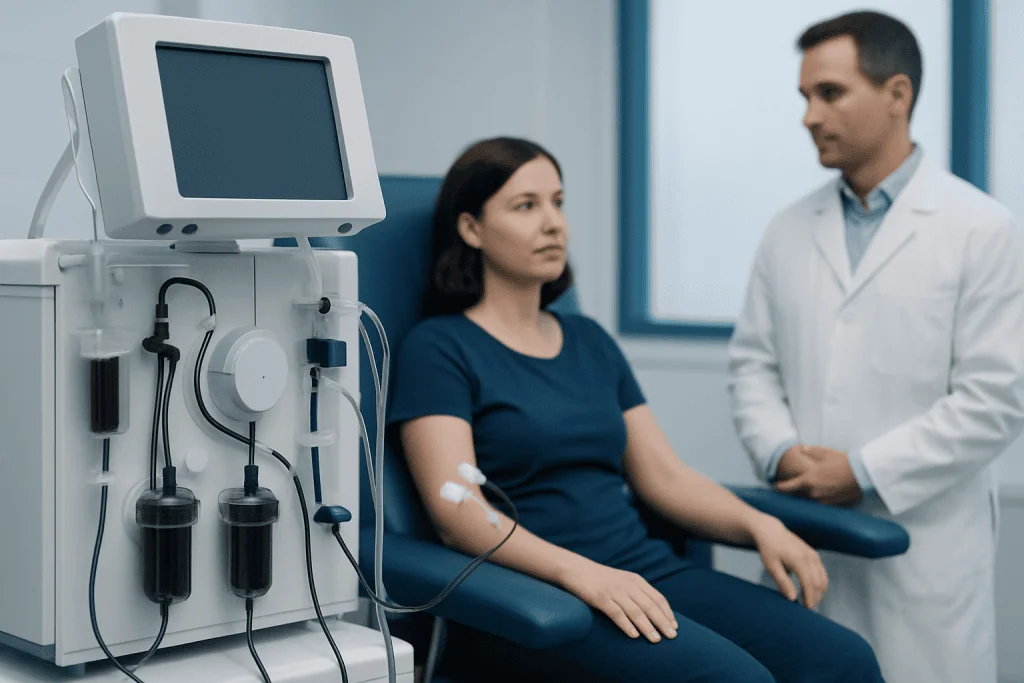
For suspected immune TTP, treatment commonly begins in hospital and may involve daily therapeutic plasma exchange. During this procedure, blood is removed through a vein or a central line, the plasma portion is separated out, and replacement plasma is returned with the person’s blood cells. Donor plasma supplies functional ADAMTS13 and helps remove circulating antibodies against the enzyme.
Plasma exchange is generally repeated each day until platelet counts and signs of hemolysis have normalized and remained stable. The duration varies; some people improve within days, while others need a longer course. The care team checks blood counts, kidney function, neurological symptoms and other markers frequently to guide decisions.
Corticosteroids are usually given early to suppress antibody production. Rituximab, a medicine that targets B cells involved in antibody formation, may be used early in the course or when a response is incomplete, the condition is severe, or there is a relapse. Caplacizumab blocks an interaction between von Willebrand factor and platelets, helping reduce formation of the microclots that drive acute TTP.
Supportive care is also important. This may include red blood cell transfusion for significant anemia, careful management of fluid balance and treatment of complications affecting the kidneys, heart or nervous system. Platelet transfusions are generally avoided unless there is life-threatening bleeding or a necessary invasive procedure, because they may contribute to clotting in active TTP.
Benefits, possible risks and expected recovery
The major benefit of prompt treatment is that it can be lifesaving and can reduce the risk of permanent organ injury. Platelet levels often begin to rise as treatment takes effect, although recovery is not identical for everyone. Symptoms such as headache, fatigue and concentration difficulties may take longer to settle, particularly after a severe episode.
Plasma exchange is an established treatment, but it requires careful monitoring. Possible complications include allergic reactions to plasma, low calcium levels related to the anticoagulant used during the procedure, low blood pressure, line infection or bleeding, and blood-clot complications associated with a central venous catheter. The clinical team takes steps to identify and manage these risks promptly.
Caplacizumab can increase the chance of bleeding, including nosebleeds, gum bleeding or bruising, so clinicians review bleeding risk and other medicines carefully. Corticosteroids can temporarily affect mood, sleep, blood sugar, appetite and infection risk. Rituximab may increase susceptibility to infections and requires appropriate screening and monitoring before and during use.
After the acute episode, follow-up blood tests are essential. ADAMTS13 activity may be monitored because very low levels during remission can signal a higher chance of relapse. Some people benefit from planned preventive treatment if testing and clinical history suggest that risk. Recovery also includes attention to emotional wellbeing, memory or concentration concerns, blood pressure and cardiovascular health.
How long can someone live with TTP?
With rapid recognition and modern treatment, many people with immune TTP survive the acute episode and can have a long life expectancy. Before effective treatment was available, TTP was often fatal, which is why immediate medical assessment remains so important. Individual outlook depends on how quickly treatment begins, the severity of organ involvement, response to therapy and whether relapse occurs.
Long-term follow-up is important even after blood counts return to normal. Some people experience relapses months or years later, and some have ongoing fatigue, mood changes, cognitive symptoms or increased cardiovascular risk. Regular care with a hematology team allows these concerns to be recognized and managed early.
Inherited TTP also requires lifelong specialist follow-up, but it can often be managed effectively with planned replacement of ADAMTS13 activity, particularly around higher-risk periods such as pregnancy, infection or surgery. A person’s own hematologist is best placed to discuss their individual outlook and monitoring plan.
How quickly does TTP develop?
TTP can develop quickly, sometimes over hours to a few days. It may begin with nonspecific symptoms such as unusual tiredness, headache, nausea or easy bruising, then progress as small clots affect blood flow to organs. The speed and combination of symptoms vary considerably from person to person.
In some cases, symptoms appear after a trigger such as an infection, pregnancy or an autoimmune flare, but a trigger is not always identified. A person with a history of TTP should contact their hematology team promptly if symptoms recur, even if they seem mild at first.
Because rapid changes can occur, suspected TTP should not be monitored at home. Emergency assessment enables clinicians to perform urgent blood tests, exclude other causes and start time-sensitive treatment if needed.
What are the first signs of TTP? Is TTP an autoimmune disease?
Early signs of TTP may include unusual bruising, tiny red or purple spots called petechiae, tiredness, paleness, shortness of breath, headache, confusion, fever, abdominal pain or dark urine. Not everyone develops the same symptoms, and the classic group of low platelets, anemia, fever, neurological symptoms and kidney changes is not present in every case. New neurological symptoms, such as confusion, speech difficulty, weakness or seizures, require emergency care.
Most adult cases are autoimmune. In immune TTP, the body makes antibodies that block ADAMTS13, allowing platelet-rich microclots to form. This is different from inherited TTP, in which changes in the ADAMTS13 gene lead to low enzyme activity from birth; inherited TTP is not an autoimmune condition.
There is no reliable way to prevent all cases of immune TTP. People who have recovered can support their health by attending follow-up appointments, discussing pregnancy or planned surgery in advance, reporting new symptoms promptly and taking medicines only as advised. Acibadem International’s multidisciplinary specialists and JCI-accredited hospitals diagnose and treat complex blood disorders for international patients.
When to seek medical care
Anyone with possible TTP symptoms should seek urgent medical assessment, especially if bruising or petechiae occur with marked fatigue, jaundice, severe headache, confusion, fainting, weakness, chest pain, shortness of breath, abdominal pain or reduced urination. These symptoms can have many causes, but TTP needs to be ruled out quickly because treatment is time-sensitive.
A person previously treated for TTP should follow the emergency instructions provided by their hematology team. New bruising, low platelet results, symptoms of anemia or neurological changes should be discussed urgently, even during remission. Pregnant people with a history of TTP should have coordinated care with hematology and maternal-fetal medicine specialists.
It is helpful to bring a list of medicines, previous blood test results and details of any prior TTP episode to the emergency department or clinic. Patients should not stop prescribed treatment or take aspirin, anti-inflammatory medicines, supplements or anticoagulants for suspected TTP without advice from a qualified clinician, as these may affect bleeding or clotting risk.
Frequently asked questions
What is the main treatment for TTP?
For suspected immune TTP, the main urgent treatment is therapeutic plasma exchange, usually combined with corticosteroids. Caplacizumab and rituximab are commonly considered to control clotting and the immune process. The treatment plan is tailored by a hematology team.
Can TTP be cured?
An acute immune TTP episode can go into remission with treatment, meaning symptoms resolve and blood counts normalize. However, relapse is possible, so ongoing hematology follow-up is important. Inherited TTP is a lifelong condition that can often be managed with preventive and episode-based treatment.
How long does plasma exchange take for TTP?
Each plasma exchange session often takes several hours, although timing varies according to the equipment, access and individual needs. Sessions are commonly performed daily during active immune TTP. Treatment continues until laboratory findings and clinical symptoms show a stable response.
Is TTP the same as a low platelet count?
No. TTP causes a low platelet count, but low platelets have many possible causes. TTP also involves destruction of red blood cells and formation of small-vessel clots, which is why it requires specialized urgent assessment.
Can TTP come back after treatment?
Yes, immune TTP can relapse after a period of remission, including months or years after the first episode. Regular blood tests, including ADAMTS13 activity when appropriate, can help identify increased risk. Early contact with a hematology team is important if symptoms return.
What should a person avoid during recovery from TTP?
During recovery, people should avoid starting or stopping medicines, supplements or herbal products without medical advice. They should also discuss activities that carry a high risk of injury or bleeding with their clinician, particularly while platelet counts are low or while taking medicines that increase bleeding risk. Follow-up appointments and recommended blood testing should not be skipped.
References
- National Heart, Lung, and Blood Institute
- American Society of Hematology
- International Society on Thrombosis and Haemostasis
- National Organization for Rare Disorders
- Mayo Clinic
This article is for general information only and is not a substitute for professional medical advice. Please consult a qualified doctor about your individual situation.
Explore treatments in Turkey — costs, top hospitals & a free quote
JCI-accredited · board-certified surgeons · reply within 24h
Add us as a Preferred Source to see more of our trusted health content across Google Search, AI Overviews and Discover.

More from the Health Library



Related Specialists

Dr. Hakkı Süha Özçelik
Otorhinolaryngology
Prof. Dr. Ece Aydoğ
Physical Medicine & Rehabilitation
Dr. Salih Manavoğlu
Otorhinolaryngology
Dr. Melike Gezer
Ophthalmology