Tuberculous Meningitis: Symptoms, Diagnosis, and Why Early Care Matters

Tuberculous meningitis is caused by Mycobacterium tuberculosis spreading to the central nervous system. Symptoms may begin gradually with fever, headache, tiredness, vomiting, or confusion and can worsen over time.
Key Takeaways
- Tuberculous meningitis is caused by Mycobacterium tuberculosis spreading to the central nervous system.
- Symptoms may begin gradually with fever, headache, tiredness, vomiting, or confusion and can worsen over time.
- Diagnosis usually combines a medical history, examination, brain imaging, and testing of cerebrospinal fluid.
- Treatment involves anti-tuberculosis medicines for many months, often along with corticosteroids and close hospital monitoring.
- Early medical care improves the chance of recovery and may reduce the risk of stroke, hydrocephalus, seizures, or lasting neurological problems.
Tuberculous meningitis is a form of tuberculosis that affects the membranes around the brain and spinal cord. Early recognition and prompt treatment are important because this infection can progress gradually but may cause serious complications if care is delayed.
Overview
Tuberculous meningitis is a serious infection of the meninges, the protective layers surrounding the brain and spinal cord. It is caused by Mycobacterium tuberculosis, the same bacterium that causes tuberculosis in the lungs and other parts of the body. In this form of disease, the infection reaches the central nervous system and triggers inflammation that can affect brain function.
This condition is not the same as common viral meningitis, which may be milder in some cases. Tuberculous meningitis often develops more gradually, and the early symptoms can be vague. Because it may begin slowly, it can sometimes be mistaken for another illness at first.
Early diagnosis matters because inflammation in and around the brain can lead to complications such as increased pressure inside the skull, fluid buildup known as hydrocephalus, blood vessel inflammation, stroke, seizures, or long-term neurological difficulties. Treatment is available, but the best outcomes are usually seen when care starts as soon as possible.
Symptoms
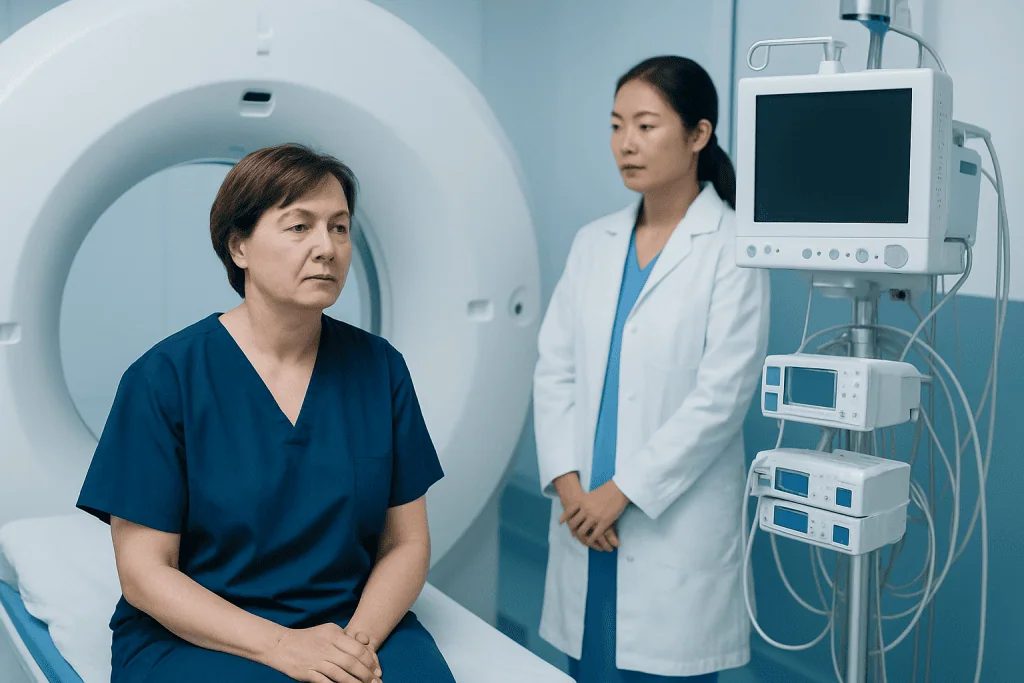
The symptoms of tuberculous meningitis may appear over days to weeks rather than suddenly. Many people first notice general symptoms such as fever, headache, tiredness, poor appetite, nausea, vomiting, or a feeling of being unwell. In children, symptoms may be less specific and can include irritability, reduced feeding, sleepiness, or a bulging soft spot in infants.
As the infection progresses, neurological symptoms may become more noticeable. A person may develop neck stiffness, sensitivity to light, confusion, changes in behavior, drowsiness, or difficulty staying awake. Some people have weakness in an arm or leg, problems with balance, speech changes, or double vision if certain cranial nerves are affected.
More advanced illness can cause seizures, severe reduced consciousness, or signs of raised pressure in the brain. Because the symptoms may begin gradually, it is important not to dismiss a persistent headache and fever, especially in someone with known tuberculosis exposure or other risk factors.
- Persistent or worsening headache
- Fever or night sweats
- Nausea and vomiting
- Neck stiffness
- Confusion, drowsiness, or personality changes
- Seizures or focal weakness
Causes and Risk Factors

Tuberculous meningitis happens when tuberculosis bacteria spread from an existing infection, most often in the lungs, through the bloodstream to the brain and spinal cord coverings. Sometimes the person already knows they have tuberculosis, but in other cases the original infection may not have been recognized. The infection may also affect nearby brain tissue, and doctors may evaluate for related forms of tuberculosis.
Anyone can develop tuberculous meningitis, but the risk is higher in certain groups. This includes young children, older adults, and people with weakened immune systems. People living with HIV, those receiving immune-suppressing medicines, people with malnutrition, diabetes, alcohol dependence, kidney disease, or cancer may be more vulnerable.
Close contact with someone who has active tuberculosis, living in or traveling to areas where TB is more common, and delayed diagnosis of ordinary TB can also increase risk. Not everyone with tuberculosis will develop meningitis, but when the bacteria reach the central nervous system, the condition becomes a medical emergency that requires specialist care.
How Diagnosis Is Made
Diagnosing tuberculous meningitis can be challenging because symptoms may resemble other brain infections or inflammatory conditions. Doctors usually begin with a detailed medical history, including possible TB exposure, past tuberculosis, travel history, immune status, and the timing of symptoms. A neurological examination helps assess alertness, neck stiffness, eye movement changes, weakness, and other signs of brain involvement.
Brain imaging is often part of the evaluation. A CT scan may be used urgently, especially before a lumbar puncture in some situations, while MRI can provide more detailed information about inflammation, hydrocephalus, stroke, or tuberculomas. Imaging does not confirm the infection on its own, but it helps guide safe testing and reveals complications that may need treatment.
A lumbar puncture, also called a spinal tap, is usually essential. During this test, doctors collect cerebrospinal fluid to look for signs of infection and to perform TB-specific studies. The fluid may show increased protein, lower glucose, and a higher number of white blood cells. Laboratory testing can include smear, culture, and molecular tests that look for tuberculosis genetic material, although results may take time or may not always be positive immediately.
Doctors may also order chest imaging, blood tests, and tests for other infections or conditions. Because delayed treatment can be harmful, the medical team may start treatment when the clinical picture strongly suggests tuberculous meningitis, even before all test results are finalized.
Treatment Options
Treatment for tuberculous meningitis usually begins in the hospital and should be supervised by doctors experienced in infectious diseases and neurology. The main treatment is a combination of anti-tuberculosis medicines taken for an extended period, often many months. The exact regimen depends on age, test results, possible drug resistance, and the person’s overall health.
Corticosteroids are often given alongside anti-TB therapy because they can reduce inflammation around the brain and may improve outcomes in selected patients. Supportive care is also important and may include fluids, nutrition, pain control, seizure management, and careful monitoring of breathing, consciousness, and pressure within the skull.
Some complications require additional procedures or specialist treatment. For example, hydrocephalus may need neurosurgical management, and stroke-like complications may require close neurological monitoring. In complex cases, doctors may use CT imaging or repeat brain MRI to follow the condition and look for treatment response or complications.
Recovery can take time. Even after the infection is controlled, some people need rehabilitation for weakness, cognitive changes, speech difficulties, or problems with daily function. Toward the end of care planning, patients and families may benefit from a multidisciplinary team approach; Acibadem International’s multidisciplinary specialists and JCI-accredited hospitals also diagnose and treat this condition for international patients.
Prevention and Self-Care
The best way to prevent tuberculous meningitis is to prevent and treat tuberculosis early. People with persistent cough, fever, weight loss, night sweats, or known TB exposure should seek medical evaluation promptly. Identifying and treating active TB or latent TB infection can reduce the chance of spread and serious complications.
Vaccination policies vary by country, but the BCG vaccine may help protect young children against severe forms of tuberculosis, including TB meningitis in some settings. Public health measures such as testing close contacts, improving ventilation in shared spaces, and following treatment plans carefully are also important parts of prevention.
For someone already diagnosed with tuberculous meningitis, self-care mainly means closely following the treatment plan and staying in regular contact with the medical team. Medicines should be taken exactly as prescribed, and follow-up appointments should not be missed. Family members should report any new side effects, worsening headache, increasing sleepiness, seizures, or behavior changes without delay.
When to See a Doctor
Immediate medical care is needed for symptoms that suggest meningitis or brain involvement. These include severe or persistent headache, fever, neck stiffness, vomiting, confusion, new weakness, double vision, seizures, or reduced consciousness. The same is true for a child who is unusually sleepy, irritable, feeding poorly, or difficult to wake.
Medical attention is especially important if the person has known tuberculosis, recent exposure to TB, HIV infection, or another condition that weakens the immune system. Tuberculous meningitis may worsen gradually, but it should still be treated as urgent because complications can develop quickly once the brain is affected.
People already receiving treatment should contact their doctor if symptoms are not improving, if they return after initially getting better, or if medication side effects appear. Safe, timely follow-up helps doctors adjust treatment, monitor recovery, and address complications early.
Frequently asked questions
What is tuberculous meningitis?
Tuberculous meningitis is an infection of the membranes around the brain and spinal cord caused by tuberculosis bacteria. It is a serious form of TB because inflammation in the central nervous system can affect brain function and lead to complications if treatment is delayed.
Is tuberculous meningitis contagious?
Tuberculous meningitis itself is not usually spread from one person to another through casual contact. However, the underlying tuberculosis infection, especially when active in the lungs, can be contagious. Doctors may evaluate close contacts if pulmonary TB is suspected or confirmed.
How is tuberculous meningitis different from regular meningitis?
Meningitis can be caused by different germs, including viruses, bacteria, fungi, and tuberculosis. Tuberculous meningitis often develops more slowly than acute bacterial meningitis and usually requires long-term treatment with anti-tuberculosis medicines rather than short-course antibiotics alone.
Can tuberculous meningitis be cured?
Many people improve with prompt diagnosis and the right treatment, but recovery can take time. The outcome depends on how early treatment begins, the person's overall health, and whether complications such as stroke or hydrocephalus have already developed.
What tests are used to confirm tuberculous meningitis?
Doctors usually combine a neurological examination, brain imaging, and a lumbar puncture to test cerebrospinal fluid. They may also order chest imaging and laboratory tests for tuberculosis and other possible infections. Sometimes treatment starts before full confirmation if suspicion is high.
How long does treatment usually last?
Treatment is typically much longer than treatment for many other infections and often continues for many months. The exact duration depends on the treatment plan, response to therapy, and whether drug-resistant TB or complications are present.
References
- World Health Organization
- Centers for Disease Control and Prevention
- National Institute of Neurological Disorders and Stroke
- European Centre for Disease Prevention and Control
- Merck Manual Professional Edition
This article is for general information only and is not a substitute for professional medical advice. Please consult a qualified doctor about your individual situation.
Meningitis in Turkey — costs, top hospitals & a free quote
JCI-accredited · board-certified surgeons · reply within 24h
Add us as a Preferred Source to see more of our trusted health content across Google Search, AI Overviews and Discover.