Tumor Suppressor Genes: A Complete Medical Overview

Tumor suppressor genes act as important cellular safeguards against uncontrolled growth. Most gene changes linked with cancer arise during life rather than being inherited from a parent.
Key Takeaways
- Tumor suppressor genes act as important cellular safeguards against uncontrolled growth.
- Most gene changes linked with cancer arise during life rather than being inherited from a parent.
- Inherited changes in certain tumor suppressor genes can increase the risk of particular cancers and may affect screening recommendations.
- Genetic counseling can help people understand whether testing is appropriate and what a result may mean for relatives.
- Cancer prevention and screening plans should be individualized with a qualified healthcare professional.
Tumor suppressor genes are protective genes that help cells grow normally, repair damaged DNA, or remove cells that could become harmful. When these genes stop working because of acquired or inherited changes, cells may be more likely to develop into cancer, although a gene change alone does not mean that cancer will occur.
Overview: What Are Tumor Suppressor Genes?
Tumor suppressor genes are genes that help protect the body from cancer. They provide instructions for proteins that regulate cell division, repair DNA damage, maintain the stability of genetic material, or trigger the controlled death of cells that are too damaged to repair. These functions help prevent abnormal cells from multiplying unchecked.
Every cell normally carries two copies of most tumor suppressor genes, one inherited from each parent. Cancer can develop when protective gene function is lost or significantly reduced in a cell. Often, both copies need to be affected, but the process can vary by gene and cancer type. A change in a tumor suppressor gene is therefore one piece of a much larger biological process, not a diagnosis by itself.
These genes differ from oncogenes, another group of genes involved in cancer. Oncogenes can promote excessive growth when activated, whereas tumor suppressor genes usually prevent excessive growth when functioning properly. Cancer may involve changes in one or both of these gene groups, along with additional genetic and environmental factors.
How These Genes Protect Cells

Healthy cells constantly receive signals about when to grow, divide, pause, repair damage, or die. Tumor suppressor genes help coordinate these decisions. Some act as cellular “brakes” that slow the cell cycle, while others check whether DNA has been copied accurately before a cell divides.
DNA can be damaged by normal metabolism, aging, ultraviolet radiation, tobacco smoke, certain infections, inflammation, and other exposures. DNA-repair tumor suppressor genes help identify and correct some of this damage. If repair is not possible, other genes may activate apoptosis, a carefully controlled process that removes a potentially dangerous cell.
A well-known example is TP53, often called the guardian of the genome because of its central role in responding to DNA damage. Other important tumor suppressor genes include BRCA1, BRCA2, RB1, PTEN, APC, and genes involved in DNA mismatch repair, such as MLH1 and MSH2. Each has distinct roles, so the health implications of a change depend on the specific gene and variant involved.
Gene Changes: Inherited and Acquired
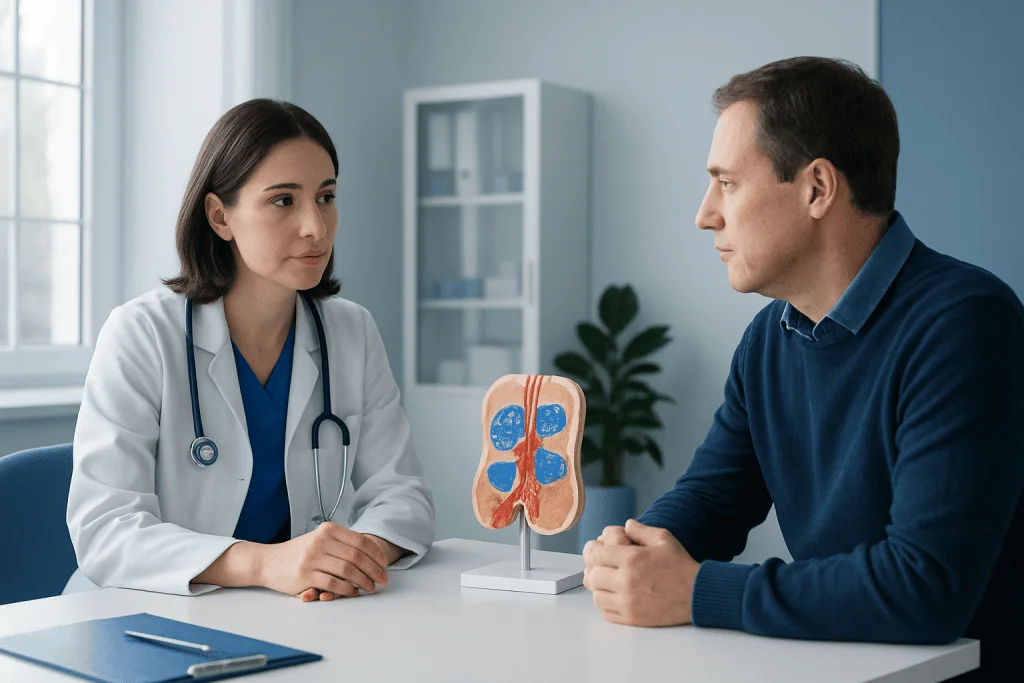
Most tumor suppressor gene changes found in cancers are acquired, also called somatic changes. They develop in individual cells over a person’s lifetime and are not present in every cell of the body. Somatic changes are not passed to children, but they can help doctors understand the biology of an existing tumor and, in some cases, guide treatment decisions.
Less commonly, a person is born with a harmful or likely harmful variant in a tumor suppressor gene. This is known as a germline variant. It is present in many or all cells and can be passed through families. Inheriting such a variant does not mean a person has cancer or will definitely develop it; it means the person may have a higher-than-average risk for certain cancers.
In many inherited cancer syndromes, a person begins life with one altered copy of a protective gene and later acquires changes affecting the remaining working copy in some cells. This helps explain why inherited variants can raise risk while still not causing cancer in every person. Family members may have different risks and may not all inherit the same variant.
Examples of Hereditary Cancer Syndromes
Some inherited changes in tumor suppressor genes are associated with recognizable patterns of cancer within families. For example, harmful variants in BRCA1 or BRCA2 can increase the risk of breast, ovarian, prostate, pancreatic, and some other cancers. Changes in mismatch-repair genes can cause Lynch syndrome, which is associated with a higher risk of colorectal, endometrial, and several other cancers.
Changes in APC can cause familial adenomatous polyposis, a condition in which many colorectal polyps can develop and cancer risk can become high without careful surveillance and management. Alterations in RB1 may be linked to retinoblastoma, a rare eye cancer that usually affects young children. Harmful TP53 variants may be associated with Li-Fraumeni syndrome, which can increase the risk of several cancer types at younger ages.
These examples are not exhaustive, and the same gene can be associated with different levels of risk depending on the exact variant, sex assigned at birth, age, family history, and other factors. A personal or family history of cancer is more informative when reviewed by a clinician trained in cancer genetics than when interpreted alone.
- Cancer diagnosed at an unusually young age
- More than one primary cancer in the same person
- Several close relatives with related cancers
- Rare cancers or rare tumor features in a family
- A known harmful genetic variant in a blood relative
How Testing and Diagnosis Work
Testing can mean different things in cancer care. Germline genetic testing usually examines blood, saliva, or another normal tissue sample to look for inherited variants. It may be considered when personal or family history suggests an inherited cancer predisposition. Genetic counseling before and after testing is valuable because it explains the potential benefits, limitations, emotional considerations, and possible implications for relatives.
Tumor testing examines cancer cells after a cancer diagnosis. It can identify genetic changes that developed within the tumor and may help classify the cancer, estimate prognosis in certain settings, or identify possible treatment approaches. A tumor result does not automatically show that a change was inherited; follow-up germline testing may sometimes be recommended.
Results are generally reported as positive for a pathogenic or likely pathogenic variant, negative, or uncertain. A variant of uncertain significance does not confirm increased inherited cancer risk and should usually not be used by itself to make major medical decisions. As scientific knowledge improves, some uncertain findings may later be reclassified.
What a Tumor Suppressor Gene Finding May Mean for Care
A confirmed inherited variant can help a healthcare team create a personalized plan for prevention and early detection. Depending on the gene, this may include earlier or more frequent screening, different imaging methods, risk-reducing medicines or surgery for selected people, and guidance on symptoms that should be assessed promptly. Recommendations are specific to the gene and the individual, rather than based on a single general rule.
When a tumor has a somatic gene change, the information may contribute to treatment planning. Some cancers with particular DNA-repair defects may respond to certain targeted medicines or immunotherapies, but suitability depends on the cancer type, stage, overall health, prior treatments, and full pathology results. Treatment choices should be discussed with an oncology team.
It can be helpful to share a confirmed inherited result with close family members, since they may have an opportunity to consider counseling and testing. However, genetic information is personal. A genetic counselor or physician can help a person communicate results clearly and understand which relatives may be most likely to benefit from evaluation.
Reducing Risk and Supporting Long-Term Health
It is not possible to change the genes a person inherits, and there is no proven lifestyle approach that completely prevents cancer in people with an inherited predisposition. Still, avoiding tobacco, limiting alcohol, protecting skin from ultraviolet radiation, maintaining a healthy weight where possible, staying physically active, and following recommended vaccination and screening advice can support overall health and reduce some cancer risks.
For people with a known inherited tumor suppressor gene variant, the most effective next step is often a structured surveillance plan. Regular screening can aim to find cancer early, when treatment may be simpler and more effective. The exact tests and timing vary considerably; for example, recommendations for a person with a BRCA variant differ from those for a person with Lynch syndrome.
Emotional responses to genetic information are common and may include worry, uncertainty, or concern for family members. Support from a genetic counselor, primary care clinician, cancer specialist, or mental health professional can be useful. Acibadem International’s multidisciplinary specialists and JCI-accredited hospitals support international patients who need genetic evaluation, cancer diagnosis, and individualized treatment planning.
When to Seek Medical Care
A person should speak with a doctor or genetic counselor if they have a strong family history of cancer, a relative with a known inherited cancer-related gene variant, or cancer diagnosed at a young age. Evaluation is also reasonable when one person has had multiple separate cancers or when a family includes uncommon cancer types or patterns that concern a clinician.
Anyone with persistent or unexplained symptoms should seek medical assessment rather than relying on genetic information alone. Symptoms such as a new lump, unusual bleeding, persistent changes in bowel or bladder habits, unexplained weight loss, ongoing pain, or a changing skin lesion often have causes other than cancer, but they deserve timely medical review when they do not resolve.
Urgent medical care is appropriate for severe symptoms such as heavy bleeding, sudden severe pain, difficulty breathing, fainting, or new neurological symptoms. A tumor suppressor gene result should be interpreted with a qualified healthcare professional, who can place it in the context of the person’s health, family history, and appropriate screening needs.
Frequently asked questions
What is the main function of tumor suppressor genes?
Tumor suppressor genes help prevent cells from growing and dividing in an uncontrolled way. They may slow the cell cycle, repair DNA damage, or help remove cells that have become too damaged to remain healthy.
Does a tumor suppressor gene mutation mean a person has cancer?
No. A gene change may increase cancer risk or be found within a tumor, but it does not automatically mean a person currently has cancer. The meaning depends on whether the change is inherited or acquired, the particular gene, and the person’s medical history.
Can tumor suppressor gene changes be inherited?
Yes, some harmful changes can be inherited from a parent and passed to children. However, most genetic changes found in cancers are acquired during life and are not inherited.
Who should consider genetic counseling for cancer risk?
Genetic counseling may be useful for people with a known familial gene variant, cancers diagnosed at young ages, multiple primary cancers, or several relatives with related cancers. A counselor can assess the family history and explain whether genetic testing may be informative.
Can lifestyle changes prevent cancer caused by inherited gene variants?
Healthy lifestyle choices can lower some cancer risks and support general wellbeing, but they cannot eliminate risk from an inherited cancer predisposition. Personalized screening and prevention recommendations remain important for people with confirmed harmful variants.
What is a variant of uncertain significance?
A variant of uncertain significance is a genetic change for which current evidence is insufficient to determine whether it affects cancer risk. It is not treated as proof of an inherited cancer syndrome, and its classification may be updated as research advances.
References
- National Cancer Institute
- Centers for Disease Control and Prevention
- American Cancer Society
- National Human Genome Research Institute
- World Health Organization
This article is for general information only and is not a substitute for professional medical advice. Please consult a qualified doctor about your individual situation.
Oncology care in Turkey — second opinion and treatment plan
JCI-accredited · board-certified surgeons · reply within 24h
Add us as a Preferred Source to see more of our trusted health content across Google Search, AI Overviews and Discover.

More from the Health Library



Related Specialists

Prof. Dr. Ferda Kahveci
Anesthesiology
Dr. Gülhan İpek Deniz
Medical Oncology
Dr. Akın Kürklü
Internal Medicine
Dr. Mehmet Altuğ
Orthopedic Surgery & Traumatology