Turmeric Face Mask: A Complete Medical Overview

A turmeric face mask is a cosmetic home remedy, not a medical treatment for eczema, acne, rosacea, or infection. Turmeric may have anti-inflammatory and antioxidant properties, but strong clinical evidence for homemade face masks is limited.
Key Takeaways
- A turmeric face mask is a cosmetic home remedy, not a medical treatment for eczema, acne, rosacea, or infection.
- Turmeric may have anti-inflammatory and antioxidant properties, but strong clinical evidence for homemade face masks is limited.
- Skin irritation, contact allergy, eye irritation, and yellow staining are the most common concerns.
- Patch testing and simple formulations are safer than using multiple active ingredients together.
- People with persistent rash, painful acne, swelling, blistering, or signs of infection should seek medical advice.
A turmeric face mask is a popular home skin care remedy, but its effects are often modest and it is not suitable for everyone. It may temporarily support the appearance of some skin types, yet it can also cause irritation, allergy, staining, or delay proper treatment of an underlying skin condition.
Overview: What a turmeric face mask can and cannot do
A turmeric face mask is a topical skin care mixture made with turmeric powder or turmeric-containing cosmetic products. People often use it in hopes of reducing excess oil, improving the look of uneven tone, or calming the appearance of mild irritation. In practice, a turmeric face mask may offer limited short-term cosmetic benefits for some individuals, but it should not be viewed as a proven treatment for medical skin conditions.
Turmeric contains compounds called curcuminoids, including curcumin, which have been studied for anti-inflammatory and antioxidant effects. However, much of the research involves purified ingredients, laboratory settings, or specially formulated products rather than homemade masks. This means a home turmeric face mask may behave very differently from ingredients tested in clinical research.
Another important point is that facial skin is sensitive. Natural ingredients are not automatically safe, and turmeric can irritate skin or trigger allergic contact dermatitis in some people. It may also temporarily stain the skin yellow, especially when used in large amounts or left on too long.
For people interested in trying a turmeric face mask, the safest approach is to treat it as an optional cosmetic step rather than a cure. If there is ongoing acne, facial redness, itching, scaling, or rash, it is better to identify the cause first, since conditions such as eczema or rosacea can worsen with unsuitable home remedies.
Possible benefits for skin appearance
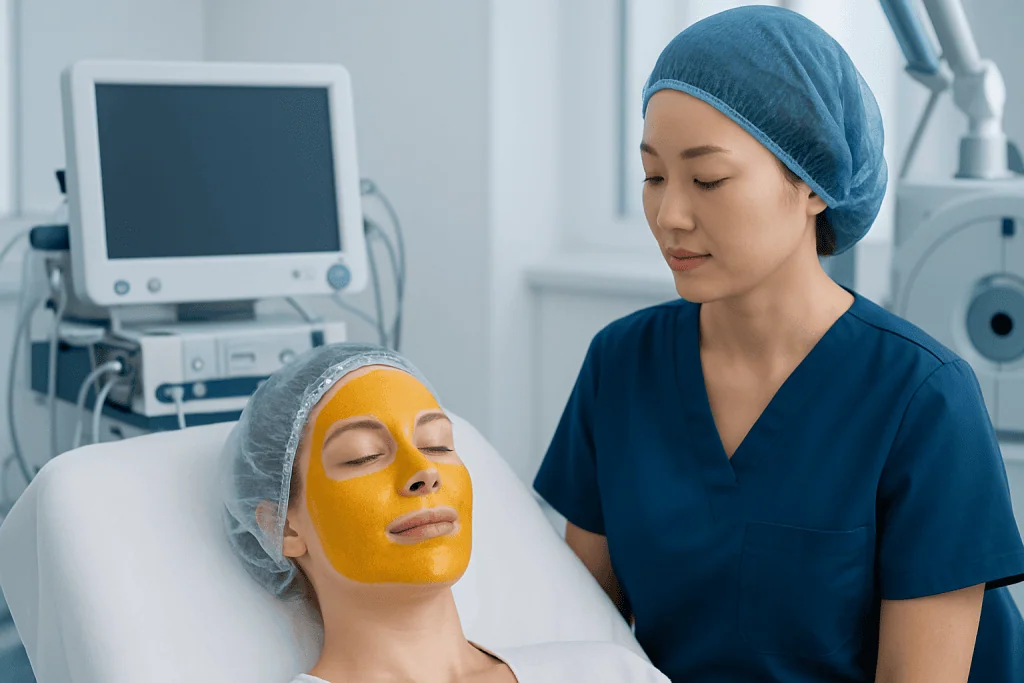
Some people report that a turmeric face mask makes the skin look fresher, less shiny, or more even for a short time. These effects may relate to turmeric’s anti-inflammatory activity, the absorbent effect of accompanying ingredients such as clay or yogurt, or simply the cleansing routine around mask use. The mask itself is usually not changing the underlying biology of chronic skin problems in a major way.
There may be mild cosmetic value for oily skin or for post-inflammatory marks left after acne. If inflammation on the skin surface is reduced, the complexion may appear calmer. Even so, homemade masks are unlikely to meaningfully treat active moderate or severe acne, deep pigmentation, or medical causes of redness.
Patients should also know that brightening claims can be misleading. A temporary glow may reflect exfoliation, hydration, or slight surface staining rather than a true change in melanin production. Lasting improvement in discoloration usually depends on sun protection, consistent skin care, and targeted medical treatments when needed.
- Possible short-term benefits: reduced oiliness, smoother feel, and a calmer appearance
- Less certain benefits: visible fading of marks, long-term brightening, or acne control
- Not established: treatment of infection, significant scarring, or inflammatory skin disease
Risks, side effects, and who should be cautious
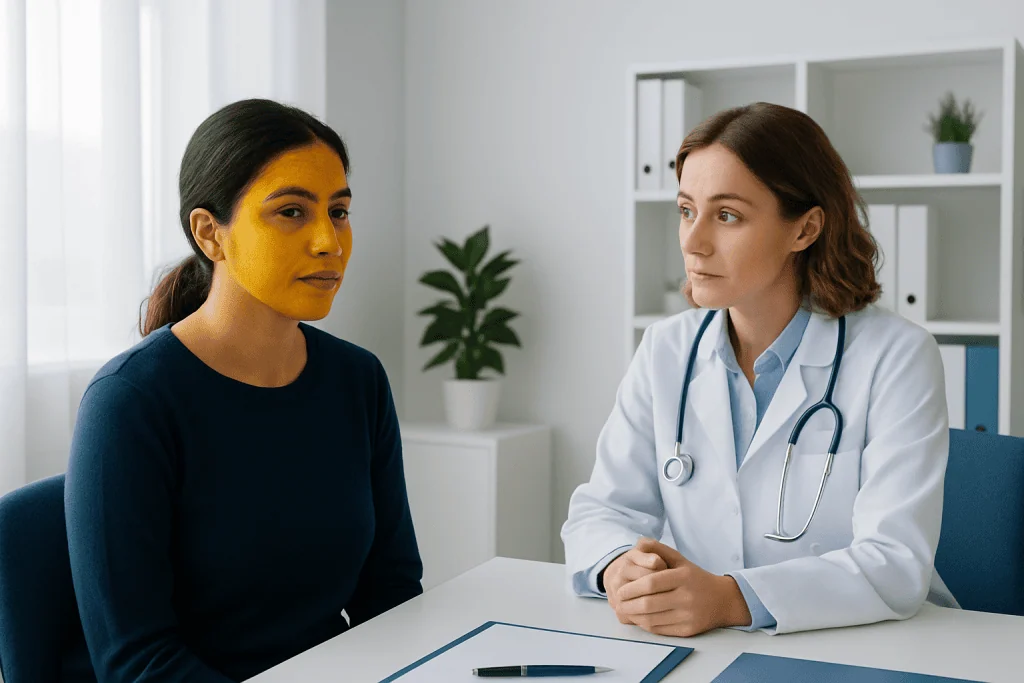
The most common downside of a turmeric face mask is irritation. This may include burning, stinging, redness, dryness, tightness, or worsening sensitivity. These reactions are more likely in people with a damaged skin barrier, recent exfoliation, sunburn, eczema, rosacea, or use of strong active ingredients such as retinoids or acids.
Contact allergy is another concern. A person may react to turmeric itself or to other ingredients mixed into the mask, such as essential oils, lemon juice, fragrance, or preservatives. Allergic contact dermatitis can look like an itchy rash, swelling, scaling, or even blistering. Citrus juice and baking soda are especially poor choices for the face because they can disrupt the skin barrier and increase irritation.
Turmeric can also stain skin, towels, clothing, and bathroom surfaces. Yellow staining on the face is usually temporary, but it may be frustrating, especially in people with fair skin or before social events. Eye exposure should be avoided because powder or liquid near the eyes can cause irritation and discomfort.
Extra caution is sensible for children, anyone with highly reactive skin, and people with known plant or spice allergies. Those already treating skin problems with prescription products should ask a clinician before adding home masks, since layering multiple irritants can lead to a flare rather than improvement.
How to use a turmeric face mask more safely
If someone chooses to try a turmeric face mask, a simple and gentle approach is safest. The product or mixture should be used on intact skin only, not on cuts, scratched areas, inflamed cysts, or skin that is peeling after cosmetic procedures. Before any first use, a patch test on a small area such as the jawline or behind the ear can help identify early irritation.
It is generally better to use a small amount, leave it on for a short time, and rinse well with lukewarm water. Overuse is a common mistake. More frequent application does not necessarily produce better results and may increase dryness or sensitivity. A bland moisturizer afterward can help support the skin barrier.
People should avoid mixing turmeric with harsh or irritating ingredients, especially lemon juice, undiluted essential oils, or abrasive scrubs. On the same day, it is wise not to combine a turmeric face mask with retinoids, exfoliating acids, benzoyl peroxide, or other strong actives unless a clinician has advised this routine. Daily sunscreen remains important because improving the appearance of marks or uneven tone is difficult without sun protection.
- Patch test before first use
- Apply to clean, dry, unbroken skin
- Keep the formula simple and fragrance-free when possible
- Stop immediately if burning, swelling, or significant redness occurs
When skin concerns may need medical evaluation
Not every facial concern is suitable for self-care. Persistent redness, repeated flushing, itching, scaling around the nose or eyebrows, painful pimples, facial swelling, or a rash that returns after home treatment may point to an underlying diagnosis that needs proper assessment. In these situations, the main issue is less about whether turmeric is helpful and more about identifying what is actually affecting the skin.
Common conditions can resemble one another. Acne may coexist with post-inflammatory pigmentation, while rosacea may be mistaken for sensitive skin. Eczema, seborrheic dermatitis, fungal infection, and perioral dermatitis can also be confused with dryness or product reaction. A correct diagnosis often changes the treatment plan significantly.
When needed, a dermatologist may recommend evidence-based skin care, prescription anti-inflammatory creams, acne treatments, or procedural options. For example, resistant marks or texture changes may benefit from specialist assessment rather than repeated home masking. Depending on the cause, options can include dermatology evaluation, chemical peel approaches, or laser treatment in selected cases.
At Acibadem International, multidisciplinary specialists in JCI-accredited hospitals evaluate and treat skin concerns for international patients, especially when home remedies have not helped or when a medical skin disorder is suspected.
When to seek medical care
Medical advice is appropriate if a turmeric face mask causes a strong reaction or if symptoms do not improve after stopping it. Signs that should not be ignored include marked swelling, intense burning, blistering, pus, crusting, or a rash spreading beyond the area of application. These symptoms may indicate allergic contact dermatitis, infection, or significant skin barrier injury.
A doctor should also assess facial skin problems that are painful, persistent, or affecting daily life. Acne that leaves scars, redness that worsens with heat or skincare products, dark patches that continue to spread, or itching severe enough to disturb sleep all deserve professional review. Early evaluation can prevent prolonged irritation and reduce the risk of complications such as scarring or chronic sensitivity.
Urgent care is especially important if there is difficulty breathing, swelling of the lips or eyelids, or symptoms involving the eyes. Eye redness, tearing, or pain after accidental contact with a mask should be evaluated promptly. In general, if uncertainty exists about whether a reaction is minor, it is safer to speak with a qualified healthcare professional.
Practical prevention and better skin-care alternatives
For many people, prevention matters more than occasional masking. A gentle cleanser, a non-comedogenic moisturizer, and regular sunscreen often do more for long-term skin appearance than repeated DIY treatments. Building a simple routine also makes it easier to notice which product is helping and which one may be causing irritation.
Those with acne-prone or easily inflamed skin usually benefit from evidence-based approaches rather than experimenting with multiple home mixtures. Over-cleansing, scrubbing, and applying several active ingredients at once can weaken the skin barrier and make discoloration or redness last longer. If a person wishes to use turmeric, it should remain a minor part of care, not the center of treatment.
For persistent concerns, structured medical skin care can be more predictable. Depending on the diagnosis, clinicians may advise targeted topicals, supervised exfoliating treatments, or other options matched to skin type and sensitivity. This is often more effective and safer than repeating a turmeric face mask despite limited results.
In summary, a turmeric face mask may be reasonable for selected individuals who patch test carefully and use it sparingly, but it is not a substitute for diagnosis or treatment. If the goal is healthier skin rather than a one-time cosmetic experiment, consistency, barrier protection, and expert advice usually offer the best outcomes.
Frequently asked questions
Is a turmeric face mask good for skin?
A turmeric face mask may offer mild cosmetic benefits for some people, such as reducing the appearance of oiliness or making the skin look calmer for a short time. However, it is not a proven treatment for skin disease and can irritate sensitive skin.
Can a turmeric face mask help acne?
It may slightly improve the look of mild inflammation in some cases, but it does not reliably treat active acne. Moderate, severe, painful, or scarring acne should be assessed by a doctor because medical treatment is often more effective.
How often should turmeric be used on the face?
There is no medically established schedule for homemade turmeric masks. If used at all, it should be occasional, with patch testing first and careful attention to any redness, burning, or dryness.
Can turmeric damage facial skin?
Yes, it can cause irritation or allergic contact dermatitis, especially in people with sensitive skin or when mixed with harsh ingredients. The risk rises when it is combined with lemon juice, essential oils, scrubs, or strong acne products.
Does turmeric stain the skin?
It can temporarily leave a yellow tint on the skin, particularly if a concentrated powder is used or the mask is left on too long. Staining usually fades, but it can also mark clothing, towels, and surfaces.
Who should avoid a turmeric face mask?
People with eczema, rosacea, very sensitive skin, active facial rash, open skin, or a history of spice or plant allergies should be especially cautious. It is also best avoided around the eyes and after procedures that already make the skin vulnerable.
References
- American Academy of Dermatology
- National Center for Complementary and Integrative Health
- National Eczema Association
- British Association of Dermatologists
- Mayo Clinic
This article is for general information only and is not a substitute for professional medical advice. Please consult a qualified doctor about your individual situation.
Explore treatments in Turkey — costs, top hospitals & a free quote
JCI-accredited · board-certified surgeons · reply within 24h
Add us as a Preferred Source to see more of our trusted health content across Google Search, AI Overviews and Discover.

More from the Health Library



Related Specialists

Embriyolog Gülsüm Tüysüz
Vitro Fertilization and Reproductive Medicine Center
Fzt. Atilla Murat Ünver
Physical Medicine & Rehabilitation
Prof. Dr. Yusuf Kenan Yalçınbaş
Cardiovascular Surgery
Dr. Bilge Şentürk Çataloğlu
Anesthesiology