Type 1 Diabetes in Children: Early Warning Signs and What Diagnosis Involves

Type 1 diabetes happens when the body can no longer make enough insulin. Common early signs include excessive thirst, frequent urination, weight loss, and fatigue.
Key Takeaways
- Type 1 diabetes happens when the body can no longer make enough insulin.
- Common early signs include excessive thirst, frequent urination, weight loss, and fatigue.
- Diagnosis usually involves blood glucose testing and may include HbA1c, ketone, and antibody tests.
- Children with vomiting, deep breathing, confusion, or severe sleepiness need urgent medical attention.
- Treatment includes lifelong insulin, glucose monitoring, nutrition guidance, and family education.
- With good support and follow-up, most children with type 1 diabetes can live active, healthy lives.
Type 1 diabetes in children often begins with subtle changes such as increased thirst, more frequent urination, tiredness, and weight loss. Recognizing these early warning signs and seeking prompt medical care can lead to a faster diagnosis and safer treatment.
Overview
Type 1 diabetes in children is a long-term autoimmune condition in which the immune system attacks the insulin-producing cells in the pancreas. Insulin is a hormone that helps glucose move from the bloodstream into the body’s cells to be used for energy. Without enough insulin, blood glucose rises, while the body’s tissues are left without the fuel they need.
This condition can begin at any age in childhood, from toddlers to teenagers. Symptoms may appear over days or weeks, and they can sometimes be mistaken for a growth spurt, a minor illness, or simply a busy school period. Because the onset can be quick, families often notice a sudden change in their child’s drinking, bathroom habits, appetite, or energy.
Type 1 diabetes is different from type 2 diabetes. It is not caused by eating too much sugar, lack of exercise, or parenting choices. Early medical assessment is important because untreated type 1 diabetes can lead to dehydration and a serious emergency called diabetic ketoacidosis, sometimes shortened to DKA.
Early Warning Signs and Symptoms
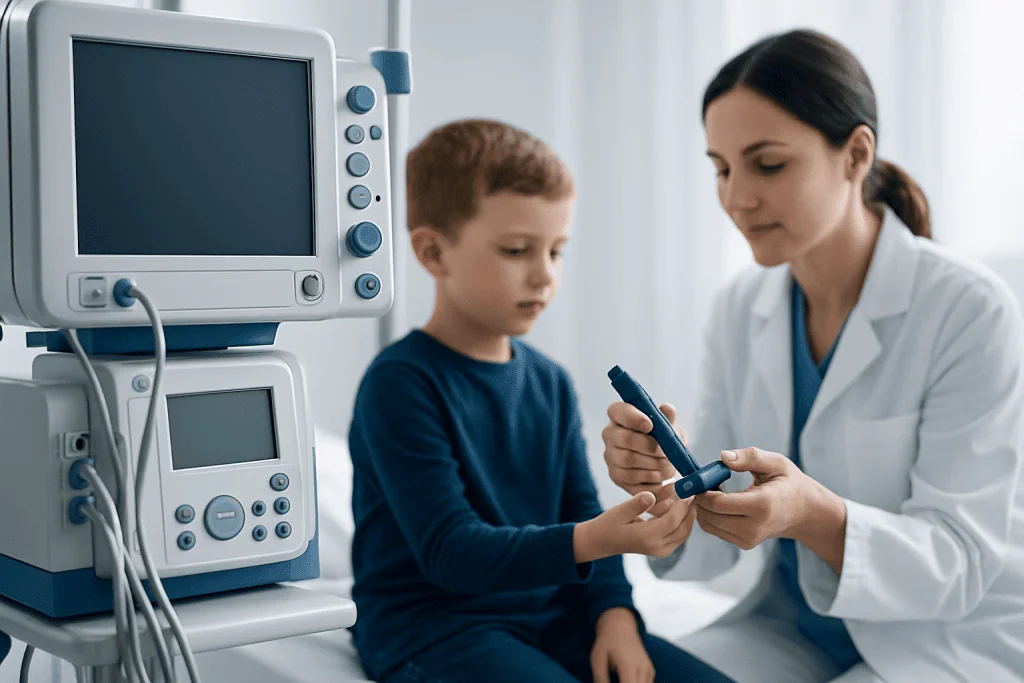
The classic early signs of type 1 diabetes in children are increased thirst, frequent urination, unexplained weight loss, and unusual tiredness. A child may start waking at night to drink water or use the bathroom, ask for more drinks than usual, or wet the bed after previously being dry at night. Some children also seem hungrier than usual because their bodies cannot properly use glucose for energy.
Other symptoms can include blurred vision, irritability, trouble concentrating, stomach pain, nausea, and recurrent infections such as thrush or skin infections. In younger children, signs may be less specific and harder to spot. Parents may notice clinginess, crankiness, reduced playfulness, or diapers becoming unusually heavy and wet.
If diabetes remains untreated, symptoms can progress to warning signs of diabetic ketoacidosis. These include vomiting, abdominal pain, deep or rapid breathing, fruity-smelling breath, extreme drowsiness, and confusion. DKA is a medical emergency and needs urgent care right away.
- Very thirsty or dry mouth
- Frequent urination or bedwetting
- Weight loss despite eating normally
- Fatigue or low energy
- Blurred vision
- Nausea, vomiting, or belly pain
- Rapid breathing or unusual sleepiness
What Causes It and Who Is at Risk

Type 1 diabetes develops when the body’s immune system mistakenly destroys the beta cells in the pancreas that make insulin. The exact reason this autoimmune reaction starts is not fully understood. Experts believe that both genetic and environmental factors may play a role, but no single cause explains every case.
A family history of type 1 diabetes or other autoimmune conditions can increase risk, although many children diagnosed with type 1 diabetes have no close relative with the condition. Researchers also study possible triggers such as viral infections and other environmental exposures, but these do not mean that a parent or child did anything wrong.
It is important for families to know what does not cause type 1 diabetes. It is not caused by sweets, poor discipline, emotional stress alone, or being overweight. Understanding this can help reduce guilt and allow families to focus on early recognition, treatment, and daily support.
How Diagnosis Is Made
Doctors diagnose type 1 diabetes using blood glucose tests and the child’s symptoms. If a child has typical symptoms together with a clearly high blood glucose level, the diagnosis can often be made quickly. Because the condition can become serious fast, testing should not be delayed when warning signs are present.
Common tests include a finger-prick or laboratory blood glucose test and an HbA1c test, which reflects average blood sugar levels over the previous two to three months. Urine or blood ketone testing may also be done, especially if the child is unwell, vomiting, or breathing rapidly. If needed, doctors may request additional blood tests to look for diabetes-related autoantibodies and to help confirm the type of diabetes.
When symptoms are severe or there is concern about dehydration or DKA, the child may need assessment in an emergency setting. Doctors may check electrolytes, acid-base balance, and signs of infection or other illness. Prompt diagnosis helps start treatment early and lowers the risk of complications.
In some children, specialists may also consider other forms of diabetes if the presentation is unusual, but classic type 1 diabetes is the most common cause of sudden insulin deficiency in childhood. Conditions related to blood sugar regulation, including diabetes, are best evaluated by a pediatric endocrinology team when possible.
What Happens After Diagnosis
After diagnosis, the first priority is to make the child medically stable and begin insulin treatment. If the child has diabetic ketoacidosis, treatment usually starts in hospital with fluids, insulin, and careful monitoring. If the child is stable and diagnosed early, the care team may begin education and treatment planning soon after the diagnosis is confirmed.
Families are usually introduced to the basics of daily diabetes care, including insulin use, blood glucose monitoring, meal planning, recognizing low and high blood sugar, and what to do during illness. This can feel overwhelming at first, but parents and children learn step by step with support from doctors, diabetes nurses, and dietitians. Many families become much more confident within the first weeks.
Doctors also explain target glucose ranges, follow-up visits, and how school or daycare staff can support the child. Emotional adjustment matters too. Children may feel scared, angry, or confused, while parents may feel shocked or guilty. Reassurance, clear education, and ongoing communication with the care team can make this transition easier.
Treatment Options and Daily Management
Type 1 diabetes requires lifelong insulin because the body can no longer produce enough of its own. Insulin may be given through multiple daily injections or an insulin pump, depending on the child’s age, lifestyle, and medical needs. Many children also use continuous glucose monitoring systems to help track glucose levels throughout the day and night.
Treatment is not only about insulin. Daily management also includes balancing meals, physical activity, sleep, school routines, and monitoring for low blood sugar. Children and families are taught how carbohydrates affect blood sugar, when to check glucose, and how to respond if levels are too low or too high. This education helps children stay safe while taking part in normal childhood activities.
Regular follow-up is important because a child’s insulin needs change with growth, puberty, illness, and activity. Care may include insulin pump therapy for children who are suitable candidates, as well as structured continuous glucose monitoring to guide day-to-day decisions. Over time, the team also screens for associated autoimmune conditions and supports the child’s physical and emotional well-being.
Some children may experience episodes of low blood sugar, also called hypoglycemia, especially during exercise, missed meals, or changes in insulin needs. Families are taught how to recognize and treat low blood sugar quickly. Related concerns such as hypoglycemia should always be discussed with the child’s diabetes team so that the treatment plan can be adjusted safely.
Prevention, Self-care, and Family Support
At present, there is no proven way to prevent type 1 diabetes in most children. What families can do is reduce the risk of delayed diagnosis by knowing the early warning signs and acting quickly if they appear. Parents, teachers, caregivers, and older children themselves should understand that sudden thirst, frequent urination, and weight loss deserve prompt medical review.
Once diagnosed, self-care centers on routines, preparation, and support rather than perfection. Helpful habits include keeping glucose supplies accessible, planning for school and sports, learning sick-day rules, and making sure all caregivers know what to do in an emergency. Children usually do best when diabetes care is integrated into everyday life in a calm and consistent way.
Emotional support is just as important as medical care. Children may worry about being different from their friends, while parents may feel pressure to get everything right. Encouragement, age-appropriate independence, and regular contact with the diabetes team can help build confidence. In selected cases, technology-based approaches such as glucose monitoring systems may make daily management easier, but the best plan is always individualized.
When to See a Doctor
A child should see a doctor promptly if there is new excessive thirst, frequent urination, bedwetting after being dry, unexplained weight loss, or marked fatigue. It is better to have these symptoms checked early than to wait for them to worsen. A simple blood glucose test can often provide quick answers.
Urgent medical care is needed if the child has vomiting, stomach pain, deep or rapid breathing, confusion, severe weakness, or unusual sleepiness. These can be signs of diabetic ketoacidosis, which requires emergency treatment. Parents should not try to manage these symptoms at home without medical advice.
Ongoing care after diagnosis is also essential. Regular appointments help adjust insulin, review growth and development, and support school, sports, and emotional health. Near the end of the care journey discussion, families may wish to know that Acibadem International’s multidisciplinary specialists in JCI-accredited hospitals diagnose and treat type 1 diabetes in children for international patients, with care plans tailored to pediatric needs.
Frequently asked questions
What are the first signs of type 1 diabetes in children?
The most common first signs are increased thirst, frequent urination, weight loss, and unusual tiredness. Some children also have increased hunger, blurred vision, bedwetting, or irritability. These symptoms often develop over a short period of time.
Can type 1 diabetes in children come on suddenly?
Yes. Type 1 diabetes can develop quickly, sometimes over days to a few weeks. Because the symptoms may seem mild at first, it is important to seek medical advice promptly if they appear.
How is type 1 diabetes diagnosed in a child?
Doctors usually diagnose it with blood glucose testing together with the child's symptoms. They may also order an HbA1c test, ketone testing, and sometimes antibody tests to confirm the type of diabetes. If the child is unwell, hospital-based tests may be needed urgently.
Is type 1 diabetes caused by diet or too much sugar?
No. Type 1 diabetes is an autoimmune condition and is not caused by eating sugar or by parenting choices. Diet still matters after diagnosis because it helps with glucose management, but it is not the cause of the disease.
What is diabetic ketoacidosis and why is it serious?
Diabetic ketoacidosis, or DKA, happens when the body does not have enough insulin and starts breaking down fat for energy, leading to a dangerous buildup of acids called ketones. It can cause vomiting, stomach pain, deep breathing, dehydration, and confusion. DKA is a medical emergency and needs immediate treatment.
Will a child with type 1 diabetes always need insulin?
Yes. Children with type 1 diabetes need insulin for life because their pancreas no longer makes enough of it. The form of insulin treatment may vary, but insulin remains the foundation of care.
Can children with type 1 diabetes live normal, active lives?
Yes. With insulin, regular monitoring, education, and family support, most children can go to school, play sports, travel, and enjoy daily life. Ongoing follow-up helps adjust treatment as the child grows and their needs change.
References
- World Health Organization
- International Diabetes Federation
- American Diabetes Association
- National Institute of Diabetes and Digestive and Kidney Diseases
- International Society for Pediatric and Adolescent Diabetes
This article is for general information only and is not a substitute for professional medical advice. Please consult a qualified doctor about your individual situation.
Type 1 Diabetes in Turkey — costs, top hospitals & a free quote
JCI-accredited · board-certified surgeons · reply within 24h
Add us as a Preferred Source to see more of our trusted health content across Google Search, AI Overviews and Discover.