

Ulcerative Colitis: Bloody Diarrhea, Flares, and Long-Term Care

Ulcerative colitis causes inflammation and ulcers in the colon and rectum. Common symptoms include bloody diarrhea, urgency, abdominal cramps, and fatigue.
Key Takeaways
- Ulcerative colitis causes inflammation and ulcers in the colon and rectum.
- Common symptoms include bloody diarrhea, urgency, abdominal cramps, and fatigue.
- The condition usually follows a pattern of flares and quieter periods called remission.
- Diagnosis often involves stool tests, blood tests, and colonoscopy with biopsies.
- Treatment may include anti-inflammatory medicines, immune-targeting therapy, nutrition support, and sometimes surgery.
- Regular follow-up is important to control symptoms, prevent complications, and monitor colon cancer risk.
Ulcerative colitis is a chronic inflammatory bowel disease that affects the lining of the large intestine and rectum. It often causes bloody diarrhea, abdominal discomfort, and periods of flare and remission, but many people manage it well with ongoing medical care.
Overview
Ulcerative colitis is a long-term condition in which the immune system is linked to ongoing inflammation in the inner lining of the large intestine, also called the colon, and the rectum. It belongs to a group of conditions called inflammatory bowel disease, or IBD. Unlike temporary stomach infections, ulcerative colitis is a chronic disease that usually needs continuing care.
The inflammation begins in the rectum and may stay there or spread upward through part or all of the colon. Because the bowel lining becomes inflamed and fragile, it can bleed easily and produce mucus. This is why bloody diarrhea is one of the most recognized symptoms.
Symptoms often come and go. Many people have flares, when symptoms become more active, followed by remission, when symptoms improve or disappear for a time. Although there is currently no single permanent cure for the disease itself, treatment can help control inflammation, reduce flares, and protect quality of life.
Symptoms and How Flares Feel
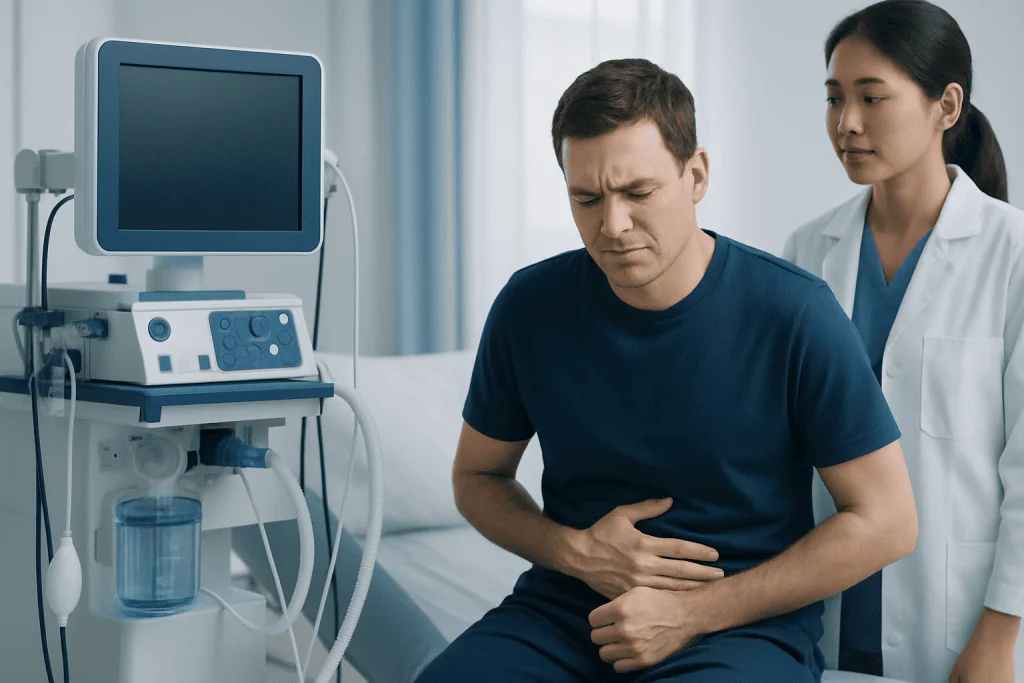
Ulcerative colitis symptoms can vary from mild to severe. Some people have only occasional symptoms, while others have more frequent or disruptive flares. The most common symptom is diarrhea mixed with blood, but the condition can also affect energy levels, appetite, and daily routines.
During a flare, symptoms may build gradually or worsen more suddenly. Typical symptoms include:
- Bloody diarrhea
- Urgent need to have a bowel movement
- Abdominal cramping or pain
- Rectal bleeding or mucus
- Feeling that the bowel does not empty fully
- Fatigue and weakness
- Reduced appetite and unintended weight loss
Some people also develop symptoms outside the bowel. These may include joint pain, eye inflammation, mouth ulcers, or skin problems. Children and teenagers may show poor growth or delayed development if inflammation affects nutrition over time.
Not every episode of diarrhea means an ulcerative colitis flare. Infections, certain medicines, or food intolerance can also worsen bowel symptoms. Because of this, a doctor may need to confirm whether symptoms are due to active inflammation or another cause.
Causes and Risk Factors
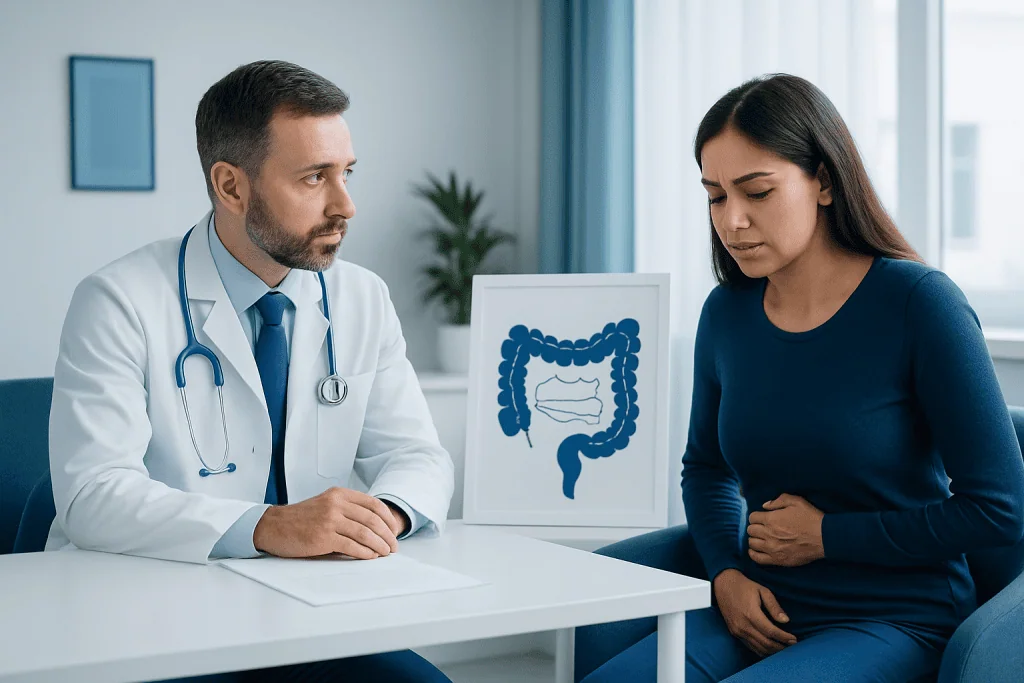
The exact cause of ulcerative colitis is not fully understood. Experts believe it develops through a combination of immune system activity, genetic tendency, and environmental influences. It is not caused by stress alone, and it is not simply the result of eating the wrong foods.
In ulcerative colitis, the immune system appears to react abnormally in the intestinal lining, leading to persistent inflammation. A family history of inflammatory bowel disease can increase risk, which suggests that inherited factors may play a role. However, many people with ulcerative colitis have no known family history.
Certain factors may be associated with symptom worsening rather than causing the disease itself. These can include bowel infections, use of some anti-inflammatory pain medicines, smoking changes, emotional stress, and poor sleep. Food does not directly cause ulcerative colitis, but specific foods may aggravate symptoms during a flare.
Doctors may also consider other conditions that can look similar, including infections, Crohn's disease, ischemic colitis, and irritable bowel syndrome. Distinguishing among these is important because treatment and long-term monitoring are different.
Diagnosis
Diagnosing ulcerative colitis usually starts with a careful review of symptoms, medical history, and a physical examination. A doctor may ask about bleeding, bowel frequency, nighttime symptoms, weight changes, and family history. Because several illnesses can mimic ulcerative colitis, testing is needed to confirm the diagnosis.
Blood tests can look for anemia, inflammation, dehydration, and nutritional deficiencies. Stool tests help check for infection and can also measure markers of intestinal inflammation. These steps are especially helpful when someone has new bloody diarrhea or a possible flare.
The most important test is often a colonoscopy or flexible sigmoidoscopy with biopsy. This lets the doctor directly examine the bowel lining and take small tissue samples for laboratory review. Imaging tests may also be used if complications are suspected or if the diagnosis is unclear. In many cases, colonoscopy is central to confirming the extent and pattern of disease.
After diagnosis, doctors may classify ulcerative colitis by how much of the colon is involved and how active the inflammation is. This helps guide treatment choices and future monitoring, including cancer surveillance when appropriate.
Treatment Options
Treatment aims to reduce inflammation, bring on remission, maintain symptom control, and prevent complications. The best approach depends on how severe the disease is, which part of the colon is affected, whether symptoms are ongoing or flaring, and how a person has responded to previous treatment.
Medicines often include anti-inflammatory drugs, corticosteroids for short-term flare control, immune-modifying medicines, and biologic or other targeted therapies. Some treatments are taken by mouth, while others may be given rectally as suppositories or enemas, especially when disease mainly affects the rectum or lower colon. For moderate to severe disease, a specialist may recommend biological therapy as part of a long-term plan.
Supportive care matters too. This may include treatment for anemia, hydration, nutrition support, and symptom management. In selected cases, particularly when severe inflammation does not respond to medicine or when complications develop, surgery to remove the colon may be considered. Surgery can eliminate colonic disease, but it is a major decision that requires careful counseling.
Regular follow-up with a gastroenterologist is important because treatment often needs adjustment over time. Near the end of the care pathway, some people may benefit from coordinated input from gastroenterology, surgery, nutrition, and radiology teams. Acibadem International’s multidisciplinary specialists and JCI-accredited hospitals diagnose and treat ulcerative colitis for international patients, including advanced gastroenterology evaluation when needed.
Prevention, Self-care, and Long-Term Monitoring
There is no proven way to completely prevent ulcerative colitis, but good self-care can help reduce symptom triggers and support overall health. Many people benefit from learning their personal patterns, such as foods that are harder to tolerate during flares, sleep disruption, or stress that worsens symptoms. Keeping a symptom diary can be useful.
Helpful self-care steps may include:
- Taking medicines exactly as prescribed, even during remission
- Drinking enough fluids, especially during diarrhea
- Choosing simple, easy-to-tolerate foods during flares if advised by a doctor or dietitian
- Avoiding nonsteroidal anti-inflammatory drugs unless a doctor says they are safe
- Not smoking or changing smoking habits without medical guidance
- Managing stress with relaxation, counseling, exercise, or sleep support
Long-term monitoring is an important part of care. People with longstanding ulcerative colitis may need regular colonoscopy checks because chronic inflammation can raise the risk of colon cancer over time. Doctors may also monitor bone health, nutrition, vaccinations, and medicine side effects.
Emotional well-being also deserves attention. Living with an unpredictable condition can be tiring and frustrating, especially if symptoms affect school, work, travel, or social life. Support groups, counseling, and trusted medical guidance can help people feel more in control.
When to See a Doctor
Anyone with ongoing bloody diarrhea, rectal bleeding, persistent abdominal pain, or unexplained weight loss should arrange medical evaluation. These symptoms are not always caused by ulcerative colitis, but they should not be ignored. Early assessment can help identify the cause and start appropriate treatment sooner.
People already diagnosed with ulcerative colitis should contact their doctor if symptoms suddenly worsen, bowel movements become much more frequent, or medicines no longer seem to be working. Fever, severe weakness, signs of dehydration, or inability to keep fluids down may also need prompt attention.
Urgent medical care is especially important for severe abdominal swelling, severe pain, heavy bleeding, dizziness, or signs of serious infection. These symptoms can suggest a complication and should be assessed quickly. A qualified healthcare professional can advise on whether home management is appropriate or whether hospital care is needed.
Frequently asked questions
Is ulcerative colitis the same as irritable bowel syndrome?
No. Ulcerative colitis is an inflammatory bowel disease that causes visible inflammation and ulcers in the colon, while irritable bowel syndrome does not cause this kind of tissue damage. Both can affect bowel habits, but ulcerative colitis can also cause bleeding, anemia, and other inflammatory complications.
Can ulcerative colitis be cured?
Ulcerative colitis is usually a lifelong condition, but many people achieve long periods of remission with treatment. Surgery to remove the colon can eliminate the diseased bowel, but it is not necessary for everyone and has its own long-term considerations. A doctor can explain which approach fits a person's situation.
What foods should someone avoid during a flare?
Food triggers vary from person to person, so there is no single ulcerative colitis diet for everyone. During a flare, some people tolerate bland, lower-fiber, easier-to-digest foods better than raw vegetables, spicy meals, alcohol, or high-fat foods. A dietitian or doctor can help create a safe and practical eating plan.
Does stress cause ulcerative colitis?
Stress is not considered the main cause of ulcerative colitis. However, stress can worsen symptoms or make a flare feel harder to manage in some people. Stress support, sleep, and mental health care can be useful parts of overall treatment.
Is bloody diarrhea always caused by ulcerative colitis?
No. Bloody diarrhea can also happen with infections, hemorrhoids, other bowel diseases, and less commonly more serious conditions. Because the cause is not always obvious, anyone with ongoing or recurrent bleeding should seek medical evaluation.
Will a person with ulcerative colitis always need surgery?
No. Many people manage ulcerative colitis successfully with medicines and regular follow-up. Surgery is usually considered when symptoms remain severe, complications develop, or medicines do not control the disease adequately.
References
- World Health Organization
- National Institute of Diabetes and Digestive and Kidney Diseases
- Crohn's & Colitis Foundation
- American College of Gastroenterology
- National Health Service
This article is for general information only and is not a substitute for professional medical advice. Please consult a qualified doctor about your individual situation.
Ulcerative Colitis in Turkey — costs, top hospitals & a free quote
JCI-accredited · board-certified surgeons · reply within 24h
Add us as a Preferred Source to see more of our trusted health content across Google Search, AI Overviews and Discover.

More from the Health Library



Related Specialists

Assoc. Prof. Dr. Tonguç Utku Yilmaz
General Surgery
Dr. Mehmet Behram Çam
Otorhinolaryngology
Prof. Dr. Arel Gereli
Orthopedic Surgery & Traumatology
Dr. Ahsen Ercan
Physical Medicine & Rehabilitation