Ulcerative Colitis Diet: Benefits, Risks, and Safe Use

No single ulcerative colitis diet works for everyone, and diet alone does not treat intestinal inflammation. Food changes may ease symptoms such as diarrhea, bloating, or urgency, especially during flare-ups.
Key Takeaways
- No single ulcerative colitis diet works for everyone, and diet alone does not treat intestinal inflammation.
- Food changes may ease symptoms such as diarrhea, bloating, or urgency, especially during flare-ups.
- Restrictive diets can cause weight loss, dehydration, and vitamin or mineral deficiencies if used without guidance.
- A food and symptom diary can help identify personal triggers more reliably than broad elimination rules.
- Medical review is important if symptoms worsen, bleeding increases, or eating becomes difficult.
An ulcerative colitis diet can help some people reduce symptoms and support nutrition, but it does not cure the disease and it is not the same for everyone. The safest approach is a personalized eating plan that considers flare-ups, remission, medication use, and risk of deficiencies.
Overview: what an ulcerative colitis diet can and cannot do
An ulcerative colitis diet is a way of adjusting food and drink choices to reduce digestive discomfort and support overall nutrition in people with ulcerative colitis. In practical terms, it may help with symptoms such as diarrhea, abdominal cramping, bloating, urgency, or poor appetite. However, no single diet has been proven to cure ulcerative colitis or replace medical treatment.
Ulcerative colitis is a long-term inflammatory bowel disease that affects the lining of the colon and rectum. Symptoms often change over time, with periods of flare and remission. Because of this, food tolerance can also change. A meal that feels manageable during remission may be difficult during an active flare.
The strongest evidence supports a personalized approach rather than one universal food plan. Many patients benefit from identifying trigger foods, preventing undernutrition, and choosing easy-to-digest options when symptoms are active. Clinical care still focuses on diagnosing and controlling inflammation, often alongside nutrition support for people living with ulcerative colitis.
How diet affects symptoms in ulcerative colitis

Diet can influence symptoms, but it does not affect every person in the same way. Some foods may increase stool frequency, gas, or cramping because they are harder to digest, draw extra water into the bowel, or stimulate the intestine. During a flare, the bowel may be more sensitive, making high-fiber, fatty, spicy, or lactose-containing foods harder to tolerate for some people.
It is also important to separate symptom relief from inflammation control. A food may seem to “agree” with the gut because it causes less discomfort, but that does not mean it is treating the underlying immune-driven inflammation. In the same way, a healthy food such as raw vegetables may cause symptoms during a flare without being harmful in the long term.
Patients often do best with a flexible plan. Rather than following strict internet rules, many people benefit from asking two questions: which foods worsen symptoms right now, and which foods help maintain energy, hydration, and weight? This practical approach can make diet changes safer and more sustainable.
- During flares, soft and bland foods may be easier to tolerate.
- During remission, a broader and more balanced diet is usually preferred.
- Hydration matters, especially when diarrhea is frequent.
- Sudden weight loss or food fear should prompt medical and dietetic review.
What evidence supports and does not support
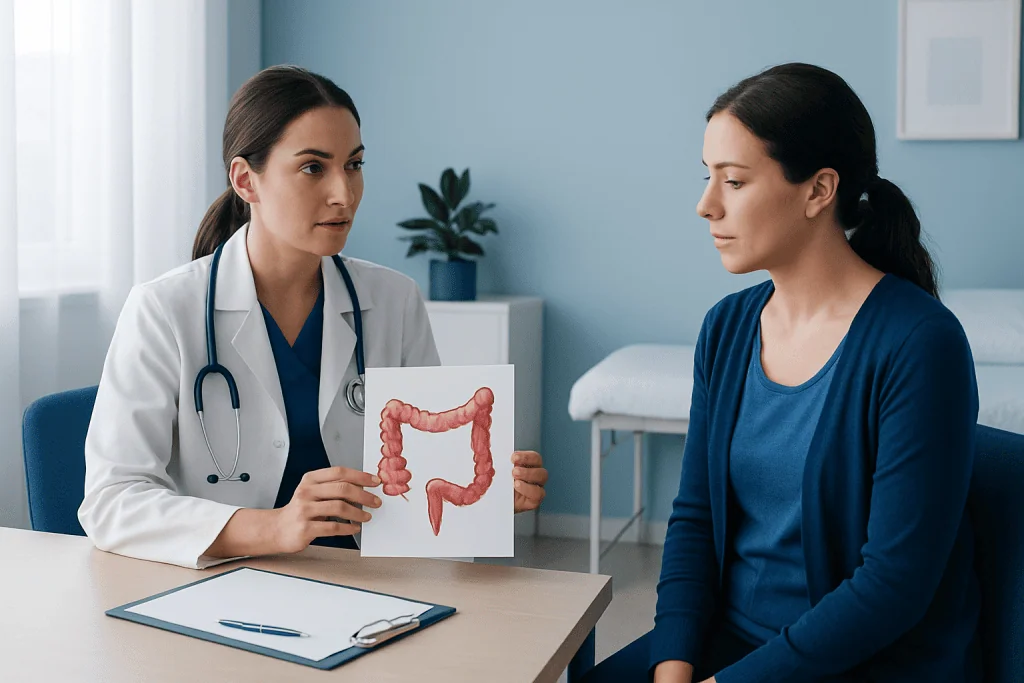
Research suggests that nutrition matters in inflammatory bowel disease, but evidence for one best ulcerative colitis diet remains limited. Some eating patterns and symptom-focused strategies may help selected patients, especially when guided by a gastroenterologist or dietitian. For example, temporary adjustment of fiber texture, lactose reduction when lactose intolerance is present, or a short-term low-residue approach during flares can reduce discomfort in some people.
By contrast, stronger claims are not well supported. There is no high-quality evidence that a single diet reliably induces remission in all people with ulcerative colitis, and there is no established diet that allows most patients to stop prescribed medication safely. Highly restrictive plans promoted online may remove useful nutrients without offering proven disease control.
Evidence also varies depending on the goal. A plan that improves symptoms may not improve inflammation seen on colonoscopy or lab tests. That is why diet should be viewed as one part of care rather than a replacement for medical follow-up, testing, and treatment. People who need assessment of disease activity may also undergo specialist evaluation such as colonoscopy to understand whether symptoms are due to active disease, infection, irritation, or another cause.
Common dietary approaches and practical food choices
Several dietary approaches are commonly discussed in ulcerative colitis, including low-residue eating during flares, temporary avoidance of individual triggers, and a balanced anti-inflammatory-style pattern during remission. A low-residue approach generally means choosing foods that are easier to digest and lower in insoluble fiber for a short period. This may include refined grains, smooth nut butters, cooked vegetables without skins, ripe bananas, applesauce, eggs, fish, tofu, yogurt if tolerated, and soups.
During remission, many patients can gradually return to a more varied diet that includes lean protein, healthy fats, fruits, vegetables, and whole grains as tolerated. The aim is not long-term overrestriction. Instead, the goal is to broaden intake carefully while noticing what supports stable digestion and good nutrition.
Certain foods are frequent symptom triggers, though not universal ones. These can include alcohol, caffeine, very fatty foods, spicy meals, carbonated drinks, large amounts of sugar alcohols, and high-lactose dairy in people who are sensitive to it. A food diary can help identify patterns without unnecessarily avoiding large food groups.
- Foods often better tolerated during flares: rice, oatmeal, toast, potatoes without skin, eggs, poultry, fish, smooth soups.
- Foods that may worsen symptoms in some people: popcorn, nuts, seeds, raw vegetables, heavily fried foods, spicy dishes, alcohol.
- Helpful habits: smaller meals, regular fluids, slow eating, and introducing one change at a time.
Benefits, risks, and who should use caution
The main potential benefit of an ulcerative colitis diet is symptom management. Carefully chosen foods may reduce discomfort, support hydration, and make it easier to maintain body weight and daily functioning. Diet planning can also help people recover after a flare by rebuilding intake gradually and reducing fear around eating.
The main risks come from restriction. Avoiding many foods for long periods can lead to low calorie intake, protein deficiency, iron deficiency, low vitamin B12 or folate in some cases, and low calcium or vitamin D if dairy is removed without replacement. Diarrhea can also increase the risk of dehydration and electrolyte imbalance. Children, older adults, pregnant people, and anyone already underweight should be especially cautious.
Some people should avoid self-directed diet experiments or seek early professional guidance. This includes patients with severe disease, frequent flares, significant bleeding, recent hospitalization, short-term weight loss, suspected eating disorder patterns, or trouble swallowing and keeping food down. If symptoms are severe or treatment decisions are being considered, a specialist may evaluate broader digestive disease causes, including Crohn's disease, because nutritional advice can differ depending on the diagnosis and extent of bowel involvement.
Safe use: building a personalized plan
The safest way to use diet in ulcerative colitis is to make structured, limited changes and review the results. A food and symptom diary can track meals, bowel movements, bleeding, urgency, pain, and energy levels. This helps distinguish true food triggers from symptom changes caused by stress, infection, medication changes, or a developing flare.
Many patients benefit from working with a gastroenterologist and a registered dietitian. Together they can assess nutritional status, possible deficiencies, hydration, and whether symptoms point to active inflammation or a food intolerance. Blood tests and stool tests may be useful if fatigue, poor intake, or persistent symptoms suggest anemia, infection, or worsening disease. In some cases, doctors may recommend additional evaluation such as endoscopy or imaging depending on the clinical picture.
A practical nutrition plan often includes enough protein, fluids, and easy-to-tolerate carbohydrates, with careful reintroduction of fiber as symptoms settle. Oral nutrition supplements may be considered when appetite is low, but patients should discuss product choice with their care team, especially if they have diabetes, kidney disease, or ingredient sensitivities.
Near the end of the care pathway, patients seeking international care may wish to know that Acibadem International’s multidisciplinary specialists and JCI-accredited hospitals diagnose and treat ulcerative colitis and related digestive conditions for international patients.
When to seek medical care
Diet changes should not delay medical care when symptoms suggest a significant flare or complication. A doctor should be contacted promptly if there is increasing rectal bleeding, severe abdominal pain, fever, repeated vomiting, faintness, signs of dehydration, or a sudden inability to eat and drink. Ongoing weight loss, night symptoms, or worsening fatigue also deserve medical review.
Medical advice is also important if bowel habits change despite careful diet adjustments, or if symptoms continue after removing suspected trigger foods. These situations may mean the problem is active inflammation rather than food intolerance alone. Treatment review can include medication assessment, nutrition support, and tests to check disease activity.
Some patients need more advanced therapies if inflammation is not controlled. Depending on the cause and severity of symptoms, specialists may discuss options ranging from medication optimization to procedure-based evaluation or, in selected cases, colectomy for severe disease that does not respond to treatment.
Frequently asked questions
What is the best ulcerative colitis diet?
There is no single best ulcerative colitis diet for everyone. The most effective plan is usually individualized, based on current symptoms, nutritional needs, and which foods a person actually tolerates.
Can diet cure ulcerative colitis?
No, diet does not cure ulcerative colitis. Food choices may help reduce symptoms and support nutrition, but medical treatment is still important for controlling inflammation and preventing complications.
What foods should be avoided during a flare?
Many people find that high-fiber raw foods, fried foods, alcohol, caffeine, spicy meals, and some dairy products are harder to tolerate during flares. However, triggers vary, so broad restrictions should be reviewed carefully and adjusted to the individual.
Is fiber bad for ulcerative colitis?
Not always. During an active flare, some types of fiber may worsen cramping or diarrhea, but during remission many patients can tolerate and benefit from a wider range of fiber-containing foods. The type, texture, and timing of fiber often matter more than the idea of fiber itself.
Should someone with ulcerative colitis try an elimination diet?
An elimination diet may be useful for short-term testing of suspected triggers, but it should be structured and limited. Long-term elimination without professional guidance can increase the risk of malnutrition and unnecessary food avoidance.
Do probiotics help in ulcerative colitis?
Probiotics may help some patients, but results are mixed and not all products are the same. They should be viewed as a possible supportive measure rather than a replacement for prescribed treatment, and it is sensible to discuss them with a doctor first.
References
- National Institute of Diabetes and Digestive and Kidney Diseases
- Crohn's & Colitis Foundation
- American Gastroenterological Association
- European Crohn’s and Colitis Organisation
- National Health Service
This article is for general information only and is not a substitute for professional medical advice. Please consult a qualified doctor about your individual situation.
Ulcerative Colitis in Turkey — costs, top hospitals & a free quote
JCI-accredited · board-certified surgeons · reply within 24h
Add us as a Preferred Source to see more of our trusted health content across Google Search, AI Overviews and Discover.