Underarm Ingrown: An Evidence-Based Guide for Patients

An underarm ingrown is usually caused by hair becoming trapped under the skin after shaving, waxing, friction, or blocked pores. It may look like a small red or skin-colored bump and can be itchy, tender, or occasionally filled with pus.
Key Takeaways
- An underarm ingrown is usually caused by hair becoming trapped under the skin after shaving, waxing, friction, or blocked pores.
- It may look like a small red or skin-colored bump and can be itchy, tender, or occasionally filled with pus.
- Squeezing, digging, or repeated shaving over the area can worsen irritation and increase the chance of infection or scarring.
- Warm compresses, gentle cleansing, and reducing friction often help mild cases improve.
- Medical care is important if the bump is very painful, spreading, draining a lot of pus, keeps returning, or is accompanied by fever.
An underarm ingrown happens when a hair curls back or gets trapped under the skin in the armpit, leading to a tender bump, redness, and sometimes pus. Most cases are manageable with gentle skin care and a break from shaving, but recurring, severe, or infected bumps should be assessed by a clinician.
Overview: what an underarm ingrown means
An underarm ingrown is an ingrown hair that develops in the armpit, where hair has turned back into the skin or cannot grow out normally. This can create a small bump that feels tender, itchy, or irritated. Because the underarm is warm, moist, and exposed to shaving, deodorants, and rubbing from clothing, it is a common place for ingrown hairs to form.
Many people mistake an underarm ingrown for a pimple, razor bump, or swollen gland. In some cases, it does look similar, especially if the area becomes inflamed or fills with a little pus. However, the main problem is usually a trapped hair and the skin’s inflammatory response around it.
Most underarm ingrown hairs are not dangerous and settle with simple care. Still, the armpit can also develop other conditions that resemble an ingrown hair, such as folliculitis, cysts, contact dermatitis, or hidradenitis suppurativa. A careful look at the pattern, symptoms, and recurrence can help tell these apart.
How to recognize the symptoms
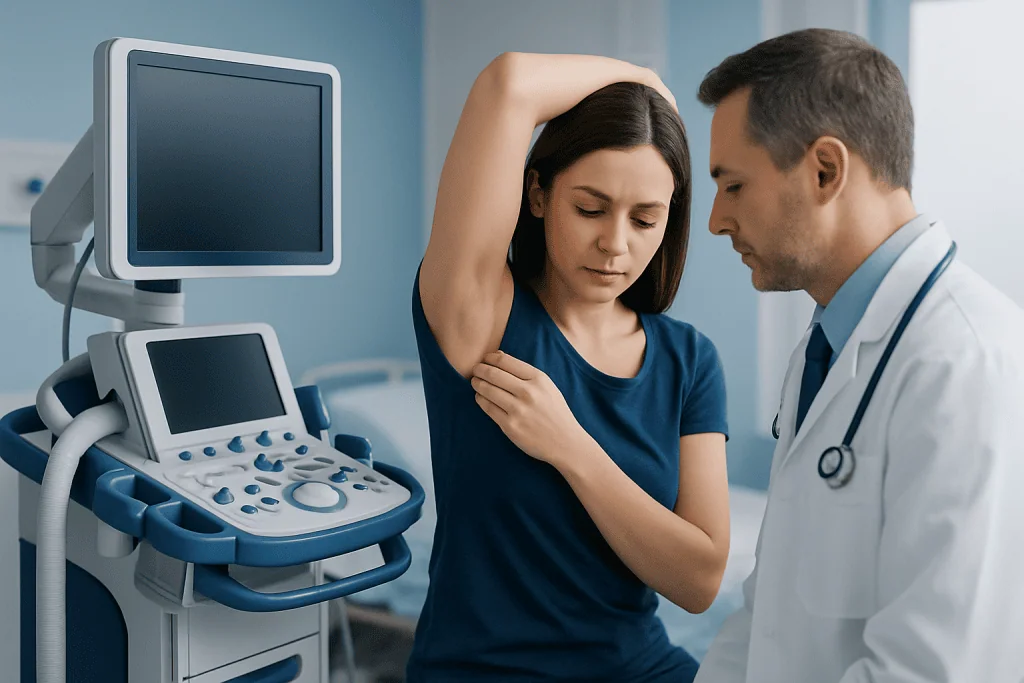
The most typical sign of an underarm ingrown is a small raised bump after shaving, waxing, or hair removal. The bump may be red, pink, skin-colored, or darker than the surrounding skin. Some people can see a looped or trapped hair under the surface, while others only notice tenderness and swelling.
Symptoms vary from mild irritation to a more inflamed lesion. Common features include soreness when moving the arm, itching, a stinging sensation after deodorant use, and sensitivity to friction from clothing. If bacteria enter the irritated follicle, the area may develop a white or yellow center and drain a small amount of pus.
- Small round bump in the armpit
- Tenderness or pain, especially with arm movement
- Redness, warmth, or swelling
- Itching or burning after hair removal
- Visible trapped hair or dark spot beneath the skin
- Pus or crusting if the area becomes infected
If bumps are frequent, deeper, or leave scars, they may not be simple ingrown hairs. Recurrent painful nodules in the armpits deserve medical review to rule out conditions such as chronic folliculitis or hidradenitis suppurativa.
Why underarm ingrown hairs happen

Underarm hairs naturally curve, and when they are cut very short or removed in a way that irritates the follicle, the growing hair may curl back into the skin instead of emerging through the surface. This is more likely when the skin is dry, when dead skin cells block the follicle opening, or when the hair is coarse or tightly curled.
Shaving is one of the most common triggers. A very close shave can leave a sharp hair tip that re-enters the skin. Waxing, plucking, and epilation can also disturb normal hair growth. Friction from tight clothing, heavy sweating, and repeated rubbing during exercise may add irritation and contribute to blockage around the follicle.
Some skin care habits can make the problem more likely. Strong fragrances, deodorants that irritate sensitive skin, harsh scrubbing, and picking at bumps can inflame the underarm further. In some people, bacterial overgrowth around hair follicles can lead to folliculitis, which may resemble or accompany an ingrown hair.
People with curly or coarse hair, a history of razor bumps, or frequent hair removal often experience ingrown hairs more often. That does not mean prevention is impossible; it usually means hair removal technique and skin care need more attention.
How doctors tell an ingrown hair from other underarm bumps
Doctors usually diagnose an underarm ingrown by examining the area and asking about recent shaving, waxing, deodorant changes, and recurring symptoms. The appearance of a localized bump centered on a hair follicle often provides the answer without the need for testing.
The key part of assessment is deciding whether the bump is truly an ingrown hair or another condition. Pimples, inflamed cysts, enlarged lymph nodes, allergic rash, and bacterial skin infections can all occur in the armpit. If the area is repeatedly swollen, forms tunnels, drains often, or heals with scars, a clinician may consider hidradenitis suppurativa rather than a simple ingrown hair.
Testing is not usually needed for a straightforward case. However, if there is significant infection, repeated recurrence, unusual appearance, or poor healing, a clinician may swab drainage, review medicines and skin products, or recommend evaluation by a skin specialist. In selected cases, dermatology care can help confirm the diagnosis and guide treatment for recurring underarm lesions.
Treatment options for an underarm ingrown
Treatment depends on how inflamed the area is. For a mild underarm ingrown, the first step is to stop shaving or waxing the area for a short time and avoid squeezing the bump. A warm compress for several minutes, a few times a day, may help soften the skin and encourage the hair to come out on its own.
Gentle cleansing and reducing friction are also important. Wearing loose, breathable clothing and choosing fragrance-free products may lessen irritation. Some people benefit from mild exfoliating ingredients that help prevent pore blockage, but harsh scrubs and aggressive picking should be avoided because they can damage the skin and increase scarring.
If there are signs of infection or marked inflammation, medical treatment may be needed. A clinician may recommend topical medicines, and sometimes oral treatment is used if infection is more extensive. If a trapped hair is close to the surface, a professional may carefully release it with sterile technique rather than digging into the skin at home.
When ingrown hairs are frequent because of hair type or repeated shaving, longer-term solutions may be discussed. For selected patients, laser hair removal can reduce hair growth and lower the chance of repeated ingrown hairs. If a deeper inflamed lump is not improving, drainage or minor minimally invasive treatment may occasionally be needed, depending on the underlying diagnosis.
Prevention and self-care that protect the underarm skin barrier
Preventing an underarm ingrown often comes down to reducing trauma to the hair follicle and keeping the skin barrier healthy. If shaving is preferred, it helps to shave after softening the area with warm water, use a clean sharp razor, shave in the direction of hair growth, and avoid stretching the skin for an extra-close shave.
People who develop frequent razor bumps may do better shaving less often or switching hair removal methods. Not every technique suits every skin type. Taking breaks between hair removal sessions and allowing irritated skin to settle can reduce repeat inflammation.
- Use a gentle, fragrance-free cleanser
- Avoid sharing razors and replace blades regularly
- Do not pick, squeeze, or dig at bumps
- Choose looser clothing if friction is a trigger
- Patch-test new deodorants if skin is sensitive
- Consider professional advice for recurrent ingrown hairs
Simple aftercare matters too. Moisturizing sensitive underarm skin, especially after shaving, can support normal healing. If bumps are frequent, a clinician can help identify whether the problem is ordinary ingrown hair, folliculitis, contact irritation, or another skin condition needing a different plan.
When to seek medical care
Medical assessment is a good idea if an underarm bump is very painful, enlarging, or not improving after several days of gentle care. Care is also important if there is spreading redness, significant warmth, bad-smelling drainage, or fever, because these can suggest infection.
People should also seek care if bumps keep coming back in the same area, involve both underarms, or leave scars. Recurrent or deep lesions may need evaluation for conditions beyond a simple ingrown hair. A clinician can also help if the bump is hard to identify or seems more like a lump than a skin lesion.
For persistent, recurrent, or complicated cases, assessment by a multidisciplinary team may be useful. Acibadem International’s specialists, including skin and surgical teams in JCI-accredited hospitals, diagnose and treat underarm skin conditions for international patients when further evaluation is needed.
Frequently asked questions
What does an underarm ingrown look like?
It often looks like a small red, pink, or skin-colored bump in the armpit, sometimes with a visible hair trapped under the skin. The area may be tender, itchy, or mildly swollen, and it can resemble a pimple or razor bump.
Can an underarm ingrown go away on its own?
Yes, many mild ingrown hairs improve on their own with time and gentle skin care. Avoiding shaving, picking, and friction usually gives the skin the best chance to heal.
Should a person pop or squeeze an underarm ingrown?
No. Squeezing or digging at the bump can push inflammation deeper, increase the risk of infection, and lead to scarring or skin discoloration. It is safer to use warm compresses and let a clinician assess it if it is not improving.
How can someone tell if an underarm ingrown is infected?
Possible signs of infection include increasing pain, warmth, redness that spreads, more swelling, or pus drainage. Fever or feeling unwell are more urgent signs and should prompt medical attention.
Why do underarm ingrown hairs keep coming back?
Recurrence is more common in people with curly or coarse hair, frequent shaving or waxing, and skin irritation from friction or products. Repeated bumps can also mean another condition, such as folliculitis or hidradenitis suppurativa, is present.
Is laser hair removal helpful for recurrent underarm ingrown hairs?
For some people, yes. By reducing hair growth, laser hair removal may lower the chance of hairs becoming trapped under the skin. A qualified clinician can explain whether it is suitable based on skin type, hair type, and medical history.
References
- American Academy of Dermatology
- National Health Service
- Mayo Clinic
- Merck Manual Consumer Version
This article is for general information only and is not a substitute for professional medical advice. Please consult a qualified doctor about your individual situation.
Hair transplant in Turkey — costs, graft counts & a free assessment
JCI-accredited · board-certified surgeons · reply within 24h
Add us as a Preferred Source to see more of our trusted health content across Google Search, AI Overviews and Discover.

More from the Health Library

Lazy Eye: A Complete Medical Overview

Nettle Tea: What Patients Need to Know

Kidney: What Patients Need to Know

Marcona Almonds: What Patients Need to Know

Emotional Blunting: What Patients Need to Know

Individual — Explained by Medical Evidence, Not Myths
Related Specialists
Dr. Göker Utku Değer
Orthopedic Surgery & Traumatology
Dr. Tolga Birgül
Ophthalmology
Dr. Hatice Parlak Subaşı
Dermatology
Prof. Dr. Ali Arıcan
Medical Oncology