Understanding Acute Lymphoblastic Leukemia: A Complete Patient Guide

Acute lymphoblastic leukemia begins in immature lymphoid cells in the bone marrow and can spread quickly without treatment. Common symptoms include fatigue, fever, easy bruising, frequent infections, bone pain, and swollen lymph nodes.
Key Takeaways
- Acute lymphoblastic leukemia begins in immature lymphoid cells in the bone marrow and can spread quickly without treatment.
- Common symptoms include fatigue, fever, easy bruising, frequent infections, bone pain, and swollen lymph nodes.
- Diagnosis usually involves blood tests, bone marrow testing, and specialized genetic or molecular studies.
- Treatment often includes chemotherapy and may also include targeted therapy, immunotherapy, radiation, or stem cell transplant.
- Prompt assessment is important if symptoms are persistent, worsening, or associated with unusual bleeding or repeated infections.
<a href="https://acibademinternational.com/diseases/acute-lymphoblastic-leukemia/”>Acute lymphoblastic leukemia is a fast-growing cancer of the blood and bone marrow that starts in immature white blood cells called lymphoblasts. It can affect children and adults, and while it needs prompt medical care, many people respond well to modern treatment plans tailored to the leukemia subtype and the person’s overall health.
What acute lymphoblastic leukemia is
Acute lymphoblastic leukemia, also called acute lymphocytic leukemia or ALL, is a cancer of the blood and bone marrow. It develops when early lymphoid cells, a type of white blood cell precursor, begin to grow out of control and do not mature normally. These abnormal cells crowd the bone marrow, which can reduce the body’s ability to make healthy red blood cells, platelets, and normal infection-fighting white blood cells.
The word “acute” means the disease can progress quickly over days to weeks rather than slowly over years. That is why acute lymphoblastic leukemia usually needs prompt evaluation and treatment after diagnosis. Even so, treatment has advanced greatly, and care is increasingly tailored based on age, leukemia subtype, genetic features, and response to therapy.
ALL is more common in children than in adults, but it can occur at any age. Some forms arise from B lymphocytes and others from T lymphocytes, and these differences matter because they help guide treatment planning. For many patients and families, understanding the exact subtype is an important first step in making sense of the diagnosis.
How it affects the body and what symptoms may appear

Many symptoms of acute lymphoblastic leukemia happen because the bone marrow is crowded with leukemia cells. When red blood cell production falls, a person may feel tired, weak, short of breath, or pale. Low platelet levels can lead to easy bruising, frequent nosebleeds, bleeding gums, or tiny red-purple spots on the skin called petechiae.
Because normal white blood cells may be reduced or may not work properly, infections and fever are common. Some people notice repeated illnesses, slow recovery from infections, or a general feeling of being unwell. Bone or joint pain can happen when the marrow is under pressure from the buildup of leukemia cells, and children may sometimes limp or avoid walking because of discomfort.
Leukemia cells can also collect outside the bone marrow. This may cause swollen lymph nodes, an enlarged liver or spleen, abdominal fullness, chest symptoms, headaches, or neurologic symptoms in certain cases. Symptoms can overlap with those of lymphoma or other blood conditions, which is why proper testing is essential rather than relying on symptoms alone.
- Fatigue or unusual weakness
- Fever or recurrent infections
- Easy bruising or bleeding
- Bone or joint pain
- Swollen lymph nodes
- Pale skin, dizziness, or shortness of breath
- Loss of appetite or unintended weight loss
Causes, subtypes, and risk factors
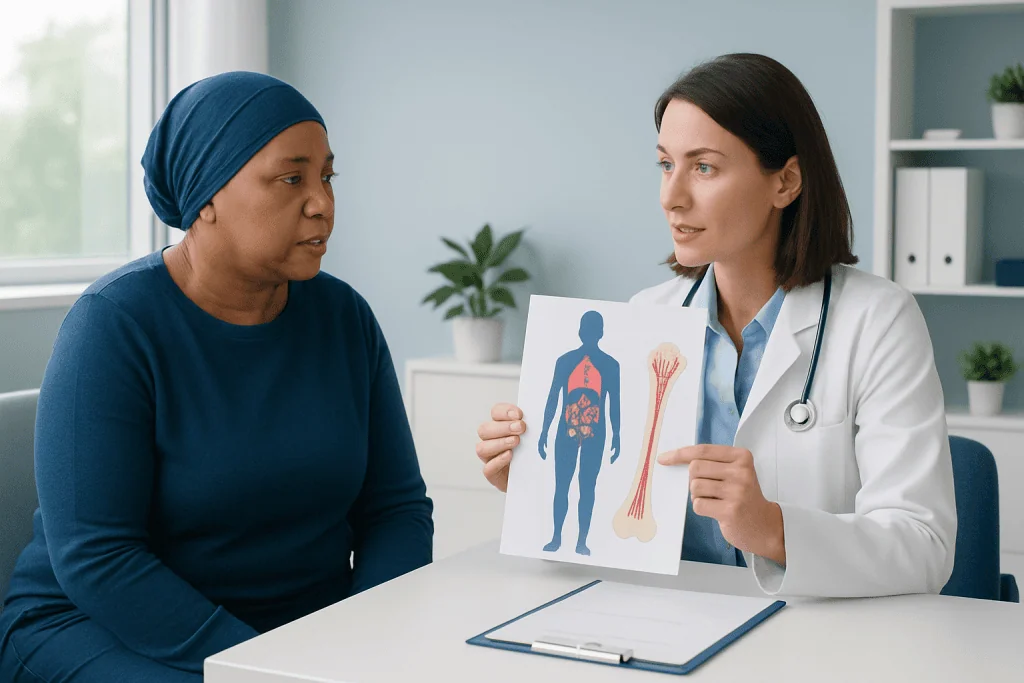
In most people, there is no single clear cause of acute lymphoblastic leukemia. It starts when genetic changes develop inside immature lymphoid cells, causing them to survive and multiply when they should not. These changes are not usually something a person could have prevented, and they often occur without any known trigger.
Doctors classify ALL by whether it involves B-cell or T-cell lymphoblasts and by specific chromosome or molecular findings inside the leukemia cells. These details can strongly influence prognosis and treatment choices. For example, some patients have changes that make the leukemia more likely to respond to certain targeted medicines, while others may need a more intensive treatment strategy.
Known risk factors are limited and do not explain most cases. They can include prior exposure to high-dose radiation, certain inherited genetic syndromes, and a small number of previous chemotherapy exposures for another cancer. However, many patients diagnosed with ALL have no recognized risk factors at all, which can be reassuring for families who worry that they caused the illness in some way.
How acute lymphoblastic leukemia is diagnosed
Diagnosis begins with a medical history, physical examination, and blood tests. A complete blood count may show abnormal white blood cells, anemia, or low platelets, but blood results alone are not enough to confirm the diagnosis. A blood smear can provide clues by showing immature cells called blasts.
The key test is usually a bone marrow aspiration and biopsy. This allows doctors to measure how many blasts are present and to perform flow cytometry, chromosome analysis, and molecular testing. These specialized tests help confirm the diagnosis, define the subtype, and identify changes that may affect treatment decisions.
Additional tests may include imaging, a lumbar puncture to check whether leukemia cells are in the fluid around the brain and spinal cord, and blood chemistry tests to assess organ function before treatment starts. Care often overlaps with broader leukemia evaluation pathways. In many centers, diagnosis and treatment planning are coordinated by a hematology and medical oncology team working together.
Treatment options and what care may involve
Treatment for acute lymphoblastic leukemia usually starts soon after diagnosis and often happens in phases. The first phase, called induction therapy, aims to bring the leukemia into remission by reducing leukemia cells to undetectable or very low levels. This is followed by consolidation or intensification treatment to eliminate remaining disease, and then a maintenance phase in some patients to reduce the risk of relapse.
Chemotherapy remains a mainstay of treatment, but many treatment plans also include targeted therapy or immunotherapy depending on the leukemia’s biology. Some patients may receive medicines directed at specific genetic changes, while others may benefit from antibody-based treatments that help the immune system recognize leukemia cells. Radiation therapy is less commonly used but may be helpful in selected situations, such as certain areas of disease involvement.
For higher-risk disease, relapsed disease, or leukemia with particular genetic features, doctors may recommend a bone marrow transplantation. Supportive care is also essential and may include transfusions, infection prevention, treatment of side effects, and nutritional support. Some patients are also treated in centers that offer hematology expertise and advanced monitoring such as minimal residual disease testing, which helps show how well treatment is working.
Treatment plans differ between children and adults, and they are individualized carefully. The best approach depends on age, subtype, genetic findings, overall health, and how the leukemia responds early in therapy. Patients should feel comfortable asking their care team to explain the goals of each phase and what to expect from monitoring over time.
Living with treatment: side effects, follow-up, and self-care
Acute lymphoblastic leukemia treatment can be physically and emotionally demanding, but close follow-up helps manage side effects early. Common issues can include fatigue, nausea, mouth sores, appetite changes, low blood counts, and increased infection risk. The care team usually provides a plan for symptom relief, infection precautions, and what to do if problems arise between visits.
During treatment, patients may need regular blood tests, bone marrow assessments, and medication reviews. Good hand hygiene, avoiding exposure to contagious illness, staying hydrated, and maintaining nutrition as much as possible are practical ways to support recovery. Activity can often continue in a modified form, depending on energy level and blood counts, but heavy exertion may need to be limited at times.
Emotional support is also important. A diagnosis of leukemia can affect work, school, family life, and mental well-being. Counseling, patient support groups, social work services, and clear communication with the medical team can make the treatment journey more manageable. Near the end of the care pathway, some international patients choose multidisciplinary evaluation at Acibadem International, where JCI-accredited hospitals diagnose and treat blood cancers with coordinated specialist care.
When to seek medical care
Medical attention is important if symptoms such as unexplained fatigue, persistent fever, unusual bruising, repeated infections, bleeding, or bone pain do not improve or begin to worsen. These symptoms do not always mean leukemia, but they do deserve timely assessment, especially when several appear together.
Urgent care is needed for heavy bleeding, shortness of breath, confusion, severe weakness, chest pain, or signs of serious infection such as high fever with chills. People who are already receiving treatment for acute lymphoblastic leukemia should follow their team’s instructions closely about when to call, since even a single fever may require prompt evaluation.
Early diagnosis can make a meaningful difference in planning treatment and controlling complications. If a person is concerned about ongoing symptoms, it is reasonable to contact a doctor promptly rather than wait for them to pass on their own.
Frequently asked questions
Is acute lymphoblastic leukemia the same as acute myeloid leukemia?
No. Both are acute leukemias, but they begin in different types of immature blood cells. Acute lymphoblastic leukemia starts in lymphoid precursors, while acute myeloid leukemia begins in myeloid cells, so their treatment plans and biologic features differ.
Can adults get acute lymphoblastic leukemia?
Yes. Although acute lymphoblastic leukemia is more common in children, it can occur in adults of any age. Adult treatment may differ from pediatric treatment, and the exact plan depends on the subtype, genetic findings, and overall health.
What are the first signs of acute lymphoblastic leukemia?
Early signs often include fatigue, fever, repeated infections, easy bruising, bleeding, and bone or joint pain. Some people also notice swollen lymph nodes, pallor, or shortness of breath. Because these symptoms can overlap with many other conditions, medical testing is needed for diagnosis.
Is acute lymphoblastic leukemia curable?
Many patients can achieve remission, and some are cured, especially with modern risk-adapted treatment. Outcomes vary depending on age, subtype, genetic features, and how the leukemia responds to early therapy. A treating specialist can explain what the diagnosis means in an individual case.
How long does treatment for acute lymphoblastic leukemia take?
Treatment often lasts months, and in some cases longer when maintenance therapy is part of the plan. The exact timeline depends on the treatment phase, the patient’s age, and whether the disease is newly diagnosed, high risk, or relapsed.
Does acute lymphoblastic leukemia always require chemotherapy?
Chemotherapy is still a central treatment for many patients, but it is not always the only therapy used. Depending on the leukemia subtype, care may also include targeted therapy, immunotherapy, radiation, or stem cell transplant.
References
- World Health Organization
- National Cancer Institute
- American Cancer Society
- National Comprehensive Cancer Network
- Leukemia & Lymphoma Society
This article is for general information only and is not a substitute for professional medical advice. Please consult a qualified doctor about your individual situation.
Leukemia in Turkey — costs, top hospitals & a free quote
JCI-accredited · board-certified surgeons · reply within 24h
Add us as a Preferred Source to see more of our trusted health content across Google Search, AI Overviews and Discover.

Medical Oncology Department
Medical treatment of cancer with chemotherapy, immunotherapy and targeted therapies under a multidisciplinary tumor board.
60 specialists in this unitMore from the Health Library



Related Specialists

Dr. Sedef Başgönül
Infectious Diseases & Clinical Microbiology
Prof. Dr. Berrin Karadağ
Internal Medicine
Assoc. Prof. Dr. Nefise Nazlı Yenigül
Gynecology & Obstetrics
Dt. Hayrunnisa Batur
Oral & Dental Health