Understanding Adjuvant Therapy: A Complete Patient Guide

Adjuvant therapy is used after primary treatment to lower the risk of cancer recurrence. It is not the same as neoadjuvant therapy, which is given before the main treatment.
Key Takeaways
- Adjuvant therapy is used after primary treatment to lower the risk of cancer recurrence.
- It is not the same as neoadjuvant therapy, which is given before the main treatment.
- The best adjuvant treatment depends on the cancer type, stage, pathology results, and overall health.
- Benefits must be balanced against possible side effects and quality-of-life concerns.
- Not every patient needs adjuvant therapy; decisions are individualized.
- Regular follow-up helps monitor side effects, recovery, and long-term results.
Adjuvant therapy is additional treatment given after the main cancer treatment, most often after surgery, to reduce the chance that cancer will come back. It may include chemotherapy, radiation therapy, hormone therapy, targeted therapy, or immunotherapy, depending on the cancer type and a person’s individual risk factors.
Overview: What adjuvant therapy means
Adjuvant therapy is a medical term for extra treatment given after the main treatment for cancer, usually after surgery. Its goal is to destroy cancer cells that may remain in the body but are too small to be seen on scans or during an operation. By treating these microscopic cells, adjuvant therapy can help reduce the risk of the cancer returning.
Many people hear the word “adjuvant” for the first time after a diagnosis and wonder why more treatment is needed if the visible tumor has already been removed. The reason is that cancer can sometimes leave behind tiny amounts of disease. Adjuvant therapy is designed to address that possibility and improve long-term outcomes in selected patients.
Adjuvant therapy is most often discussed in oncology, especially in conditions such as breast cancer and colon cancer. It may involve one treatment or a combination of treatments, depending on the type of cancer, the pathology findings, and the person’s overall health. The treatment plan is usually decided by a multidisciplinary team.
How adjuvant therapy fits into a cancer treatment plan
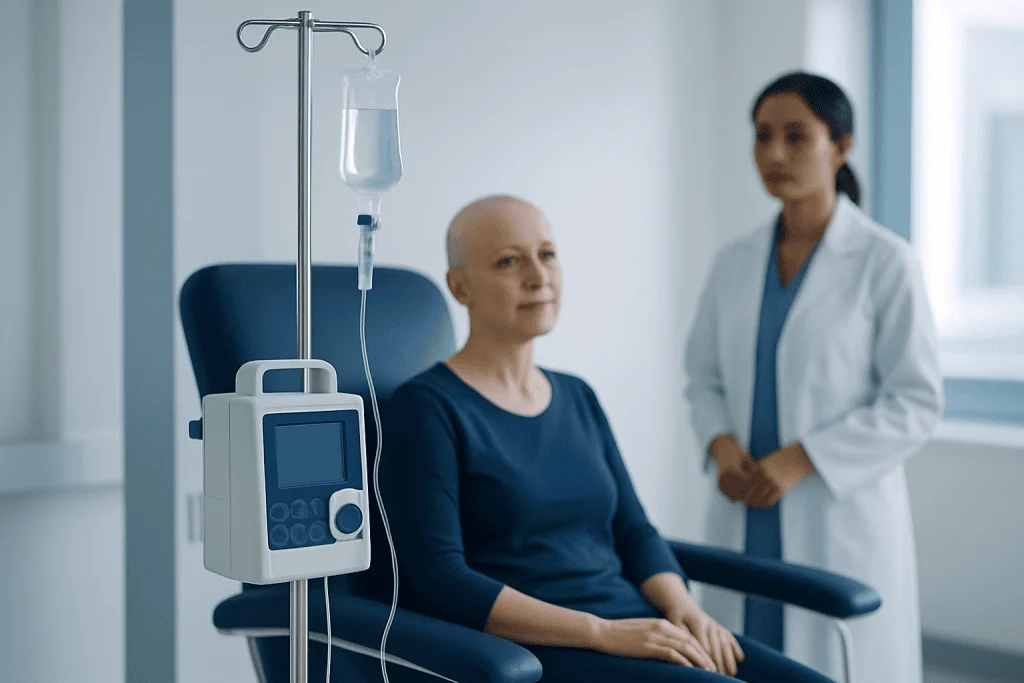
Cancer care often involves several steps, and adjuvant therapy is one part of that larger plan. The main treatment, also called primary treatment, is usually the approach that removes or destroys the known cancer directly. In many cases this is surgery, but it can also be radiation therapy or another treatment depending on the situation.
After the main treatment, doctors review information such as tumor size, lymph node involvement, surgical margins, molecular markers, and pathology results. These details help estimate how likely the cancer is to come back. If that risk is high enough, adjuvant therapy may be recommended to lower it.
It is also helpful to distinguish adjuvant therapy from neoadjuvant therapy. Neoadjuvant therapy is given before the main treatment, often to shrink a tumor and make surgery easier or more effective. Adjuvant therapy comes afterward and focuses on reducing recurrence risk rather than shrinking a visible tumor.
For some patients, adjuvant treatment may include chemotherapy, radiation therapy, hormone-blocking medicines, targeted drugs, or immunotherapy. The exact timing, order, and duration depend on the cancer type and the evidence supporting treatment in that setting.
Types of adjuvant therapy

Several forms of adjuvant therapy are used in modern cancer care. The right choice depends on where the cancer started, how advanced it was, and whether laboratory testing shows specific biological features. Not every therapy is appropriate for every cancer.
Chemotherapy uses medicines that circulate through the body to kill rapidly dividing cancer cells. It may be recommended when there is concern that cancer cells could have spread beyond the original tumor site. Radiation therapy is often used when there is a need to treat a specific area, such as the place where the tumor was removed, to lower the chance of local recurrence.
Hormone therapy is used for cancers that depend on hormones to grow, such as some breast and prostate cancers. Targeted therapy works against specific molecular changes in cancer cells. Immunotherapy helps the immune system recognize and attack cancer more effectively. In selected cases, doctors may also discuss immunotherapy as part of an adjuvant approach.
- Chemotherapy: often used for systemic risk reduction
- Radiation therapy: commonly used to reduce local recurrence
- Hormone therapy: used for hormone-sensitive cancers
- Targeted therapy: matched to certain tumor markers or mutations
- Immunotherapy: used in some cancers based on stage and pathology
Who may benefit and what doctors consider
Adjuvant therapy is not automatically recommended for every person with cancer. The decision depends on whether the likely benefits outweigh the risks and side effects. Doctors try to estimate the chance of recurrence without further treatment and then assess how much that risk may be reduced with adjuvant therapy.
Important factors include the cancer type, stage, grade, tumor size, lymph node involvement, margin status after surgery, and biomarker or genetic test results. A person’s age, general health, other medical conditions, and ability to tolerate treatment also matter. In some cases, adjuvant therapy offers a clear benefit; in others, the benefit may be small, and shared decision-making becomes especially important.
For example, a person with early-stage cancer and low-risk features may be safely observed after surgery, while someone with higher-risk findings may be advised to continue treatment. Patients are encouraged to ask what specific risk factors apply to their own case and how much benefit is expected from the recommended plan.
Benefits, side effects, and recovery considerations
The main benefit of adjuvant therapy is a lower chance of cancer recurrence. In some situations, it can also improve overall survival. Even so, it is important to understand that adjuvant therapy is preventive in intent: it is given to treat possible unseen disease, not necessarily because there is known active cancer visible after surgery.
Possible side effects depend on the treatment used. Chemotherapy may cause fatigue, nausea, hair loss, lowered blood counts, infection risk, or numbness and tingling. Radiation therapy may lead to skin irritation, tiredness, and side effects related to the area treated. Hormone therapy, targeted therapy, and immunotherapy each have their own short- and long-term effects.
Recovery during adjuvant therapy often includes symptom management, nutrition support, physical activity as tolerated, infection precautions when needed, and emotional support. Some patients continue working or carrying out many routine activities, while others need more rest and help at home. Good communication with the care team can make side effects easier to manage and may prevent treatment interruptions.
Patients should also discuss fertility, menopause symptoms, sexual health, heart health, bone health, and neuropathy when relevant. These quality-of-life issues are an important part of treatment planning, especially when therapy may last for months or even years.
How adjuvant therapy is planned and monitored
Before starting adjuvant therapy, doctors usually review the surgical report, pathology findings, imaging results, and any biomarker or molecular tests. This helps determine whether additional treatment is likely to provide meaningful benefit. In some cancers, established clinical guidelines strongly support adjuvant therapy for specific stages or pathological features.
Monitoring during treatment may include physical examinations, blood tests, heart function testing for certain medicines, and imaging when clinically indicated. Follow-up visits are also used to assess side effects, recovery, and whether dose adjustments or supportive medications are needed. The aim is to keep treatment both effective and as safe as possible.
After adjuvant therapy ends, long-term follow-up continues. This may involve cancer surveillance, management of lingering side effects, and support for return to daily life. If questions remain about options, some patients benefit from a second opinion, especially when the expected benefit is modest or when more than one reasonable treatment path exists.
In centers with broad oncology services, care may involve surgeons, medical oncologists, radiation oncologists, pathologists, radiologists, specialist nurses, and rehabilitation teams. Acibadem International’s multidisciplinary specialists in JCI-accredited hospitals diagnose and treat cancer for international patients and can help coordinate treatment planning when adjuvant therapy is being considered.
Self-care, practical tips, and when to seek medical care
Self-care during adjuvant therapy focuses on supporting recovery and reducing avoidable strain on the body. Helpful steps may include eating regular, balanced meals, staying hydrated, keeping a simple symptom diary, following medication instructions closely, and resting when fatigue is significant. Gentle physical activity, if approved by a doctor, can support strength, mood, and overall well-being.
Patients should report new symptoms rather than waiting for the next scheduled appointment. Common questions involve fever, worsening pain, shortness of breath, vomiting, diarrhea, rash, swelling, or signs of infection. Prompt communication helps the medical team decide whether symptoms are expected side effects or need urgent evaluation.
When to seek medical care: a patient should contact a doctor promptly if there is fever, chills, unusual bleeding, severe weakness, dehydration, chest pain, breathing difficulty, sudden swelling, confusion, or side effects that make it hard to eat, drink, or manage daily activities. Emergency care may be needed for severe allergic reactions, heavy bleeding, or rapidly worsening symptoms.
It can also help to bring a family member or trusted friend to appointments, prepare written questions, and ask about supportive services such as nutrition counseling, pain management, psychological support, or rehabilitation. Clear, practical guidance often makes adjuvant treatment feel more manageable.
Frequently asked questions
Is adjuvant therapy the same as chemotherapy?
No. Adjuvant therapy is a broader term that means treatment given after the main treatment to reduce recurrence risk. Chemotherapy is one possible type of adjuvant therapy, but radiation therapy, hormone therapy, targeted therapy, and immunotherapy can also be used.
Does everyone need adjuvant therapy after cancer surgery?
No, not everyone does. The need for adjuvant therapy depends on the type of cancer, pathology results, stage, biomarkers, and overall risk that the cancer could return. Some people benefit clearly, while others may be safely monitored without further treatment.
How long does adjuvant therapy last?
The length varies widely depending on the cancer type and the treatment used. Some treatments last a few weeks, others several months, and some hormone-based therapies may continue for years. A doctor can explain the expected schedule for an individual case.
What is the difference between adjuvant and neoadjuvant therapy?
Neoadjuvant therapy is given before the main treatment, often to shrink a tumor before surgery. Adjuvant therapy is given after the main treatment to lower the chance of recurrence. Both approaches may be used in the same overall treatment plan in selected cancers.
Can adjuvant therapy cure cancer?
Adjuvant therapy is used to improve the chance of long-term control by treating possible microscopic disease after the main treatment. In that sense, it can contribute to curative treatment plans. However, its exact benefit depends on the specific cancer and the individual situation.
What questions should a patient ask before starting adjuvant therapy?
Helpful questions include why the treatment is recommended, how much it may lower recurrence risk, what side effects are most likely, how treatment will affect daily life, and what follow-up will be needed. Patients may also ask whether there are alternatives, whether a second opinion would be useful, and what supportive care is available.
References
- National Cancer Institute
- American Cancer Society
- National Comprehensive Cancer Network
- European Society for Medical Oncology
- World Health Organization
This article is for general information only and is not a substitute for professional medical advice. Please consult a qualified doctor about your individual situation.
Oncology care in Turkey — second opinion and treatment plan
JCI-accredited · board-certified surgeons · reply within 24h
Add us as a Preferred Source to see more of our trusted health content across Google Search, AI Overviews and Discover.