Understanding Ancylostoma Disease: A Complete Patient Guide

Ancylostoma disease is a hookworm infection usually spread through contact with contaminated soil. Symptoms may include an itchy rash, abdominal discomfort, diarrhea, fatigue, and anemia.
Key Takeaways
- Ancylostoma disease is a hookworm infection usually spread through contact with contaminated soil.
- Symptoms may include an itchy rash, abdominal discomfort, diarrhea, fatigue, and anemia.
- Doctors diagnose it using medical history, physical examination, and stool testing, with blood tests when needed.
- Treatment typically includes antiparasitic medicine and management of iron deficiency or dehydration.
- Wearing shoes, improving sanitation, and careful hygiene can help prevent infection.
Ancylostoma disease is a hookworm infection caused by Ancylostoma parasites, most often acquired when larvae in contaminated soil penetrate the skin. It commonly affects the intestines and can lead to skin irritation, digestive symptoms, and iron-deficiency anemia, but diagnosis and treatment are usually straightforward.
Overview: what ancylostoma disease is
Ancylostoma disease is an intestinal parasitic infection caused by hookworms in the Ancylostoma group, especially Ancylostoma duodenale. These tiny worms live in the small intestine after entering the body as larvae, most often through bare skin that comes into contact with contaminated soil.
Many people use the term “hookworm infection” interchangeably with ancylostoma disease. The infection may cause no symptoms at first, but over time it can lead to digestive problems and blood loss from the intestinal lining. In some people, especially children, pregnant women, or anyone with poor iron stores, this blood loss may result in iron-deficiency anemia.
Although the idea of a parasitic infection can sound worrying, ancylostoma disease is a well-recognized and generally treatable condition. Early medical assessment helps confirm the diagnosis, identify any complications, and guide effective treatment.
How infection happens and what the parasite does in the body
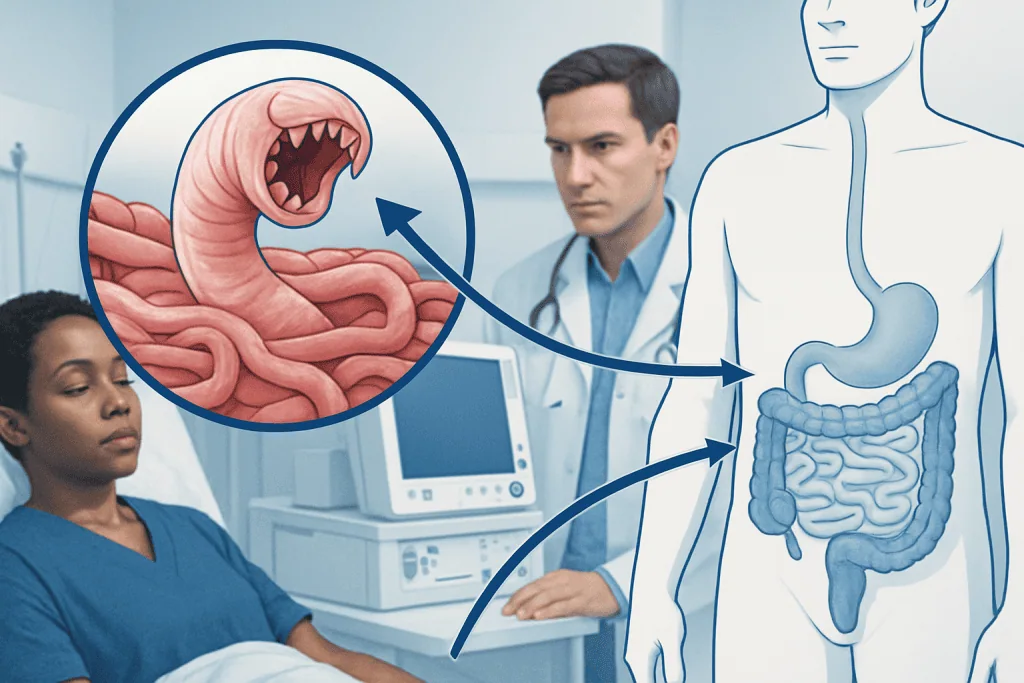
Ancylostoma larvae are passed into the environment through human feces in areas with poor sanitation. In warm, moist soil, the larvae can survive and develop into an infectious form. When a person walks barefoot or has direct skin contact with contaminated ground, the larvae may penetrate the skin.
After entering the body, the larvae travel through the bloodstream to the lungs, move up the airways, and are then swallowed. They eventually reach the small intestine, where they mature into adult worms and attach to the intestinal wall. This attachment allows them to feed and can cause small but ongoing blood loss.
Not every exposed person becomes seriously ill. The severity often depends on the number of worms, the person’s nutritional status, age, and whether another condition is present. This is one reason symptoms can range from very mild to more noticeable fatigue and anemia.
Ancylostoma disease is one type of parasitic intestinal infection. Depending on a person’s symptoms and travel or exposure history, a doctor may also consider related problems such as intestinal worm infections during the evaluation.
Symptoms and possible complications

Symptoms can appear in stages. Soon after skin exposure, some people develop an itchy, red rash where the larvae entered. This may be described as a tingling or burning sensation, often on the feet or lower legs. Later, as the larvae migrate, a temporary cough, throat irritation, or wheezing may occur.
Once the worms reach the intestine, symptoms may include abdominal pain, nausea, reduced appetite, bloating, or diarrhea. Some people notice tiredness, weakness, dizziness, or shortness of breath with activity. These symptoms may reflect iron-deficiency anemia caused by chronic intestinal blood loss.
Children may be more vulnerable to the effects of ongoing infection. Repeated or heavy infection can contribute to poor growth, low energy, difficulty concentrating, or nutritional problems. In adults, pregnancy, older age, or preexisting anemia can increase the impact of blood loss.
Possible complications include:
- Iron-deficiency anemia
- Protein loss and poor nutrition
- Fatigue that affects daily activities
- Delayed growth and learning difficulties in children
- Worsening weakness in people with other chronic health conditions
Causes and risk factors
The direct cause of ancylostoma disease is infection with hookworm larvae, usually from contaminated soil. The infection is more common in tropical and subtropical regions, but risk depends less on geography alone and more on sanitation, climate, and patterns of exposure.
Walking barefoot is one of the best-known risk factors because it allows the larvae to contact and penetrate the skin. Other risks include agricultural work, gardening without protective footwear, and living in places where human waste may contaminate the ground. In some settings, children playing outdoors are frequently exposed.
Travelers can also be affected, especially after extended stays in rural or low-sanitation environments. Risk may be higher for people living in crowded conditions or areas without safe sewage disposal. Poor nutrition and low iron levels do not cause the infection, but they can make its effects more significant once it occurs.
Ancylostoma disease belongs to a wider group of infections caused by parasites. If symptoms are ongoing or unexplained, clinicians may also evaluate for related parasitic diseases depending on the person’s travel, environment, and stool test findings.
Diagnosis: how doctors confirm ancylostoma disease
Diagnosis starts with a careful medical history. A doctor will ask about symptoms, travel, living conditions, walking barefoot outdoors, work with soil, and whether anemia symptoms such as fatigue or dizziness are present. Physical examination may look for skin changes, signs of dehydration, or pallor related to low iron.
The most common way to confirm intestinal hookworm infection is a stool test that looks for parasite eggs. Sometimes more than one stool sample is needed because eggs may not appear in every sample. Blood tests can help identify anemia, iron deficiency, or an increase in eosinophils, a type of white blood cell that may rise with parasitic infection.
Doctors may also consider other causes of abdominal symptoms or anemia, especially when stool testing is negative or symptoms are severe. Depending on the situation, this can include evaluation for other digestive conditions, nutritional deficiencies, or other infectious diseases.
When symptoms are persistent, clinicians may use broader laboratory evaluation to understand the effect of the infection on the body. This can be especially helpful when treatment planning includes supportive care such as iron infusion for significant iron deficiency, although many patients improve with oral iron and treatment of the parasite itself.
Treatment options and recovery
Treatment usually includes antiparasitic medication to clear the hookworm infection. The exact medicine and duration depend on the person’s age, overall health, pregnancy status, and local treatment guidance. A qualified doctor should recommend the appropriate regimen rather than relying on self-treatment.
Supportive care is also important. If a person has iron-deficiency anemia, treatment may include iron replacement, dietary advice, and follow-up blood tests. In cases with diarrhea or reduced intake, restoring fluids and nutrition can help recovery. Most people begin to feel better after the parasite is treated and iron levels start to improve.
Severe anemia or ongoing weakness may require more intensive assessment and care. In selected situations, clinicians may involve specialists in infectious diseases, internal medicine, or gastroenterology. If anemia is marked, treatment plans may include anemia treatment tailored to the degree of blood loss and the patient’s overall condition.
Recovery time varies. Skin irritation often settles first, while fatigue from anemia may take longer to improve because the body needs time to rebuild iron stores and red blood cells. Follow-up may include repeat stool testing or repeat blood work to make sure the infection has cleared and anemia is improving.
Prevention and self-care
Prevention focuses on reducing contact with contaminated soil and improving sanitation. Wearing shoes outdoors is one of the simplest and most effective protective steps, especially in areas where hookworm is known to occur. Gloves may also help during gardening or farming, but footwear remains especially important because the feet are a common entry point.
Safe disposal of human waste and access to clean sanitation systems reduce the spread of hookworm eggs into the environment. Handwashing, washing vegetables, and avoiding direct contact with potentially contaminated soil also support prevention. Communities benefit most when sanitation and public health measures improve for everyone.
Self-care during recovery includes taking prescribed treatment as directed, keeping follow-up appointments, drinking enough fluids if digestive symptoms are present, and eating a balanced diet that supports iron intake. People should avoid assuming that persistent fatigue is “just stress” if they have had possible exposure, because anemia may need attention.
Near the end of the care journey, some patients benefit from multidisciplinary follow-up, especially if symptoms have been prolonged or anemia is significant. Acibadem International’s multidisciplinary specialists and JCI-accredited hospitals evaluate and treat international patients with infectious and digestive conditions when specialist assessment is needed.
When to seek medical care
Medical advice is important if a person develops persistent abdominal pain, diarrhea, unexplained fatigue, dizziness, shortness of breath with activity, or a rash after exposure to soil in a high-risk setting. Evaluation is also recommended after travel to regions where hookworm is more common, particularly if symptoms continue for more than a few days.
Urgent medical care is needed if there are signs of severe anemia or dehydration, such as fainting, chest discomfort, marked weakness, rapid heartbeat, confusion, very dark stools, or inability to keep fluids down. Parents should seek prompt care for children with poor growth, unusual tiredness, reduced appetite, or ongoing stomach complaints.
Pregnant women, older adults, and people with chronic illness should speak with a doctor sooner rather than later if hookworm infection is possible. Early treatment can reduce complications and help restore normal energy and nutrition more quickly.
Frequently asked questions
Is ancylostoma disease the same as hookworm infection?
Yes. Ancylostoma disease is a type of hookworm infection caused by parasites in the Ancylostoma group, especially Ancylostoma duodenale. In everyday medical communication, the two terms are often used in the same way.
Can ancylostoma disease go away on its own?
Some symptoms may lessen over time, but the infection can persist and continue to cause blood loss and anemia. Because of this, medical evaluation and treatment are important rather than waiting for it to pass. Proper therapy is usually effective.
How do people get ancylostoma disease?
People usually become infected when hookworm larvae in contaminated soil penetrate the skin, often through bare feet. This is more likely in places with poor sanitation and warm, moist conditions. Less commonly, exposure patterns can vary depending on the parasite species and local environment.
What are the first signs of ancylostoma disease?
Early signs can include an itchy or tingling rash where the larvae entered the skin. Later, some people develop cough, abdominal discomfort, diarrhea, or fatigue. In longer-lasting cases, symptoms of iron-deficiency anemia may become more noticeable.
How is ancylostoma disease tested?
Doctors usually diagnose it with stool testing that looks for hookworm eggs. Blood tests may also be done to check for anemia, iron deficiency, or changes in white blood cells. The diagnosis is guided by symptoms, exposure history, and physical examination.
Is ancylostoma disease contagious from person to person?
It does not usually spread directly from one person to another through casual contact. The parasite typically needs time in the environment, especially in contaminated soil, before it becomes infectious. Good sanitation is therefore central to prevention.
References
- World Health Organization
- Centers for Disease Control and Prevention
- MedlinePlus
- Merck Manual Consumer Version
This article is for general information only and is not a substitute for professional medical advice. Please consult a qualified doctor about your individual situation.
Persistent digestive symptoms? Get evaluated in Turkey
JCI-accredited · board-certified surgeons · reply within 24h
Add us as a Preferred Source to see more of our trusted health content across Google Search, AI Overviews and Discover.

More from the Health Library



Related Specialists

Assoc. Prof. Dr. Abdülhak Hamit Karayağız
General Surgery
Dr. Tuğçe Baykara
Gynecology & Obstetrics
Fzt. Sevim Korkmaz
Physical Medicine & Rehabilitation
Assoc. Prof. Dr. Sevgi Topal
Pediatric Intensive Care Unit