Understanding Antisocial Behavior Treatments: A Complete Patient Guide

There is no single medication that treats antisocial behavior itself, but medicines may help related symptoms or coexisting conditions. Psychotherapy is the main treatment approach, especially structured, goal-focused therapy.
Key Takeaways
- There is no single medication that treats antisocial behavior itself, but medicines may help related symptoms or coexisting conditions.
- Psychotherapy is the main treatment approach, especially structured, goal-focused therapy.
- Treatment often works best when it also addresses substance use, trauma, depression, anxiety, or impulsivity.
- Family involvement, clear boundaries, and consistent follow-up can support better outcomes.
- Urgent help is needed if there is risk of violence, self-harm, severe substance use, or inability to stay safe.
Antisocial behavior treatments usually focus on structured psychotherapy, support for coexisting mental health or substance use problems, and practical steps to reduce harm and improve daily functioning. Care is tailored to the person’s symptoms, age, safety needs, and willingness to engage in treatment.
Overview: What antisocial behavior treatments involve
Antisocial behavior treatments aim to reduce harmful actions, improve emotional and behavioral control, and support safer relationships and daily functioning. In practice, treatment often includes psychotherapy, assessment for related mental health conditions, support for substance use problems, and practical planning around safety, work, family, and legal stressors.
Antisocial behavior can describe a pattern of ignoring social rules, acting impulsively, deceiving others, showing aggression, or lacking concern for the effects of one’s actions. In some people, these patterns may be severe and long-standing enough to meet criteria for antisocial personality disorder. In others, antisocial behavior may appear alongside trauma, addiction, mood disorders, brain injury, or difficult life circumstances, so careful evaluation is important.
Treatment is rarely one-size-fits-all. A clinician may look at age, symptom severity, risk to self or others, substance use, social support, and motivation for change before building a care plan. The most effective approach is usually realistic and structured, with clear goals such as lowering aggression, improving judgment, increasing treatment adherence, and stabilizing relationships or living conditions.
Signs, symptoms, and patterns doctors assess

Healthcare professionals do not base treatment on one behavior alone. They look for patterns over time, how severe the behaviors are, and whether they began earlier in life. Common concerns include repeated lying, manipulation, aggression, impulsive acts, rule-breaking, irritability, poor frustration tolerance, reckless decisions, and limited remorse after hurting others.
Doctors also consider whether the person has trouble keeping a job, maintaining relationships, following laws or agreements, or caring for dependents responsibly. Some people seek help on their own, but treatment may also begin after concerns raised by family members, schools, employers, or legal systems.
Because similar behaviors can occur in other conditions, a full assessment matters. Antisocial behavior may overlap with personality disorders more broadly, attention-deficit/hyperactivity disorder, bipolar disorder, trauma-related conditions, intellectual disability, or substance use. Identifying these patterns helps guide treatment instead of focusing only on the outward behavior.
- Impulsivity or poor planning
- Frequent conflict with others
- Disregard for safety
- Difficulty learning from consequences
- Substance misuse or legal problems
Causes and risk factors
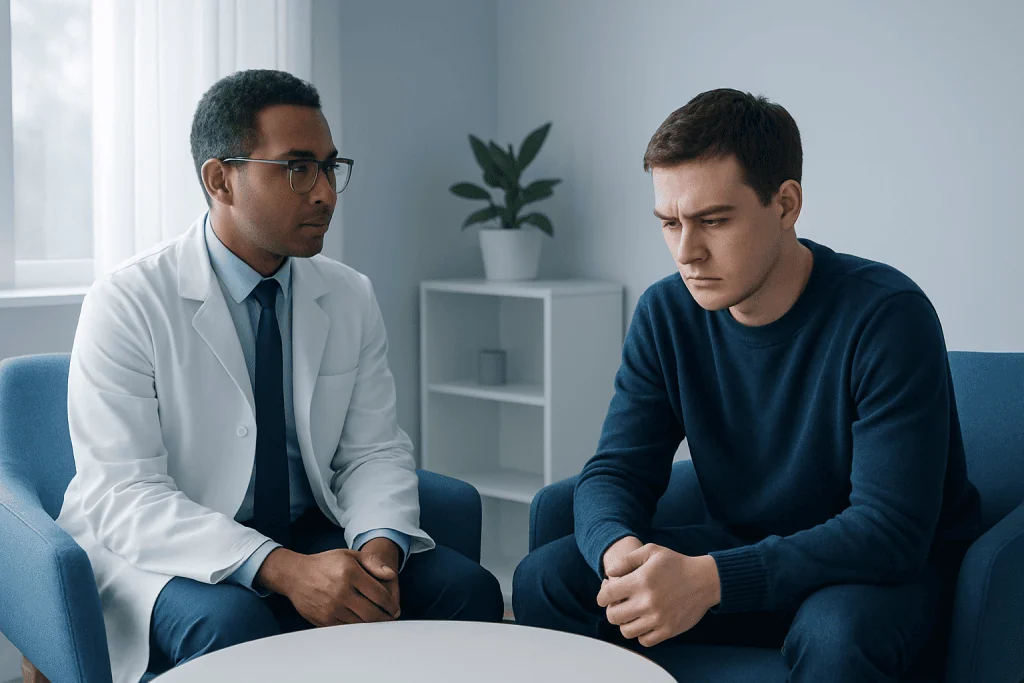
Antisocial behavior does not come from one single cause. It is usually linked to a combination of biological, psychological, family, and social factors. Research suggests that temperament, early childhood experiences, trauma, inconsistent caregiving, exposure to violence, poverty, unstable housing, and peer influences can all contribute.
Some people with antisocial behavior also have coexisting conditions that make symptoms more difficult to manage. These may include substance use disorders, depression, anxiety, post-traumatic stress, impulse-control problems, or other psychiatric conditions. In rare cases, changes in behavior may be related to neurological illness or brain injury, so clinicians sometimes consider whether additional testing is needed.
Risk factors do not mean a person is destined to develop severe antisocial behavior. They simply raise the chance that problems may appear or persist. This is one reason early assessment and support are valuable, especially in children and adolescents who show persistent conduct problems, aggression, or repeated rule-breaking.
How diagnosis and evaluation are made
Diagnosis begins with a detailed psychiatric assessment. A mental health professional asks about current behaviors, childhood history, family relationships, school or work functioning, trauma exposure, substance use, medical problems, medications, and any legal or safety concerns. When appropriate and with consent, information from family members or caregivers may also help clarify the pattern.
There is no single blood test or scan that diagnoses antisocial behavior or antisocial personality disorder. Diagnosis is based on clinical criteria, observed patterns, and the exclusion of other causes. The clinician may also screen for depression, anxiety, bipolar disorder, substance use disorders, cognitive problems, or other conditions that could affect judgment and behavior.
If symptoms are severe, sudden, or out of character, doctors may evaluate for neurological or medical causes. In selected cases, tests such as MRI scanning may be used when there is concern about head injury, seizure-related problems, or other brain conditions. The goal is not simply to label behavior, but to understand what is driving it and what kind of help is most likely to work.
Treatment options: therapy, medications, and coordinated care
Psychotherapy is the mainstay of antisocial behavior treatments. In general, therapy works best when it is structured, practical, and focused on specific goals rather than abstract discussion alone. Approaches may include cognitive behavioral therapy, anger management, problem-solving therapy, relapse prevention for substance use, and programs that strengthen accountability, emotional regulation, and interpersonal skills.
There is no medicine approved to cure antisocial behavior itself. However, medication may be useful when a person also has depression, anxiety, severe irritability, mood instability, sleep problems, or addiction. If substance use is contributing to aggression or poor judgment, treatment for addiction becomes a major part of care, including counseling and, when appropriate, alcohol and drug addiction treatment.
Family or couple-based interventions may help in some situations by improving communication, setting boundaries, and reducing cycles of conflict. Social support is also important. Depending on the person’s needs, coordinated care may include psychiatric follow-up, social work support, legal or occupational guidance, and treatment for other mental health conditions, such as psychiatric care. For people in acute crisis, hospital-based assessment may be needed to stabilize safety before longer-term treatment begins.
Progress can be gradual. Some people do not initially seek treatment because they do not view their behavior as a problem, so building trust and motivation can take time. Even so, a clear, consistent care plan may reduce harmful behavior and improve functioning over months and years.
Self-care, family support, and everyday management
Self-care does not replace professional treatment, but it can support better outcomes. Helpful steps may include avoiding alcohol or recreational drugs, following a regular sleep schedule, keeping appointments, and learning ways to pause before reacting. Some people benefit from written plans that outline triggers, warning signs, coping strategies, and who to contact if anger or impulsivity begins to escalate.
Family members often need guidance as well. Supportive involvement can help, but it is also important to maintain clear boundaries and prioritize safety. Loved ones are generally encouraged to communicate calmly, avoid escalating arguments, and seek professional advice if there are threats, intimidation, or repeated manipulation.
Practical stability matters. Housing support, employment assistance, school services, and treatment for coexisting conditions can reduce stressors that worsen behavior. Near the end of a treatment journey, some people may continue follow-up with mental health specialists to monitor relapse risks, substance use, and relationship functioning. Acibadem International’s multidisciplinary specialists in JCI-accredited hospitals diagnose and treat mental health conditions for international patients when specialized assessment is needed.
When to seek medical care
Medical or psychiatric care should be sought when antisocial behavior is persistent, causes major problems at home, school, work, or with the law, or is linked to aggression, threats, severe impulsivity, or substance misuse. Evaluation is also important if behavior changes suddenly, especially after a head injury, new medication, heavy substance use, or a major emotional crisis.
Urgent help is needed if there is immediate risk of violence, self-harm, suicidal thoughts, inability to care for basic needs, intoxication with dangerous behavior, or psychotic symptoms such as hallucinations or extreme paranoia. In these situations, emergency services or urgent psychiatric assessment may be the safest next step.
Parents and caregivers should seek professional advice if a child or teenager shows a repeated pattern of cruelty, aggression, fire-setting, theft, serious rule-breaking, or lack of concern after harming others. Early intervention may improve long-term outcomes and help identify treatable problems such as trauma, learning difficulties, ADHD, or depression.
Frequently asked questions
What are the main antisocial behavior treatments?
The main treatments are psychotherapy, treatment for coexisting mental health or substance use problems, and practical support around safety and daily functioning. Therapy is usually structured and goal-focused, helping the person manage impulses, reduce aggression, and improve decision-making.
Can antisocial behavior be cured?
There is not a single cure that works for everyone. However, symptoms and harmful behaviors may improve with consistent treatment, support, and attention to related conditions such as addiction, trauma, depression, or anxiety.
Do medications help with antisocial behavior?
No medication directly treats antisocial behavior itself in a specific, universal way. Medicines may still be helpful when a person has related symptoms or coexisting disorders, such as depression, mood instability, anxiety, sleep problems, or substance use disorder.
Is antisocial behavior the same as antisocial personality disorder?
Not always. Antisocial behavior describes actions or patterns such as aggression, deception, impulsivity, or rule-breaking, while antisocial personality disorder is a formal mental health diagnosis based on a broader long-term pattern and clinical criteria.
Can family members help during treatment?
Yes, family support can be helpful when it is safe and structured. Families often benefit from learning communication strategies, setting clear boundaries, and working with clinicians to reduce conflict and support treatment goals.
When is antisocial behavior an emergency?
It becomes an emergency when there is immediate risk of harm to self or others, severe intoxication with dangerous behavior, suicidal thoughts, or psychotic symptoms. In those situations, urgent medical or psychiatric help should be sought right away.
References
- American Psychiatric Association
- National Institute of Mental Health
- World Health Organization
- National Institute on Drug Abuse
- MedlinePlus
This article is for general information only and is not a substitute for professional medical advice. Please consult a qualified doctor about your individual situation.
Explore treatments in Turkey — costs, top hospitals & a free quote
JCI-accredited · board-certified surgeons · reply within 24h
Add us as a Preferred Source to see more of our trusted health content across Google Search, AI Overviews and Discover.