Understanding Battered Wife Syndrome: A Complete Patient Guide
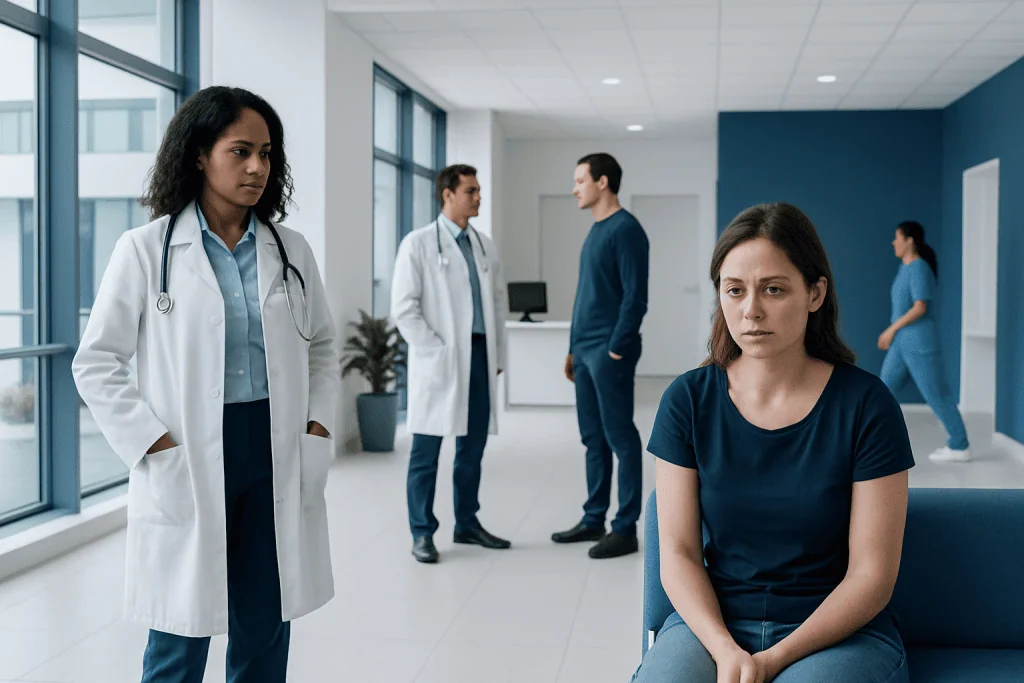
Battered wife syndrome refers to the effects of ongoing abuse rather than a character weakness or personal failure. Common effects include fear, anxiety, depression, hypervigilance, sleep problems, and trauma symptoms.
Key Takeaways
- Battered wife syndrome refers to the effects of ongoing abuse rather than a character weakness or personal failure.
- Common effects include fear, anxiety, depression, hypervigilance, sleep problems, and trauma symptoms.
- Assessment may involve physical examination, mental health evaluation, and planning for immediate safety.
- Treatment often includes trauma-informed therapy, medical care for injuries, social support, and legal or community resources.
- Anyone in immediate danger should seek emergency help or contact local crisis services as soon as it is safe to do so.
Battered wife syndrome is a term used to describe the psychological and physical effects that can develop after repeated intimate partner abuse. It is best understood today as a trauma-related response, and it deserves careful medical, psychological, and safety-focused support.
Overview
Battered wife syndrome is a term historically used to describe the emotional, behavioral, and physical effects seen in women who have experienced repeated abuse by an intimate partner. In modern clinical practice, these effects are usually understood within the broader framework of intimate partner violence and trauma-related conditions such as post-traumatic stress disorder. The term may still appear in public discussion and legal settings, but health professionals focus on the survivor’s symptoms, safety, and recovery needs.
This condition is not a formal diagnosis on its own. Instead, it describes a pattern of responses that can develop after long-term exposure to fear, control, threats, humiliation, isolation, or physical and sexual violence. A person may seem withdrawn, anxious, indecisive, or unusually alert to danger because the nervous system has adapted to chronic stress.
Abuse can affect every part of health. Survivors may have visible injuries, chronic pain, headaches, sleep disturbance, stomach symptoms, panic attacks, or difficulty concentrating. Many also experience shame, self-blame, and confusion, especially when abuse happens in cycles that include apologies, promises to change, or temporary calm periods.
A patient-centered approach is important. The goal is not to label someone, but to recognize trauma, validate their experience, assess risk, and connect them with practical and emotional support. With safe, trauma-informed care, many survivors can gradually rebuild a sense of control and well-being.
How abuse can affect the mind and body
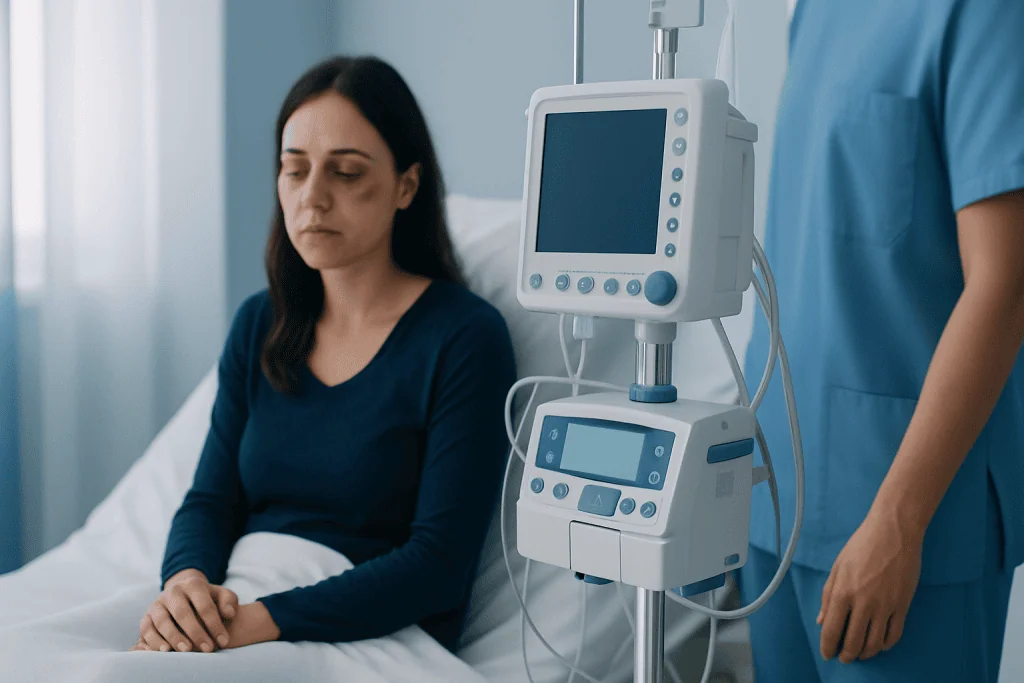
Repeated abuse can change the way a person thinks, feels, and responds to stress. Many survivors live in a state of ongoing alertness, watching for mood changes, angry outbursts, or signs of danger. Over time, this can lead to hypervigilance, startled reactions, difficulty relaxing, and a constant feeling of walking on eggshells.
Emotional effects are also common. A person may feel hopeless, numb, guilty, embarrassed, or deeply anxious. Some lose confidence in their own judgment after being criticized, threatened, manipulated, or isolated for a long time. Others have intrusive memories, nightmares, or avoidance of reminders of the abuse, all of which are well-recognized trauma responses.
Physical health can suffer as well. Survivors may experience bruises, fractures, head injuries, sexual health concerns, chronic pain, digestive complaints, migraines, fatigue, and worsening of existing medical conditions. If there has been strangulation, choking, or blows to the head, urgent medical assessment is especially important because serious injury may not be obvious at first.
Children, work, education, and social life may also be affected. Many survivors withdraw from friends and family, have trouble at work, or struggle with parenting under stress. These changes are understandable responses to an unsafe environment, not signs of weakness.
Signs and symptoms
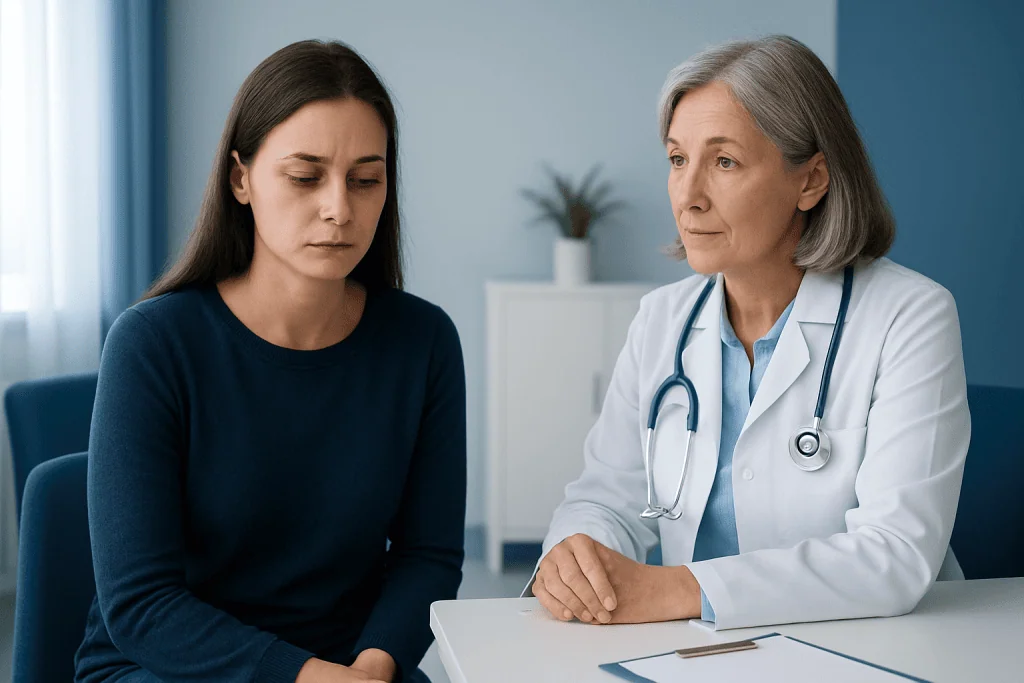
The signs of battered wife syndrome can vary widely. Some people show mainly emotional and psychological symptoms, while others have more visible physical injuries or chronic medical problems. The severity may depend on how long the abuse has been happening, the types of abuse involved, and whether the person has support.
Common symptoms may include:
- Persistent fear, anxiety, or panic
- Low mood, hopelessness, or depression
- Sleep problems, nightmares, or fatigue
- Hypervigilance or being easily startled
- Difficulty concentrating or making decisions
- Social withdrawal or isolation
- Low self-esteem and self-blame
- Unexplained bruises, pain, headaches, or repeated injuries
- Changes in eating habits or weight
- Sexual health concerns or fear related to intimacy
Not everyone will describe the abuse directly. Some may come to a clinic because of headaches, insomnia, chronic pain, stomach symptoms, or repeated injuries with unclear explanations. In healthcare settings, these patterns can prompt sensitive screening for intimate partner violence.
It is also possible for survivors to use coping strategies that others misunderstand, such as avoiding eye contact, appearing emotionally flat, minimizing events, or returning to the abusive relationship. These responses can happen in trauma and should be approached with compassion rather than judgment.
Causes and risk factors
Battered wife syndrome develops from ongoing intimate partner abuse. The abuse may be physical, emotional, psychological, sexual, financial, or digital. It often involves patterns of power and control rather than isolated arguments. Threats, monitoring, humiliation, coercion, and isolation can be as damaging as physical violence, especially when they happen repeatedly over time.
One reason survivors may remain in abusive relationships is the cycle of abuse. Tension may build, a violent or abusive incident occurs, then the abusive partner may apologize, deny responsibility, promise change, or behave affectionately for a time. This can create confusion, fear, emotional attachment, and hope that the situation will improve, even when the pattern repeats.
Risk factors for experiencing intimate partner violence are complex and never mean that abuse is the victim’s fault. Dependence on a partner for housing, finances, immigration status, or childcare can make leaving more difficult. Social isolation, prior trauma, pregnancy, disability, and limited access to support services can also increase vulnerability.
Cultural stigma and fear of not being believed may delay disclosure. Some survivors worry about retaliation, losing custody of children, or escalating violence if they seek help. Understanding these barriers is essential to providing supportive, realistic care.
How doctors and mental health professionals assess it
There is no single test for battered wife syndrome. Assessment usually begins with a private, respectful conversation in a safe setting. A doctor, nurse, psychologist, or psychiatrist may ask about injuries, emotional symptoms, sleep, daily functioning, and whether the patient feels safe at home. If abuse is suspected, clinicians generally try to speak with the patient alone.
A physical examination may be needed to check for injuries, chronic pain, sexual trauma, or signs of head and neck injury. Depending on symptoms, a clinician may recommend imaging, blood tests, or specialist evaluation. People with memory problems, fainting, headaches, or neck pain after assault may need careful review because concussion and strangulation-related injuries can be missed.
Mental health assessment focuses on trauma-related symptoms, depression, anxiety, substance use, and suicidal thoughts. Conditions such as depression may occur alongside trauma responses and deserve treatment in their own right. Documentation of injuries and symptoms may also be important if the patient later chooses legal action, but this should be handled sensitively and confidentially.
Safety assessment is a central part of care. Healthcare teams may ask whether the violence is getting worse, whether weapons are present, whether children are at risk, and whether the patient has a safe place to go. The aim is to support informed decisions, not to pressure the survivor into actions they are not ready or able to take.
Treatment and support options
Treatment depends on immediate safety needs, injuries, and emotional symptoms. First, any urgent medical problems should be addressed, including wounds, fractures, head injury, sexual assault, pregnancy-related concerns, or severe distress. Some patients may need emergency care, while others benefit most from a planned outpatient approach with trauma-informed follow-up.
Mental health care often plays a major role in recovery. Trauma-focused counseling, supportive psychotherapy, and, when appropriate, care through psychiatry services can help survivors process what happened, reduce fear and anxiety, and rebuild coping skills. If depression, panic, or sleep disturbance is significant, a qualified clinician may also discuss medication as part of a broader treatment plan.
For some survivors, structured trauma care such as psychological support is especially helpful. Therapy may focus on safety, grounding techniques, understanding trauma responses, self-esteem, and restoring everyday functioning. Social workers, community advocates, shelters, and legal services can also help with housing, protection planning, financial support, and child safety.
Recovery is rarely linear. A survivor may leave, return, or stay while seeking support. The most effective care respects autonomy, avoids blame, and offers practical choices. Near the end of the care pathway, multidisciplinary specialists at Acibadem International, in JCI-accredited hospitals, can help assess trauma-related symptoms and coordinate medical and mental health treatment for international patients when needed.
Self-care, safety planning, and prevention
In the context of abuse, self-care begins with safety. If a person chooses to prepare for leaving or for emergency situations, it may help to keep important documents, medications, phone numbers, and a small bag in a place that can be accessed quickly. A trusted friend, family member, advocate, or healthcare professional can sometimes help develop a personalized safety plan.
Helpful steps may include:
- Identifying safe places to go in an emergency
- Memorizing or storing crisis contact numbers safely
- Setting up a code word with trusted people
- Keeping copies of important documents when possible
- Documenting injuries or abusive incidents if safe to do so
- Seeking medical attention after assaults, especially after head injury or strangulation
Emotional self-care can support healing, though it does not replace professional help. Gentle routines such as regular meals, sleep habits, breathing exercises, journaling, and contact with supportive people may reduce stress. Some survivors also benefit from support groups, where hearing similar experiences can reduce isolation and self-blame.
Prevention at a broader level involves education about healthy relationships, early recognition of controlling behavior, and access to confidential support. Abuse is never caused by the victim’s behavior, and responsibility always lies with the person choosing to abuse.
When to seek medical care
Medical care should be sought promptly after any physical assault, sexual assault, head injury, loss of consciousness, severe pain, bleeding, or suspected fracture. Urgent evaluation is also important after choking or strangulation, even if there are few marks on the skin, because delayed breathing or brain-related complications can occur. If a person feels unable to stay safe, emergency services or a local crisis resource may be necessary.
Non-emergency medical care is still very important. A doctor should be consulted for ongoing anxiety, depression, nightmares, panic attacks, chronic pain, repeated unexplained injuries, or trouble functioning at home or work. Trauma-related symptoms can persist long after the most recent abusive event and deserve proper treatment.
It is also appropriate to seek help if there are concerns about pregnancy, sexually transmitted infections, or emotional numbness and hopelessness. Support can include primary care, emergency medicine, gynecology, mental health care, and rehabilitation depending on the person’s needs. In some cases, associated symptoms such as headaches or memory issues may benefit from further evaluation, including neurology assessment.
Anyone with thoughts of self-harm or suicide should seek immediate professional help. If speaking openly feels unsafe, a survivor can tell a healthcare professional that they do not feel safe at home and need to talk privately. This simple step can open the door to confidential support.
Frequently asked questions
Is battered wife syndrome an official medical diagnosis?
Not as a standalone formal diagnosis. Today, clinicians usually understand it as a trauma-related response to intimate partner violence, often alongside conditions such as anxiety, depression, or post-traumatic stress. The focus is on symptoms, safety, and appropriate care.
Can someone have battered wife syndrome without obvious physical injuries?
Yes. Emotional, psychological, sexual, and coercive abuse can cause significant trauma even when visible injuries are not present. Fear, sleep problems, panic, isolation, and low self-esteem are common effects.
Why do some survivors stay in abusive relationships?
There are many reasons, including fear of retaliation, financial dependence, concern for children, social isolation, immigration or housing issues, and hope that the partner will change. Trauma can also affect decision-making and coping. Staying does not mean the abuse is acceptable or that the survivor is responsible.
What kind of doctor should a survivor see first?
A survivor may start with an emergency doctor, primary care doctor, gynecologist, or mental health professional, depending on the immediate concern. If there are injuries, sexual assault, strangulation, or severe distress, urgent medical assessment is best. Any qualified clinician should be able to begin support and referral.
Can battered wife syndrome be treated?
Yes, treatment can help significantly. Recovery often includes a combination of medical care, trauma-informed therapy, safety planning, and social support. Healing takes time, but many survivors improve with compassionate, consistent care.
What should someone do if they are not ready to leave yet?
They can still seek medical and emotional support, talk privately with a healthcare professional, and make a safety plan. Support does not require immediate separation from the partner. The goal is to improve safety and provide options without judgment.
References
- World Health Organization
- Centers for Disease Control and Prevention
- National Institute of Mental Health
- American Psychiatric Association
- Office on Women's Health
This article is for general information only and is not a substitute for professional medical advice. Please consult a qualified doctor about your individual situation.
Explore treatments in Turkey — costs, top hospitals & a free quote
JCI-accredited · board-certified surgeons · reply within 24h
Add us as a Preferred Source to see more of our trusted health content across Google Search, AI Overviews and Discover.

More from the Health Library

Related Specialists

Assoc. Prof. Dr. İzzet Doğan
Medical Oncology
Prof. Dr. Turgut Aydın
Gynecology & Obstetrics
Prof. Dr. Çağlar Çuhadaroğlu
Pulmonary Medicine
Dr. Mustafa Göğebakan
Pediatrics