Understanding Cuboid Syndrome: A Complete Patient Guide

Cuboid syndrome causes pain on the outer side of the midfoot, often after an ankle sprain or repetitive stress. It is linked to irritation of the cuboid bone and surrounding joints, ligaments, and soft tissues rather than a single simple injury in every case.
Key Takeaways
- Cuboid syndrome causes pain on the outer side of the midfoot, often after an ankle sprain or repetitive stress.
- It is linked to irritation of the cuboid bone and surrounding joints, ligaments, and soft tissues rather than a single simple injury in every case.
- Diagnosis is mainly based on symptoms, physical examination, and ruling out fractures or other causes of foot pain.
- Treatment may include rest, activity modification, taping, supportive footwear, rehabilitation exercises, and sometimes manual treatment by a trained clinician.
- Medical assessment is important if pain is severe, follows a major injury, or does not improve with basic self-care.
Cuboid syndrome is a painful condition affecting the outer middle part of the foot, usually when the cuboid bone and nearby joints become irritated after a twist, sprain, or repetitive strain. It can be uncomfortable but is commonly managed with rest, footwear changes, physical therapy, and medical evaluation when symptoms persist.
Overview
Cuboid syndrome is a condition that causes pain around the cuboid bone, a small bone on the outer side of the midfoot. It usually develops when the joints and soft tissues around this bone become irritated, often after the foot twists inward, after an ankle sprain, or from repeated stress during walking, running, or jumping. Many people describe it as a sharp or aching pain along the outside of the foot that worsens with weight-bearing.
Although the name may sound as if the bone is always “out of place,” cuboid syndrome is better understood as a mechanical problem involving the cuboid joint area, nearby ligaments, and the way the foot moves. Symptoms can resemble other injuries, so proper evaluation matters. In many cases, the condition improves with conservative care and guidance from a qualified clinician.
The cuboid plays an important role in foot stability. It helps connect the heel and the forefoot on the outer side and supports smooth motion during standing and walking. When this area becomes irritated, even routine steps may feel uncomfortable, especially when pushing off the foot.
Symptoms and how it feels
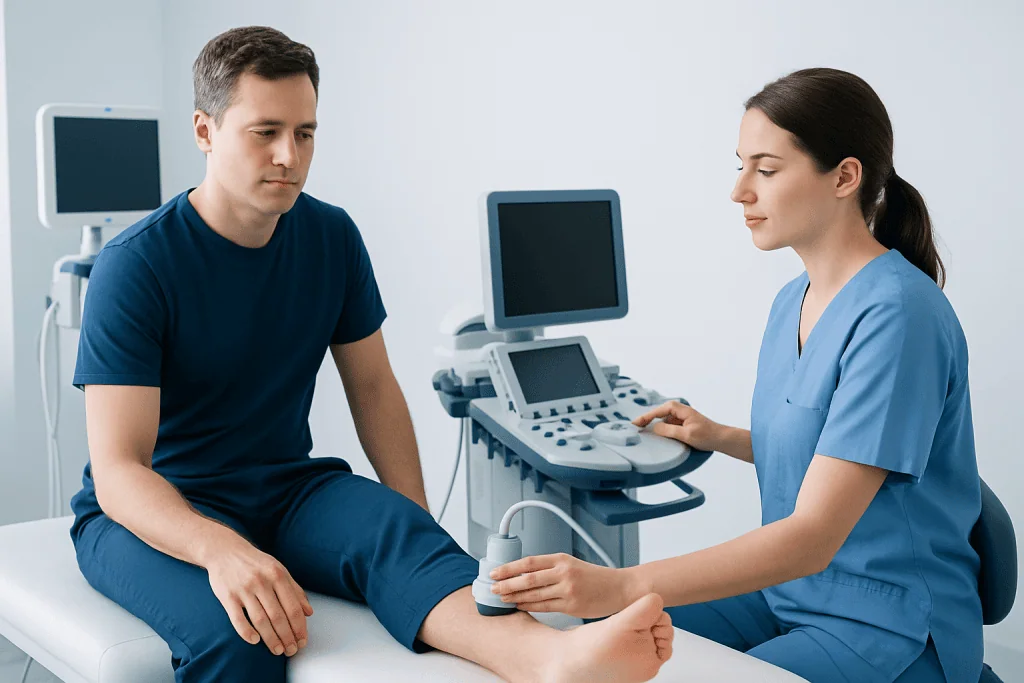
The main symptom of cuboid syndrome is pain on the outer side of the foot, especially in the middle portion between the heel and the little toe. Some people notice pain after an ankle sprain, while others develop it gradually after repetitive activity. The discomfort may be mild at first and then increase during exercise, long walks, stair climbing, or standing for extended periods.
Symptoms can vary from person to person. The area may feel tender to touch, and some people notice a sense of weakness or instability when pushing off the foot. There may also be stiffness, difficulty walking normally, or pain that improves with rest but returns during activity.
- Outer midfoot pain or tenderness
- Pain during walking, running, jumping, or side-to-side movement
- Discomfort when pushing off the foot
- Feeling of foot weakness or reduced stability
- Occasional swelling or tightness around the area
Because outer foot pain can have several causes, cuboid syndrome can be mistaken for a fracture, tendon irritation, or persistent pain after an ankle injury. Conditions such as ankle sprain or tendon problems may overlap, so persistent or unexplained pain should be assessed rather than self-diagnosed.
Causes and risk factors

Cuboid syndrome often develops after an injury that changes how the foot moves. A common trigger is an inversion ankle sprain, where the foot rolls inward and stresses the outer side of the midfoot. This can irritate the joint surfaces around the cuboid and the ligaments that support them. In other cases, there is no single memorable injury, and the condition develops through repetitive strain.
Activities that involve running, jumping, quick direction changes, or dancing may increase the risk. Poorly supportive footwear, training on uneven surfaces, or returning to sport too quickly after an ankle sprain can also contribute. Foot shape and walking mechanics may matter as well. For example, people with tight calf muscles, foot overpronation, or prior instability around the ankle may place more stress on the cuboid region.
Less commonly, outer foot pain may be related to different problems such as peroneal tendon irritation, stress injury, arthritis, or another structural issue. That is why healthcare professionals usually consider the broader picture rather than assuming all lateral foot pain is cuboid syndrome.
How cuboid syndrome is diagnosed
Diagnosis begins with a careful history and physical examination. A clinician will ask when the pain started, whether there was a twist or sprain, which movements make it worse, and whether there is swelling, bruising, numbness, or difficulty bearing weight. They will also examine the foot and ankle to locate tenderness and assess walking pattern, joint movement, and stability.
There is no single blood test or imaging test that confirms cuboid syndrome on its own. Instead, the diagnosis is often clinical, meaning it is based on symptoms and examination findings, while ruling out other causes. Doctors may order X-rays if there is concern about a fracture or significant injury. In selected cases, ultrasound or MRI may be useful to evaluate soft tissues or persistent pain.
Since symptoms may overlap with other conditions, diagnosis sometimes includes checking for problems such as stress fractures, arthritis, ligament injuries, or tendon disorders like peroneal tendonitis. When the diagnosis is uncertain or symptoms are prolonged, referral to a foot and ankle specialist or sports medicine clinician may be appropriate.
Treatment options
Treatment for cuboid syndrome usually starts with reducing irritation and restoring normal foot function. Rest from painful activities, especially running or jumping, often helps in the early stage. Ice may reduce soreness after activity, and short-term activity modification can allow the tissues to calm down. Supportive shoes or inserts may also reduce stress on the outer side of the foot.
Many patients benefit from rehabilitation focused on flexibility, strength, and balance. A physical therapist may guide calf stretching, foot and ankle strengthening, and exercises to improve stability after an ankle sprain. Taping or padding techniques can sometimes support the cuboid region and make walking more comfortable. Some trained clinicians may use manual techniques to improve joint movement when this is appropriate and safe.
If pain continues, a doctor may evaluate whether additional treatment is needed. Depending on the underlying issue, care may include physical therapy and rehabilitation, temporary immobilization, or further imaging. When symptoms are linked to a broader injury pattern, assessment by orthopedic and traumatology specialists can help guide recovery and rule out other causes.
Surgery is not a usual treatment for cuboid syndrome itself. If an operation is ever discussed, it is typically because another diagnosis has been identified, such as a structural injury or chronic instability, rather than straightforward cuboid syndrome.
Self-care, recovery, and prevention
Most people recover well when the cause of the pain is addressed and the foot is not repeatedly overloaded. Recovery time varies depending on severity, how long symptoms have been present, and whether there are associated ankle or tendon problems. A gradual return to full activity is usually safer than pushing through pain.
Helpful self-care steps often include wearing stable, well-fitting shoes, avoiding high-impact activity until walking is comfortable, and following prescribed exercises consistently. People who are returning to sport may benefit from a structured progression rather than immediate full training. If ankle weakness or instability contributed to the problem, those issues should also be treated to help prevent recurrence.
- Use supportive footwear for daily activity and exercise
- Warm up before sport and increase training gradually
- Rehabilitate fully after an ankle sprain
- Address balance, calf tightness, and foot strength
- Seek reassessment if pain returns repeatedly
For people with ongoing mechanical foot problems, clinicians may suggest custom or prefabricated orthotics, targeted rehabilitation, or further review by a foot specialist. In complex cases, evaluation through sports medicine services may help athletes and active individuals return more safely to activity.
When to seek medical care
Medical care is recommended if outer foot pain begins after a significant fall, twist, or sports injury, especially if walking is difficult. A prompt assessment is also important when there is marked swelling, visible deformity, bruising, or pain that does not improve after several days of rest and reduced activity. These features can suggest a problem other than simple cuboid irritation.
People should also seek medical advice if the pain keeps returning, limits normal activity, or is associated with numbness, fever, or skin color changes. Ongoing symptoms deserve evaluation because stress fractures, tendon injuries, arthritis, and other conditions can mimic cuboid syndrome.
At Acibadem International, multidisciplinary specialists in JCI-accredited hospitals evaluate foot and ankle pain for international patients and can help diagnose conditions such as cuboid syndrome with a personalized treatment plan based on examination and imaging when needed.
Frequently asked questions
What is cuboid syndrome in simple terms?
Cuboid syndrome is pain and mechanical irritation around the cuboid bone on the outer side of the foot. It often happens after an ankle sprain or repeated stress and can make walking or pushing off the foot uncomfortable.
Can cuboid syndrome go away on its own?
Mild cases may improve with rest, supportive footwear, and reducing aggravating activity. However, if symptoms persist or keep returning, medical assessment is important to confirm the diagnosis and rule out other causes such as a fracture or tendon injury.
How is cuboid syndrome different from a fracture?
Cuboid syndrome usually involves joint and soft tissue irritation rather than a broken bone. A fracture is more likely after significant trauma and may cause severe pain, swelling, and difficulty bearing weight, which is why imaging may be needed in some cases.
Is cuboid syndrome the same as an ankle sprain?
No. An ankle sprain affects the ligaments around the ankle, while cuboid syndrome affects the outer midfoot region. The two can happen together, and cuboid pain may appear after an ankle sprain changes foot mechanics.
What treatments help cuboid syndrome most?
Treatment often includes rest from painful activity, supportive shoes, taping, rehabilitation exercises, and correction of ankle or foot mechanics. Some people also benefit from manual treatment by a trained clinician, especially when movement at the joint is restricted.
When should someone see a doctor for suspected cuboid syndrome?
A doctor should be seen if pain follows a significant injury, makes it hard to walk, or does not improve with rest and basic self-care. Medical advice is also important if there is swelling, bruising, numbness, or repeated episodes of the same pain.
References
- American Academy of Orthopaedic Surgeons
- American Orthopaedic Foot & Ankle Society
- National Institute of Arthritis and Musculoskeletal and Skin Diseases
- Mayo Clinic
- MedlinePlus
This article is for general information only and is not a substitute for professional medical advice. Please consult a qualified doctor about your individual situation.
Joint and spine care in Turkey — expert assessment & treatment
JCI-accredited · board-certified surgeons · reply within 24h
Add us as a Preferred Source to see more of our trusted health content across Google Search, AI Overviews and Discover.