Understanding Cup Treatment: A Complete Patient Guide

Cup treatment uses suction on the skin and is most often used for muscle tightness, soreness, and comfort-focused care. Common temporary effects include circular skin marks, mild tenderness, and bruising-like discoloration.
Key Takeaways
- Cup treatment uses suction on the skin and is most often used for muscle tightness, soreness, and comfort-focused care.
- Common temporary effects include circular skin marks, mild tenderness, and bruising-like discoloration.
- Evidence for cup treatment is mixed, so it is best viewed as a complementary therapy rather than a replacement for medical care.
- People with bleeding disorders, fragile skin, infection, or certain medical conditions may need to avoid cup treatment.
- A medical evaluation is important if pain is severe, persistent, unexplained, or accompanied by neurological or systemic symptoms.
Cup treatment, also called cupping therapy, is a traditional technique that places suction cups on the skin to ease muscle tension and support comfort in some people. It may help with localized pain or tightness, but it is not suitable for everyone and should be performed by a qualified professional who can assess safety and expected benefits.
Overview: What cup treatment is
Cup treatment, commonly known as cupping therapy, is a traditional therapeutic practice in which cups are placed on the skin to create suction. The suction gently lifts the skin and superficial tissues. Many people use it to help with muscle tightness, back or neck discomfort, and a general feeling of stiffness. It is often offered in complementary medicine settings and may be used alongside standard medical care.
There are different forms of cup treatment. In dry cupping, suction is created with heat or a suction device and the cups remain on the skin for several minutes. In moving cupping, a practitioner applies oil and glides the cups across the skin. Some traditions also use wet cupping, which involves small superficial skin pricks, but this form requires stricter infection control and should only be considered in appropriately regulated medical settings.
People often ask whether cup treatment really works. The answer is that some individuals feel short-term relief from muscle tension or soreness, but research findings are mixed and benefits may vary by condition, technique, and practitioner experience. For this reason, cup treatment is generally considered a complementary option rather than a primary treatment for a diagnosed medical problem.
How cup treatment works and what it may help with
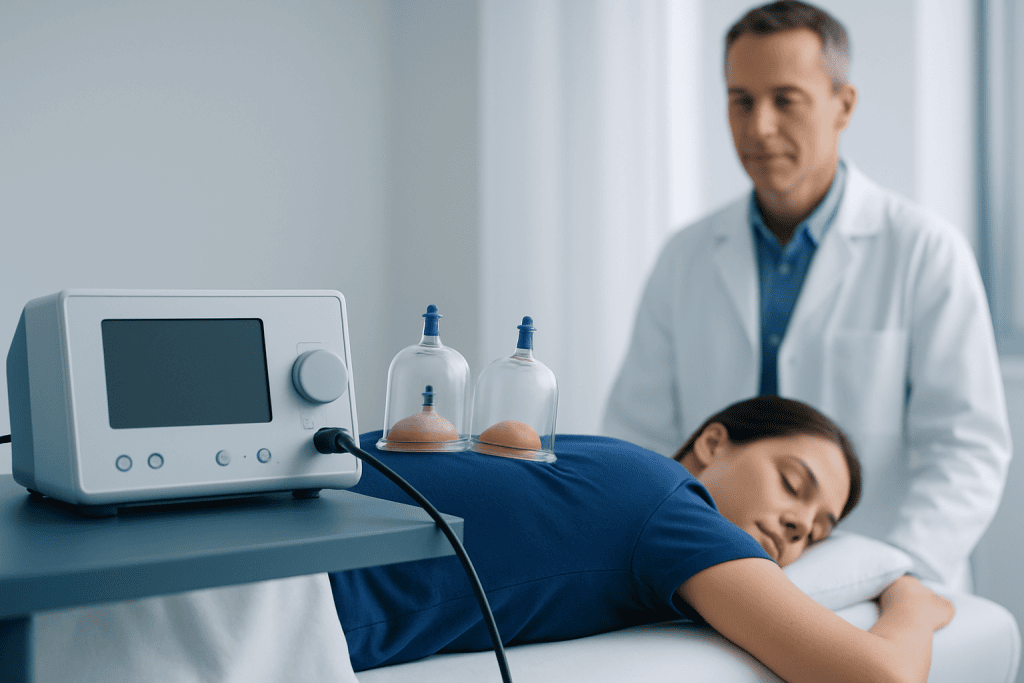
The exact way cup treatment works is still being studied. The suction is thought to increase local blood flow, stretch superficial tissues, and influence pain signaling. Some people describe a loosening sensation in tight muscles or a temporary reduction in discomfort after a session. These effects may be especially noticeable when symptoms are related to muscle overuse, posture strain, or exercise recovery.
In practice, cup treatment is most often used for musculoskeletal complaints rather than internal disease. It may be considered for discomfort in the neck, shoulders, upper or lower back, and sometimes the legs. Some people also seek it for headaches related to muscle tension, although persistent or severe headaches need proper medical assessment because they can have other causes.
Possible uses of cup treatment may include:
- Muscle tightness and myofascial discomfort
- Localized back or neck pain
- Post-exercise soreness
- Shoulder stiffness
- Tension-related aches
If a person has ongoing joint pain, radiating pain, numbness, weakness, or repeated headaches, it is important to look for the underlying cause rather than relying only on symptom relief. Conditions such as herniated disc or other spine problems may need formal diagnosis and targeted care.
What happens during a session

Before cup treatment begins, a qualified practitioner usually asks about symptoms, medical history, skin conditions, medications, and treatment goals. This step is important because cup treatment is not appropriate for everyone. The practitioner then chooses the cup size, treatment area, suction strength, and how long the cups will stay on the skin.
During dry cupping, the cups are applied to the skin and left in place for a short period, often several minutes. The person may feel pulling, pressure, or tightness, but the treatment should not feel sharply painful. In moving cupping, massage oil is applied and the cups are moved over the skin, creating a deeper dragging sensation that some people find relieving and others find intense.
After treatment, circular red, purple, or brown marks can appear. These marks are common and usually fade over several days to one or two weeks, depending on skin type and suction intensity. Mild soreness can occur, similar to the feeling after a deep tissue massage. A practitioner should provide aftercare advice, including hydration, gentle movement, and avoiding aggressive skin irritation over the treated area.
Benefits, limits, and possible side effects
The main reason people choose cup treatment is to reduce discomfort and improve a sense of mobility or relaxation. Some patients report that their muscles feel less tight after treatment and that they move more comfortably for a short period. In some cases, cup treatment is incorporated into a broader rehabilitation plan that may also include exercise therapy, posture work, and physical therapy and rehabilitation.
It is important to understand the limits of cup treatment. It does not correct structural problems such as severe disc disease, fractures, or advanced joint damage. It also does not treat infections, inflammatory diseases, or neurological conditions on its own. If a symptom has a medical cause, the best results usually come from identifying that cause and choosing evidence-based treatment.
Common side effects are usually mild and temporary. They may include skin marks, tenderness, a bruised appearance, mild swelling, or temporary lightheadedness. Less commonly, cup treatment can cause skin irritation, burns if heat is used improperly, blistering, or infection risk if the skin is broken. Anyone considering cup treatment should make sure the provider follows clean technique and uses appropriate equipment.
Who should avoid cup treatment or use caution
Cup treatment is not suitable for every person or every symptom. It should be avoided over broken skin, active rashes, sunburn, infected areas, or recent wounds. It is also not recommended over areas with severe varicose veins or over a known blood clot. People with fragile skin may develop more significant bruising or skin injury from suction.
Extra caution is needed for people who take blood thinners, have a bleeding disorder, or bruise very easily. Individuals with certain chronic illnesses, poor wound healing, uncontrolled medical conditions, or reduced sensation in the skin should also seek medical advice before trying cup treatment. Pregnant patients should only consider it after consulting a qualified clinician, especially if treatment is proposed over the abdomen or lower back.
Children, older adults with delicate skin, and people with unexplained pain should not undergo cup treatment without appropriate assessment. If pain is recurring, severe, or associated with weakness, numbness, fever, weight loss, breathing problems, or chest symptoms, a doctor should evaluate the problem first. In these situations, symptom relief should not delay diagnosis.
How doctors evaluate pain before recommending any therapy
When pain is persistent or not clearly related to simple muscle strain, a medical evaluation helps clarify the cause. A doctor will usually ask where the pain is located, how long it has been present, what makes it better or worse, and whether there are warning signs such as tingling, weakness, fever, or nighttime pain. Physical examination can show whether the issue is mainly muscular or whether nerves, joints, or internal organs may be involved.
Depending on symptoms, testing may be needed before deciding whether conservative approaches like cup treatment are reasonable. Imaging, blood tests, or specialist evaluation may be recommended in selected cases. For example, ongoing pain with radiating symptoms may need assessment with MRI to look at soft tissues, discs, or nerve compression.
If a person has severe or long-lasting musculoskeletal pain, treatment may involve more than one approach. Medical care can include exercise-based rehabilitation, medications when appropriate, and sometimes specialist procedures. For clearly diagnosed spinal or nerve-related problems, options may range from nonsurgical care to evaluation by teams experienced in neurosurgery or other targeted interventions when indicated.
Self-care, practical safety tips, and realistic expectations
For people considering cup treatment, realistic expectations are important. It may offer temporary symptom relief, but it is not a cure-all. It tends to be most useful when discomfort is mild to moderate, localized, and likely related to muscle tension rather than a serious underlying disease. Tracking symptoms before and after sessions can help determine whether it is actually helpful.
Choosing a qualified practitioner matters. The provider should ask about medical history, explain possible side effects, obtain consent, use clean equipment, and avoid excessive suction. If any technique breaks the skin, infection control standards are especially important. A patient should feel comfortable asking about training, hygiene, and what to do if symptoms worsen after treatment.
Self-care measures can support recovery alongside or instead of cup treatment:
- Gentle stretching and regular movement
- Attention to posture and ergonomic habits
- Gradual return to exercise after overuse
- Heat or cold packs when suitable
- Adequate sleep and hydration
Near the end of a care pathway, some patients may benefit from coordinated specialist review if symptoms continue. Acibadem International’s multidisciplinary specialists and JCI-accredited hospitals diagnose and treat musculoskeletal and neurological conditions for international patients when a broader evaluation is needed.
When to seek medical care
Medical care is important if pain is intense, lasts longer than expected, keeps coming back, or interferes with daily activities. A doctor should also assess symptoms that are not clearly linked to muscle strain, especially if they begin suddenly or worsen over time. In these cases, cup treatment should not replace proper diagnosis.
Urgent medical assessment is needed for red-flag symptoms such as chest pain, shortness of breath, fainting, high fever, severe headache, new weakness, numbness, loss of bladder or bowel control, or significant swelling and redness in a limb. Skin injury after cupping, signs of infection, or burns also deserve prompt attention. Safe care starts with understanding whether the problem is truly muscular or whether another condition needs treatment first.
Frequently asked questions
What is cup treatment used for?
Cup treatment is most commonly used to help relieve muscle tightness, localized soreness, and a feeling of stiffness. Many people seek it for back, neck, shoulder, or post-exercise discomfort. It is generally used as a complementary therapy rather than a replacement for medical treatment.
Does cup treatment hurt?
Cup treatment usually causes a pulling or pressure sensation rather than sharp pain. Some people find it soothing, while others feel it is intense, especially with stronger suction or moving cupping. If treatment feels painful, the practitioner should reduce the suction or stop.
Why does cup treatment leave marks?
The circular marks happen because suction affects small blood vessels near the surface of the skin. They are common and usually fade on their own over several days to one or two weeks. These marks are not always a sign of treatment quality or effectiveness.
Is cup treatment safe for everyone?
No. People with bleeding disorders, fragile or injured skin, active infection, certain vascular problems, or unexplained pain may need to avoid it. Anyone who is pregnant, takes blood thinners, or has a chronic medical condition should ask a qualified clinician before trying it.
Can cup treatment treat serious medical conditions?
Cup treatment is not a cure for serious medical conditions. It may help with symptom relief in some cases, but it does not replace diagnosis or evidence-based treatment for problems such as nerve compression, infection, inflammatory disease, or structural spine disorders. Persistent or severe symptoms should be medically assessed.
How long do the effects of cup treatment last?
The effects vary from person to person and depend on the cause of the symptoms. Some people feel temporary relief for hours or days, while others notice little change. If symptoms repeatedly return, a doctor can help identify the underlying cause and suggest a broader treatment plan.
References
- World Health Organization
- National Center for Complementary and Integrative Health
- American Academy of Family Physicians
- National Institute of Neurological Disorders and Stroke
This article is for general information only and is not a substitute for professional medical advice. Please consult a qualified doctor about your individual situation.
Explore treatments in Turkey — costs, top hospitals & a free quote
JCI-accredited · board-certified surgeons · reply within 24h
Add us as a Preferred Source to see more of our trusted health content across Google Search, AI Overviews and Discover.