Understanding Dumping Syndrome: A Complete Patient Guide

Dumping syndrome usually develops after surgery that changes the stomach or its emptying function. Symptoms may happen soon after eating or 1 to 3 hours later, depending on the type.
Key Takeaways
- Dumping syndrome usually develops after surgery that changes the stomach or its emptying function.
- Symptoms may happen soon after eating or 1 to 3 hours later, depending on the type.
- Dietary changes are often the first and most effective step in treatment.
- Doctors diagnose dumping syndrome using symptom history, exam, and sometimes blood sugar or gastric emptying tests.
- Persistent symptoms, weight loss, dehydration, or fainting should be assessed by a doctor.
Dumping syndrome is a digestive condition in which food, especially sugar-rich food, moves too quickly from the stomach into the small intestine. It most often happens after surgery on the stomach or esophagus, and symptoms can often be improved with meal changes, supportive care, and targeted treatment when needed.
What dumping syndrome is
Dumping syndrome is a condition in which food leaves the stomach faster than normal and enters the small intestine too quickly. This rapid movement can trigger uncomfortable symptoms after meals, such as cramping, diarrhea, weakness, dizziness, flushing, or a racing heartbeat. It is not a disease that spreads or infects others; rather, it is a change in how digestion works.
It is most commonly seen after operations involving the stomach or esophagus, especially when surgery reduces stomach size or changes the valve that normally controls how food empties. Some people develop symptoms soon after surgery, while others notice them later as they return to a more regular diet.
Doctors often describe two patterns. Early dumping syndrome begins within about 10 to 30 minutes after eating and is linked to fluid shifts in the intestine. Late dumping syndrome tends to appear 1 to 3 hours after a meal and is more closely related to rapid sugar absorption followed by a drop in blood glucose.
Although symptoms can feel disruptive, many people improve with careful meal planning and medical guidance. Understanding the timing of symptoms is often the first step toward getting the right diagnosis and treatment.
How symptoms may feel after meals
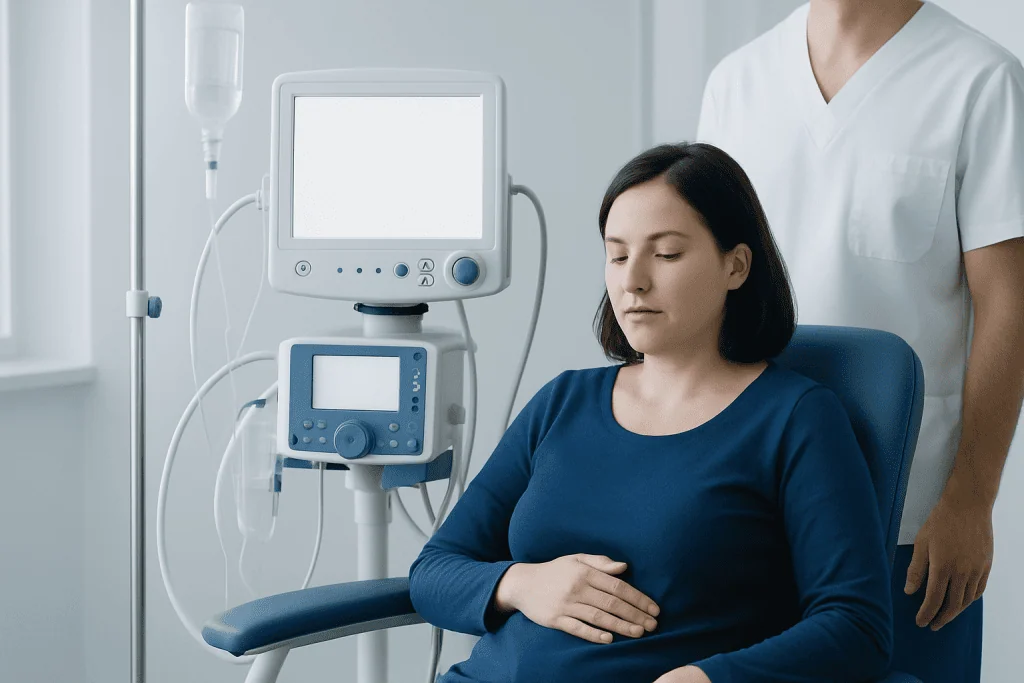
Symptoms of dumping syndrome vary from person to person, and some people have both early and late forms. Keeping track of when symptoms start in relation to eating can help clarify the pattern. Meals high in sugar or refined carbohydrates often make symptoms more noticeable.
Early dumping syndrome usually happens shortly after eating. As food and fluid shift rapidly into the small intestine, a person may feel abdominal fullness, bloating, cramping, nausea, or diarrhea. Some also develop flushing, sweating, lightheadedness, fatigue, or a fast heartbeat.
Late dumping syndrome appears later, often 1 to 3 hours after a meal. It can cause shakiness, sweating, hunger, weakness, confusion, or difficulty concentrating. These symptoms happen when blood sugar rises quickly and then drops because of a strong insulin response.
- Common digestive symptoms: bloating, cramps, nausea, diarrhea, and urgency to use the bathroom
- Common whole-body symptoms: dizziness, palpitations, sweating, flushing, weakness, and tiredness
- Symptoms linked more to late dumping: shakiness, hunger, faintness, and trouble focusing
Not every symptom after eating means dumping syndrome. Problems such as ulcers, lactose intolerance, irritable bowel syndrome, or low blood sugar from other causes can look similar, so medical assessment matters when symptoms persist.
Why it happens and who is at risk

The main reason dumping syndrome happens is that the stomach no longer stores and releases food at its usual pace. Normally, the stomach grinds food and passes it into the small intestine in a controlled way. If this process is altered, large amounts of food may enter the intestine too fast, pulling in fluid and causing sudden digestive and circulatory symptoms.
The condition most often follows surgery such as gastric bypass, partial gastrectomy, surgery for stomach cancer, esophageal surgery, or other procedures that affect the pylorus, the valve at the lower end of the stomach. People who have had gastric bypass surgery may be told about this risk as part of their long-term follow-up care.
Risk can also be higher after surgery performed to treat severe obesity, ulcers, tumors, or structural digestive problems. In some cases, people who have had gastrectomy or other stomach operations may also notice symptoms of related digestive conditions that need separate evaluation.
Less commonly, rapid stomach emptying can happen without surgery, but this is unusual. If symptoms occur in someone who has never had a stomach procedure, the doctor may look for other digestive or hormonal causes before confirming dumping syndrome.
How doctors diagnose dumping syndrome
Diagnosis begins with a detailed history. The doctor asks about prior stomach or esophageal surgery, the timing of symptoms after meals, the types of foods that trigger them, and whether there has been weight loss, dehydration, or fainting. This symptom pattern is often very helpful because early and late dumping tend to follow predictable timing.
A physical examination may be followed by tests if the diagnosis is not clear or if symptoms are significant. Depending on the situation, doctors may use blood sugar testing, an oral glucose challenge, or tests that assess how quickly the stomach empties. These tests help distinguish dumping syndrome from other digestive or metabolic conditions.
Additional testing may be needed when symptoms could also be explained by other postoperative problems. For example, upper endoscopy, imaging, or lab work may be used to rule out narrowing, ulcers, nutritional deficiencies, or other gastrointestinal disorders. If the person has symptoms such as upper abdominal pain, reflux, or difficulty eating, evaluation may also consider conditions such as stomach cancer follow-up issues when clinically relevant.
Because there is no single test that fits every patient, diagnosis is often based on the combination of surgery history, symptoms, and selected investigations. A gastroenterologist, surgeon, or nutrition specialist may work together to confirm the diagnosis and plan care.
Treatment options and long-term management
Treatment for dumping syndrome usually starts with food and eating-habit changes. Many people improve by eating smaller, more frequent meals rather than large meals, limiting foods high in simple sugars, and balancing meals with protein, fiber, and healthy fats. Drinking liquids between meals instead of with meals may also help slow stomach emptying and reduce symptoms.
Doctors may recommend resting in a semi-reclined position for a short period after meals if symptoms are severe, though advice should be individualized. A registered dietitian can be especially helpful after bariatric or stomach surgery, since meal planning needs to support both symptom control and proper nutrition. This is important if there is reduced appetite or concern about vitamin and mineral deficiencies.
If symptoms continue despite dietary changes, medicines may be considered. These can help slow digestion, reduce rapid carbohydrate absorption, or support blood sugar stability in selected patients. Medication choice depends on the type of symptoms, overall health, and the kind of surgery a person has had.
In a small number of cases, symptoms remain severe and affect nutrition or daily life despite conservative treatment. Then a specialist may consider procedural or surgical revision, particularly when anatomy after earlier surgery is contributing to the problem. Patients who previously underwent bariatric surgery may need review by a multidisciplinary team to decide whether additional intervention is appropriate.
Everyday self-care, nutrition, and prevention tips
Self-care focuses on slowing digestion and avoiding meal patterns that trigger symptoms. Eating slowly, chewing well, and stopping before feeling overly full can help. Some people benefit from keeping a food and symptom diary to identify personal triggers such as sweets, sweetened drinks, large portions, or very hot beverages.
Preventing symptoms is often easier than reacting to them after they occur. Doctors commonly advise separating liquids and solids by about 30 minutes, choosing complex carbohydrates over sugary foods, and including protein with each meal or snack. Fiber-rich foods may also help when tolerated, although changes should be introduced gradually.
Because weight loss and dehydration can develop over time, hydration and nutrition deserve regular attention. Small, balanced meals can be easier to tolerate than three large meals. People who have had gastric surgery may also need monitoring for iron, vitamin B12, calcium, folate, or other nutrient deficiencies depending on the procedure.
Follow-up care matters, especially after weight-loss or stomach surgery. If symptoms are affecting quality of life, a coordinated team may include a gastroenterologist, surgeon, endocrinologist, and dietitian. Acibadem International’s multidisciplinary specialists and JCI-accredited hospitals diagnose and treat digestive conditions such as dumping syndrome for international patients.
When to seek medical care
Medical advice is appropriate if symptoms after meals happen regularly, especially after stomach surgery. A doctor should assess ongoing diarrhea, weakness, dizziness, or shakiness after eating, since these symptoms may lead to dehydration, poor nutrition, or falls. It is also important to seek care if symptoms are getting worse rather than improving over time.
More urgent evaluation is needed if a person has fainting, severe dehydration, inability to keep fluids down, black stools, chest pain, or significant unplanned weight loss. These symptoms may point to complications or another condition that needs prompt treatment. People with diabetes or a history of low blood sugar should also speak with their doctor, since symptoms may overlap and treatment needs to be individualized.
Patients who have had stomach or esophageal surgery should not assume every digestive symptom is simply part of recovery. Sometimes another issue, such as ulcer disease, narrowing, nutritional deficiency, or a separate gastrointestinal condition, may be present. If there is uncertainty, a gastroenterology or surgical review is the safest next step.
Frequently asked questions
What is the difference between early and late dumping syndrome?
Early dumping syndrome usually starts within 10 to 30 minutes after eating and is related to rapid movement of food and fluid into the small intestine. Late dumping syndrome usually happens 1 to 3 hours after a meal and is more closely linked to a drop in blood sugar after a strong insulin response.
Can dumping syndrome go away on its own?
For some people, symptoms improve over time, especially in the months after surgery as eating habits adjust and the body adapts. Others continue to have symptoms and need ongoing diet changes, follow-up, or additional treatment.
Which foods commonly trigger dumping syndrome?
Foods high in simple sugars are common triggers, including sweets, sugary drinks, desserts, and some refined carbohydrates. Large meals and drinking a lot of liquid with meals can also worsen symptoms in some people.
Is dumping syndrome dangerous?
Dumping syndrome is often manageable, but it can become serious if it leads to dehydration, weight loss, poor nutrition, or fainting. Ongoing or severe symptoms should be assessed by a doctor so the person can receive the right support and monitoring.
How is dumping syndrome diagnosed?
Doctors diagnose dumping syndrome by reviewing symptoms, meal timing, and any history of stomach or esophageal surgery. They may also use blood sugar testing, gastric emptying studies, or other tests to rule out different causes of similar symptoms.
Can dumping syndrome happen without surgery?
Yes, but it is much less common. When symptoms occur in someone without prior stomach surgery, doctors usually look carefully for other digestive, hormonal, or metabolic causes before confirming the diagnosis.
References
- National Institute of Diabetes and Digestive and Kidney Diseases
- Mayo Clinic
- Cleveland Clinic
- American Society for Metabolic and Bariatric Surgery
- National Health Service
This article is for general information only and is not a substitute for professional medical advice. Please consult a qualified doctor about your individual situation.
Persistent digestive symptoms? Get evaluated in Turkey
JCI-accredited · board-certified surgeons · reply within 24h
Add us as a Preferred Source to see more of our trusted health content across Google Search, AI Overviews and Discover.