Understanding Gingivitis: A Complete Patient Guide

Gingivitis is early gum inflammation, usually caused by plaque buildup around the teeth and gums. Common signs include bleeding while brushing or flossing, gum redness, swelling, and bad breath.
Key Takeaways
- Gingivitis is early gum inflammation, usually caused by plaque buildup around the teeth and gums.
- Common signs include bleeding while brushing or flossing, gum redness, swelling, and bad breath.
- Without treatment, gingivitis can progress to periodontitis, a more serious form of gum disease.
- Professional dental cleaning and improved daily oral hygiene can often reverse gingivitis.
- People who smoke, have diabetes, use certain medications, or wear dental appliances may have higher risk.
Gingivitis is a common, early form of gum disease that causes inflamed, irritated, or bleeding gums, most often because dental plaque builds up along the gumline. It is usually reversible with prompt dental care and consistent brushing, flossing, and other oral hygiene habits.
Overview: What Gingivitis Means
Gingivitis is inflammation of the gums. It usually develops when a sticky film of bacteria called plaque collects on teeth and around the gumline. When plaque is not removed well enough with daily oral care, it can irritate the gums and trigger redness, swelling, and bleeding.
The condition is considered the earliest stage of gum disease. At this stage, the inflammation affects the gum tissue but has not yet caused the deeper destruction of bone and supporting structures seen in periodontitis. Because of this, gingivitis is often reversible when it is recognized and treated early.
Many people do not realize they have gingivitis because it can be mild and painless at first. Bleeding gums are sometimes dismissed as normal, but healthy gums generally do not bleed with routine brushing or flossing. Paying attention to these early signs can help prevent more serious dental problems later on.
How Healthy Gums Become Inflamed

Understanding gingivitis can be easier when it is viewed as a step-by-step process rather than a sudden problem. Plaque naturally forms on teeth every day. If it is not removed regularly, bacteria in plaque release substances that irritate the gum tissue.
At first, the gums may only look slightly red or puffy. Over time, the irritation can make the small blood vessels in the gums more likely to bleed, especially during brushing or flossing. If plaque remains on the teeth, it can harden into tartar, also called calculus, which cannot be removed by brushing alone.
Tartar creates a rough surface that allows more plaque to collect, making the cycle of irritation continue. This is why gingivitis often improves with a combination of better home care and professional cleaning. Early attention matters because untreated gum inflammation may progress into periodontitis, which is more difficult to manage.
Symptoms and Signs to Notice
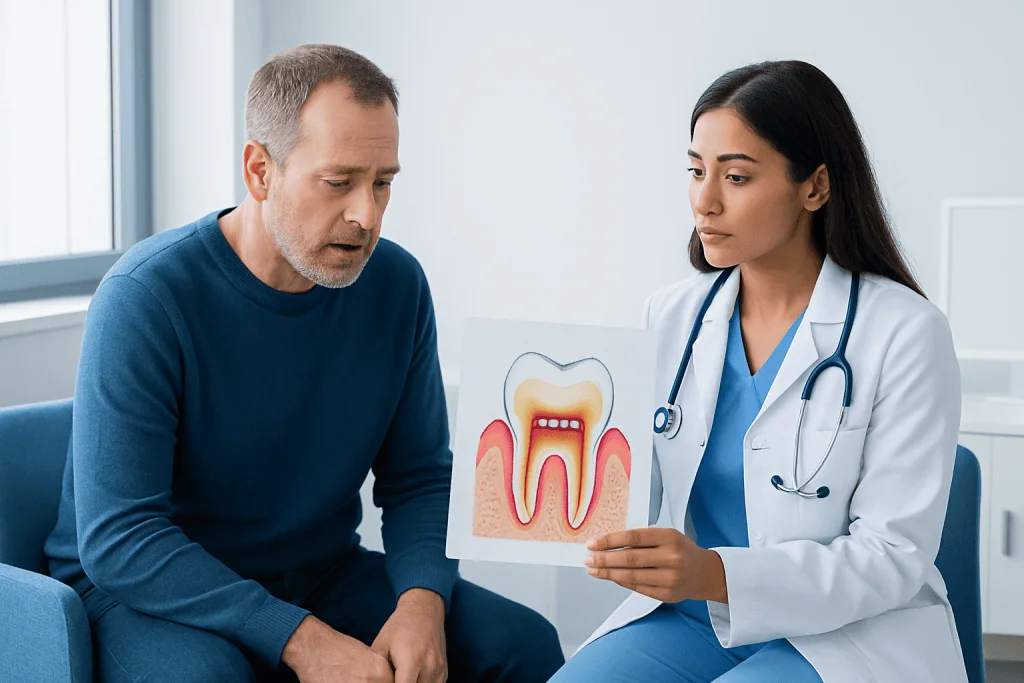
Symptoms of gingivitis can range from very subtle to more noticeable. The most common warning sign is bleeding from the gums during brushing, flossing, or eating firm foods. Gums may also appear redder than usual instead of their typical healthy pink color.
Other signs include gum swelling, tenderness, persistent bad breath, and a soft or shiny appearance of the gum tissue. Some people notice that their gums seem to recede slightly or that the spaces between teeth look different, although marked recession may suggest more advanced gum disease rather than simple gingivitis.
Because gingivitis is often not painful, routine dental checkups are important even when there are no major symptoms. A dentist can detect inflammation before a person notices clear changes. Useful signs to watch for include:
- Bleeding while brushing or flossing
- Red, swollen, or tender gums
- Bad breath that does not improve
- A feeling of gum irritation or sensitivity
- Plaque or tartar buildup near the gumline
Causes and Risk Factors
The most common cause of gingivitis is plaque buildup related to incomplete oral hygiene. Brushing and cleaning between the teeth help remove plaque before it irritates the gums. If plaque remains in place, especially around the gum margins, the chance of inflammation increases.
Several factors can make gingivitis more likely or make it harder for the gums to recover. Smoking and other tobacco use are major risk factors because they affect gum health and can mask early bleeding. Poorly controlled diabetes can also increase gum inflammation and reduce healing capacity. Hormonal changes during pregnancy, puberty, or menopause may make gums more sensitive to plaque.
Other contributors include dry mouth, certain medications, crooked teeth that are harder to clean, ill-fitting dental restorations, and oral appliances that trap plaque. Nutritional deficiencies and conditions that affect the immune system may also play a role. In some cases, chronic mouth breathing or tooth grinding may worsen gum irritation, although they are not primary causes by themselves.
Gingivitis is not simply a cosmetic issue. It reflects inflammation in the gum tissue and deserves proper evaluation, especially when it keeps returning despite good brushing habits. A dental professional may also look for related issues such as tooth decay if plaque control has been difficult.
How Gingivitis Is Diagnosed
Diagnosis usually begins with a dental examination and a review of symptoms. A dentist assesses the color, texture, and tendency of the gums to bleed. They also check for plaque, tartar, and areas where the gums are pulling away from the teeth.
One important part of the exam is measuring the space between the teeth and gums, sometimes called the gum pocket. In gingivitis, these tissues may be inflamed but the deeper attachment is generally still preserved. If deeper pockets, bone loss, or loose teeth are present, the dentist may consider periodontitis instead.
Dental X-rays are not always necessary for mild gingivitis, but they may be recommended if there is concern about bone support, hidden plaque-retentive areas, or other dental conditions. The goal of diagnosis is not only to confirm gum inflammation but also to identify what is causing it and whether any damage has already occurred.
Treatment Options and What Recovery Looks Like
The main treatment for gingivitis is removal of plaque and tartar, along with improved daily oral hygiene. A professional dental cleaning can remove hardened deposits that brushing and flossing cannot. Once the irritants are reduced, the gums often begin to look healthier within days to weeks, although full recovery depends on how severe the inflammation was and how consistently home care is maintained.
Dentists may also recommend techniques to improve brushing and flossing, as well as tools such as interdental brushes or water flossers when appropriate. If crowded teeth, dental appliances, or restorations are contributing to plaque retention, these issues may also need attention. Some patients benefit from dental treatment aimed at improving access for cleaning and restoring oral health more broadly.
In some cases, antiseptic mouth rinses may be suggested for a limited period, particularly when inflammation is more widespread or oral cleaning is difficult. If gum disease is more advanced, a person may need more detailed periodontology care to clean below the gumline and manage deeper tissue involvement.
Treatment is most effective when professional care is paired with daily self-care. For people whose gums remain inflamed despite treatment, dentists may look for hidden tartar, medication effects, smoking, systemic illness, or progression toward more serious disease. If missing teeth or unstable biting surfaces are affecting oral hygiene patterns, broader restorative planning such as prosthetic dentistry may also be considered in selected cases.
Prevention and Daily Self-Care
Preventing gingivitis depends mainly on controlling plaque every day. Brushing twice daily with a fluoride toothpaste and cleaning between the teeth once a day are the foundations of gum care. Gentle technique matters: aggressive brushing does not clean better and may irritate the gums further.
Regular dental checkups and professional cleanings help remove tartar and catch early inflammation. The ideal visit schedule varies from person to person based on gum health, smoking status, medical conditions, and past dental history. A dentist can recommend how often professional care is needed.
Supportive lifestyle habits also make a difference. Stopping smoking, managing blood sugar well in diabetes, staying hydrated, and addressing dry mouth can all help the gums recover and stay healthy. Helpful prevention steps include:
- Brush thoroughly along the gumline twice a day
- Floss or use another interdental cleaning method daily
- Replace toothbrushes or brush heads regularly
- Limit tobacco use and seek support to quit
- Attend routine dental examinations and cleanings
- Ask a dentist about the best cleaning tools for braces, bridges, or implants
For international patients who need evaluation or coordinated care, Acibadem International’s multidisciplinary specialists and JCI-accredited hospitals diagnose and treat dental and gum conditions with individualized planning.
When to Seek Medical Care
A dental appointment is advisable if gum bleeding continues for more than a few days despite careful brushing and flossing, or if the gums remain swollen, tender, or noticeably red. Ongoing bad breath, visible tartar, gum recession, or discomfort while chewing are also reasons to seek evaluation.
More urgent care may be needed if there is severe pain, pus, facial swelling, fever, or a loose tooth. These signs can suggest a deeper infection or a condition more serious than simple gingivitis. People with diabetes, weakened immunity, or recent major medical treatment should be especially careful not to delay assessment.
Early care is reassuring because many gum problems are easier to treat before lasting damage occurs. A qualified dentist or periodontist can confirm whether the issue is uncomplicated gingivitis or whether more advanced gum disease is present.
Frequently asked questions
Can gingivitis go away on its own?
Mild gingivitis may improve when plaque is removed effectively, but it usually does not fully resolve without better oral hygiene and often a professional cleaning. If tartar has formed, home care alone cannot remove it. A dental visit helps confirm that the gums are healing properly.
Is bleeding when brushing always a sign of gingivitis?
Bleeding while brushing is a common sign of gingivitis, but it is not the only possible cause. Brushing too hard, using a new flossing routine, mouth irritation, or certain medical conditions can also contribute. If bleeding continues, a dentist should evaluate it.
How long does gingivitis treatment take?
Improvement often begins within days after professional cleaning and better daily oral care. However, the full healing time depends on how inflamed the gums were and whether risk factors such as smoking or diabetes are present. Ongoing maintenance is important to keep the condition from returning.
Can children and teenagers get gingivitis?
Yes, gingivitis can affect children and teenagers, especially if plaque control is inconsistent or braces make cleaning more difficult. Hormonal changes during puberty may also increase gum sensitivity. Regular dental visits and age-appropriate oral hygiene habits are helpful.
What happens if gingivitis is not treated?
If gingivitis is ignored, the inflammation may progress to periodontitis, a more serious gum disease that can damage the tissues and bone supporting the teeth. This may eventually lead to gum recession, tooth mobility, and tooth loss. Early treatment helps prevent these complications.
Are mouthwashes enough to treat gingivitis?
Mouthwash alone is usually not enough because it cannot remove plaque and tartar effectively from tooth surfaces. It may be useful as part of a broader plan, but brushing, cleaning between the teeth, and professional dental care remain the main treatments. A dentist can recommend whether a rinse is appropriate.
References
- American Dental Association
- National Institute of Dental and Craniofacial Research
- Centers for Disease Control and Prevention
- Mayo Clinic
- World Health Organization
This article is for general information only and is not a substitute for professional medical advice. Please consult a qualified doctor about your individual situation.
Explore treatments in Turkey — costs, top hospitals & a free quote
JCI-accredited · board-certified surgeons · reply within 24h
Add us as a Preferred Source to see more of our trusted health content across Google Search, AI Overviews and Discover.

More from the Health Library



Related Specialists

Prof. Dr. Koray Özduman
Neurosurgery
Dt. Nupelda Ayçiçek Yalçındağ
Dentistry
Prof. Dr. Bülent Özçelik
Gynecology & Obstetrics
Prof. Dr. Ayşe Sesin Kocagöz
Clinical Laboratory