Understanding Hair Loss Treatment: A Complete Patient Guide

Hair loss treatment is not one-size-fits-all; the best option depends on the underlying cause. Common causes include hereditary hair loss, hormonal changes, autoimmune conditions, illness, stress, and nutritional deficiencies.
Key Takeaways
- Hair loss treatment is not one-size-fits-all; the best option depends on the underlying cause.
- Common causes include hereditary hair loss, hormonal changes, autoimmune conditions, illness, stress, and nutritional deficiencies.
- Diagnosis often involves a medical history, scalp examination, and sometimes blood tests or other targeted evaluations.
- Treatment may include medications, treating an underlying condition, procedures such as hair transplantation, and supportive scalp care.
- Early assessment may improve results, especially when hair loss is sudden, patchy, painful, or accompanied by other symptoms.
Hair loss treatment works best when it is matched to the reason for shedding or thinning. A medical evaluation can help identify whether the cause is genetic, hormonal, inflammatory, nutritional, stress-related, or linked to another health condition, so treatment can be chosen appropriately.
Overview: what hair loss treatment involves
Hair loss treatment is the medical and supportive care used to reduce shedding, slow thinning, encourage regrowth when possible, and manage the condition causing the hair loss. The most effective approach starts with identifying why the hair is thinning or falling out, because the same treatment will not help every type of hair loss.
Hair loss can affect the scalp alone or involve other body areas. It may happen gradually over years or begin more suddenly after illness, stress, pregnancy, medication changes, or inflammation of the scalp. Some forms are temporary and improve once the trigger is addressed, while others are long-term and need ongoing management.
For many patients, treatment has more than one goal. It may focus on preserving existing hair, improving scalp health, managing symptoms such as itching or scaling, and addressing the emotional impact of visible hair changes. A calm, step-by-step assessment helps set realistic expectations and avoids unnecessary or ineffective treatments.
How hair loss appears: patterns and symptoms
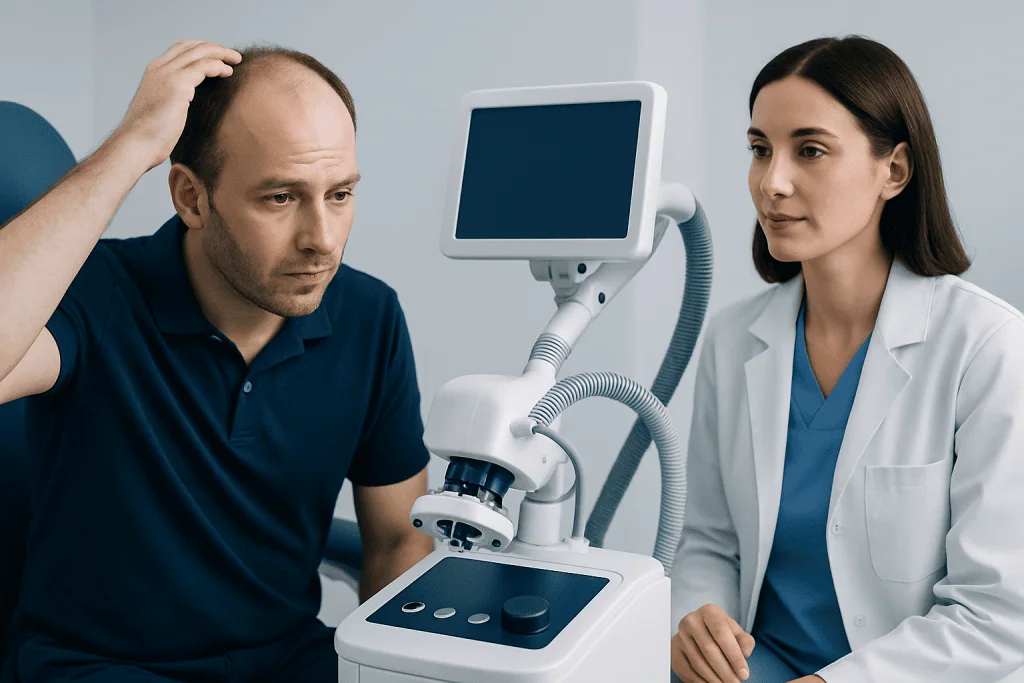
Hair loss does not look the same in every person. Some notice a widening part, reduced volume in a ponytail, thinning at the crown, or a receding hairline. Others see increased shedding while washing or brushing their hair, or find more hair than usual on pillows and clothing.
Different patterns can offer clues about the cause. Gradual thinning on the top of the scalp often suggests hereditary hair loss, while smooth round patches may occur in autoimmune alopecia areata. Diffuse shedding across the whole scalp may follow stress, fever, major surgery, childbirth, or certain medications. Hair breakage can sometimes be linked to hair care practices or fragile hair shafts rather than true shedding from the root.
Associated symptoms also matter. Redness, scaling, pain, burning, pus-filled bumps, or intense itching may suggest inflammation, infection, or scarring conditions that need prompt attention. If hair loss occurs along with fatigue, weight changes, irregular periods, excess facial hair, or brittle nails, a broader medical cause may need to be evaluated.
- Gradual thinning may point to hereditary pattern hair loss.
- Sudden shedding may occur after illness, stress, or hormonal shifts.
- Patchy loss can be autoimmune, infectious, or related to traction.
- Scalp symptoms such as pain or scaling should not be ignored.
Common causes and risk factors

The most common cause of long-term hair thinning is hereditary pattern hair loss, also called androgenetic alopecia. This type is influenced by genetics and hormones and can affect both men and women. It often develops slowly and becomes more noticeable with age, though it may begin earlier in adulthood.
Other causes are wide-ranging. Temporary shedding can follow physical or emotional stress, rapid weight loss, high fever, serious illness, childbirth, or surgery. Thyroid disorders, iron deficiency, low protein intake, and some vitamin or mineral deficiencies may contribute in some patients. Certain medications can also trigger shedding or thinning. Inflammatory scalp conditions, fungal infection, and autoimmune disorders can cause patchy or more rapid loss.
Hair care habits may play a role as well. Tight hairstyles, repeated chemical processing, and heat damage can lead to traction-related loss or breakage. In some cases, hair loss reflects an underlying condition such as polycystic ovary syndrome or another hormonal imbalance. Understanding risk factors helps guide testing and prevents delays in treatment.
Because the causes are so varied, self-diagnosing based on appearance alone is unreliable. A patient-friendly, evidence-based plan begins with understanding whether the problem is shedding, breakage, inflammation, scarring, or patterned miniaturization of the hair follicles.
How doctors diagnose the cause
Diagnosis starts with a detailed history. A doctor may ask when the hair loss began, how quickly it progressed, whether shedding is diffuse or patchy, and whether there were recent triggers such as illness, childbirth, medication changes, dieting, or stress. Family history is also important, especially when pattern hair loss is suspected.
A scalp and hair examination can provide valuable information. The doctor may look for miniaturized hairs, broken hairs, scalp redness, scale, scarring, or signs of infection. In some cases, a gentle hair-pull test or magnified scalp examination is used. Blood tests may be recommended when symptoms suggest anemia, thyroid disease, hormonal issues, or nutritional deficiency.
Not everyone needs extensive testing. The evaluation is tailored to the pattern of hair loss and the patient’s overall health. If a diagnosis is uncertain, or if scarring alopecia is suspected, referral to a dermatologist may be helpful. Accurate diagnosis is one of the most important parts of hair loss treatment because it shapes what is likely to help and what may not.
Hair loss treatment options
Hair loss treatment depends on the diagnosis, the stage of hair loss, and the patient’s goals. In many cases, doctors begin with medical treatment to reduce active shedding or slow ongoing thinning. This may include topical or oral medications when appropriate, treatment of scalp inflammation, or management of an underlying medical issue such as thyroid disease, iron deficiency, or hormonal imbalance.
When hereditary hair loss is present, early treatment often aims to preserve existing hair as much as possible. Patients with autoimmune or inflammatory hair loss may need a different plan focused on calming the immune response or treating scalp disease. If a medication appears to be contributing to hair loss, a doctor may review alternatives where medically appropriate. Nutritional deficiencies should be corrected based on testing rather than guesswork.
Some patients may benefit from procedures. These can include supportive treatments used in specialist practice or surgical restoration for carefully selected cases. For patients with stable pattern hair loss and adequate donor hair, hair transplant surgery may be discussed. In some settings, adjunctive therapies such as PRP treatment are considered as part of a broader plan, though suitability varies and expectations should be individualized.
Severe or sudden hair loss occasionally requires a wider medical workup rather than cosmetic treatment alone. When an endocrine cause is suspected, evaluation through endocrinology and metabolic disease care may help identify treatable contributors. The best outcomes usually come from combining cause-specific treatment, patience, and regular follow-up, since hair growth changes gradually over months rather than days.
Daily care, prevention, and realistic expectations
Not all hair loss can be prevented, especially when genetics are involved, but scalp-friendly habits may reduce additional stress on the hair. Gentle washing, limiting harsh chemical treatments, reducing tight hairstyles, and minimizing repetitive heat styling can help protect fragile hair. Good nutrition supports overall hair health, especially adequate protein and a balanced intake of key nutrients.
It is important to be cautious with supplements and over-the-counter products that promise dramatic regrowth. Taking vitamins without a documented deficiency is not always helpful and may occasionally be harmful. A doctor or dietitian can guide safe nutritional support if needed. Managing chronic stress, getting enough sleep, and treating underlying medical conditions are also part of sensible self-care.
Patients often ask how quickly treatment works. Most evidence-based therapies require time. Because hair grows slowly, improvements may take several months to notice, and the first goal may be reduced shedding rather than obvious regrowth. Some conditions improve significantly, while others are best managed rather than fully reversed. Clear expectations can reduce frustration and help patients stay consistent with treatment.
For patients seeking specialist evaluation, multidisciplinary teams can be helpful, especially when dermatology, endocrinology, and surgical input may all be relevant. Acibadem International’s multidisciplinary specialists in JCI-accredited hospitals diagnose and treat hair loss for international patients, including assessment of medical causes and consideration of appropriate restorative options such as hair restoration procedures when indicated.
When to seek medical care
Medical care is recommended when hair loss is sudden, patchy, rapidly worsening, or associated with scalp pain, burning, scaling, or redness. Prompt evaluation is also important if hair loss follows a new medication, comes with fatigue or hormonal symptoms, or affects eyebrows, eyelashes, or body hair.
Children with hair loss should be assessed by a qualified clinician, as the causes and treatment approach can differ from those in adults. People with a personal or family history of autoimmune disease may also benefit from earlier review when patchy loss appears.
Even when hair thinning seems mild, seeing a doctor can be helpful if it is causing distress or affecting quality of life. Early assessment may allow more treatment choices and may help preserve hair in conditions that progress over time. A qualified dermatologist or other relevant specialist can explain the likely cause and discuss safe, evidence-based options.
Frequently asked questions
What is the best hair loss treatment?
The best hair loss treatment depends on the cause of the hair loss. A treatment that helps hereditary thinning may not work for autoimmune, nutritional, or stress-related shedding, so medical evaluation is important before choosing a plan.
Can hair loss grow back on its own?
Sometimes it can. Hair loss related to stress, illness, childbirth, or a temporary trigger may improve once the cause resolves, but hereditary or scarring forms usually need targeted treatment and may not fully reverse without medical care.
How long does hair loss treatment take to show results?
Hair usually changes slowly, so improvement often takes several months. Many treatments aim first to reduce shedding or slow progression before visible thickening becomes noticeable.
Is hair transplantation a cure for hair loss?
Hair transplantation can restore hair in selected areas for suitable patients, but it does not stop all types of ongoing hair loss. Many people still need medical follow-up or additional treatment to protect remaining hair.
Can vitamins treat hair loss?
Vitamins help only when a deficiency is contributing to the problem. Taking supplements without testing or medical advice may not improve hair growth and is not a substitute for diagnosing the underlying cause.
When should someone worry about hair loss?
A person should seek medical advice if hair loss is sudden, patchy, painful, rapidly worsening, or linked with scalp inflammation or other symptoms such as fatigue or hormonal changes. Early assessment is also helpful when thinning is persistent or emotionally distressing.
References
- American Academy of Dermatology
- National Institute of Arthritis and Musculoskeletal and Skin Diseases
- Mayo Clinic
- British Association of Dermatologists
This article is for general information only and is not a substitute for professional medical advice. Please consult a qualified doctor about your individual situation.
Hair transplant in Turkey — costs, graft counts & a free assessment
JCI-accredited · board-certified surgeons · reply within 24h
Add us as a Preferred Source to see more of our trusted health content across Google Search, AI Overviews and Discover.
Check your numbers in seconds
BMI, calories, due date, blood pressure and 30+ more clinical calculators — free, instant, doctor-reviewed ranges.