Understanding Melanosis Coli: A Complete Patient Guide

Melanosis coli is usually a benign finding seen during colonoscopy. It is most often linked to long-term use of stimulant laxatives such as senna or cascara.
Key Takeaways
- Melanosis coli is usually a benign finding seen during colonoscopy.
- It is most often linked to long-term use of stimulant laxatives such as senna or cascara.
- The condition itself often causes no symptoms; any symptoms are usually related to constipation or the reason laxatives were used.
- Stopping unnecessary stimulant laxatives may allow the colon lining to gradually return to normal color.
- A doctor may recommend evaluation to rule out other digestive conditions and to manage chronic constipation safely.
Melanosis coli is a dark brown or black discoloration of the lining of the large intestine, most commonly associated with repeated use of stimulant laxatives. It is usually found during colonoscopy, does not itself cause cancer, and often improves when the underlying cause is addressed.
What melanosis coli means
Melanosis coli is a term doctors use when the inner lining of the colon appears darker than usual, often brown, dark brown, or black during a colonoscopy. Despite the name, the pigment is not melanin, the substance that gives skin its color. Instead, the discoloration is related to pigment buildup inside cells in the colon lining after repeated injury and turnover of those cells.
In most cases, melanosis coli is linked to long-term or frequent use of stimulant laxatives, especially products containing senna, cascara, aloe, or similar plant-derived compounds. It is considered a benign condition in itself. Many people only learn they have it after a routine colonoscopy performed for screening or to investigate bowel symptoms.
This finding can sound worrying, but melanosis coli does not usually damage the colon permanently. It also does not mean a person has colon cancer. Still, the reason for long-term laxative use, such as chronic constipation or altered bowel habits, may need proper medical attention, especially if symptoms are new, persistent, or changing.
Symptoms and what a person may notice

Melanosis coli usually does not cause symptoms on its own. Most people do not feel the discoloration and do not notice any direct change because of it. The condition is typically discovered incidentally during a colonoscopy or other bowel examination.
When symptoms are present, they are more often related to constipation, laxative dependence, or the digestive issue that led someone to use laxatives regularly. These symptoms can include infrequent bowel movements, straining, hard stools, bloating, abdominal discomfort, or a feeling of incomplete emptying.
Because melanosis coli itself is generally silent, it is important not to assume every bowel symptom is due to this finding. Problems such as bleeding, unexplained weight loss, severe abdominal pain, or a major change in bowel habits need separate assessment. A doctor may also consider whether symptoms could relate to another condition, including colon cancer or other disorders of the large intestine.
Causes and risk factors
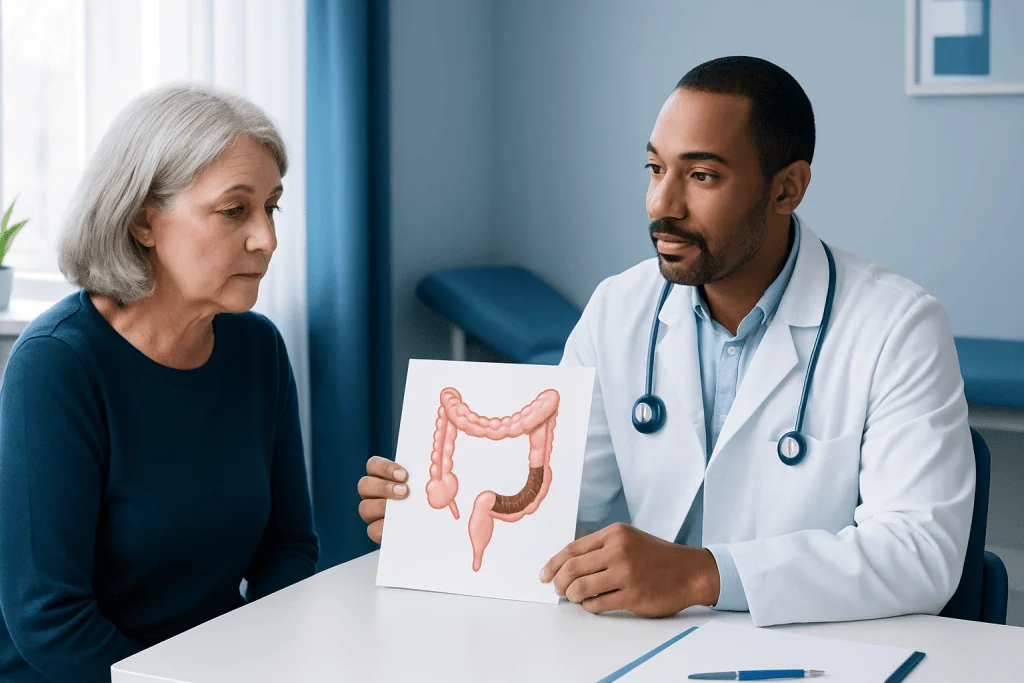
The most common cause of melanosis coli is repeated use of stimulant laxatives. These medicines work by increasing bowel activity, helping stool move through the colon. Over time, they can lead to changes in cells lining the colon. As these cells break down, pigment-containing cells accumulate in the intestinal wall, creating the darker appearance seen on examination.
Risk is generally higher in people who use stimulant laxatives often or for long periods, especially without medical supervision. Some herbal or “natural” bowel remedies may also contain stimulant ingredients, so a person may not realize they are using the type of product most commonly linked to melanosis coli.
Other factors that may increase the chance of laxative overuse include chronic constipation, irritable bowel symptoms, restricted mobility, low-fiber diets, inadequate fluid intake, older age, and certain medications that slow the bowels. Although melanosis coli is classically associated with laxatives, the larger clinical question is often why constipation has become persistent. That is why evaluation may focus not only on the discoloration but also on the underlying bowel pattern.
How doctors diagnose melanosis coli
Melanosis coli is most often diagnosed during colonoscopy, when a gastroenterologist can directly view the colon lining. The discoloration may appear diffuse or patchy and is often most visible in the large intestine. The rectum may be less affected in some cases. The appearance can strongly suggest the diagnosis, especially if there is a history of stimulant laxative use.
During the procedure, the doctor may take small tissue samples, called biopsies, if needed. Under the microscope, these samples help confirm the diagnosis and exclude other causes of abnormal-looking tissue. Biopsy can reassure both patient and physician that the finding is benign and not due to an inflammatory, infectious, or cancerous process.
If constipation or bowel symptoms are part of the picture, the wider evaluation may include review of medications, diet, fluid intake, activity level, and medical conditions that can affect the gut. In some cases, blood tests or further digestive evaluation may be appropriate. Colonoscopy itself may be performed as part of colonoscopy evaluation when symptoms, age, or screening needs make a direct look at the colon helpful.
Treatment and whether it can go away
The main treatment for melanosis coli is addressing the cause, most often by reducing or stopping unnecessary stimulant laxatives under medical guidance. This is especially important if a person has been relying on these products regularly rather than occasionally. In many cases, the discoloration gradually fades over time once the laxative trigger is removed.
Treatment also focuses on improving bowel habits in safer, sustainable ways. Depending on the person, a doctor may recommend increasing dietary fiber, improving hydration, being more physically active, and reviewing medicines that may worsen constipation. Some people may benefit from non-stimulant bowel treatments chosen according to their symptoms and overall health.
If constipation is long-lasting or difficult to control, a specialist may assess for conditions affecting how the colon or pelvic floor works. Occasionally, imaging or endoscopic procedures are part of a broader digestive workup. When symptoms suggest another bowel disorder, a physician may evaluate for conditions such as Crohn’s disease or recommend further gastroenterology care to tailor management safely.
Prevention and self-care for healthier bowel habits
Preventing melanosis coli usually means avoiding prolonged unsupervised use of stimulant laxatives and managing constipation early. Many people can lower their risk by supporting regular bowel habits through everyday routines rather than repeated rescue treatments. Even so, bowel care should be individualized, since not all constipation has the same cause.
Helpful self-care measures often include:
- Eating enough fiber from fruits, vegetables, legumes, and whole grains, if medically appropriate
- Drinking adequate fluids throughout the day
- Staying physically active as much as possible
- Responding to the urge to have a bowel movement rather than delaying it
- Reviewing over-the-counter remedies with a doctor or pharmacist
- Checking whether prescription medicines may be contributing to constipation
It is also wise to be cautious with herbal products marketed for “cleansing” or “detox,” because some contain stimulant laxatives. Reading labels can be difficult, and ingredients may not always be obvious. If constipation continues despite lifestyle changes, medical advice is safer than increasing laxative use on one’s own.
When to seek medical care
A person should seek medical advice if constipation lasts more than a few weeks, keeps returning, or leads to regular laxative use. A doctor can help identify whether the problem is related to diet and routine, medication side effects, a functional bowel disorder, or a more serious digestive condition. New bowel symptoms should not be ignored, especially in adults over screening age or in people with a family history of bowel disease.
Prompt medical review is especially important for rectal bleeding, black or bloody stools, unexplained weight loss, persistent abdominal pain, vomiting, anemia, or a sudden change in bowel habits. These warning signs do not automatically mean cancer, but they do require proper assessment. In some cases, a specialist may recommend endoscopic evaluation to examine the digestive tract more closely.
For international patients who need assessment of chronic constipation, colonoscopy findings, or broader digestive symptoms, Acibadem International’s multidisciplinary specialists in JCI-accredited hospitals provide diagnosis and treatment planning. The goal is not simply to identify melanosis coli, but to understand the underlying bowel issue and choose the most appropriate next steps.
Frequently asked questions
Is melanosis coli dangerous?
Melanosis coli is usually considered a benign finding. It does not typically cause harm by itself, but it can signal long-term stimulant laxative use or an unresolved constipation problem that should be reviewed.
Does melanosis coli mean colon cancer?
No, melanosis coli does not mean a person has colon cancer. It is a discoloration of the colon lining, most often associated with stimulant laxatives, although doctors may still investigate bowel symptoms separately to rule out other causes.
Can melanosis coli be reversed?
In many cases, yes. If the underlying cause is frequent stimulant laxative use, the colon lining often gradually returns toward its usual appearance after those products are stopped or reduced under medical supervision.
What laxatives are most often linked to melanosis coli?
Stimulant laxatives are the main group associated with melanosis coli. These often include products containing senna, cascara, or similar stimulant ingredients, including some herbal preparations.
Will melanosis coli cause symptoms?
Usually, no. Most people have no direct symptoms from melanosis coli, and it is often found during colonoscopy. Symptoms such as bloating or constipation are more likely related to the underlying bowel issue or laxative use.
Should a person stop laxatives immediately?
Not necessarily without guidance, especially if laxatives have been used regularly for a long time. A doctor can help create a safer plan to manage constipation, adjust medications if needed, and avoid worsening symptoms.
References
- National Institute of Diabetes and Digestive and Kidney Diseases
- American Society for Gastrointestinal Endoscopy
- American College of Gastroenterology
- Merck Manual
- Mayo Clinic
This article is for general information only and is not a substitute for professional medical advice. Please consult a qualified doctor about your individual situation.
Persistent digestive symptoms? Get evaluated in Turkey
JCI-accredited · board-certified surgeons · reply within 24h
Add us as a Preferred Source to see more of our trusted health content across Google Search, AI Overviews and Discover.