Understanding Pancolitis: A Complete Patient Guide
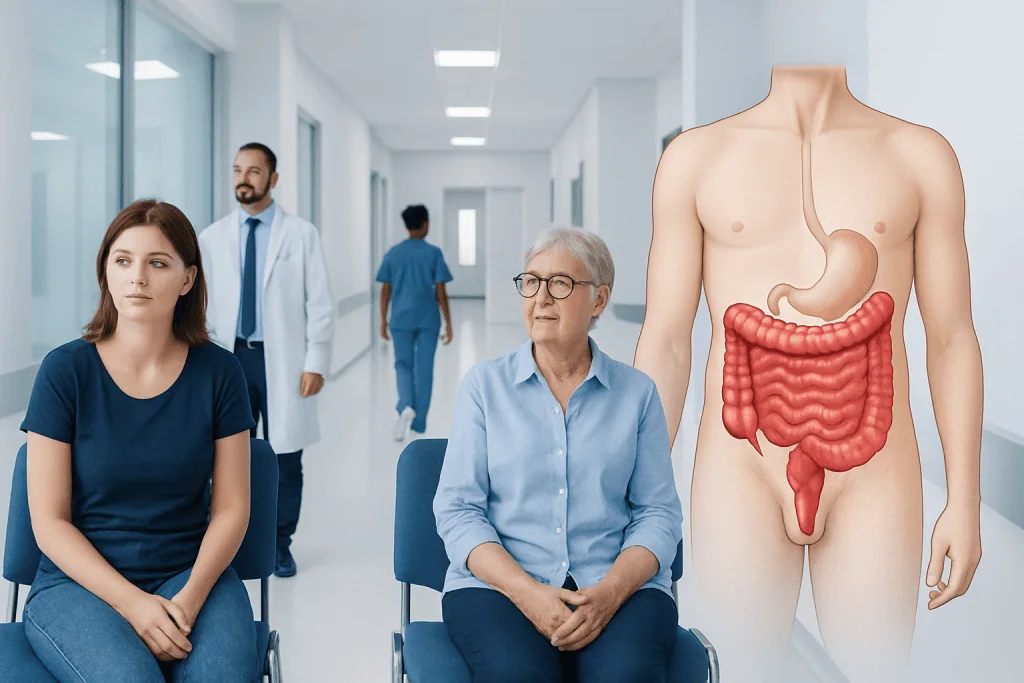
Pancolitis means inflammation affects the full length of the colon. It is most often considered an extensive form of ulcerative colitis.
Key Takeaways
- Pancolitis means inflammation affects the full length of the colon.
- It is most often considered an extensive form of ulcerative colitis.
- Common symptoms include diarrhea, blood in the stool, abdominal cramps, urgency, and tiredness.
- Diagnosis usually involves stool tests, blood tests, and colonoscopy with biopsy.
- Treatment may include anti-inflammatory medicines, immune-targeting therapies, nutritional support, and sometimes surgery.
- Regular monitoring helps reduce complications and supports long-term symptom control.
Pancolitis is a form of ulcerative colitis in which inflammation involves the entire colon. It can cause diarrhea, rectal bleeding, abdominal pain, and fatigue, but many people can manage symptoms well with the right diagnosis, treatment plan, and follow-up care.
Overview: what pancolitis means
Pancolitis is inflammation that affects the entire colon, also called the large intestine. In most cases, the term is used to describe an extensive form of ulcerative colitis, a chronic inflammatory bowel disease in which the lining of the colon becomes inflamed and may develop sores. Because the whole colon is involved, symptoms can be more widespread than in forms of colitis limited to one segment.
People often want to know whether pancolitis is serious. The answer is that it can be significant, especially during flare-ups, but many patients do well with medical treatment, ongoing monitoring, and lifestyle support. Symptoms may come and go over time, with periods of remission alternating with periods of increased inflammation.
Pancolitis is not the same as every other type of colitis. Colitis simply means inflammation of the colon and can have different causes, including infection, reduced blood flow, medications, or autoimmune disease. Pancolitis specifically describes the extent of inflammation, and in routine clinical use it most often refers to ulcerative colitis affecting the entire colon. In some people, doctors may also discuss related forms of ulcerative colitis when explaining how the disease pattern has spread.
Symptoms and how pancolitis may feel

The symptoms of pancolitis vary from person to person. Some people have mild but persistent bowel changes, while others experience more disruptive flare-ups. Because inflammation is widespread, bowel symptoms may be accompanied by general symptoms such as fatigue or reduced appetite.
Common symptoms include:
- Frequent diarrhea
- Blood or mucus in the stool
- Urgent need to have a bowel movement
- Abdominal cramping or pain
- Feeling that the bowel has not fully emptied
- Fatigue and weakness
- Weight loss or poor appetite during active disease
Some patients also develop symptoms outside the digestive tract. These can include joint pain, skin changes, eye inflammation, or mouth ulcers. Doctors call these extraintestinal manifestations, and they can appear when bowel disease is active or sometimes independently.
Flare-ups can develop gradually or more suddenly. A person may notice worsening diarrhea, increasing rectal bleeding, fever, or dehydration. Any marked change in symptoms deserves medical review, particularly if it affects eating, drinking, or daily activity.
Causes and risk factors
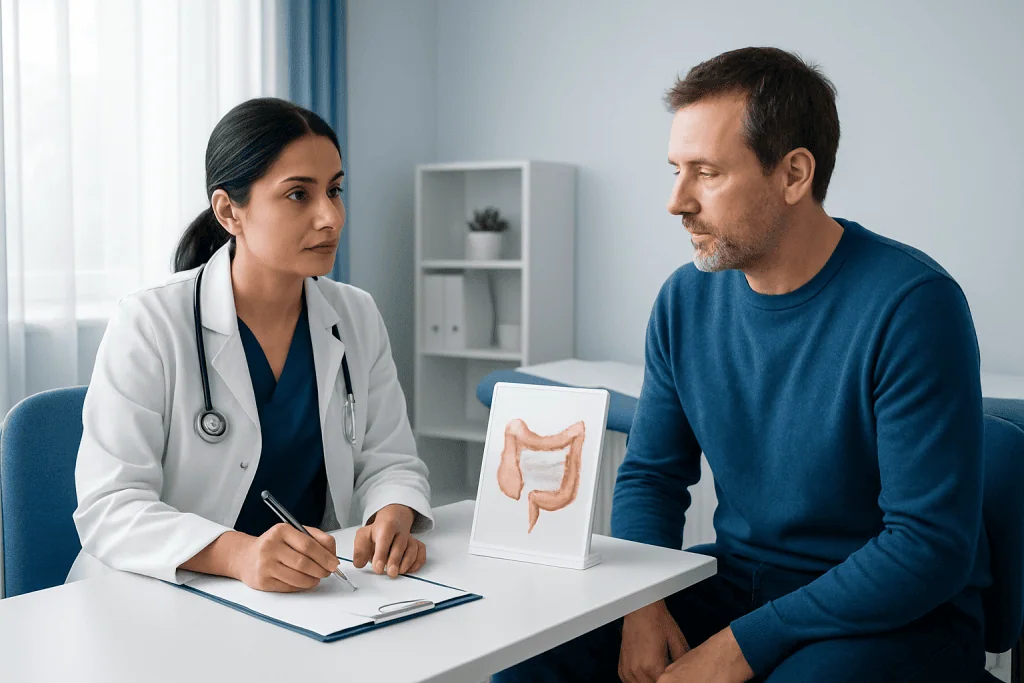
The exact cause of pancolitis is not fully understood. Current evidence suggests that ulcerative colitis develops through a combination of immune system dysregulation, genetic susceptibility, and environmental influences. In simple terms, the immune system appears to react in an abnormal way within the colon, leading to persistent inflammation.
Family history can increase risk, although many people with pancolitis do not have a close relative with inflammatory bowel disease. Researchers have also studied the role of the gut microbiome, which refers to the community of bacteria and other microorganisms living in the digestive tract. Changes in this microbial balance may contribute to inflammation in some patients.
Several factors may influence symptoms or trigger flare-ups, even though they do not necessarily cause the disease itself. These may include infections, emotional stress, certain medications, smoking cessation in some cases of ulcerative colitis, and dietary patterns that are difficult to tolerate during active inflammation. Food does not directly cause pancolitis, but it can affect comfort and bowel habits.
Doctors also consider other possible causes of whole-colon inflammation before confirming pancolitis related to ulcerative colitis. These include infectious colitis, medication-related inflammation, and less commonly Crohn’s disease, which can sometimes involve the colon but behaves differently from ulcerative colitis.
How pancolitis is diagnosed
Diagnosing pancolitis starts with a careful medical history and physical examination. A doctor will ask about bowel frequency, blood in the stool, pain, weight changes, fever, family history, and any symptoms affecting the skin, joints, or eyes. This helps build a clear picture of how active the condition may be and whether another cause is possible.
Laboratory tests are usually part of the work-up. Blood tests may look for anemia, signs of inflammation, dehydration, or nutritional deficiencies. Stool tests help rule out infections and may also measure markers of intestinal inflammation. These steps are important because infection and inflammatory bowel disease can sometimes cause similar symptoms.
The most important test for confirming pancolitis is usually colonoscopy with biopsy. During this examination, the doctor views the inside of the colon and takes small tissue samples for microscopic analysis. Colonoscopy can show how much of the colon is affected, how severe the inflammation appears, and whether the findings fit ulcerative colitis rather than another condition. In many centers, this is done as part of a comprehensive colonoscopy evaluation.
Imaging tests may be used in selected situations, especially if symptoms are severe or complications are suspected. The goal is not only to name the disease, but also to assess disease extent, severity, nutritional effects, and treatment needs.
Treatment options and long-term management
Treatment for pancolitis aims to reduce inflammation, control symptoms, heal the colon lining, and maintain remission. The best treatment plan depends on how active the disease is, how much it affects daily life, previous response to medication, and whether complications are present. Treatment is often adjusted over time rather than following a single fixed path.
Medicines may include anti-inflammatory drugs, corticosteroids for short-term flare control, immunomodulators, and biologic or other targeted therapies that act on specific parts of the immune system. These therapies are chosen carefully to balance symptom control with safety and follow-up needs. In patients with moderate to severe disease, specialist-led gastroenterology care can help guide treatment selection and monitoring.
Supportive care is also important. This may include fluid replacement, correction of iron deficiency or anemia, nutritional guidance, and treatment of pain or other related symptoms. During flares, some people find that a simpler, lower-residue eating pattern is easier to tolerate until inflammation improves, although long-term diets should be individualized.
Surgery may be considered when symptoms do not respond well to medication, when side effects limit treatment, or when serious complications develop. Surgery for ulcerative colitis typically involves removal of the colon and may offer definitive control of colonic disease. When this is being considered, doctors may discuss colectomy as one option within a broader treatment plan.
Prevention, self-care, and living with pancolitis
There is no guaranteed way to prevent pancolitis because it is usually part of an inflammatory bowel disease process rather than a condition caused by a single avoidable factor. However, good long-term care can reduce flare frequency, improve quality of life, and help identify complications early. Following the prescribed treatment plan, even when symptoms improve, is one of the most important steps.
Self-care often focuses on understanding personal triggers and maintaining overall health. Keeping a symptom diary may help some patients recognize patterns related to food tolerance, stress, sleep, or missed medication. Regular hydration, balanced nutrition, and gentle physical activity can also support recovery and day-to-day well-being.
It is useful to discuss vaccinations, bone health, and nutritional monitoring with a doctor, especially for people using steroids or long-term immune-modifying therapy. Some patients may need ongoing checks for anemia, vitamin deficiencies, or liver-related issues. As disease duration increases, colon cancer surveillance also becomes an important part of care.
For international patients seeking coordinated care, Acibadem International’s multidisciplinary specialists and JCI-accredited hospitals diagnose and treat inflammatory bowel conditions with individualized planning and follow-up.
When to seek medical care
Medical review is appropriate whenever symptoms suggest ongoing or worsening colon inflammation. A person should arrange an appointment if they have persistent diarrhea, blood in the stool, recurring abdominal pain, unintended weight loss, or fatigue that does not improve. These symptoms do not always mean pancolitis, but they do need proper assessment.
Urgent medical care is important if there is heavy rectal bleeding, severe or rapidly worsening abdominal pain, high fever, signs of dehydration, inability to keep fluids down, fainting, or a swollen and very tender abdomen. These symptoms can signal a serious flare or a complication that needs prompt attention.
People who already have ulcerative colitis should also contact their care team if a current treatment stops working, bowel frequency rises quickly, or new symptoms appear outside the intestine such as eye pain, joint swelling, or skin lesions. Early review may help prevent a more severe flare and allow safer treatment adjustments.
Frequently asked questions
Is pancolitis the same as ulcerative colitis?
Pancolitis is usually considered a form of ulcerative colitis rather than a separate disease. The term describes ulcerative colitis that affects the entire colon. Ulcerative colitis can also involve smaller sections of the colon in other patients.
Can pancolitis be cured?
There is no simple medical cure for pancolitis caused by ulcerative colitis, but many people achieve long periods of remission. Treatment is designed to control inflammation, reduce flare-ups, and protect overall health. In some cases, surgery to remove the colon may eliminate colonic disease, but that is a major decision requiring specialist advice.
What foods should people with pancolitis avoid?
There is no single pancolitis diet that works for everyone. During a flare, some people tolerate bland, lower-fiber foods better, while spicy, fatty, or very high-fiber foods may worsen symptoms. A doctor or dietitian can help create an individualized eating plan based on symptoms and nutritional needs.
Is pancolitis dangerous?
Pancolitis can become serious if inflammation is severe or complications develop, but many patients manage it successfully with proper care. The level of concern depends on symptom severity, response to treatment, hydration, nutrition, and overall health. Regular monitoring helps lower risk and supports earlier treatment when symptoms change.
How is pancolitis different from Crohn’s disease?
Ulcerative colitis, including pancolitis, affects the colon lining continuously, while Crohn’s disease can affect any part of the digestive tract and may involve deeper layers of the bowel wall. Crohn’s disease often appears in patchy areas rather than as continuous inflammation. This difference is important because diagnosis, complications, and treatment planning may vary.
Does pancolitis increase colon cancer risk?
Long-standing extensive ulcerative colitis can increase the risk of colon cancer over time. That is why doctors often recommend regular surveillance colonoscopy after a certain disease duration. The exact schedule depends on personal risk factors and should be discussed with a gastroenterologist.
References
- National Institute of Diabetes and Digestive and Kidney Diseases
- American College of Gastroenterology
- Crohn’s & Colitis Foundation
- Mayo Clinic
- National Health Service
This article is for general information only and is not a substitute for professional medical advice. Please consult a qualified doctor about your individual situation.
Persistent digestive symptoms? Get evaluated in Turkey
JCI-accredited · board-certified surgeons · reply within 24h
Add us as a Preferred Source to see more of our trusted health content across Google Search, AI Overviews and Discover.