Understanding Polymyositis: A Complete Patient Guide

Polymyositis causes inflammation in skeletal muscles and usually leads to gradual, symmetrical muscle weakness rather than sudden pain. It often affects activities such as climbing stairs, rising from a chair, lifting the arms, or swallowing.
Key Takeaways
- Polymyositis causes inflammation in skeletal muscles and usually leads to gradual, symmetrical muscle weakness rather than sudden pain.
- It often affects activities such as climbing stairs, rising from a chair, lifting the arms, or swallowing.
- Diagnosis typically combines symptoms, blood tests, imaging, electromyography, and sometimes muscle biopsy.
- Treatment usually includes medicines to reduce inflammation, physical rehabilitation, and monitoring for complications.
- Early medical evaluation can help prevent disability and identify related problems involving the lungs, heart, or swallowing muscles.
Polymyositis is a rare inflammatory muscle disease that mainly causes progressive weakness in muscles close to the trunk, such as the shoulders, hips, neck, and thighs. With timely diagnosis and treatment, many people can improve strength, function, and quality of life, although ongoing follow-up is often needed.
Overview: what polymyositis is
Polymyositis is a chronic inflammatory disease that affects the muscles used for movement. It belongs to a group of conditions called inflammatory myopathies. In polymyositis, the body’s immune system mistakenly targets muscle tissue, leading to inflammation and weakness that usually develops over weeks to months.
The weakness typically affects muscles closest to the center of the body, also called proximal muscles. This often means the shoulders, upper arms, hips, thighs, and neck are involved. As a result, everyday tasks such as standing up from a low seat, climbing stairs, lifting objects, or reaching overhead may become harder.
Unlike ordinary muscle strain, polymyositis usually causes a more persistent and symmetrical pattern of weakness. Both sides of the body are often affected in a similar way. Some people also experience fatigue, reduced exercise tolerance, mild muscle aching, or difficulty swallowing if the throat muscles are involved.
Polymyositis is uncommon, and its symptoms can overlap with other muscle and autoimmune disorders. For that reason, a careful medical evaluation is important. Doctors may also consider related inflammatory muscle diseases, including dermatomyositis, which has skin findings that are not typical of polymyositis.
Common symptoms and how they affect daily life
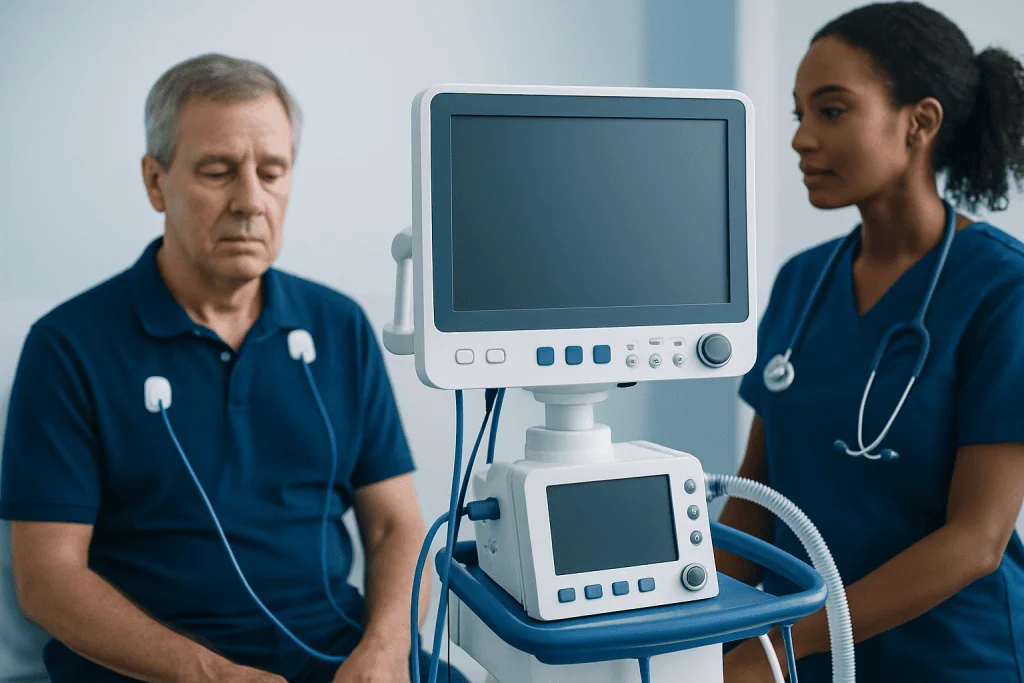
The main symptom of polymyositis is progressive muscle weakness. It often starts gradually and may first be noticed as trouble getting out of bed, rising from a chair, climbing stairs, lifting the arms to brush the hair, or carrying groceries. Weakness is usually more noticeable than pain.
Some people have muscle tenderness or aching, but severe muscle pain is not the hallmark feature. Fatigue is common, and everyday activities may take more effort than before. If neck muscles are affected, holding the head up can feel difficult. When the swallowing muscles are involved, a person may cough while eating, feel that food sticks, or have an increased risk of choking.
Breathing symptoms can occur if the respiratory muscles or lungs are affected. This may show up as shortness of breath during exertion, reduced stamina, or a persistent dry cough. Although not everyone develops these problems, they are important because inflammatory muscle diseases can sometimes be associated with lung involvement.
Symptoms that may be seen in polymyositis include:
- Weakness in the shoulders, upper arms, hips, thighs, or neck
- Difficulty climbing stairs or standing from a seated position
- Trouble lifting the arms overhead
- Fatigue and reduced physical endurance
- Difficulty swallowing
- Occasional muscle discomfort or tenderness
- Shortness of breath in some cases
Causes and risk factors

The exact cause of polymyositis is not fully understood. It is considered an autoimmune condition, meaning the immune system becomes overactive and attacks healthy muscle fibers. Researchers believe this process may be triggered by a combination of genetic susceptibility and environmental influences, but no single cause explains every case.
Polymyositis is more often diagnosed in adults than in children. It can occur on its own or alongside other autoimmune diseases, such as lupus, rheumatoid arthritis, or systemic sclerosis. In some patients, inflammatory muscle disease may be linked with certain infections, medications, or a broader immune-system disorder, although these associations vary.
Doctors also look for conditions that can mimic polymyositis. These include medication-related muscle injury, thyroid disease, muscular dystrophies, electrolyte problems, and inclusion body myositis. Distinguishing among these is important because treatment and outlook differ.
In some situations, physicians may evaluate for related systemic complications or overlapping diseases, especially when symptoms involve more than the muscles. This careful approach helps confirm whether polymyositis is the right diagnosis and whether additional testing is needed.
How polymyositis is diagnosed
Diagnosing polymyositis usually begins with a detailed medical history and physical examination. The doctor asks about the pattern of weakness, how quickly symptoms developed, whether both sides of the body are affected, and whether there are associated issues such as swallowing difficulty, rash, breathing symptoms, or joint pain.
Blood tests are commonly used to look for signs of muscle injury and inflammation. These may include muscle enzyme levels such as creatine kinase, as well as autoimmune antibody tests that can support the diagnosis or suggest a specific inflammatory muscle disease pattern. Blood work also helps rule out other causes of weakness.
Imaging and nerve-muscle testing can provide more information. Magnetic resonance imaging may show areas of muscle inflammation and guide the best place for biopsy. Electromyography can detect abnormal electrical activity in affected muscles. In many cases, a muscle biopsy is still one of the most helpful tests because it can show inflammatory changes and help exclude other muscle disorders.
Because symptoms can overlap with several neurological and autoimmune conditions, assessment may involve specialists in rheumatology, neurology, pulmonology, rehabilitation, and radiology. Diagnostic imaging such as MRI can be especially useful when weakness is present but the diagnosis remains uncertain.
Treatment options and long-term management
Polymyositis treatment focuses on reducing inflammation, improving muscle strength, preserving function, and preventing complications. Medicines that suppress or regulate the immune response are usually the main treatment. Corticosteroids are often used first, and other immunosuppressive or steroid-sparing medicines may be added depending on response, side effects, and associated conditions.
Treatment is usually individualized. Some people improve steadily, while others need long-term therapy and close monitoring. Doctors follow symptoms, physical function, blood test results, and any swallowing, lung, or heart concerns to judge how well treatment is working. If swallowing is affected, nutrition support and speech-swallow therapy may also be part of care.
Rehabilitation is an important part of recovery. Supervised exercise and physical therapy and rehabilitation can help maintain mobility, reduce deconditioning, and gradually rebuild strength in a safe way. Rest alone is usually not enough, and a balanced plan that combines medication with guided activity often works best.
When specialists suspect complications such as interstitial lung disease, heart involvement, or another autoimmune condition, additional tests and treatments may be needed. In complex cases, care in a center with neurology, rheumatology, radiology, rehabilitation, and respiratory expertise can help coordinate decisions and monitor progress.
Living with polymyositis: self-care and prevention of complications
There is no known way to completely prevent polymyositis, but self-care can support treatment and reduce complications. Following the prescribed care plan, attending regular follow-up visits, and reporting new symptoms early are all important. Because weakness may change over time, treatment plans often need adjustment.
Energy conservation can be helpful during flares or periods of fatigue. Many people benefit from pacing activities, using supportive devices when needed, and planning physically demanding tasks for times of the day when strength is better. A physical therapist can suggest safe exercises, stretching, posture work, and practical strategies for daily function.
Nutrition also matters, especially if swallowing is difficult. Softer foods, smaller bites, slower eating, and guidance from a speech or swallowing specialist may reduce the risk of choking. If weight loss, coughing with meals, or frequent chest infections develop, medical review is important.
People taking immune-suppressing medicines may need monitoring for side effects and infection risk. Vaccinations, bone health support, and general preventive care should be discussed with a doctor. Near the end of the care journey, some patients may choose evaluation at centers such as Acibadem International, where multidisciplinary specialists in JCI-accredited hospitals diagnose and treat complex neuromuscular conditions for international patients.
When to seek medical care
A person should seek medical evaluation if muscle weakness is gradually worsening, especially when it affects walking, climbing stairs, getting up from a chair, lifting the arms, or swallowing. Weakness that lasts more than a short period and is not explained by exercise, injury, or a temporary illness deserves attention.
More urgent medical care is needed if there is shortness of breath, choking, repeated coughing during meals, chest discomfort, severe difficulty swallowing, or a rapid decline in strength. These symptoms may suggest complications involving the lungs, heart, or throat muscles and should not be ignored.
Because polymyositis can resemble other muscle and nerve conditions, evaluation by a specialist may be helpful. In some cases, doctors may recommend further assessment in a neurology service or rehabilitation program to clarify the cause of weakness and start treatment promptly.
Early diagnosis does not always make treatment simple, but it can shorten the time to appropriate care and reduce the impact of untreated inflammation on daily life. Anyone who is concerned about progressive weakness should consult a qualified doctor rather than trying to self-diagnose.
Frequently asked questions
Is polymyositis an autoimmune disease?
Yes. Polymyositis is generally considered an autoimmune inflammatory muscle disease, meaning the immune system mistakenly attacks healthy muscle tissue. This causes inflammation and gradual weakness, especially in muscles close to the trunk.
What is the first sign of polymyositis?
The first sign is often slowly worsening muscle weakness rather than severe pain. Many people first notice difficulty climbing stairs, standing up from a chair, lifting the arms, or keeping up with usual physical activities.
Can polymyositis be cured?
There is no simple cure, but treatment can often control inflammation and improve strength and function. Some people have long periods of stability, while others need ongoing therapy and regular follow-up.
How is polymyositis different from dermatomyositis?
Both are inflammatory muscle diseases that can cause weakness, but dermatomyositis typically includes characteristic skin changes such as rashes. Polymyositis mainly affects the muscles without those typical skin findings.
Does polymyositis always cause muscle pain?
No. Muscle pain can happen, but weakness is usually the main symptom. Some people feel fatigue or mild aching, while others have little pain despite significant difficulty with movement.
Can polymyositis affect swallowing or breathing?
Yes. If the throat muscles are involved, swallowing can become difficult, and if respiratory muscles or the lungs are affected, breathing symptoms may occur. These problems should be assessed promptly because they may need specialized treatment.
What kind of doctor treats polymyositis?
Care often involves more than one specialist. Rheumatologists, neurologists, rehabilitation specialists, pulmonologists, and other clinicians may work together depending on the symptoms and any complications.
References
- National Institute of Neurological Disorders and Stroke
- National Institute of Arthritis and Musculoskeletal and Skin Diseases
- American College of Rheumatology
- Muscular Dystrophy Association
- Mayo Clinic
This article is for general information only and is not a substitute for professional medical advice. Please consult a qualified doctor about your individual situation.
Joint and spine care in Turkey — expert assessment & treatment
JCI-accredited · board-certified surgeons · reply within 24h
Add us as a Preferred Source to see more of our trusted health content across Google Search, AI Overviews and Discover.