Understanding Severe Arthritis: A Complete Patient Guide

Severe arthritis is not one diagnosis; it may result from osteoarthritis, inflammatory arthritis, gout, prior injury or other joint conditions. Pain severity does not always match X-ray findings, so assessment should consider symptoms, function and overall health.
Key Takeaways
- Severe arthritis is not one diagnosis; it may result from osteoarthritis, inflammatory arthritis, gout, prior injury or other joint conditions.
- Pain severity does not always match X-ray findings, so assessment should consider symptoms, function and overall health.
- Early specialist evaluation can help identify treatable inflammation, prevent further joint damage and improve daily mobility.
- Treatment may include exercise therapy, medicines, injections, assistive devices and joint surgery for selected people.
- New severe swelling, fever, a hot joint or sudden inability to bear weight needs urgent medical assessment.
Severe arthritis is advanced joint disease that causes persistent pain, stiffness, swelling or loss of movement and can make everyday tasks difficult. Its impact can often be reduced through an individualized plan that combines medical care, movement support, pain management and, when appropriate, surgery.
What severe arthritis means
Severe arthritis describes arthritis that has a substantial effect on a person’s comfort, movement, independence or quality of life. It may involve ongoing pain at rest or with activity, marked stiffness, swelling, reduced range of motion, joint deformity, or difficulty walking, dressing, climbing stairs or using the hands. Severe arthritis is not a single disease and does not automatically mean surgery is needed.
Arthritis refers to conditions that affect joints and nearby tissues. In advanced osteoarthritis, the joint’s cartilage and other structures change over time, often affecting knees, hips, hands or the spine. In inflammatory forms, such as rheumatoid arthritis, the immune system causes inflammation that can damage joints if it is not controlled. A clinician’s first task is to determine the cause, because the best treatment depends on the type of arthritis.
The term “severe” can describe symptoms, imaging changes, joint damage or functional limitations. These do not always occur to the same degree. For example, a person may have extensive changes on an X-ray but manageable symptoms, while another person with less visible change may have disabling pain. Care should therefore focus on the whole person, including goals, activity level, medical conditions and preferences.
How severe arthritis may affect daily life
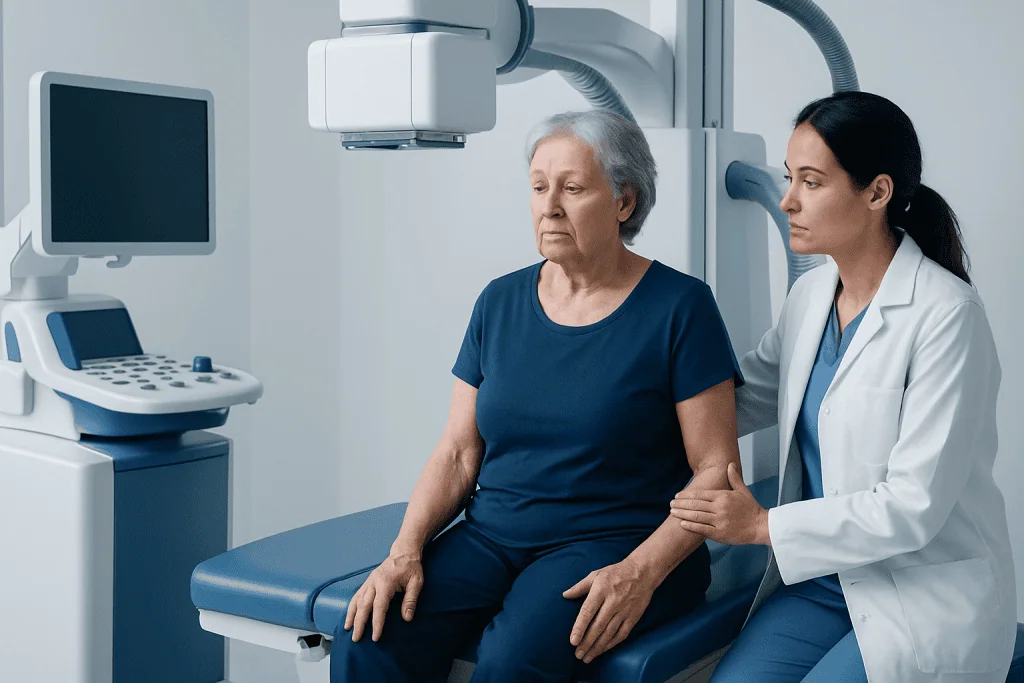
Severe arthritis commonly causes pain that is persistent, worsens with movement or weight-bearing, and may interfere with sleep. Stiffness after rest can make it hard to get started in the morning or after sitting. The affected joint may feel swollen, warm, tender, unstable, weak or less flexible.
Symptoms vary according to the joints involved. Severe knee or hip arthritis may cause limping, reduced walking distance and trouble rising from a chair. Hand arthritis can affect grip, writing, opening containers and fine movements. Inflammatory arthritis may involve several joints, often with prolonged morning stiffness, fatigue and periods of increased disease activity.
Reduced mobility can gradually affect fitness, mood, social participation and confidence. This is a real part of the condition, not a personal failing. Reporting how arthritis affects work, sleep, family responsibilities and valued activities helps the care team develop a practical plan.
- Persistent or worsening joint pain
- Stiffness that limits normal movement
- Swelling, tenderness or reduced joint function
- Difficulty walking, using stairs, gripping objects or completing self-care
- Changes in joint shape, alignment or stability
Common causes and factors that can worsen arthritis

Osteoarthritis is a frequent cause of severe arthritis. It develops through changes in cartilage, bone, ligaments and other joint tissues. Age is one factor, but osteoarthritis is not an inevitable part of getting older. Previous joint injury, repetitive heavy joint loading, muscle weakness, excess body weight for weight-bearing joints, certain occupations and inherited tendencies can all contribute.
Inflammatory arthritis includes conditions such as rheumatoid arthritis, psoriatic arthritis and ankylosing spondylitis. These conditions require timely medical assessment because disease-modifying treatment can reduce inflammation and help limit damage. Other possible causes include gout, joint infection, autoimmune disease, crystal-related arthritis, avascular necrosis and arthritis after trauma.
Symptoms may become more difficult to manage when a person is less active because of pain, loses supporting muscle strength, has poor sleep, experiences stress or has other health conditions. These factors do not cause all arthritis, but addressing them can improve function and resilience alongside medical treatment.
It is important not to assume that all joint pain is “wear and tear.” A new pattern of symptoms, rapidly progressing pain, pain in several joints or significant swelling may point to a different cause and should be evaluated.
How doctors assess severe arthritis
Assessment usually begins with a detailed discussion of symptoms: when they started, which joints are affected, whether stiffness is worse after rest, and how pain changes with activity. The clinician will ask about injuries, family history, skin symptoms, fever, fatigue, other medical conditions and medicines. They will also ask what activities are most limited.
A physical examination evaluates swelling, warmth, tenderness, movement, strength, gait and joint alignment. Depending on the suspected cause, tests may include X-rays to assess joint structure, ultrasound or MRI to evaluate soft tissues and inflammation, and blood tests for inflammatory or autoimmune conditions. Joint fluid may be analyzed when infection or crystals are possible.
Tests are used to support—not replace—clinical assessment. There is no single test that measures every person’s arthritis severity. A clear diagnosis and shared understanding of treatment goals are especially important before considering procedures. For related information about joint degeneration, see osteoarthritis.
Treatment options: building an individualized plan
Treatment for severe arthritis aims to reduce pain, preserve or improve movement, control inflammation when present and support everyday independence. A plan may include education, physiotherapy, activity modification, weight management where appropriate, heat or cold measures, braces, walking aids and occupational therapy. Regular, tailored movement is usually beneficial; it can improve strength, balance and joint support without requiring high-impact exercise.
Medicines may be considered based on the arthritis type, pain level and a person’s other health conditions. Options can include topical or oral pain-relieving medicines, anti-inflammatory medicines when appropriate, and medicines that specifically suppress damaging inflammation in autoimmune arthritis. A clinician should review possible side effects and interactions, particularly for people with kidney disease, stomach ulcers, heart disease, high blood pressure or blood-thinning treatment.
For some joints and situations, injections may offer temporary symptom relief or help clarify the source of pain. Their role varies by diagnosis, and repeated injections are not suitable for every person. When symptoms remain severely limiting despite appropriate nonsurgical care, orthopedic assessment may be appropriate. Joint replacement surgery can be considered for selected people with advanced damage and substantial loss of function.
Surgery is not the only meaningful treatment for severe arthritis, and it is not based on an X-ray alone. Decisions should take account of symptoms, function, joint findings, general health, rehabilitation needs and the person’s own goals. Acibadem International’s multidisciplinary specialists and JCI-accredited hospitals assess and treat arthritis-related joint problems for international patients.
Living well with severe arthritis
Self-management works best as part of clinical care rather than as a substitute for diagnosis or prescribed treatment. A physiotherapist can suggest exercises that maintain movement and strengthen muscles around affected joints. Low-impact activities such as walking on level ground, cycling, water-based exercise or targeted strengthening may be adapted to an individual’s abilities and symptoms.
Pacing is often helpful: alternating activity with planned rest can reduce symptom flares without leading to long periods of inactivity. Simple changes, such as supportive footwear, raised seating, hand-friendly tools or a cane used correctly, can reduce strain and improve confidence. An occupational therapist can help identify strategies for work and home tasks.
Maintaining a healthful body weight may reduce load on hips, knees and feet, but weight-related advice should be respectful, individualized and realistic. A balanced eating pattern supports overall health, although no single diet has been proven to cure arthritis. Adequate sleep and support for stress, anxiety or low mood can also make chronic pain easier to manage.
People should avoid stopping prescribed inflammatory arthritis medicines without medical guidance, even if symptoms improve. Keeping a short record of pain, stiffness, swelling, activity tolerance and medication effects can make follow-up appointments more useful.
When to seek medical care
A medical appointment is advisable when joint pain, stiffness or swelling lasts for several weeks, recurs regularly, disrupts sleep or begins to limit daily activities. Assessment is also important if symptoms are worsening, a joint looks misshapen, movement is becoming more restricted, or over-the-counter measures are no longer enough.
Urgent medical care is needed for a suddenly hot, red, very swollen and painful joint, especially with fever, chills or feeling unwell. These symptoms can indicate joint infection or another urgent inflammatory problem. Sudden inability to bear weight after an injury, new numbness or weakness, or severe pain after a fall also needs prompt evaluation.
For people already diagnosed with inflammatory arthritis, new flares, medication side effects or symptoms outside the joints—such as eye pain or redness, shortness of breath, unexplained rash or persistent fever—should be discussed with their treating clinician. Timely care can help protect joint function and address complications early.
Frequently asked questions
Is severe arthritis curable?
Most common forms of arthritis cannot currently be cured, but their symptoms and progression can often be managed. The appropriate approach depends on the cause, whether inflammation is present, the joints involved and the degree of functional limitation. Early treatment is particularly important for inflammatory arthritis.
Does severe arthritis always require joint replacement?
No. Many people benefit from a combination of exercise therapy, medicines, supportive devices, lifestyle adjustments and other nonsurgical treatments. Joint replacement may be considered when pain and loss of function remain substantial despite appropriate conservative care.
Can exercise make severe arthritis worse?
Appropriately selected exercise is usually safe and helpful because it supports strength, movement and overall fitness. Exercise should be adapted if it causes sharp pain, major swelling or symptoms that remain worse for an extended period. A physiotherapist or clinician can help create a suitable plan.
What is the difference between severe osteoarthritis and rheumatoid arthritis?
Severe osteoarthritis involves structural changes within a joint and is often related to age, previous injury and joint loading. Rheumatoid arthritis is an autoimmune condition in which inflammation can affect multiple joints and other body systems. Their treatments differ, so an accurate diagnosis is important.
Can diet reduce severe arthritis pain?
A balanced diet can support general health and weight management, which may reduce strain on weight-bearing joints. However, no food or supplement has been shown to cure severe arthritis. People considering supplements should discuss them with a clinician because they can interact with medicines or be unsuitable for some conditions.
What symptoms suggest arthritis may be urgent?
A hot, red, markedly swollen joint with severe pain, fever or feeling unwell needs urgent medical assessment because infection must be ruled out. Prompt care is also important after a significant injury, with sudden inability to bear weight, or if new weakness or numbness occurs.
References
- Centers for Disease Control and Prevention
- National Institute of Arthritis and Musculoskeletal and Skin Diseases
- American College of Rheumatology
- Arthritis Foundation
- National Health Service
This article is for general information only and is not a substitute for professional medical advice. Please consult a qualified doctor about your individual situation.
Arthritis in Turkey — costs, top hospitals & a free quote
JCI-accredited · board-certified surgeons · reply within 24h
Add us as a Preferred Source to see more of our trusted health content across Google Search, AI Overviews and Discover.

Physical Medicine & Rehabilitation
Restoring movement and function after injury, surgery or neurological conditions.
152 specialists in this unitMore from the Health Library



Related Specialists

Dr. Fuad Jafarov
Gastroenterology
Dr. Selcen Bahadır
Gynecology & Obstetrics
Asst. Prof. Dr. Harika Bodur Öztürk
Gynecology & Obstetrics
Dr. Ünzüle Akpınar Sürenoğlu
Otorhinolaryngology