Understanding Tapping Therapy: A Complete Patient Guide

Tapping therapy usually refers to Emotional Freedom Techniques, or EFT tapping. It involves tapping on acupressure-like points while focusing on a difficult feeling, thought, or symptom.
Key Takeaways
- Tapping therapy usually refers to Emotional Freedom Techniques, or EFT tapping.
- It involves tapping on acupressure-like points while focusing on a difficult feeling, thought, or symptom.
- Some people find it calming and helpful for stress reduction, but research results are still evolving.
- It is generally used as a complementary technique, not a substitute for medical treatment.
- Persistent anxiety, depression, trauma symptoms, or physical complaints should be assessed by a qualified clinician.
Tapping therapy is a self-help mind-body technique that combines gentle tapping on specific points of the body with focused statements about emotions or symptoms. Some people use it to reduce stress, anxiety, or distress, but it should be viewed as a supportive approach rather than a replacement for medical or mental health care.
Overview: what tapping therapy is
Tapping therapy most often refers to Emotional Freedom Techniques (EFT), a practice that combines light fingertip tapping on specific points of the face and upper body with attention to a stressful thought, emotion, memory, or physical sensation. The goal is to help a person feel calmer, more grounded, and better able to cope in the moment. Many people describe it as a structured relaxation exercise with an emotional focus.
In simple terms, a person identifies a concern, rates how intense it feels, says a brief acceptance statement, and then taps through a sequence of points while repeating reminder phrases. This process is sometimes used for anxiety before an exam, work stress, sleep-related worry, or difficult emotions linked to a painful experience. It can be practiced alone or with guidance from a trained practitioner.
Tapping therapy is often grouped with mind-body approaches because it draws attention to both emotional experience and physical sensations. However, it is different from standard talk therapy, medication, or formal medical treatment. It may be helpful as a supportive tool, but it is not designed to diagnose illness or replace treatment for conditions such as depression or severe anxiety disorders.
How tapping therapy is thought to work
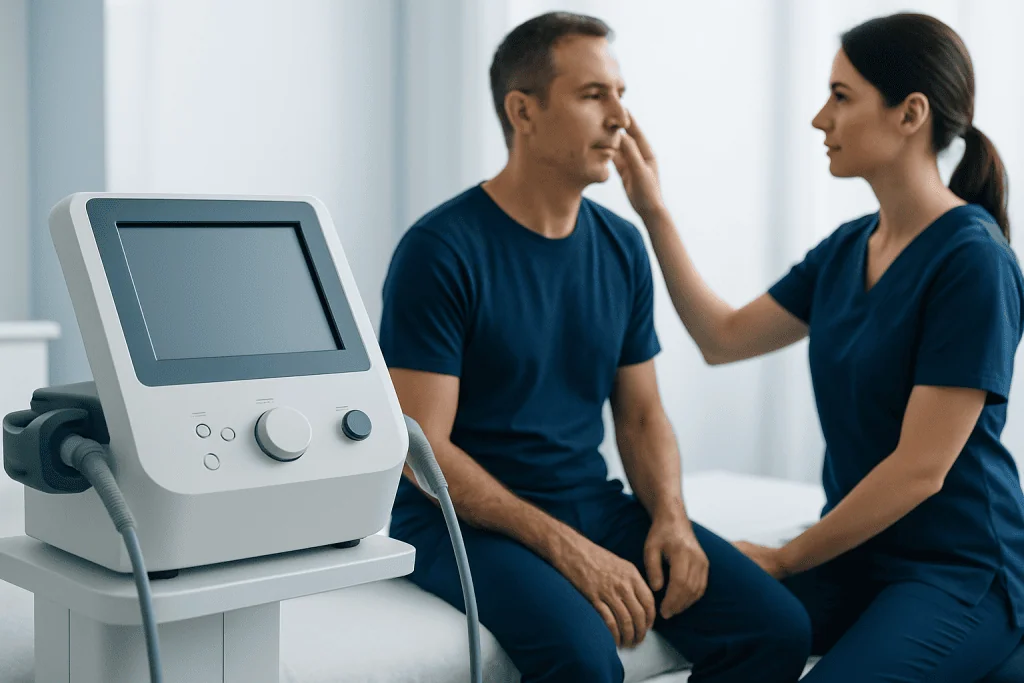
Researchers are still studying why tapping therapy may help some people. One explanation is that the method encourages focused attention, slow breathing, and a sense of control during distress. These elements alone can lower stress and help the body shift away from a heightened “fight or flight” response.
Another idea is that tapping while recalling a stressful issue may make the memory or emotion feel less overwhelming over time. In this way, the technique may function as a form of exposure paired with self-soothing. The repeating phrases can also support self-acceptance, which may reduce shame, fear, or self-criticism in some situations.
Although some studies suggest benefits for stress, anxiety, and emotional distress, tapping therapy remains an area of ongoing research. Results can vary, and not all experts interpret the evidence in the same way. For this reason, it is best understood as a complementary practice rather than a stand-alone cure.
Possible uses and potential benefits
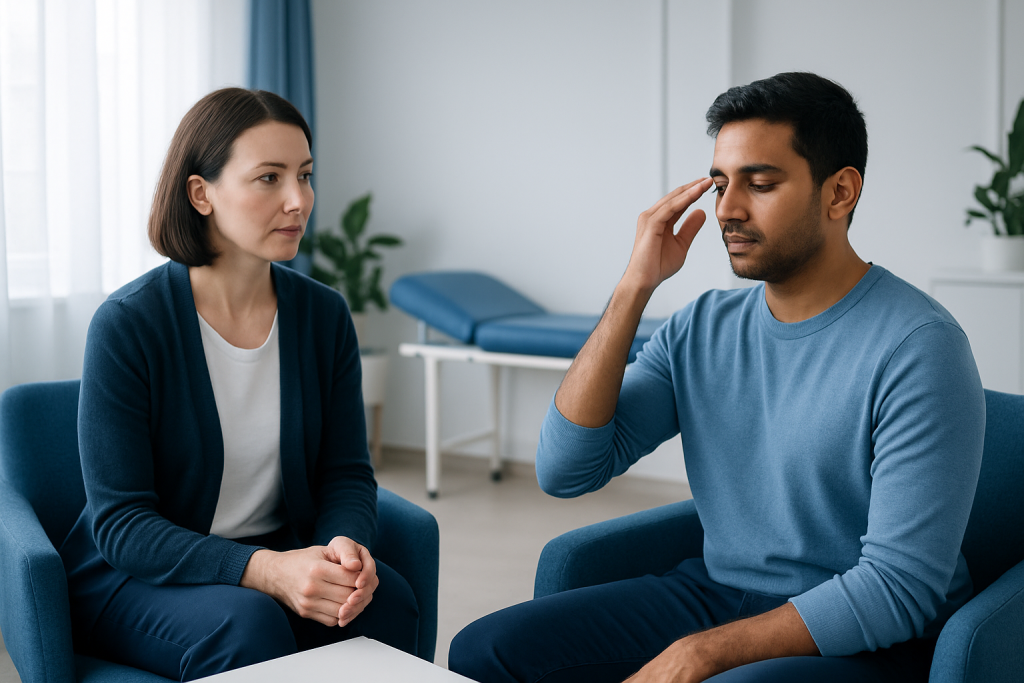
People use tapping therapy for many reasons, especially when they want a simple strategy they can practice at home. It is most commonly tried for everyday stress, worry, tension, performance anxiety, low mood, or emotional overwhelm. Some individuals also use it alongside counseling to help manage difficult feelings between sessions.
Potential benefits may include a greater sense of calm, improved awareness of emotions, and a helpful pause before reacting to stress. For some, the structured routine makes it easier to name feelings and notice changes in intensity. It may also be useful as part of a broader self-care plan that includes sleep, exercise, and evidence-based mental health support.
Tapping therapy has also been explored for trauma-related distress, fears, and somatic symptoms such as tension or stress-linked discomfort. Still, more severe or persistent symptoms need professional assessment. If a person is experiencing panic, ongoing insomnia, intrusive memories, or symptoms that interfere with daily life, formal mental health care is important and may include psychotherapy or other established treatments.
- Stress and emotional tension
- Mild anxiety or situational worry
- Performance-related nerves
- Supportive coping during lifestyle change
- Emotional distress linked to chronic illness
What a typical tapping session involves
A tapping session usually begins by choosing one specific issue to focus on, such as “I feel tense before meetings” or “I am overwhelmed by this situation.” The person then rates how strong that feeling seems at the moment, often on a scale from 0 to 10. This simple rating can help track whether the exercise changes how the issue feels.
Next, the person says a setup phrase while tapping on the side of the hand. A common format is to acknowledge the problem and pair it with an accepting statement, such as recognizing stress while also accepting oneself. The person then taps through a sequence of points, often on the eyebrow, side of the eye, under the eye, under the nose, chin, collarbone, and under the arm, while repeating a short reminder phrase.
After one or more rounds, the person pauses, breathes, and notices any change in emotion or body tension. If distress remains high, the process may be repeated with adjusted wording. Some people practice independently using general online guidance, but those working through trauma, complicated grief, or severe symptoms may be safer with professional support, particularly from a clinician experienced in psychiatric care or trauma-informed therapy.
Limitations, risks, and who should use caution
Tapping therapy is generally low risk when used as a relaxation and coping technique. Even so, it is not right for every situation. Focusing on upsetting memories or emotions can temporarily increase distress, especially for people with a history of trauma, panic attacks, dissociation, or severe depression.
It is also important not to let tapping delay proper medical care. Chest pain, shortness of breath, significant weight change, severe sleep problems, suicidal thoughts, or unexplained physical symptoms need assessment by a doctor. Emotional distress can sometimes be linked to treatable medical conditions, medications, or neurological problems.
People with diagnosed mental health conditions may still choose to use tapping therapy as part of a broader care plan, but they should discuss this with a qualified clinician. Evidence-based care may include counseling, lifestyle measures, and, when appropriate, neurological evaluation or psychiatric treatment if symptoms suggest an underlying medical or nervous system issue rather than stress alone.
How it compares with standard mental health treatment
Tapping therapy is best viewed as a supportive skill, not a replacement for proven treatment. Standard mental health care usually begins with a careful assessment to understand symptoms, triggers, medical history, sleep, substance use, and daily functioning. That evaluation helps determine whether a person is dealing with normal stress, an anxiety disorder, depression, trauma-related symptoms, or another condition.
Evidence-based approaches such as cognitive behavioral therapy, trauma-focused therapy, medication when needed, and lifestyle interventions have clearer research support for many mental health conditions. These treatments can be tailored to severity and monitored over time. Tapping may fit alongside them for some people as a brief calming exercise or a way to improve emotional awareness.
For patients who want to try tapping therapy, a practical approach is to use it as one tool within a larger plan. That plan may include regular sleep, physical activity, reduced alcohol intake, social support, and professional follow-up. Near the end of the care journey, some international patients choose multidisciplinary assessment at centers such as Acibadem International, where JCI-accredited hospitals and specialists evaluate emotional and related physical symptoms in a coordinated way.
Self-care tips and when to seek medical care
If a person wants to try tapping therapy, it helps to start with a mild, clearly defined stressor rather than a deeply traumatic memory. Sessions should be brief and done in a quiet setting. Paying attention to breathing, posture, hydration, and how the body feels before and after can make the practice more grounded and safer.
It is wise to stop the exercise if distress becomes stronger, confusion increases, or the person feels emotionally flooded. In that case, shifting to simple grounding strategies such as slow breathing, walking, or contacting a trusted professional may be more appropriate. Tapping should support well-being, not become a source of pressure or self-blame.
Medical or mental health care should be sought if symptoms are frequent, intense, or affecting sleep, work, relationships, or daily functioning. Urgent help is needed for suicidal thoughts, self-harm risk, severe panic, psychosis, or inability to stay safe. A doctor should also assess new or unexplained physical symptoms, because not all body discomfort related to stress is harmless.
Frequently asked questions
Is tapping therapy the same as EFT?
Usually, yes. In most patient education materials, tapping therapy refers to Emotional Freedom Techniques, or EFT. The terms are often used interchangeably, although different practitioners may use slightly different scripts or tapping sequences.
Can tapping therapy help anxiety?
Some people find tapping therapy helpful for reducing mild anxiety or situational stress, such as nerves before a presentation. However, it does not replace professional care for ongoing anxiety disorders, panic attacks, or symptoms that interfere with daily life.
Is tapping therapy scientifically proven?
Research suggests possible benefits for stress and emotional distress, but the evidence is still developing and not all experts agree on how strong it is. It is best considered a complementary technique rather than a fully established stand-alone treatment for mental health conditions.
Can tapping therapy be done at home?
Yes, many people practice basic tapping at home for everyday stress. It is usually safest to start with mild concerns and stop if the exercise increases distress. More complex issues, especially trauma-related symptoms, are better addressed with professional guidance.
Does tapping therapy have side effects?
Most people do not experience physical side effects, since the tapping is gentle. The main concern is emotional discomfort if difficult thoughts or memories become more intense during practice. If that happens, stopping and speaking with a qualified clinician is advisable.
Who should not rely on tapping therapy alone?
Anyone with severe depression, suicidal thoughts, trauma symptoms, panic attacks, psychosis, or significant physical symptoms should not rely on tapping alone. These situations require proper medical or mental health assessment and, when needed, evidence-based treatment.
References
- World Health Organization
- National Institute of Mental Health
- American Psychological Association
- National Center for Complementary and Integrative Health
- National Health Service
This article is for general information only and is not a substitute for professional medical advice. Please consult a qualified doctor about your individual situation.
Explore treatments in Turkey — costs, top hospitals & a free quote
JCI-accredited · board-certified surgeons · reply within 24h
Add us as a Preferred Source to see more of our trusted health content across Google Search, AI Overviews and Discover.