Unit of Blood Is How Much: What Patients Need to Know

In transfusion care, a “unit” usually means one prepared blood component, not a fixed amount of whole blood. A unit of packed red blood cells commonly has a volume of around 250–350 mL, depending on processing and local standards.
Key Takeaways
- In transfusion care, a “unit” usually means one prepared blood component, not a fixed amount of whole blood.
- A unit of packed red blood cells commonly has a volume of around 250–350 mL, depending on processing and local standards.
- Plasma, platelets, and whole blood have different volumes and are used for different clinical reasons.
- Doctors prescribe transfusions based on symptoms, blood tests, bleeding, weight, and overall health—not volume alone.
- Most transfusions are carefully checked and monitored to support safety.
A unit of blood is how much depends on the blood component being given. For red blood cells, one unit commonly contains about 250–350 mL; plasma and platelets are prepared and measured differently.
What Does One Unit of Blood Mean?
When people ask, “unit of blood is how much?”, they are usually asking about a red blood cell transfusion. One unit of red blood cells generally contains about 250–350 millilitres (mL), or roughly 8–12 fluid ounces. The exact amount can differ because donated blood is processed into components and may contain an approved storage solution.
In healthcare, a unit is not always the same as a unit of whole blood. Blood donation is commonly separated into red blood cells, plasma, platelets, and sometimes cryoprecipitate. Each component has a different volume, purpose, and method of preparation.
Clinicians use the term “unit” because it describes a standardized prepared product supplied by the blood bank. The number of units needed is decided individually after considering the person’s condition, laboratory results, symptoms, active bleeding, and medical history.
Blood Components and Their Typical Volumes
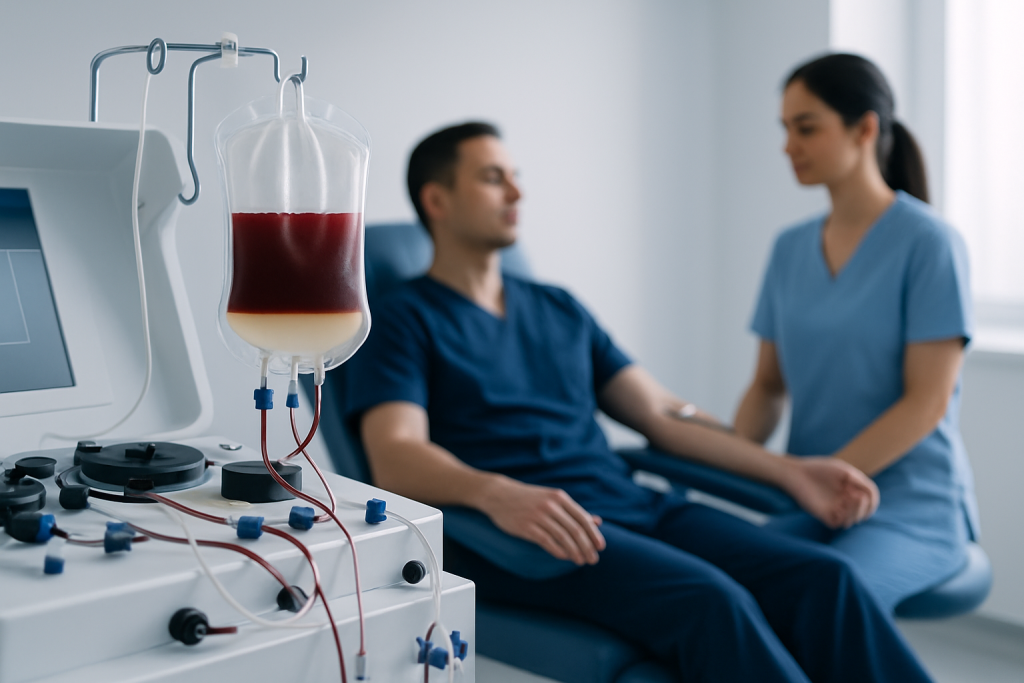
Red blood cells carry oxygen from the lungs to the body’s tissues. A unit of packed red blood cells is commonly around 250–350 mL. It is often used when a person has significant anemia, blood loss, or another condition that reduces the blood’s oxygen-carrying capacity.
Plasma is the liquid portion of blood and contains proteins, including clotting factors. A plasma unit is often approximately 200–300 mL, although its volume varies according to collection and processing methods. It may be given when specific clotting factors need to be replaced, such as during certain bleeding or clotting problems.
Platelets are small blood components that help stop bleeding. They may be supplied as individual donor units or as a pooled or apheresis platelet dose. Their final volume varies widely, often ranging from a few dozen to several hundred millilitres depending on the product. Cryoprecipitate is another clotting-factor-rich component that is typically given in smaller volumes.
- Red blood cells: commonly about 250–350 mL per unit
- Plasma: commonly about 200–300 mL per unit
- Platelets: volume depends on the preparation and dose
- Cryoprecipitate: usually a relatively small-volume clotting product
Why a Person May Need a Blood Transfusion

A transfusion may be recommended when blood loss or a low blood count affects the body’s ability to deliver oxygen, maintain clotting, or recover safely from illness or treatment. Common reasons include major surgery, trauma, childbirth-related bleeding, digestive tract bleeding, severe anemia, and some cancer treatments.
Anemia has many possible causes, including iron deficiency, chronic inflammatory illness, kidney disease, vitamin deficiencies, inherited blood conditions, and bleeding. A transfusion is not needed for every person with anemia. In many cases, treating the underlying cause with nutrition support, medicines, or another intervention is more appropriate.
For example, anemia is assessed according to its cause, severity, symptoms, and how quickly it developed. If blood loss is ongoing or severe, clinicians focus both on supporting the blood count and finding the source of bleeding.
Transfusion decisions are individualized. A laboratory value such as hemoglobin is important, but it is not the only factor. The care team also considers breathlessness, chest discomfort, dizziness, fatigue, heart or lung disease, vital signs, and whether bleeding is active.
How Doctors Decide How Many Units Are Needed
For adults who are stable and not actively bleeding, clinicians commonly reassess after each unit of red blood cells rather than automatically giving multiple units. This approach helps ensure that the amount given matches the patient’s current needs while limiting unnecessary exposure to blood products.
One unit of red blood cells often raises hemoglobin by approximately 1 gram per decilitre in an average-sized adult, but this is only an estimate. The response can differ based on body size, fluid balance, continued bleeding, underlying illness, and the timing of blood tests.
Children, smaller adults, and some critically ill patients may receive transfusion volumes calculated by body weight rather than a full adult unit. People with heart failure, kidney disease, or a risk of fluid overload may also need a slower infusion rate or adjusted transfusion plan.
Before transfusion, the clinical team confirms the appropriate blood component and compatibility. The patient’s blood group, antibody screen, medical history, and the reason for transfusion all guide the plan.
What Happens During a Transfusion
A blood transfusion is usually given through a vein using an intravenous line. Before it begins, healthcare professionals verify the patient’s identity and blood product details carefully. Baseline observations, such as temperature, pulse, blood pressure, and breathing rate, may be recorded.
The transfusion is started under supervision, particularly during the early period when reactions are most likely to appear. The patient is monitored throughout for any new symptoms. Depending on the blood component, clinical needs, and local protocols, a transfusion may take from less than an hour to several hours.
Blood services use donor screening, laboratory testing, storage requirements, and compatibility checks to reduce transfusion risks. Even so, no medical treatment is entirely risk-free. Potential reactions range from mild fever, itching, or rash to less common but more serious reactions that require prompt medical care.
If a person develops symptoms during transfusion, the healthcare team can stop the transfusion, assess the situation, and provide treatment when needed. Patients should tell staff promptly about feeling unwell, even if symptoms seem mild.
Benefits, Risks, and Questions to Discuss
The main benefit of a red blood cell transfusion is improved oxygen delivery when anemia or blood loss has significantly reduced the number of circulating red blood cells. When transfusion is appropriate, some people notice improvement in symptoms such as weakness, dizziness, or shortness of breath, although recovery also depends on the underlying cause.
Possible transfusion risks include fever, chills, allergic symptoms, fluid overload, and immune reactions. The risk of infections transmitted through screened blood is very low in countries with established blood safety systems, but it cannot be considered zero. A clinician can explain the benefits and risks in the context of an individual’s health.
Patients may wish to ask why transfusion is recommended, which component is being given, how many units are planned, whether alternatives are suitable, and how the team will monitor the response. For selected situations, blood transfusion treatment may be part of a broader plan that also addresses the cause of anemia or bleeding.
Some people have special transfusion requirements because of previous reactions, antibodies in their blood, pregnancy history, or conditions requiring repeated transfusions. Sharing this history with the care team helps the blood bank select the safest available product.
When to Seek Medical Care
Urgent medical assessment is important for signs of significant blood loss or severe anemia. These may include fainting, confusion, severe weakness, chest pain, severe shortness of breath, a fast heartbeat, vomiting blood, black or bloody stools, or heavy bleeding that does not stop. Emergency services should be contacted for severe or rapidly worsening symptoms.
After a transfusion, medical help should be sought immediately for trouble breathing, chest or back pain, swelling of the face or throat, severe chills, high fever, dark urine, or a widespread rash. These symptoms may have causes other than a transfusion reaction, but they require prompt assessment.
Less urgent symptoms such as ongoing fatigue, pale skin, reduced exercise tolerance, or recurrent dizziness should still be discussed with a doctor. Blood tests can help identify anemia and guide further evaluation. Acibadem International’s multidisciplinary specialists and JCI-accredited hospitals diagnose and treat blood-related conditions for international patients.
Frequently asked questions
Is one unit of blood equal to one pint?
Not exactly. A unit of red blood cells used for transfusion is commonly about 250–350 mL, while a US pint is about 473 mL. The amount varies because donated blood is processed into different components before transfusion.
How long does one unit of blood take to transfuse?
The timing varies by the blood component, the patient’s condition, and hospital procedures. A unit of red blood cells is often given over a few hours, with careful monitoring throughout. It may be administered more slowly for people who are at risk of fluid overload.
How much will one unit of blood raise hemoglobin?
In an average-sized adult who is not actively bleeding, one unit of red blood cells often increases hemoglobin by about 1 gram per decilitre. This is an estimate rather than a guaranteed result. The medical team may repeat blood tests and assess symptoms after transfusion.
Can a person receive only half a unit of blood?
Yes, in some situations, a transfusion plan may use a smaller volume or a weight-based amount. This is more common for children, smaller individuals, or people who need careful fluid management. The blood bank and treating clinician determine the most appropriate product and volume.
Is a blood transfusion painful?
Most people feel the brief needle or intravenous line insertion, but the blood itself should not cause pain as it enters the vein. Some people may feel coolness in the arm. Any pain, burning, itching, fever, chills, or breathing changes should be reported to staff immediately.
Why are red blood cells, plasma, and platelets given separately?
Each component has a distinct job: red blood cells carry oxygen, plasma provides clotting proteins, and platelets help form clots. Giving only the needed component is usually more targeted than giving whole blood. It can also help conserve donated blood products for other patients.
This article is for general information only and is not a substitute for professional medical advice. Please consult a qualified doctor about your individual situation.
Explore treatments in Turkey — costs, top hospitals & a free quote
JCI-accredited · board-certified surgeons · reply within 24h
Add us as a Preferred Source to see more of our trusted health content across Google Search, AI Overviews and Discover.

More from the Health Library

Valsalva Maneuver: A Complete Medical Overview

White Tea: What Patients Need to Know

Cilostazol: An Evidence-Based Guide for Patients

Hypo Mania: What Patients Need to Know

Leg Compression Machine: What Patients Need to Know