Upper Lip Swelling for No Reason: What Patients Need to Know

A suddenly swollen upper lip can be caused by allergy, irritation, infection, trauma, or angioedema. Lip swelling with trouble breathing, tongue swelling, or dizziness needs emergency care.
Key Takeaways
- A suddenly swollen upper lip can be caused by allergy, irritation, infection, trauma, or angioedema.
- Lip swelling with trouble breathing, tongue swelling, or dizziness needs emergency care.
- A doctor may diagnose the cause from the timing, triggers, exam findings, and sometimes blood or allergy tests.
- Treatment depends on the cause and may include avoiding triggers, treating infection, or managing allergic swelling.
- Repeated or unexplained episodes should be medically assessed, especially if they recur without a rash.
Upper lip swelling for no reason is usually not truly without a cause. Common explanations include allergy, irritation, infection, injury, medication reactions, or fluid swelling called angioedema, and the right next step depends on how quickly it started and whether other symptoms are present.
Overview: why an upper lip may swell unexpectedly
Upper lip swelling for no reason can feel sudden and confusing, but in most cases there is an underlying explanation. The lip contains delicate skin, blood vessels, glands, and soft tissue that can react quickly to irritation, inflammation, infection, or fluid shifts. Even when a trigger is not obvious, the timing and associated symptoms often help point to the cause.
Some episodes are minor and short-lived, such as swelling after a new lip product, dental irritation, or accidental biting. Others can reflect a more important medical issue, including an allergic reaction or angioedema, a type of deeper swelling that may affect the lips, eyelids, face, throat, or airway.
The safest approach is to think about how fast the swelling started, whether there is pain or itching, and whether other symptoms have appeared. Swelling that is mild and improving may be monitored, but swelling linked to breathing difficulty, spreading facial swelling, or repeated unexplained episodes deserves prompt medical review.
What upper lip swelling can look and feel like
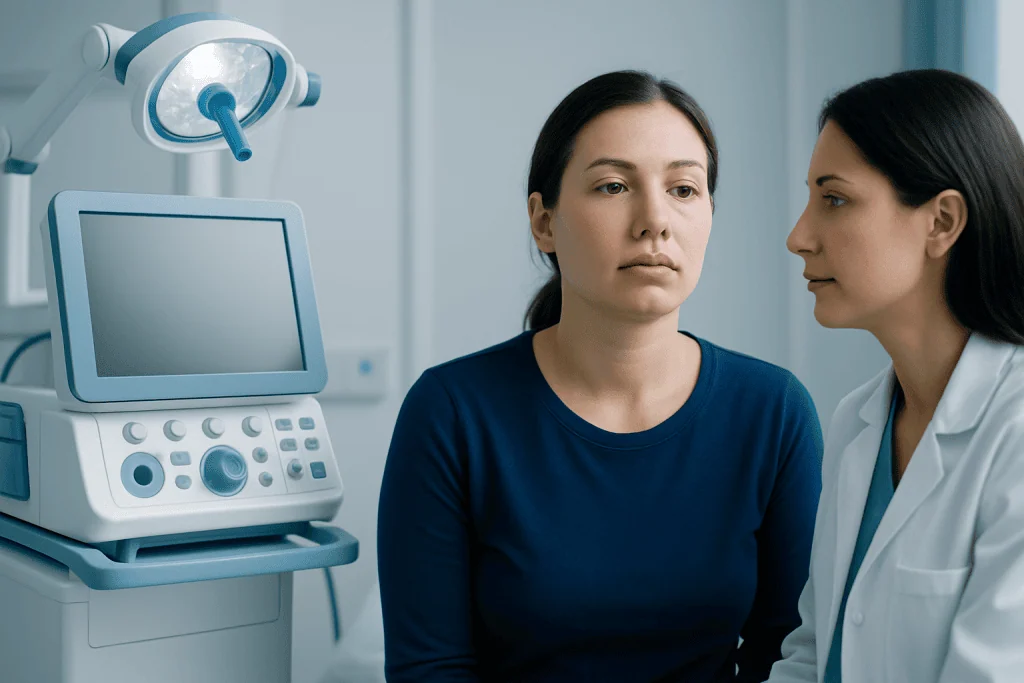
Upper lip swelling may affect just one side or the whole lip. It can develop over minutes, hours, or a day or two. Some people notice a feeling of tightness, tingling, warmth, or fullness before the lip visibly enlarges.
Associated symptoms often provide clues. Itching and hives suggest an allergic process. Pain, tenderness, pus, a pimple-like bump, or fever may point toward infection. Crusting or dry, inflamed skin may suggest irritation or contact dermatitis. Swelling after a cut, bite, dental work, or blunt injury is more consistent with trauma.
Doctors also pay attention to what is not present. Angioedema, for example, may cause dramatic swelling without much redness or itching. Recurrent swelling that comes and goes may be related to allergy, medication reactions, or less commonly hereditary conditions affecting inflammatory pathways.
- Itching or hives: often linked to allergy
- Pain or throbbing: may suggest injury or infection
- Numbness or tingling: can occur with irritation or swelling pressure
- Fever or malaise: raises concern for infection
- Tongue or throat symptoms: need urgent evaluation
Common causes and risk factors

One of the most frequent explanations for a swollen upper lip is an allergic or sensitivity reaction. Foods, medications, insect stings, latex, dental materials, and cosmetic products can all trigger swelling. Sometimes the reaction is immediate, and sometimes it develops after repeated exposure. Lip balms, toothpaste, fragrances, and sunscreens are common irritants around the mouth.
Angioedema is another important cause. This is a deeper type of swelling caused by leakage of fluid from blood vessels into surrounding tissue. It can happen with allergies, but it can also occur without hives. Certain blood pressure medicines called ACE inhibitors are a well-known cause. Some people have recurring angioedema related to inherited or acquired immune-system pathways. Readers looking for related background may find it helpful to understand angioedema as a broader condition.
Infections can also cause upper lip swelling. These may begin in the skin, around a hair follicle, in a blocked gland, or from nearby tooth and gum problems. A dental abscess, inflamed gum tissue, or spread of infection from the mouth can all affect the lip area. Skin conditions such as eczema, cold sores, or inflammatory disorders may lead to swelling as well.
Less common causes include accidental trauma, sunburn, insect bites, autoimmune or granulomatous conditions, and reactions after cosmetic fillers or procedures. Risk increases if a person has a history of allergies, recent new medications, sensitive skin, dental disease, or previous unexplained facial swelling.
How doctors work out the cause
Diagnosis usually begins with a careful history. A clinician will ask when the swelling started, how quickly it changed, whether it has happened before, and whether there were possible triggers such as foods, medicines, illness, insect bites, dental treatment, or new skin products. They will also ask about hives, breathing symptoms, abdominal pain, and family history of similar episodes.
The physical exam looks at the lip itself and the surrounding face, mouth, gums, teeth, tongue, throat, and neck. The pattern matters: a red, tender, localized lump may suggest infection, while soft, diffuse swelling without rash may fit angioedema. If there are signs of dental involvement, the clinician may recommend an oral examination or imaging through dental or maxillofacial services.
Tests are not always needed for a first mild episode. However, recurrent, severe, or unexplained swelling may lead to blood tests, allergy assessment, or evaluation for hereditary angioedema and related conditions. If airway symptoms are possible, doctors focus first on safety rather than extensive testing. In selected cases, allergy testing or diagnostic imaging may help clarify the diagnosis.
Treatment options depend on the cause
There is no single treatment for upper lip swelling because management depends on why it happened. If the swelling follows an obvious irritant, the first step is stopping the suspected trigger. Cool compresses may help with comfort. Doctors may recommend medicines for allergy-related swelling, but the choice depends on the severity and the person’s medical history.
If infection is suspected, treatment may include care of the affected area and medication aimed at the infection. Dental or gum-related causes often improve only when the underlying tooth or oral problem is treated. When trauma is responsible, swelling commonly settles with time, rest, and local care unless there is a deeper injury.
Angioedema needs special attention because some forms can involve the airway. If a medicine is the likely trigger, a doctor may advise stopping or changing it safely. Recurrent cases may need specialist assessment to identify the type of angioedema and the most appropriate long-term plan. When swallowing, tongue, or throat symptoms are present, emergency care is essential. Depending on findings, care may involve specialists in immunology and allergy or oral and facial evaluation.
For patients with repeated episodes, keeping a record of foods, medications, products, and timing can be very useful. At Acibadem International, multidisciplinary specialists in JCI-accredited hospitals evaluate and treat lip swelling and related allergic, dental, dermatologic, and airway conditions for international patients.
Prevention and self-care at home
Prevention is most effective when the trigger is known. People who notice swelling after certain foods, lip products, toothpaste, or medications should avoid reuse until a doctor advises otherwise. Reading labels carefully and introducing new products one at a time can make patterns easier to spot.
Gentle skin care around the mouth can also reduce irritation. It may help to avoid fragranced balms, harsh exfoliants, and repeated licking of the lips, which can worsen dryness and inflammation. Good oral hygiene and regular dental care lower the chance of swelling linked to gum disease or dental infection.
At home, cool compresses may reduce discomfort from mild swelling. It is generally wise not to squeeze bumps, pick at the skin, or self-treat a suspected infection with random over-the-counter products. People with a known history of severe allergic reactions should follow the action plan given by their clinician and keep prescribed emergency medication available if advised.
When to seek medical care
Urgent medical care is needed if upper lip swelling is accompanied by trouble breathing, wheezing, throat tightness, difficulty swallowing, tongue swelling, faintness, or widespread hives. These symptoms can occur with a serious allergic reaction or significant angioedema and should not be watched at home.
Prompt medical review is also important if the lip is very painful, increasingly red, hot, draining pus, or associated with fever, severe dental pain, or facial swelling. These features may suggest infection that needs professional treatment. Swelling after facial trauma should be assessed if there is severe pain, bleeding, deformity, or concern for a broken tooth or jaw injury.
Non-emergency evaluation is still worthwhile when swelling keeps returning, seems to happen without a clear trigger, or does not settle as expected. Recurrent episodes can sometimes be linked to medication reactions, allergies, or less common conditions that benefit from proper diagnosis. For some patients, clinicians may also look for related inflammatory or facial conditions such as facial paralysis only if other neurological symptoms are present, though this is not a typical cause of isolated lip swelling.
Frequently asked questions
Can upper lip swelling happen without an allergy?
Yes. Although allergy is a common cause, upper lip swelling can also happen because of irritation, infection, trauma, dental problems, medication side effects, or angioedema that is not caused by a classic allergy. That is why the timing, appearance, and other symptoms matter.
How do I know if a swollen upper lip is serious?
It is more serious if it comes with trouble breathing, throat tightness, tongue swelling, faintness, or difficulty swallowing. These symptoms need emergency care. It also deserves prompt medical attention if there is fever, pus, severe pain, or rapidly worsening swelling.
Can stress cause upper lip swelling?
Stress itself is not usually the direct cause of lip swelling, but it may worsen some inflammatory or allergic conditions in certain people. Recurrent swelling should not be assumed to be stress-related without a medical evaluation, especially if episodes are sudden or severe.
Should I use ice on a swollen upper lip?
A cool compress may help reduce discomfort and mild swelling, especially after minor irritation or injury. Ice should not be placed directly on the skin for long periods because it can irritate delicate lip tissue. Home care is not enough if there are signs of allergy, infection, or airway involvement.
Can a tooth problem make the upper lip swell?
Yes. Infections or inflammation involving the upper teeth, gums, or surrounding tissues can spread and cause swelling in the upper lip area. Dental pain, gum swelling, bad taste, or fever can be useful clues.
What doctor should evaluate repeated lip swelling?
A primary care doctor can often start the evaluation and decide whether referral is needed. Depending on the suspected cause, assessment may involve an allergist, dermatologist, dentist, ENT specialist, or oral and maxillofacial specialist. Recurrent swelling without an obvious trigger especially benefits from medical review.
References
- American Academy of Allergy, Asthma & Immunology
- National Institute of Allergy and Infectious Diseases
- American Academy of Dermatology
- Mayo Clinic
- National Health Service
This article is for general information only and is not a substitute for professional medical advice. Please consult a qualified doctor about your individual situation.
Explore treatments in Turkey — costs, top hospitals & a free quote
JCI-accredited · board-certified surgeons · reply within 24h
Add us as a Preferred Source to see more of our trusted health content across Google Search, AI Overviews and Discover.
Check your numbers in seconds
BMI, calories, due date, blood pressure and 30+ more clinical calculators — free, instant, doctor-reviewed ranges.

More from the Health Library

Hb Laboratory Test: A Complete Medical Overview

Teeth Removal Recovery Time: An Evidence-Based Guide for Patients

Baby Eczema: An Evidence-Based Guide for Patients

Gadolinium Contrast — Explained by Medical Evidence, Not Myths

Alienation: What Patients Need to Know