Upset Stomach: What Patients Need to Know

Upset stomach is a symptom, not a single disease. Common causes include indigestion, viral infections, food intolerance, stress, and medication side effects.
Key Takeaways
- Upset stomach is a symptom, not a single disease.
- Common causes include indigestion, viral infections, food intolerance, stress, and medication side effects.
- Most mild cases improve with hydration, bland foods, and rest.
- Warning signs such as severe pain, vomiting, dehydration, blood in stool, or ongoing symptoms should be assessed by a doctor.
- Diagnosis depends on the pattern of symptoms, medical history, and sometimes tests.
Upset stomach is a broad term for digestive discomfort such as nausea, bloating, cramps, indigestion, or diarrhea. It is often short-lived and mild, but persistent, severe, or repeated symptoms may point to an underlying condition that deserves medical attention.
Overview: What an Upset Stomach Really Means
Upset stomach usually refers to a group of digestive complaints rather than one specific diagnosis. People may use the term to describe nausea, a heavy or burning feeling after eating, bloating, cramping, gas, loose stools, or a general uneasy sensation in the abdomen. Because it is a symptom, the cause can range from a simple meal-related problem to an infection or an ongoing digestive disorder.
In many cases, an upset stomach improves within hours or a few days with hydration, rest, and lighter meals. However, the same symptom can also appear with conditions such as acid reflux, gastritis, food intolerance, irritable bowel syndrome, or ulcers. Looking at the full pattern of symptoms helps doctors understand whether the problem is likely temporary or part of a broader digestive issue.
A patient-friendly way to think about upset stomach is that the digestive tract is reacting to something. That “something” may be a virus, a rich meal, stress, a new medication, or inflammation in the stomach or intestines. The duration, severity, and associated symptoms often provide the most useful clues.
Common Symptoms That May Come With an Upset Stomach
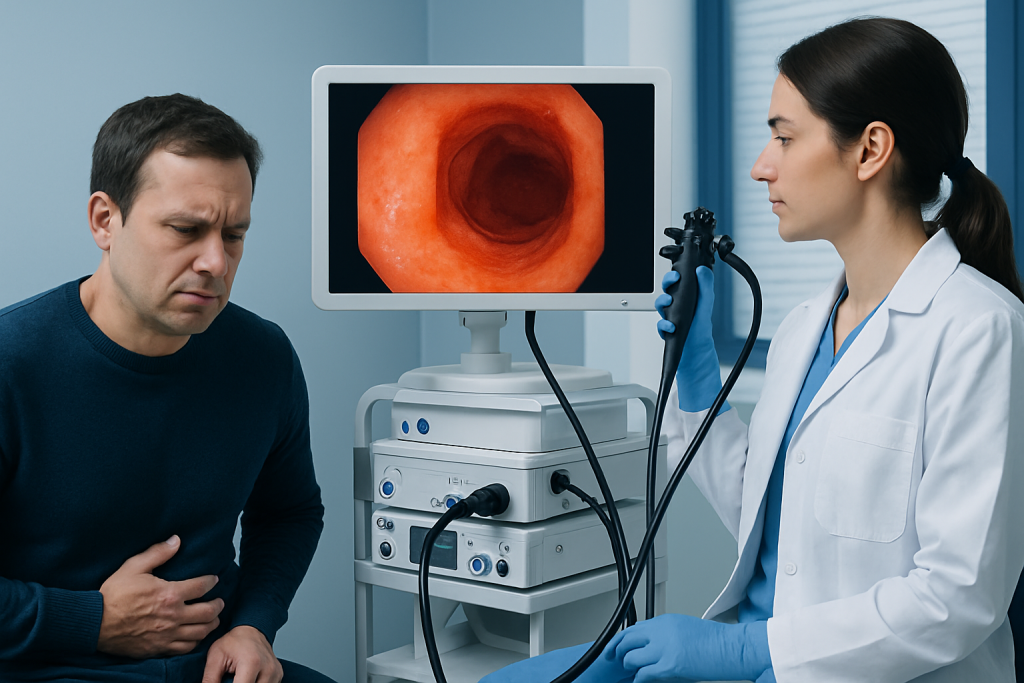
Symptoms vary from person to person. Some patients mainly feel nausea or fullness, while others notice cramping, excessive gas, or an urgent need to use the bathroom. The discomfort may begin soon after eating, come and go through the day, or appear together with a fever or fatigue if an infection is present.
Symptoms that often accompany an upset stomach include:
- Nausea or a queasy feeling
- Bloating or abdominal fullness
- Belching or gas
- Upper abdominal burning or discomfort
- Cramping or generalized belly pain
- Diarrhea or loose stools
- Reduced appetite
- Occasional vomiting
The location and character of the discomfort can also matter. Burning behind the breastbone may suggest reflux, while pain high in the abdomen after meals may fit indigestion or gastritis. Lower abdominal cramping with diarrhea may be more consistent with a bowel infection or sensitivity. If symptoms are frequent, keeping a simple record of meals, medications, stress, and bowel habits can be helpful for a doctor.
Possible Causes and Risk Factors

There are many reasons someone may develop an upset stomach. Short-term causes are especially common and include overeating, eating too quickly, consuming fatty or spicy foods, drinking excess alcohol, or having a viral stomach infection. Food poisoning can also trigger sudden nausea, vomiting, diarrhea, and cramps, often within hours of eating contaminated food.
Some patients experience upset stomach because of an underlying digestive condition. These include indigestion, acid reflux, gastritis, peptic ulcer disease, constipation, and food intolerances such as lactose intolerance. Ongoing or recurring digestive discomfort may also be related to irritable bowel syndrome or gastroesophageal reflux disease. In some cases, inflammation or infection such as gastritis may be involved.
Medications are another common factor. Pain relievers such as nonsteroidal anti-inflammatory drugs, some antibiotics, iron supplements, and certain diabetes or weight-management medicines can irritate the stomach or change bowel habits. Stress and anxiety can also influence digestion by affecting how quickly the stomach empties and how sensitive the intestines feel.
Risk may be higher in people who travel frequently, have known food intolerances, are exposed to stomach viruses, have chronic digestive conditions, or regularly use medications that can irritate the stomach lining. Pregnancy can also cause nausea and digestive discomfort, especially in early stages, though new or severe symptoms still deserve medical advice.
How Doctors Diagnose the Cause
Diagnosis starts with a careful history. A doctor usually asks when the symptoms began, whether they follow meals, whether vomiting or diarrhea is present, and if there are warning signs such as weight loss, fever, black stools, or dehydration. Information about recent travel, medication use, alcohol intake, and stress can be just as important as the physical symptoms themselves.
A physical examination may include checking the abdomen for tenderness, bloating, bowel sounds, and signs of dehydration. If symptoms are mild and short-lived, testing may not be necessary. Many episodes are caused by self-limited indigestion or a viral illness and improve with conservative care.
If symptoms persist, recur, or suggest a more specific condition, further evaluation may be recommended. Depending on the situation, this can include blood tests, stool tests, breath tests for food intolerance or bacterial overgrowth, abdominal ultrasound, or endoscopy to examine the upper digestive tract. In patients with lower bowel symptoms, doctors may also consider colonoscopy if age, symptoms, or family history make it appropriate.
Treatment Options and Practical Relief
Treatment for upset stomach depends on the cause. For many mild cases, supportive care is enough: rest, small sips of water or oral rehydration fluids, and a temporary shift to simple foods that are easy to digest. Heavy, greasy, highly spiced, or very sugary foods can worsen symptoms during recovery. Eating smaller meals and avoiding lying down right after eating may also help.
When indigestion, reflux, or excess stomach acid is suspected, doctors may recommend medicines that reduce acid or protect the stomach lining. If diarrhea or vomiting is prominent, the main priority is replacing lost fluids and electrolytes. Antibiotics are not routinely needed for most short viral illnesses, but they may be used in selected bacterial infections when clinically appropriate.
Persistent or recurrent symptoms need targeted treatment. For example, reflux may be managed with diet changes and acid-suppressing therapy, while ulcers may require testing and treatment for Helicobacter pylori. Conditions such as severe reflux, gallbladder disease, or complicated ulcers may sometimes need specialist procedures or surgery, including evaluation by a gastroenterology team or, in selected cases, general surgical treatment. The right approach depends on the confirmed diagnosis rather than the symptom alone.
It is best to avoid self-treating repeatedly without understanding the reason for ongoing symptoms. Frequent use of over-the-counter remedies can mask a problem that deserves proper assessment. A qualified doctor can help match treatment to the cause and identify when testing is needed.
Prevention and Self-Care Habits
Not every episode can be prevented, but simple daily habits can lower the chance of digestive upset. Many patients benefit from eating regular meals, chewing slowly, and avoiding foods that repeatedly trigger symptoms. Keeping a food and symptom diary may reveal patterns involving dairy, spicy meals, caffeine, alcohol, or large late-night dinners.
Hand hygiene and safe food handling are also important, especially during travel or when stomach viruses are circulating. Washing hands well, storing food correctly, and choosing safe drinking water can reduce the risk of infection and food poisoning. Patients who know they have food intolerances can prevent symptoms by reading labels carefully and planning meals ahead.
Stress management matters more than many people realize. The digestive tract and nervous system are closely connected, so sleep problems, anxiety, and chronic stress may worsen bloating, nausea, or bowel changes. Regular physical activity, adequate sleep, and routines that support mental well-being can help some patients experience fewer flare-ups.
When to Seek Medical Care
An upset stomach should be medically assessed if symptoms are severe, do not improve, or keep returning. Important warning signs include dehydration, inability to keep fluids down, persistent vomiting, high fever, blood in vomit or stool, black stools, significant abdominal swelling, or strong pain that is localized or worsening. In infants, older adults, pregnant patients, and people with chronic illness, doctors may advise earlier evaluation.
Medical care is also important when symptoms are linked to unexplained weight loss, difficulty swallowing, jaundice, nighttime symptoms that wake the patient, or changes in bowel habits lasting more than a few weeks. These features do not always mean a serious problem, but they do justify a more careful medical review.
For international patients who need evaluation for ongoing digestive symptoms, Acibadem International’s multidisciplinary specialists and JCI-accredited hospitals provide diagnosis and treatment across gastroenterology, imaging, and surgical care. The most appropriate next step is guided by the patient’s symptoms, examination, and test results.
Frequently asked questions
Is upset stomach the same as indigestion?
Not exactly. Upset stomach is a broad, everyday term for digestive discomfort, while indigestion is one possible cause of that discomfort. A person with an upset stomach may have indigestion, but they could also have a virus, reflux, food intolerance, or another digestive problem.
How long does an upset stomach usually last?
A mild upset stomach from overeating, stress, or a brief stomach bug often improves within a few hours to a few days. If symptoms last longer than expected, keep coming back, or become more severe, a doctor should evaluate the cause. Duration matters because persistent symptoms may point to an underlying condition.
What foods are easiest to eat with an upset stomach?
Many people tolerate small amounts of bland, simple foods better than rich or spicy meals. Options such as toast, rice, bananas, applesauce, plain crackers, soup, or other light foods may be easier while symptoms settle. Sipping water regularly is also important, especially if vomiting or diarrhea is present.
Can stress cause an upset stomach?
Yes. Stress and anxiety can affect how the stomach and intestines function, which may lead to nausea, bloating, cramps, or changes in bowel habits. If stress seems to trigger symptoms often, it is still wise to discuss this with a doctor to rule out other digestive causes.
When is upset stomach an emergency?
Emergency assessment may be needed if there is severe abdominal pain, repeated vomiting, signs of dehydration, fainting, blood in vomit or stool, black stools, chest pain, or confusion. These symptoms can indicate a more serious problem than ordinary indigestion. If symptoms are sudden and intense, urgent medical help is appropriate.
Should someone take medicine right away for an upset stomach?
Not always. Some mild cases improve with rest, fluids, and temporary diet changes, and the best medicine depends on the actual cause. If symptoms are frequent, severe, or unclear, it is safer to get medical advice rather than repeatedly relying on over-the-counter remedies.
References
- National Institute of Diabetes and Digestive and Kidney Diseases
- American College of Gastroenterology
- National Health Service
- Mayo Clinic
- World Health Organization
This article is for general information only and is not a substitute for professional medical advice. Please consult a qualified doctor about your individual situation.
Persistent digestive symptoms? Get evaluated in Turkey
JCI-accredited · board-certified surgeons · reply within 24h
Add us as a Preferred Source to see more of our trusted health content across Google Search, AI Overviews and Discover.

More from the Health Library



Related Specialists

Dr. Yağmur Kuşçu
Anesthesiology
Prof. Dr. Murat Saruç
Gastroenterology
Ody. Özlem Gedik Soyuyüce
Audiology
Assoc. Prof. Dr. Tonguç Utku Yılmaz
Kidney Transplant Center