Urinary Incontinence in Women: Leakage Types and Treatment Options

Urinary incontinence means accidental urine leakage, and the main types include stress, urge, mixed, overflow, and functional incontinence. Pregnancy, childbirth, menopause, pelvic surgery, excess weight, constipation, urinary tract infections, and some medications can contribute to leakage.
Key Takeaways
- Urinary incontinence means accidental urine leakage, and the main types include stress, urge, mixed, overflow, and functional incontinence.
- Pregnancy, childbirth, menopause, pelvic surgery, excess weight, constipation, urinary tract infections, and some medications can contribute to leakage.
- Diagnosis usually begins with a medical history, pelvic examination, urine testing, bladder diary, and sometimes specialized bladder function tests.
- Many women improve with non-surgical care such as pelvic floor exercises, bladder training, fluid adjustments, weight management, and treatment of constipation.
- Medicines, minimally invasive procedures, and surgery may help when conservative treatments are not enough or when the leakage type requires targeted treatment.
- Women should seek medical advice for new, worsening, painful, bloody, or disruptive urinary leakage, especially if symptoms affect quality of life.
Urinary incontinence in women is common, but it is not something a woman simply has to accept as part of aging, childbirth, or menopause. Understanding the type of leakage is the first step toward effective treatment, which may include lifestyle changes, pelvic floor therapy, medication, procedures, or surgery.
Overview
Urinary incontinence in women is the unintentional leakage of urine. It can happen during coughing or exercise, come with a sudden urge to urinate, occur after the bladder seems full, or be related to mobility or cognitive difficulties. Although it is common, it is not a normal condition that must be ignored or hidden.
The condition can affect daily routines, sleep, exercise, travel, work, and emotional wellbeing. Some women limit social activities or avoid drinking fluids because they worry about leakage. A careful medical assessment can identify the pattern of leakage and guide treatment that matches the cause.
Urinary incontinence is often treatable, and many women improve significantly with simple first-line measures. The best plan depends on the type of incontinence, symptom severity, overall health, pregnancy status, past surgeries, medicines, and personal treatment preferences.
Types and Symptoms of Leakage
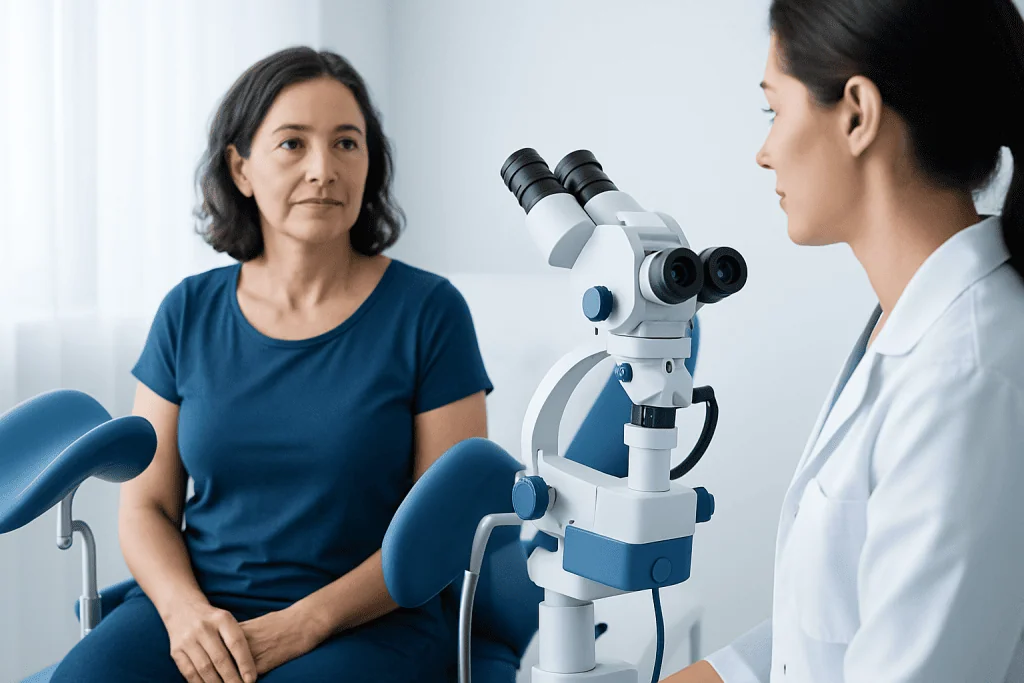
The symptoms of urinary incontinence vary by type. Stress incontinence causes leakage when pressure increases inside the abdomen, such as with coughing, sneezing, laughing, lifting, running, or jumping. It is often related to weakened pelvic floor support or changes around the urethra, the tube that carries urine out of the body.
Urge incontinence, also called urgency incontinence, involves a sudden strong need to urinate that is difficult to delay. Leakage may occur before reaching the toilet, and some women also urinate frequently during the day or wake at night to pass urine. Overactive bladder is a term often used when urgency and frequency are present, with or without leakage.
Mixed incontinence means symptoms of both stress and urge incontinence are present. Overflow incontinence occurs when the bladder does not empty well, leading to frequent dribbling or a feeling of incomplete emptying. Functional incontinence happens when a woman cannot reach or use the toilet in time because of mobility problems, neurological conditions, vision impairment, environmental barriers, or cognitive difficulties.
Common symptoms to discuss with a doctor include:
- Leaking urine during physical activity or sudden movements
- A strong, urgent need to urinate
- Frequent urination or waking at night to urinate
- Dribbling, weak stream, or incomplete emptying
- Using pads or changing clothes because of leakage
- Avoiding activities because of fear of accidents
Causes and Risk Factors

Urinary leakage can develop when the bladder, urethra, pelvic floor muscles, nerves, or supportive tissues do not work together properly. Pregnancy and vaginal childbirth can stretch or weaken pelvic floor tissues, and symptoms may appear soon after birth or later in life. Menopause can also contribute because lower estrogen levels may affect vaginal and urethral tissues.
Several health and lifestyle factors can increase the likelihood of incontinence. These include excess body weight, chronic coughing, constipation, heavy lifting, recurrent urinary tract infections, diabetes, neurological conditions, and pelvic organ prolapse. Previous pelvic surgery, including some gynecological operations, may also influence bladder control.
Some medications can worsen urinary symptoms by increasing urine production, relaxing the bladder outlet, causing sedation, or contributing to constipation. Caffeinated drinks, alcohol, carbonated beverages, and large fluid intake close to bedtime may aggravate urgency or night-time urination in some women, although fluid restriction should be avoided unless advised by a clinician.
Temporary incontinence can occur with urinary tract infection, vaginal irritation, severe constipation, or short-term medication changes. Because causes differ, women should avoid assuming the problem is only age-related. Identifying reversible factors can make treatment simpler and more effective.
Diagnosis
Diagnosis begins with a detailed conversation about symptoms. A clinician may ask when leakage happens, how often it occurs, how much urine is lost, whether urgency is present, and how symptoms affect daily life. Questions about pregnancies, childbirth, menopause, surgeries, medical conditions, medicines, fluid intake, bowel habits, and sexual health are also important.
A pelvic examination may assess pelvic floor strength, vaginal tissue health, pelvic organ prolapse, and leakage during coughing. A urine test can check for infection, blood, glucose, or other findings that need attention. In some cases, a post-void residual test is used to measure how much urine remains in the bladder after urination, often with ultrasound.
A bladder diary is a useful tool. Over several days, the woman records fluid intake, urination times, urgency episodes, leakage episodes, and triggers. This helps distinguish stress, urge, mixed, and frequency-related patterns and can show whether habits such as late-night fluids are contributing.
Specialized tests may be recommended when symptoms are complex, treatment has not helped, surgery is being considered, or there are warning signs. These may include urodynamic testing to measure bladder function, cystoscopy to look inside the bladder, or imaging when another condition is suspected. Not every woman needs these tests, and the choice is individualized.
Treatment Options
Treatment usually starts with the least invasive options. Pelvic floor muscle training, often called Kegel exercises, can strengthen the muscles that support the bladder and urethra. Many women benefit from learning correct technique with a pelvic floor physiotherapist, because squeezing the wrong muscles or holding the breath may reduce effectiveness.
Bladder training can help women with urgency and frequency. It involves urinating on a planned schedule, gradually increasing the time between toilet visits, and using urge-suppression techniques such as pausing, breathing calmly, and contracting the pelvic floor. Managing constipation, improving sleep habits, moderating caffeine, and reaching a healthy weight may also reduce symptoms.
Medical treatments depend on the leakage type. For urgency incontinence or overactive bladder, doctors may consider prescription medicines that calm bladder contractions or improve bladder storage. Vaginal estrogen may be appropriate for some postmenopausal women with urogenital symptoms. All medicines have possible side effects and should be selected after reviewing medical history and current medications.
Procedures and surgery may be considered when conservative treatment is not enough. Options can include urethral bulking injections, treatments for overactive bladder such as botulinum toxin injections into the bladder, nerve stimulation therapies, or surgery for stress incontinence, such as a mid-urethral sling in carefully selected patients. If pelvic organ prolapse is contributing, prolapse treatment may be part of the plan. A specialist can explain expected benefits, risks, recovery, and alternatives for each option.
Prevention and Self-Care
Not all urinary incontinence can be prevented, but healthy bladder and pelvic floor habits may reduce risk or symptom severity. Regular pelvic floor exercises can be helpful during pregnancy, after childbirth, and later in life. Women who are unsure how to perform them can ask for assessment and instruction rather than continuing ineffective exercises.
Bladder-friendly habits include drinking enough fluid without routinely overfilling the bladder, limiting excessive caffeine if it worsens urgency, and avoiding the habit of urinating too often just in case. Frequent unnecessary toilet visits can sometimes train the bladder to signal urgency at lower volumes. A clinician or pelvic floor therapist can help create a safe bladder training schedule.
Bowel care is also important. Constipation can increase pressure on the bladder and pelvic floor, so a diet with adequate fiber, regular movement, and appropriate fluid intake may help. Women should seek medical advice for persistent constipation rather than relying on long-term laxative use without guidance.
Practical self-care can improve confidence while treatment is underway. Absorbent pads designed for urine, skin protection, planned toilet breaks during travel, and clothing choices may reduce stress. These strategies can help manage daily life, but they should not replace medical evaluation when symptoms are persistent or bothersome.
When to See a Doctor
A woman should speak with a qualified doctor if urinary leakage is new, worsening, frequent, or affecting her activities, sleep, work, exercise, or relationships. Medical care is also important if leakage occurs with pain, burning, fever, blood in the urine, pelvic pain, recurrent urinary tract infections, difficulty emptying the bladder, or a new neurological symptom such as leg weakness or numbness.
Prompt assessment is especially important after pelvic surgery, after childbirth when symptoms are severe or not improving, or when a woman feels a bulge or pressure that may suggest pelvic organ prolapse. Women should also seek advice before starting or stopping medications that may affect urination.
Urinary incontinence can feel personal, but healthcare professionals discuss these symptoms routinely and respectfully. Preparing a list of symptoms, medications, childbirth history, and a short bladder diary can make the appointment more useful. At Acibadem International, multidisciplinary specialists in JCI-accredited hospitals diagnose and treat urinary incontinence for international patients, including women who need urology, gynecology, pelvic floor rehabilitation, or surgical expertise.
Frequently asked questions
Is urinary incontinence in women a normal part of aging?
Urinary leakage becomes more common with age, but it should not be considered an unavoidable or untreatable part of aging. Many causes can be managed with pelvic floor therapy, bladder training, medication, or procedures. A medical evaluation can identify the type of incontinence and the most appropriate treatment options.
What is the difference between stress incontinence and urge incontinence?
Stress incontinence is leakage triggered by pressure, such as coughing, sneezing, laughing, lifting, or exercise. Urge incontinence is leakage that follows a sudden strong need to urinate. Some women have both, which is called mixed incontinence.
Do Kegel exercises really help urinary leakage?
Pelvic floor muscle exercises can help many women, especially those with stress incontinence or mild mixed symptoms. Correct technique is important, and improvement usually requires regular practice over time. A pelvic floor physiotherapist can check whether the right muscles are being used and create an individualized program.
Can urinary incontinence be treated without surgery?
Yes. Many women start with non-surgical treatments such as pelvic floor training, bladder training, lifestyle changes, constipation management, and medication when appropriate. Surgery or procedures are usually considered when symptoms persist, are more severe, or when the specific type of incontinence is unlikely to improve enough with conservative care alone.
Can childbirth cause urinary incontinence years later?
Pregnancy and childbirth can affect pelvic floor muscles, nerves, and connective tissues. Symptoms may appear soon after delivery, improve, and then return later, or they may develop years afterward as tissues change with age, menopause, or other risk factors. Treatment is still possible even if the leakage began long after childbirth.
When is urinary leakage a sign of something more serious?
Urinary leakage should be assessed promptly if it occurs with blood in the urine, fever, pain, burning, recurrent infections, new difficulty emptying the bladder, or neurological symptoms. Sudden major changes in bladder control also deserve medical attention. Most causes are manageable, but these symptoms help doctors decide whether additional testing is needed.
References
- International Continence Society
- American Urological Association
- European Association of Urology
- National Institute for Health and Care Excellence
- American College of Obstetricians and Gynecologists
This article is for general information only and is not a substitute for professional medical advice. Please consult a qualified doctor about your individual situation.
Urinary Incontinence in Turkey — costs, top hospitals & a free quote
JCI-accredited · board-certified surgeons · reply within 24h
Add us as a Preferred Source to see more of our trusted health content across Google Search, AI Overviews and Discover.

Gynecology & Obstetrics
Women’s health across pregnancy, gynecologic surgery and high-risk pregnancy care.
187 specialists in this unitMore from the Health Library



Related Specialists

Dr. Mecit Sancak
Otorhinolaryngology
Dt. Anil Yavuzyilmaz
Oral & Dental Health
Assoc. Prof. Dr. Hepsen Mine Serin
Pediatrics
Prof. Dr. Kenan Hizel
Infectious Diseases & Clinical Microbiology