Urostomy — Explained by Medical Evidence, Not Myths

A urostomy does not treat every bladder problem, but it can safely divert urine when normal urinary flow is no longer possible. The stoma has no muscle to hold urine, so urine drains continuously into a specially fitted pouch.
Key Takeaways
- A urostomy does not treat every bladder problem, but it can safely divert urine when normal urinary flow is no longer possible.
- The stoma has no muscle to hold urine, so urine drains continuously into a specially fitted pouch.
- Good pouch fitting, skin care, hydration, and follow-up help reduce leakage, irritation, and infection risk.
- Common reasons for a urostomy include bladder cancer, severe bladder damage, some congenital conditions, and major pelvic surgery.
- Medical review is important for fever, severe pain, no urine output, heavy bleeding, or sudden changes in the stoma.
A urostomy is a type of urinary diversion that allows urine to leave the body through an opening on the abdomen called a stoma. It is usually done when the bladder must be removed, bypassed, or can no longer store or pass urine safely, and many people live active, full lives after recovery.
What a urostomy is
A urostomy is an operation that creates a new route for urine to leave the body. Instead of flowing from the kidneys to the bladder and then out through the urethra, urine is diverted to an opening on the abdominal wall called a stoma. A pouch worn over the stoma collects urine continuously.
This procedure is one type of urinary diversion. It may be recommended when the bladder has been removed, when it no longer works safely, or when urine cannot pass through the usual pathway. A urostomy is not a disease itself; it is a surgical solution used to protect kidney function and help the body eliminate urine reliably.
Several surgical methods can be used. The most common is an ileal conduit, in which a short piece of small intestine is used to carry urine from the ureters to the stoma. Other urinary diversions may include continent reservoirs in selected patients, but when people use the word urostomy, they often mean a non-continent diversion with an external pouch.
Understanding this basic point can help correct a common myth: a urostomy is not simply “a bag because the bladder leaked.” It is a carefully planned reconstruction done for clear medical reasons, often after treatment for conditions such as bladder cancer.
Why a urostomy may be needed

Doctors consider a urostomy when the bladder must be removed or bypassed, or when the lower urinary tract cannot store or empty urine safely. One common reason is surgery for invasive bladder cancer, especially when a person needs radical cystectomy. In other cases, the reason may be severe radiation damage, major trauma, nerve-related bladder dysfunction, or complex pelvic disease.
Some children and adults need urinary diversion because of congenital or structural problems affecting the urinary tract. In others, repeated blockage, fistulas, or chronic bladder injury can make diversion the safest long-term option. The aim is usually to preserve kidney health, prevent further complications, and improve day-to-day function.
A urostomy may be temporary in a small number of situations, but it is often permanent. The decision depends on the underlying condition, the extent of surgery, general health, kidney function, and whether other reconstruction options are suitable.
Before surgery, the care team usually explains why diversion is needed, what type of diversion is planned, and what life afterward may look like. This preoperative education is an important part of good outcomes because practical preparation often reduces anxiety and makes self-care easier after the operation.
How the surgery works and what to expect afterward
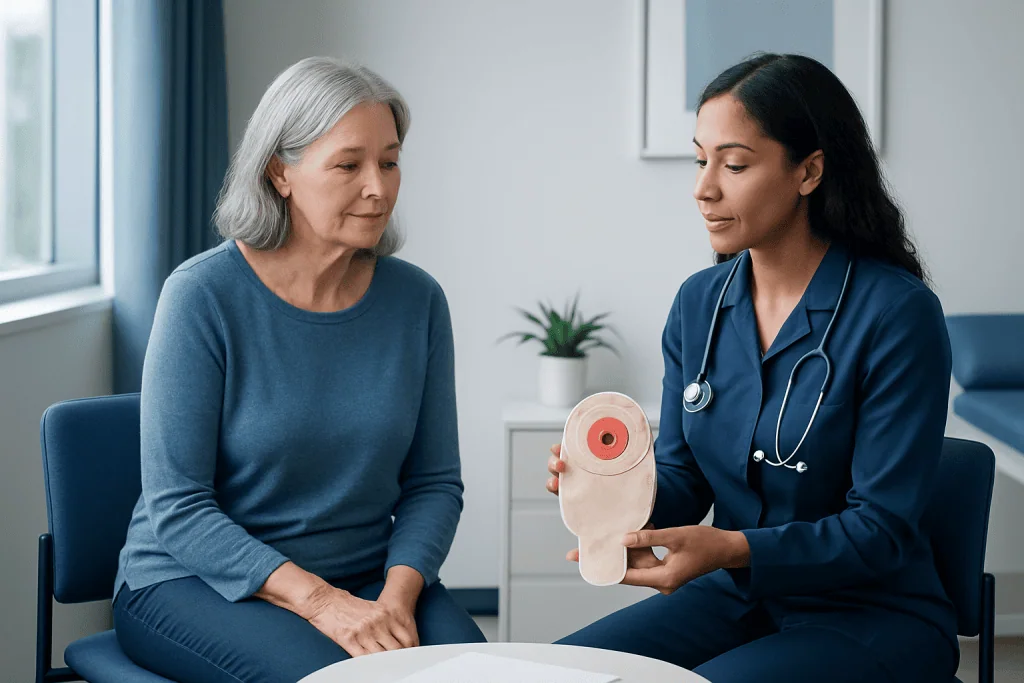
During surgery, the surgeon redirects urine from the ureters so it can leave the body through the stoma. In an ileal conduit, a short segment of intestine is separated and connected to the ureters at one end and to the skin at the other. The stoma is usually pink or red, moist, and slightly raised above the skin.
After the operation, urine drains continuously into a urostomy pouch. Because the stoma does not have a sphincter muscle, there is no voluntary control over urine flow. The pouch is designed to collect urine securely and is usually fitted with a drainage tap so it can be emptied regularly. At night, many people connect it to a larger bedside drainage system.
Recovery time varies depending on the type of operation, overall health, and whether other procedures were performed at the same time. It is common to feel tired for several weeks, and the abdomen may be sore while healing. A stoma care nurse often teaches pouch changes, skin protection, fluid advice, and warning signs before discharge.
Some people undergo urostomy creation as part of broader urologic oncology surgery. If the reason is cancer, the same treatment plan may also involve pathology review, follow-up imaging, or other therapies based on the final diagnosis.
Daily life with a urostomy
Many people are able to return to work, travel, exercise, and social activities after healing. Living with a urostomy usually involves learning a routine rather than giving up normal life. Once the pouching system fits well, it is typically discreet under clothing and does not prevent most day-to-day tasks.
Urostomy care centers on a few basics: keeping the pouch sealed, protecting the skin around the stoma, staying hydrated, and emptying the bag before it becomes too full. The pouching system may need to be changed every few days, depending on the product used, the skin type, and how well the seal is holding. A stoma nurse can help troubleshoot leaks, odor concerns, or skin irritation.
It is normal for urine from an ileal conduit to contain some mucus because a piece of bowel is used to create the passage. This usually does not mean infection. However, cloudy urine with fever, burning, flank pain, or feeling unwell should be assessed by a clinician because urinary infections can still occur.
Emotional adjustment matters too. Body image, intimacy, and confidence can all be affected after surgery, especially early on. Honest discussion with the care team, support groups, and practical coaching often help people adapt. When a urostomy is part of recovery from serious disease, adjustment may happen alongside treatment for a bladder condition or another major diagnosis.
Possible complications and long-term follow-up
Like any major surgery, a urostomy has potential short- and long-term complications. Early issues can include wound infection, bowel slowdown, dehydration, blood clots, or urine leaks around the new connections. Later, people may experience skin irritation around the stoma, narrowing of the stoma, pouch leakage, hernia around the stoma, urinary infection, kidney drainage problems, or stone formation.
Not every change is a sign of a serious problem. For example, minor bleeding from the stoma surface can happen because it contains many small blood vessels, especially during cleaning. Even so, persistent bleeding, major color change, severe swelling, or a stoma that looks dark, pale, or dry should be reviewed promptly.
Long-term follow-up usually includes kidney function tests, monitoring for infections or obstruction, and review of the stoma and surrounding skin. Some people may need imaging studies if there are concerns about the ureters or kidneys. Follow-up is especially important after cancer surgery, when surveillance may also focus on recurrence and general recovery after bladder cancer treatment.
A well-supported patient often prevents many complications early. Seeking help for repeated leaks, new bulging around the stoma, reduced urine output, or worsening fatigue is more useful than trying to manage persistent problems alone.
Urostomy care, self-care, and practical prevention tips
Most urostomy self-care is practical and can be learned step by step. The skin barrier opening should match the stoma closely enough to protect the surrounding skin without rubbing the stoma itself. Emptying the pouch when it is about one-third to one-half full may reduce pulling, leakage, and discomfort.
Hydration is important because concentrated urine can irritate the skin, increase odor, and raise the risk of crystals or infection. A doctor may advise specific fluid goals based on kidney function, heart health, climate, and activity level. Balanced nutrition also supports healing, although special long-term diets are not needed for everyone.
Helpful self-care habits may include:
- Checking the stoma and surrounding skin regularly during pouch changes
- Using products recommended by a stoma nurse rather than trying many products at once
- Keeping spare supplies available at home and when traveling
- Using night drainage correctly to reduce overfilling during sleep
- Contacting the care team if leaks become frequent or the skin becomes sore
Bathing, walking, gentle exercise, and intimacy are usually possible after recovery, with individual advice based on the type of surgery performed. Heavy lifting may need to be limited for a period to reduce hernia risk. If there are questions about returning to sport, work demands, or sexual activity, individualized guidance from the surgical team is best.
Diagnosis, planning, and choosing the right urinary diversion
The need for a urostomy is determined through assessment of the underlying disease, imaging, urine tests, blood tests, kidney function, and a review of overall health. Depending on the situation, evaluation may include cystoscopy, CT scanning, MRI, biopsy results, and specialist consultation in urology, oncology, or reconstructive surgery.
Planning does not only focus on the disease. It also considers hand dexterity, vision, mobility, previous abdominal surgery, bowel health, and personal preferences. These factors can influence whether an ileal conduit or another form of urinary diversion is more suitable. Stoma site marking before surgery is especially valuable because the stoma should sit where it can be seen and managed easily.
Patients often ask whether a urostomy is always the only option. The answer is no. In some cases, other forms of diversion or reconstruction may be possible, while in others a urostomy offers the safest and most reliable result. A careful discussion of benefits, risks, and likely long-term care needs helps align the surgical plan with medical and personal priorities.
For people seeking coordinated evaluation, Acibadem International’s multidisciplinary specialists and JCI-accredited hospitals diagnose and treat urinary diversion needs for international patients, including related care in urology.
When to seek medical care
Prompt medical advice is important if there is fever, chills, worsening abdominal or flank pain, vomiting, or urine that suddenly stops draining. These symptoms can point to dehydration, blockage, infection, or another complication that should not be ignored.
A person should also contact a clinician if the stoma changes color, becomes much more swollen, develops persistent heavy bleeding, or if the skin around it becomes increasingly painful, raw, or difficult to seal with the pouch. Recurrent leakage is not just inconvenient; it can quickly damage the skin and may signal that the pouching system needs adjustment.
Urgent assessment is also sensible after recent surgery if there is chest pain, shortness of breath, severe weakness, fainting, or calf swelling, because major operations carry general postoperative risks unrelated only to the stoma. When in doubt, it is safer to ask a qualified doctor or stoma nurse for guidance.
Routine follow-up remains important even when a person feels well. Regular review helps protect kidney function, maintain good stoma care, and address practical concerns early before they become more difficult to manage.
Frequently asked questions
Is a urostomy the same as a colostomy or ileostomy?
No. A urostomy diverts urine, while a colostomy or ileostomy diverts stool from the bowel. They may all involve a stoma and pouch, but they serve different body systems and require different day-to-day care.
Does a person urinate normally after a urostomy?
After a standard urostomy, urine does not pass through the urethra in the usual way. Instead, it drains continuously through the stoma into a pouch. There is no normal bladder storage with this type of diversion.
Can someone live a normal life with a urostomy bag?
Many people return to work, travel, social activities, and exercise after recovery. The main adjustment is learning pouch and skin care. With support and follow-up, a urostomy often becomes part of a manageable daily routine.
What are the signs of a urostomy problem?
Warning signs include fever, new severe pain, reduced or absent urine output, repeated leakage, worsening skin irritation, and major changes in the stoma's color or size. Persistent bleeding, foul-smelling urine with illness, or swelling around the stoma also deserve medical review.
Is mucus in the urine normal after a urostomy?
A small amount of mucus is often normal, especially when the surgeon used a piece of intestine to create the urinary passage. The bowel tissue continues to produce mucus. However, fever, pain, or feeling unwell alongside cloudy urine should be assessed.
How often does a urostomy pouch need to be changed?
The exact schedule depends on the pouch system, skin type, activity level, and how well the seal holds. Many people empty the pouch several times a day and change the full system every few days. A stoma nurse can suggest the safest routine for the individual situation.
This article is for general information only and is not a substitute for professional medical advice. Please consult a qualified doctor about your individual situation.
Explore treatments in Turkey — costs, top hospitals & a free quote
JCI-accredited · board-certified surgeons · reply within 24h
Add us as a Preferred Source to see more of our trusted health content across Google Search, AI Overviews and Discover.

More from the Health Library

Hurt Tailbone Exercise: What Patients Need to Know

Thrombus: What Patients Need to Know

Probiotic Drinks — Explained by Medical Evidence, Not Myths

Foot Bath — Explained by Medical Evidence, Not Myths

Tobramycin Eye Drops: An Evidence-Based Guide for Patients