Us Endoscopy Mentor: Preparation, Procedure and Results
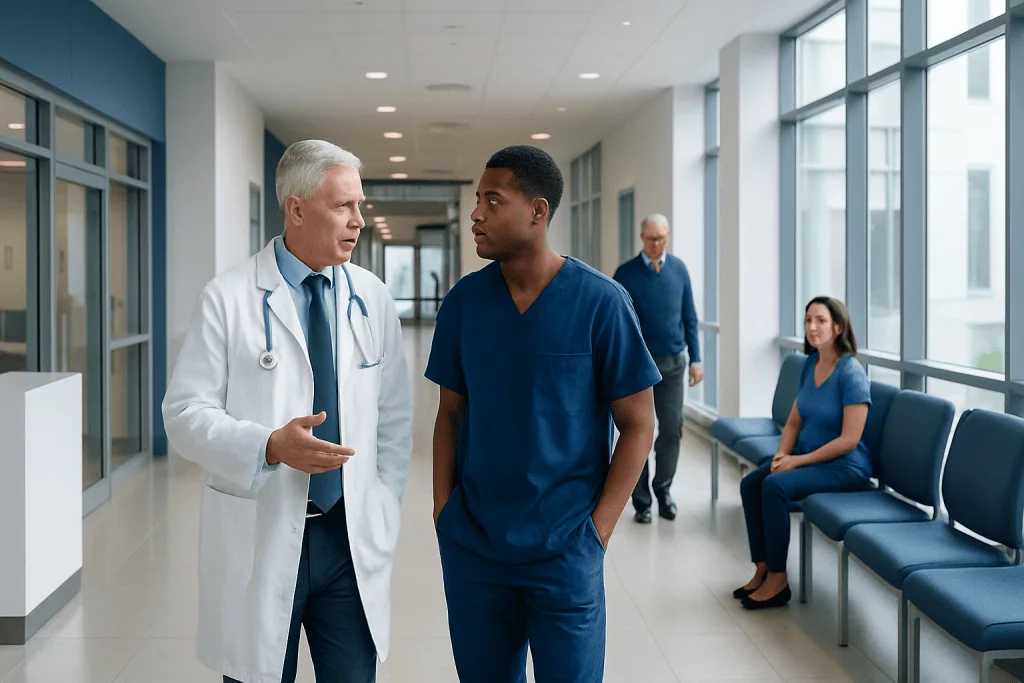
Upper endoscopy uses a thin flexible camera to assess symptoms such as persistent swallowing difficulty, upper abdominal pain, nausea, bleeding or unexplained anemia. Preparation usually involves fasting and reviewing medicines in advance; individual instructions from the endoscopy team take priority.
Key Takeaways
- Upper endoscopy uses a thin flexible camera to assess symptoms such as persistent swallowing difficulty, upper abdominal pain, nausea, bleeding or unexplained anemia.
- Preparation usually involves fasting and reviewing medicines in advance; individual instructions from the endoscopy team take priority.
- Most people go home the same day after sedation and do not need bed rest, although they should rest and avoid driving for 24 hours.
- Results may be discussed immediately, while biopsy findings commonly take longer and are reviewed by the clinician.
- Serious complications are uncommon, but severe pain, fever, repeated vomiting, breathing difficulty or bleeding after the procedure require urgent medical advice.
US Endoscopy Mentor commonly refers to information sought about upper endoscopy services, preparation and recovery. An upper endoscopy is a short procedure that lets a gastroenterologist examine the esophagus, stomach and first part of the small intestine and, when needed, take tissue samples or provide treatment.
US Endoscopy Mentor: what the search term means
People searching for US Endoscopy Mentor, Mentor Endoscopy Center, or US Endoscopy Mentor Ohio are often looking for practical guidance about an upper endoscopy. Also called esophagogastroduodenoscopy (EGD), this examination uses a slim, flexible tube with a light and camera to view the lining of the esophagus, stomach and duodenum, which is the first part of the small intestine.
The procedure helps a gastroenterologist investigate symptoms and identify visible changes such as inflammation, ulcers, narrowing, bleeding or suspicious tissue. It can also allow treatment during the same session, for example by stopping certain types of bleeding, widening a narrowed area, or removing selected small growths.
An endoscopy is not a diagnosis by itself. Its value comes from combining what is seen during the examination with symptoms, medical history, laboratory tests, imaging and, if taken, biopsy results. A clinician should explain why the test is recommended and what its possible findings could mean for the individual patient.
How upper endoscopy works and who may need it
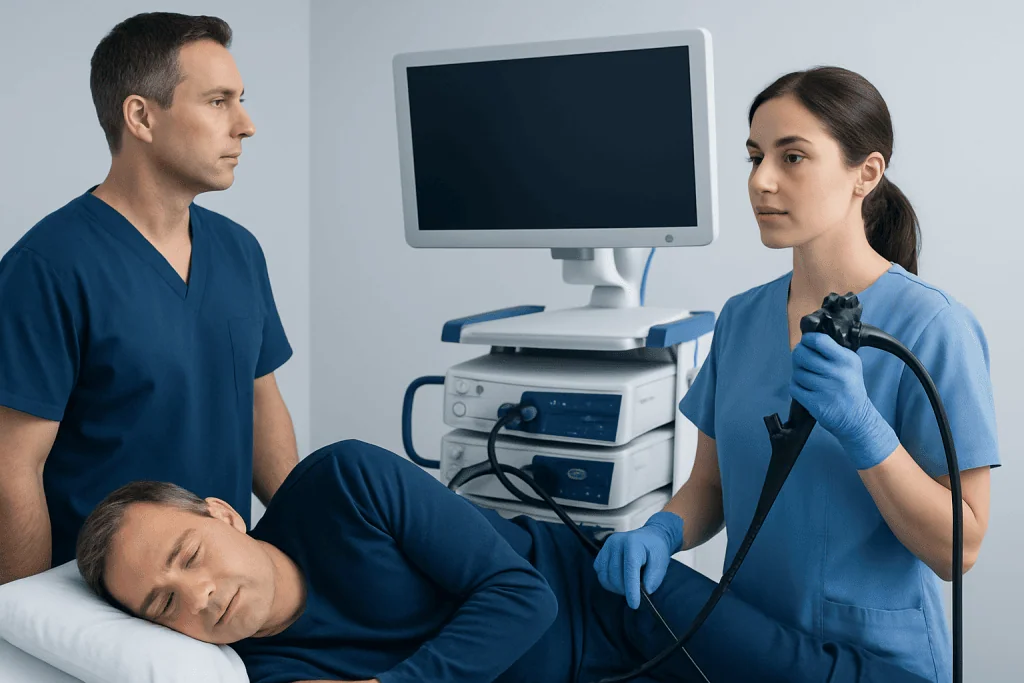
During upper endoscopy, the endoscope is passed through the mouth and gently guided through the upper digestive tract. The camera sends images to a monitor, allowing the specialist to inspect the tissue closely. Air or carbon dioxide may be introduced to improve the view, which can cause temporary bloating afterward.
A clinician may recommend the test for ongoing heartburn that does not respond to treatment, pain in the upper abdomen, persistent nausea or vomiting, difficulty or pain with swallowing, unexplained weight loss, suspected upper gastrointestinal bleeding, or iron-deficiency anemia without a clear cause. It may also be used to monitor known digestive conditions, including Barrett’s esophagus, when follow-up examination is appropriate.
Not everyone with digestive symptoms needs endoscopy immediately. The decision depends on the symptom pattern, age, overall health, family history, prior test results and whether alarm features are present. Pregnancy, significant heart or lung disease, sleep apnea, allergies and use of blood-thinning or diabetes medicines should be discussed before scheduling.
Preparation: fasting, medicines and practical planning
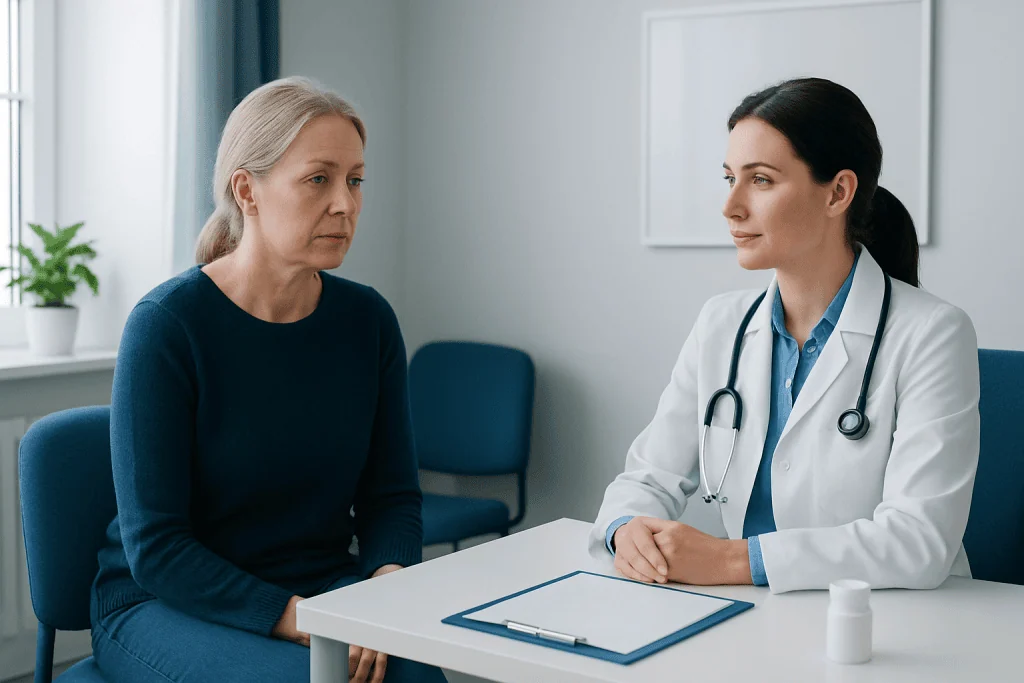
Good preparation helps the endoscopist see the stomach lining clearly and reduces the chance of vomiting or aspiration during sedation. Patients are commonly asked not to eat solid food for a set period before the appointment and may be allowed clear liquids until a specified cut-off time. Exact fasting instructions vary, so the endoscopy unit’s written guidance should always be followed.
Medication instructions need individual review. In particular, patients should tell the team about blood thinners, antiplatelet medicines, insulin and other diabetes treatments, weight-loss medicines that slow stomach emptying, anti-inflammatory pain medicines, supplements and medicines for heart, lung or seizure conditions. They should not stop a prescribed medicine without direction from the clinician managing their care.
Because sedation is often used, a responsible adult generally needs to take the patient home and stay available afterward. It is sensible to arrange time away from work or demanding responsibilities, wear comfortable clothing, and bring identification, a medicine list and relevant medical information. For patients seeking digestive assessment and procedure planning, gastroenterology evaluation and treatment can help coordinate appropriate testing.
What not to do the morning of an endoscopy?
On the morning of an endoscopy, patients should not eat or drink outside the instructions provided by their clinical team. This usually includes avoiding breakfast, milk, juice with pulp, chewing gum, sweets and tobacco products if these fall within the fasting period. Even small amounts can affect safety or make it necessary to delay the procedure.
Patients should not take medicines that they were specifically instructed to hold, and they should not make last-minute changes to long-term prescriptions without professional advice. If a morning medicine is permitted, the team may advise taking it with only a small sip of water. People with diabetes need a tailored plan to prevent low or high blood glucose while fasting.
Alcohol, recreational drugs and driving oneself to an appointment involving sedation should be avoided. It is also important to report a new fever, chest infection, pregnancy possibility, recent hospitalization, or any inability to follow the fasting instructions. The endoscopy team can then decide whether the examination can proceed safely.
Can I go to the toilet before an endoscopy?
Yes. Going to the toilet before an upper endoscopy is normal and does not interfere with the examination. Unlike colonoscopy, a standard upper endoscopy does not usually require a bowel-cleansing preparation because the camera examines the upper digestive tract rather than the large bowel.
Patients should continue to follow fasting instructions even if they use the toilet. If a clinician has asked for a combined upper endoscopy and colonoscopy, preparation will be different and will include specific bowel-cleansing directions. In that situation, the written plan from the endoscopy unit is especially important.
Before sedation, the nursing team may ask the patient to empty their bladder for comfort. They may also check vital signs, allergies, current medicines, fasting status and consent. Questions about the procedure, sedation or recovery can be raised at this stage.
Step-by-step: what happens during the procedure
After check-in, a nurse reviews medical details and places an intravenous line if sedation is planned. The throat may be sprayed with a local anesthetic, and many people receive sedative medicine through the IV to promote comfort and relaxation. Monitoring equipment tracks breathing, oxygen level, blood pressure and pulse throughout the procedure.
The patient usually lies on their left side with a mouth guard protecting the teeth and endoscope. The specialist inserts the scope through the mouth, not the windpipe, so it does not prevent breathing. Patients may notice pressure, fullness or brief gagging at the beginning, but the procedure itself is commonly completed within a relatively short time.
If an area needs closer assessment, the specialist can collect small biopsy samples. Biopsies are typically painless because the digestive lining does not sense cutting in the same way as skin. Depending on the finding, an endoscopist may also provide endoscopic therapy, including selected bleeding control measures or treatment for a narrowing. Such decisions are discussed in the context of the patient’s condition and consent.
Recovery timeline, results, benefits and risks
After the examination, the patient rests in a recovery area until the effects of sedation lessen. A mild sore throat, bloating, belching or sleepiness can occur for the rest of the day. Once swallowing is comfortable, the team advises when to resume fluids and food; this may begin with light foods depending on the procedure performed.
Preliminary visual findings may be shared before discharge, but laboratory analysis of biopsies takes longer. The timing depends on the laboratory and the type of testing required. A follow-up discussion should clarify the result, whether treatment is needed and whether additional assessment is recommended, such as colonoscopy when symptoms or risk factors indicate evaluation of the lower digestive tract as well.
The main benefit is direct examination of the upper digestive tract, with the possibility of biopsy and treatment in one visit. Complications are uncommon but can include medication reactions, bleeding, infection, aspiration or a tear in the digestive tract. Risks can be higher when therapeutic procedures are performed or when a person has complex medical conditions, which is why pre-procedure assessment matters.
Acibadem International’s multidisciplinary specialists and JCI-accredited hospitals diagnose and treat digestive conditions for international patients, with care plans guided by individual clinical findings.
How many days bed rest after endoscopy? When to seek medical care
Most people do not need bed rest after a routine upper endoscopy. Resting at home for the remainder of the day is generally advised after sedation, and patients should avoid driving, cycling, operating machinery, signing important documents, drinking alcohol or making major decisions for at least 24 hours. Many can return to usual activities the next day if they feel well and have received no different instructions.
Medical advice should be sought promptly for severe or worsening chest or abdominal pain, repeated vomiting, fever, trouble breathing, fainting, black stools, vomiting blood, or persistent difficulty swallowing after the procedure. A small amount of throat discomfort is common, but symptoms that are intense, progressive or accompanied by bleeding should not be ignored.
What is a red flag for endoscopy? Before an endoscopy is scheduled, red-flag symptoms that may warrant timely clinical assessment include vomiting blood, black tar-like stool, progressive trouble swallowing, unexplained weight loss, persistent vomiting, anemia, or severe ongoing upper abdominal pain. These symptoms do not always indicate a serious illness, but they should be assessed by a qualified doctor rather than managed only with self-care.
Frequently asked questions
What is an upper endoscopy used for?
Upper endoscopy is used to examine the esophagus, stomach and duodenum. It can help investigate symptoms such as persistent reflux, swallowing problems, upper abdominal pain, nausea, bleeding and unexplained anemia. It may also allow biopsies or certain treatments during the same procedure.
Is upper endoscopy painful?
Many people receive sedation and do not remember much of the procedure. A throat spray may also be used, and temporary gagging, pressure or bloating can occur. The care team monitors comfort and can explain the sedation options before the test.
Can I take my regular medicines before an endoscopy?
Some medicines can be taken, while others may need to be adjusted or temporarily held. This is especially important for blood thinners, diabetes medicines and medicines that affect stomach emptying. Patients should ask the prescribing clinician or endoscopy unit for individualized instructions before the appointment.
What not to do the morning of an endoscopy?
Patients should not eat or drink beyond the allowed fasting instructions, and they should not smoke, chew gum or consume alcohol. They should also avoid taking medicines that the care team has told them to hold. If sedation is planned, they should not drive themselves to or from the appointment.
Can I go to the toilet before an endoscopy?
Yes, using the toilet before an upper endoscopy is fine and often helpful for comfort. Routine upper endoscopy does not usually require bowel preparation. A combined colonoscopy and endoscopy has different preparation requirements, so the unit’s instructions should be followed carefully.
How many days bed rest after endoscopy?
Routine upper endoscopy generally does not require bed rest for days. After sedation, patients should rest for the remainder of the day and avoid driving, alcohol and hazardous activities for 24 hours. If a treatment was performed during endoscopy, the clinician may provide additional activity guidance.
When should someone call a doctor after an endoscopy?
Urgent medical advice is needed for severe or worsening pain, fever, breathing difficulty, fainting, repeated vomiting, black stools or vomiting blood. Mild throat irritation and bloating often settle within a short time. Patients should also contact their care team if they are worried about any symptom or have not received expected follow-up information.
References
- American Society for Gastrointestinal Endoscopy
- National Institute of Diabetes and Digestive and Kidney Diseases
- National Health Service
- Mayo Clinic
This article is for general information only and is not a substitute for professional medical advice. Please consult a qualified doctor about your individual situation.
Persistent digestive symptoms? Get evaluated in Turkey
JCI-accredited · board-certified surgeons · reply within 24h
Add us as a Preferred Source to see more of our trusted health content across Google Search, AI Overviews and Discover.