Using the National Library of Medicine to Research Rare Diseases

The National Library of Medicine offers trusted resources for learning about rare diseases. Different NLM tools serve different purposes, such as basic education, medical literature, and genetic information.
Key Takeaways
- The National Library of Medicine offers trusted resources for learning about rare diseases.
- Different NLM tools serve different purposes, such as basic education, medical literature, and genetic information.
- Medical articles found online should support, not replace, evaluation by a qualified healthcare professional.
- Using the right search terms can make rare disease research clearer and more productive.
- Reliable research helps patients prepare for appointments and understand diagnosis and treatment options.
The National Library of Medicine can be a valuable starting point for learning about rare diseases from reliable, evidence-based sources. Knowing which NLM tools to use and how to read medical information can help patients and families ask better questions and make informed decisions with their doctors.
Overview: What the National Library of Medicine Offers
The National Library of Medicine, often called the NLM, is one of the world’s leading medical libraries. It is part of the U.S. National Institutes of Health and provides access to a wide range of health information resources. For people looking into rare diseases, it can be a helpful place to begin because it brings together trusted, science-based materials in one system.
Rare diseases can be especially difficult to research because information may be limited, scattered, or written in highly technical language. Patients and families often need to understand unfamiliar symptoms, possible genetic causes, testing methods, and treatment approaches. The NLM can support this process by offering reputable databases that explain health conditions, summarize research findings, and point readers toward the medical literature used by professionals.
It is still important to remember that online research has limits. A rare disease may require detailed clinical assessment, imaging, laboratory work, or genetic testing before a diagnosis is confirmed. The safest approach is to use the NLM to become informed and then discuss the findings with a doctor who can interpret them in the context of the individual person’s health.
Why Rare Disease Research Can Be Challenging
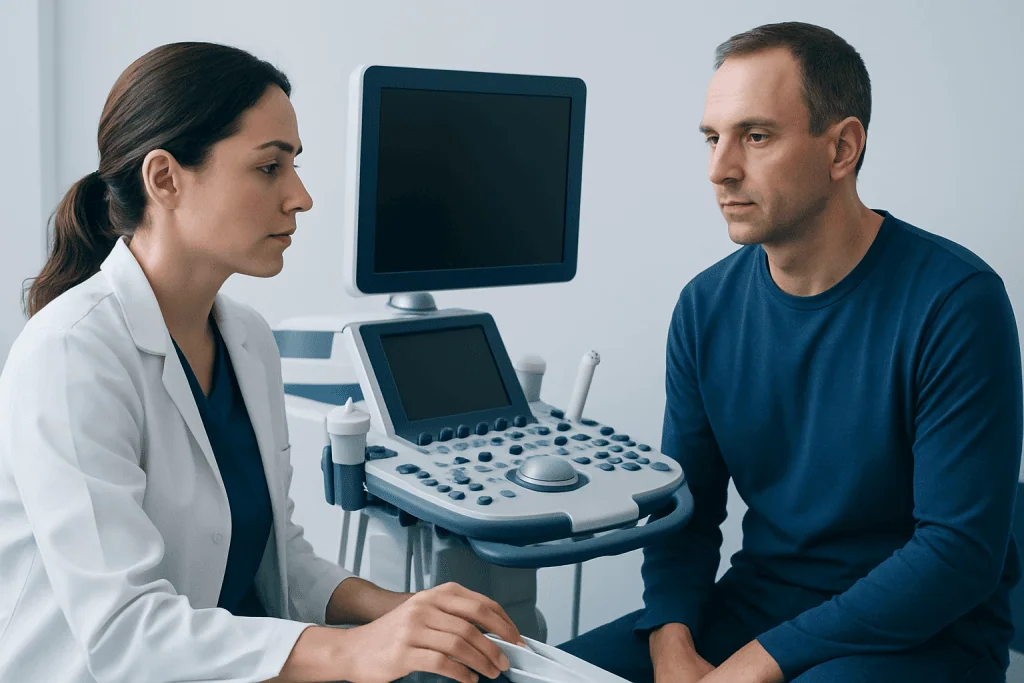
Rare diseases are conditions that affect relatively small numbers of people, which can make them harder to recognize and study. Symptoms may overlap with more common illnesses, and some conditions change over time or affect several organs at once. Because of this, people may spend months or even years looking for clear answers.
Another challenge is that information about rare diseases can vary in quality. Some websites are excellent, while others may be outdated, oversimplified, or not reviewed by medical experts. This can create confusion, especially when a person is already coping with stress, uncertainty, or a new diagnosis.
The NLM is useful because it emphasizes evidence-based information. Instead of relying on opinions alone, it helps users locate educational summaries, research abstracts, and scientific references. This can give patients a more balanced understanding of what is known, what is uncertain, and what questions to raise during medical appointments.
Researching a rare disease also often involves learning new medical vocabulary. Terms related to genetics, metabolism, neurology, immunology, or imaging may appear repeatedly. Taking time to define these terms can make later reading much easier and can improve communication with specialists.
Key NLM Resources for Rare Diseases

The NLM includes several major resources, and each serves a different purpose. MedlinePlus is often the most patient-friendly starting point. It provides plain-language health information on many conditions, tests, medications, and wellness topics. For someone beginning research, this can help build a strong foundation before moving on to more technical sources.
PubMed is another important NLM resource. It is a large database of biomedical and life sciences literature, including research studies, reviews, and case reports. For rare diseases, PubMed can be especially helpful because new information may appear in journal articles long before it reaches general health websites. However, many articles are written for clinicians and researchers, so careful reading is needed.
The NLM also provides access to genetic and molecular information through NIH-supported resources that may be linked from NLM systems. These tools can help readers explore gene names, inheritance patterns, and condition summaries when a rare disease has a genetic basis. This is often useful for understanding why a doctor may recommend family history review, counseling, or genetic testing.
Helpful NLM-related resources may include:
- MedlinePlus for general, patient-friendly condition information
- PubMed for published medical studies and review articles
- Medical Subject Headings (MeSH) for improving search terms
- Drug and medication information databases when treatment is being discussed
- Links to genetics resources for inherited rare conditions
How to Search More Effectively
Good rare disease research usually starts with the right search words. If a diagnosis is already suspected, it helps to search both the full disease name and any abbreviations. It is also wise to try alternate spellings, older names, and related medical terms. Some rare conditions have more than one accepted name, and using only one version may miss useful information.
When searching PubMed or similar NLM resources, adding terms such as “diagnosis,” “treatment,” “genetics,” “review,” or “case report” can narrow results. MeSH terms can also improve accuracy because they organize medical topics under standardized headings. This can be very helpful when plain-language searches return too many unrelated articles.
It is often useful to keep a written list of symptoms, test results, diagnoses already ruled out, and questions for the doctor. These details can guide more focused searching. For example, a person looking into a suspected inherited neurological disorder may search both the symptom pattern and the possible condition category, then review whether the findings match what specialists have observed clinically.
As research becomes more detailed, families may come across topics such as genetic diseases or uncommon neurological diseases. These broad condition categories can help place a rare diagnosis in context, but they should not be used for self-diagnosis. A specialist’s evaluation remains essential.
How to Read and Evaluate What You Find
Finding medical information is only the first step. It is equally important to understand what type of information is being read. A review article usually summarizes many studies and can be helpful for getting an overall picture. A case report may describe just one patient, which can be informative but may not apply broadly. Clinical guidelines and expert consensus statements often carry more weight when available.
Readers should also look at how current the information is. Rare disease research can change over time as new genes are identified, testing methods improve, or treatments become available. An older article may still be useful, especially for very uncommon conditions, but it should be compared with more recent sources when possible.
It is natural to feel concerned when reading about severe complications or uncertain outcomes. Rare disease literature may focus on complex cases seen at specialist centers, and this can make the condition appear more alarming than it is for every individual. Research is most helpful when it is interpreted carefully and discussed with a clinician who understands the patient’s personal medical picture.
Reliable reading habits include:
- Checking whether the source is from a recognized medical journal or health institution
- Looking for recent reviews or clinical guidance
- Separating early research from established standard care
- Making note of unanswered questions to bring to a doctor
- Avoiding treatment decisions based only on internet searches
Using NLM Research to Prepare for Diagnosis and Treatment Discussions
One of the best uses of the National Library of Medicine is preparing for conversations with healthcare professionals. Patients who understand basic terminology and the purpose of recommended tests may feel more confident during appointments. They may also be better able to ask focused questions about diagnosis, prognosis, follow-up, and treatment choices.
For example, NLM research may help a family understand why a doctor recommends imaging, blood tests, tissue analysis, or inherited disease evaluation. In some situations, the next step may include specialized assessments such as genetic testing or advanced MRI to clarify the diagnosis. Reading ahead can make these discussions more understandable, but it should not replace the medical team’s guidance.
Treatment information found through NLM resources can also help people recognize the difference between supportive care, disease-specific therapy, rehabilitation, and experimental approaches. For some rare diseases, management may involve more than one specialty. Depending on the condition, doctors may discuss options such as neurology care or referral to teams experienced in inherited or multisystem disorders.
Near the end of the care journey, some patients seek evaluation at centers with multidisciplinary expertise. Acibadem International’s multidisciplinary specialists and JCI-accredited hospitals diagnose and treat complex conditions, including rare diseases, for international patients. Even so, the right plan always depends on the individual diagnosis and expert medical assessment.
Practical Self-Care During the Research Process
Researching a rare disease can be mentally exhausting. It often involves unfamiliar terminology, uncertain answers, and emotional ups and downs. A helpful approach is to set limits, such as researching for a fixed amount of time and then taking a break. Organizing notes in one place can also reduce stress and make future appointments more productive.
Many people find it useful to create a simple health folder with symptom timelines, test reports, specialist letters, and a list of medications. This can make it easier to compare what they are reading with what has already been confirmed medically. It can also prevent repeated searching for the same information.
Support from trusted healthcare professionals, family members, or counseling services may be valuable, especially if the diagnostic process is prolonged. Reliable education should support emotional well-being, not overwhelm it. When online reading increases anxiety or confusion, it is reasonable to pause and return to the doctor for clarification.
Self-care during rare disease research may include:
- Writing down key medical terms and their meanings
- Keeping copies of reports and test results organized
- Bringing a family member or friend to appointments
- Asking the doctor which sources they trust most
- Taking breaks from online research when needed
When to Seek Professional Medical Help
Online research should never delay medical care. Anyone with unexplained, persistent, or worsening symptoms should seek professional evaluation. This is especially important if symptoms affect breathing, movement, awareness, severe pain, feeding, vision, or growth in a child. A doctor can decide which findings need urgent assessment and which can be monitored over time.
People should also seek medical advice when internet research starts to suggest several possible rare diseases without a clear answer. Many conditions share similar features, and the same symptom can have very different causes. Diagnosis usually requires a full medical history, physical examination, and targeted testing rather than symptom matching alone.
Families who already have a rare disease diagnosis may need specialist review if new symptoms appear, treatment is not working as expected, or questions arise about inherited risk. A referral to a tertiary center, genetic counselor, neurologist, immunologist, metabolic specialist, or another expert may be appropriate depending on the condition.
The National Library of Medicine can guide learning, but a qualified clinician provides diagnosis, treatment recommendations, and follow-up tailored to the individual. Used together, trusted research and professional care can help patients feel more informed and supported throughout the journey.
Frequently asked questions
What is the best National Library of Medicine resource to start with for rare diseases?
For most patients and families, MedlinePlus is a good starting point because it is written in clearer, patient-friendly language. PubMed is also valuable, but it is more technical and often better used after learning the basics of a condition.
Can the National Library of Medicine diagnose a rare disease?
No. The National Library of Medicine provides information and access to medical literature, but it does not diagnose or treat individuals. Diagnosis requires clinical evaluation, medical history, examination, and often specialized testing by qualified healthcare professionals.
Why is rare disease information sometimes hard to understand?
Rare disease information is often based on specialized research and may include genetic, biochemical, or neurological terminology. In some cases, only limited studies or case reports are available, which can make the information more technical and less straightforward.
How can someone tell if a source is reliable?
Reliable sources usually come from recognized medical institutions, government health agencies, peer-reviewed journals, or established professional organizations. It also helps to check whether the content is current and whether it distinguishes established treatment from experimental or early-stage research.
Should patients bring NLM research to their doctor appointment?
Yes, that can be helpful. Bringing a short list of articles, notes, or questions may support a more focused discussion, especially when symptoms are complex or a rare diagnosis is being considered. It is usually best to organize the information clearly rather than bringing a large amount of printed material.
Can PubMed articles be used to choose treatment?
PubMed can help patients understand available research, but treatment choices should not be based on articles alone. A doctor needs to interpret the evidence in light of the person’s diagnosis, age, symptoms, test results, and overall health.
References
- National Library of Medicine
- National Institutes of Health
- MedlinePlus
- PubMed
- Genetic and Rare Diseases Information Center
This article is for general information only and is not a substitute for professional medical advice. Please consult a qualified doctor about your individual situation.
Explore treatments in Turkey — costs, top hospitals & a free quote
JCI-accredited · board-certified surgeons · reply within 24h
Add us as a Preferred Source to see more of our trusted health content across Google Search, AI Overviews and Discover.