Uterine prolapse: Outlook, Stages, and Treatment Options Explained

Uterine prolapse ranges from mild descent to the uterus protruding outside the vaginal opening. Symptoms may include pelvic pressure, a vaginal bulge, urinary or bowel difficulties, and discomfort during daily activities.
Key Takeaways
- Uterine prolapse ranges from mild descent to the uterus protruding outside the vaginal opening.
- Symptoms may include pelvic pressure, a vaginal bulge, urinary or bowel difficulties, and discomfort during daily activities.
- Treatment depends on stage, symptoms, age, overall health, and future pregnancy wishes.
- Non-surgical options such as pelvic floor exercises and pessaries help many patients.
- Surgery can be effective for more severe prolapse or symptoms that do not improve with conservative care.
Uterine prolapse happens when the uterus drops downward because the pelvic floor muscles and ligaments no longer support it well enough. Outlook is generally good: many people improve with pelvic floor therapy, lifestyle measures, a vaginal pessary, or surgery when symptoms are more advanced.
Overview and outlook
Uterine prolapse means the uterus has moved down from its usual position into the vagina because the tissues that support it have weakened or stretched. This can happen gradually over time, especially after vaginal childbirth, with aging, after menopause, or when pressure inside the abdomen is repeatedly increased.
The outlook for uterine prolapse is usually reassuring. Mild cases may cause little or no discomfort and can often be managed with pelvic floor muscle training and simple lifestyle changes. When symptoms are more noticeable, a vaginal pessary or surgery may help restore support and improve quality of life.
Uterine prolapse is one form of pelvic organ prolapse, a broader term used when pelvic organs shift downward because of weakened support tissues. The condition is not life-threatening in most cases, but it can affect comfort, bladder and bowel function, exercise, sexual activity, and daily confidence, so evaluation is worthwhile when symptoms appear.
Stages and how uterine prolapse may feel
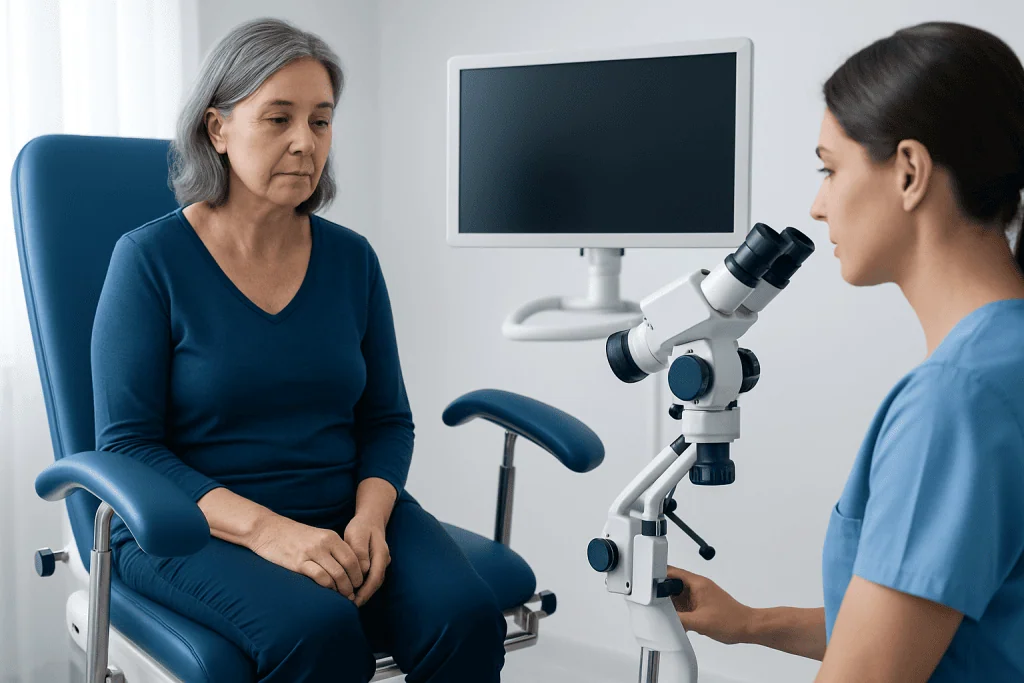
Doctors often describe uterine prolapse by stage, based on how far the uterus has descended. In early stages, the uterus drops only partway into the vagina. In more advanced stages, the cervix or uterus may reach the vaginal opening or protrude beyond it. Some clinicians use a more detailed measurement system during pelvic examination to describe the degree of descent.
Symptoms do not always match the stage exactly. A person with mild prolapse may feel bothersome pressure, while someone with more advanced prolapse may have fewer symptoms. Common sensations include pelvic heaviness, pressure, or the feeling that something is “falling out.” Some people notice a bulge at the vaginal opening, especially after long periods of standing, lifting, or at the end of the day.
Other symptoms may involve the bladder, bowel, or sexual function. These can include difficulty emptying the bladder, needing to urinate more often, urine leakage, constipation, or discomfort with intercourse. If several pelvic structures are involved, symptoms may overlap with urinary incontinence or with bladder prolapse, also known as cystocele.
- Stage 1: the uterus has dropped slightly into the upper vagina
- Stage 2: the cervix or uterus descends close to the vaginal opening
- Stage 3: part of the uterus protrudes outside the vagina
- Stage 4: the uterus is largely outside the vaginal opening
Causes and risk factors

Uterine prolapse develops when the muscles, fascia, and ligaments of the pelvic floor can no longer provide enough support. Childbirth is one of the main contributors, particularly after multiple vaginal deliveries, prolonged labor, large babies, or forceps-assisted delivery. However, prolapse can also occur in people who have never given birth.
Hormonal changes after menopause may play an important role because lower estrogen levels can affect tissue strength and elasticity. Aging itself also contributes, as support structures gradually weaken over time. A family history of prolapse may increase risk, suggesting that inherited tissue characteristics sometimes matter.
Repeated strain on the pelvic floor is another major factor. This may happen with chronic constipation, frequent heavy lifting, obesity, chronic coughing, or lung conditions that cause ongoing pressure in the abdomen. Previous pelvic surgery, connective tissue disorders, and reduced physical conditioning can also influence pelvic support.
How uterine prolapse is diagnosed
Diagnosis usually begins with a medical history and pelvic examination. A doctor asks about symptoms such as pressure, visible bulge, urinary leakage, incomplete bladder emptying, constipation, or discomfort during activity. They may also ask when symptoms are worse and whether childbirth, menopause, chronic cough, or heavy lifting could be contributing.
During the pelvic exam, the patient may be asked to lie down and then strain or cough so the clinician can see how far the uterus descends. This examination helps determine the stage and whether other pelvic organs are also involved. Identifying all affected compartments is important because treatment planning may change if bladder or rectal support is also weakened.
Additional tests are not always needed, but they may be helpful when urinary symptoms are significant or when surgery is being considered. These can include urine testing, bladder function studies in selected cases, or imaging if another condition is suspected. The goal is not only to confirm prolapse, but also to understand how it affects daily function and which treatment approach best matches the patient’s needs.
Treatment options
Treatment for uterine prolapse depends on symptom severity, stage, age, general health, activity level, sexual function concerns, and whether future pregnancy is desired. Not everyone needs immediate intervention. If symptoms are mild and not disruptive, monitoring combined with pelvic floor exercises and reducing strain may be enough.
Conservative treatment often starts with supervised pelvic floor muscle training, sometimes with help from a specialized physiotherapist. A vaginal pessary is another common option. This removable device is placed in the vagina to support the uterus and surrounding tissues. Many patients find pessaries helpful, especially if they wish to avoid or delay surgery, have medical reasons to prefer non-surgical care, or need symptom relief while considering long-term choices.
When prolapse is more advanced or symptoms remain bothersome despite conservative care, surgery may be considered. Surgical options vary and can include procedures that restore support while preserving the uterus, or hysterectomy combined with prolapse repair in selected patients. Depending on the anatomy and symptoms, related procedures such as pelvic floor rehabilitation, hysterectomy, or robotic surgery may be discussed as part of individualized care.
The best treatment is the one that fits the person’s goals. Some patients prioritize avoiding surgery, while others want a more durable structural correction. A specialist can explain the likely benefits, limitations, and recovery expectations of each option so that decisions are informed and realistic.
Prevention and self-care
Uterine prolapse cannot always be prevented, but everyday habits can reduce strain on the pelvic floor and may help slow progression. Maintaining a healthy body weight, treating constipation early, using proper lifting technique, and avoiding repetitive heavy straining are practical steps that support pelvic health.
Pelvic floor exercises may help improve support and symptom control, especially when taught correctly. Some people benefit from formal instruction with a pelvic floor physiotherapist to ensure the right muscles are being activated. Staying physically active is generally helpful, but exercises that create excessive downward pressure may need adjustment if they worsen symptoms.
Managing chronic cough is also important, since repeated coughing increases pressure on the pelvic floor. That may mean reviewing smoking habits or seeking treatment for asthma, allergies, or lung disease. If a pessary is used, regular follow-up and proper cleaning are essential to keep the vaginal tissues healthy and the device comfortable.
When to seek medical care
Medical advice is important if there is a new vaginal bulge, persistent pelvic pressure, urinary leakage, difficulty passing urine, constipation that seems related to pelvic pressure, or discomfort that limits work, exercise, or sexual activity. Evaluation is also helpful if symptoms are getting worse over time or if self-care measures are not improving comfort.
Prompt assessment is especially important when there is pain, vaginal bleeding not related to menstruation, trouble emptying the bladder, repeated urinary infections, or skin irritation from tissue protruding outside the vagina. These symptoms do not always mean an emergency, but they should not be ignored.
Care often involves gynecology, urogynecology, pelvic floor physiotherapy, and sometimes colorectal or urology specialists if bowel or bladder symptoms are significant. Near the end of the treatment journey, some international patients choose centers such as Acibadem International, where multidisciplinary specialists in JCI-accredited hospitals diagnose and treat pelvic floor disorders with individualized planning.
Frequently asked questions
Can uterine prolapse go away on its own?
A mild uterine prolapse may stay stable for long periods, especially if symptoms are minimal and pelvic floor strain is reduced. However, the structural weakness usually does not fully reverse on its own. Exercises and lifestyle changes can improve symptoms and support, but a doctor should assess persistent or worsening prolapse.
Is uterine prolapse dangerous?
Uterine prolapse is usually not dangerous, but it can affect comfort, bladder function, bowel habits, and quality of life. In more advanced cases, exposed tissue may become irritated or difficult to keep clean. Medical review helps prevent complications and guides treatment if symptoms become troublesome.
Does uterine prolapse always require surgery?
No. Many people are treated successfully without surgery, especially when prolapse is mild to moderate or symptoms are manageable. Pelvic floor therapy and a pessary are common non-surgical options, while surgery is usually reserved for more severe symptoms or when conservative treatment is not enough.
Can someone exercise with uterine prolapse?
In many cases, yes, but exercise may need to be adjusted. Low-impact activities are often comfortable, while movements that involve heavy lifting or repeated straining can worsen symptoms in some people. A clinician or pelvic floor physiotherapist can help tailor a safe plan.
What is the difference between uterine prolapse and pelvic organ prolapse?
Pelvic organ prolapse is the general term for descent of pelvic organs because of weakened support tissues. Uterine prolapse refers specifically to the uterus dropping downward. A person may have uterine prolapse alone or together with prolapse of the bladder, rectum, or vaginal walls.
Can uterine prolapse affect urination or bowel movements?
Yes. Some people notice urine leakage, urgency, difficulty emptying the bladder, constipation, or a feeling of incomplete bowel emptying. These symptoms can occur when prolapse changes the position and support of nearby pelvic organs. Because several conditions can cause similar symptoms, a proper examination is important.
References
- American College of Obstetricians and Gynecologists
- National Institute for Health and Care Excellence
- Mayo Clinic
- Merck Manual
- International Urogynecological Association
This article is for general information only and is not a substitute for professional medical advice. Please consult a qualified doctor about your individual situation.
Joint and spine care in Turkey — expert assessment & treatment
JCI-accredited · board-certified surgeons · reply within 24h
Add us as a Preferred Source to see more of our trusted health content across Google Search, AI Overviews and Discover.