Uterine Sarcoma Treatment: How It Works, Results and What to Expect

Uterine sarcoma is a rare cancer that begins in the muscle or connective tissue of the uterus rather than its lining. A gynecologic oncologist and sarcoma-focused multidisciplinary team help determine the most appropriate treatment plan.
Key Takeaways
- Uterine sarcoma is a rare cancer that begins in the muscle or connective tissue of the uterus rather than its lining.
- A gynecologic oncologist and sarcoma-focused multidisciplinary team help determine the most appropriate treatment plan.
- Hysterectomy is often the primary treatment for localized uterine sarcoma, but fertility-sparing care is rarely appropriate and requires specialist assessment.
- Chemotherapy, radiation therapy, targeted therapy and immunotherapy may be considered depending on the subtype and extent of disease.
- Follow-up is important because some uterine sarcomas can recur locally or in distant organs, including the lungs.
- Unexpected vaginal bleeding, a rapidly enlarging uterine mass or persistent pelvic symptoms should be medically assessed.
Uterine sarcoma treatment is individualized according to the sarcoma subtype, stage, tumor location, previous treatment and a person’s overall health. Surgery is commonly the main treatment for disease confined to the uterus, while radiation therapy and systemic medicines may be used before or after surgery, or when cancer has spread.
Uterine Sarcoma Treatment Overview
Uterine sarcoma treatment aims to remove or control cancer, reduce the chance of recurrence when possible, relieve symptoms and support quality of life. The plan is based on the exact pathology diagnosis, including whether the tumor is leiomyosarcoma, endometrial stromal sarcoma, undifferentiated uterine sarcoma or another rare subtype. These cancers behave differently, so treatment cannot be chosen from imaging results alone.
For cancer that appears limited to the uterus, surgery is usually the central part of care. When there is a higher risk of microscopic cancer cells remaining, or when cancer has spread beyond the uterus, clinicians may recommend additional treatments such as radiation therapy, chemotherapy, hormone therapy for hormone-sensitive tumors, targeted medicines or immunotherapy in selected situations.
Because uterine sarcoma is uncommon, assessment by a team with experience in gynecologic cancers and soft-tissue sarcomas is valuable. The team may include a gynecologic oncologist, medical oncologist, radiation oncologist, pathologist, radiologist, specialist nurse and supportive-care professionals.
How Uterine Sarcoma Treatment Works
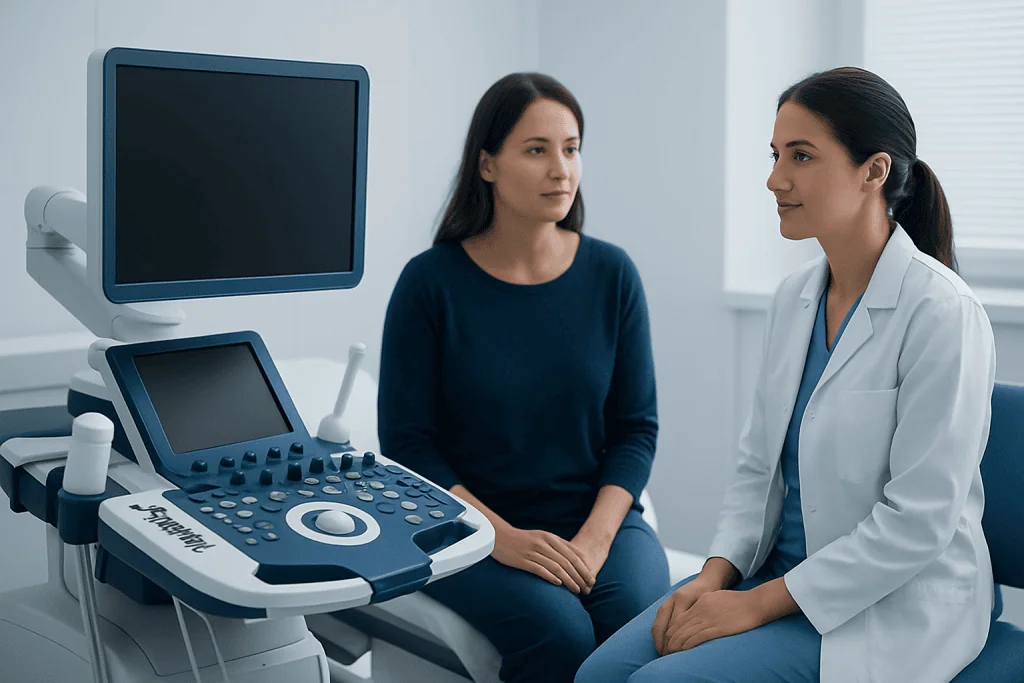
Treatment works in different ways depending on the method used. Surgery removes the uterus and visible cancer, providing both local cancer control and detailed information about the tumor. Radiation therapy uses high-energy beams to treat a defined area and may help lower the risk of local recurrence for selected patients, although its role varies by subtype and stage.
Systemic treatments travel through the bloodstream and can address cancer cells outside the original tumor site. Chemotherapy may be used for some higher-risk, recurrent or metastatic uterine sarcomas. Certain low-grade endometrial stromal sarcomas are driven by hormones and may respond to hormone-blocking treatment. Targeted therapy or immunotherapy may be options for carefully selected tumors, often based on pathology and molecular test results.
Before recommending treatment, clinicians balance likely benefit with possible side effects, the person’s goals and whether cancer can be fully removed. A plan may change after surgery if final pathology shows features that alter recurrence risk or staging.
- Localized disease: surgery is often recommended first.
- Higher-risk disease: surgery may be followed by selected additional treatment.
- Recurrent or metastatic disease: systemic treatment, focused radiation, surgery in selected cases and symptom-directed care may be combined.
Candidacy and Pre-Treatment Assessment
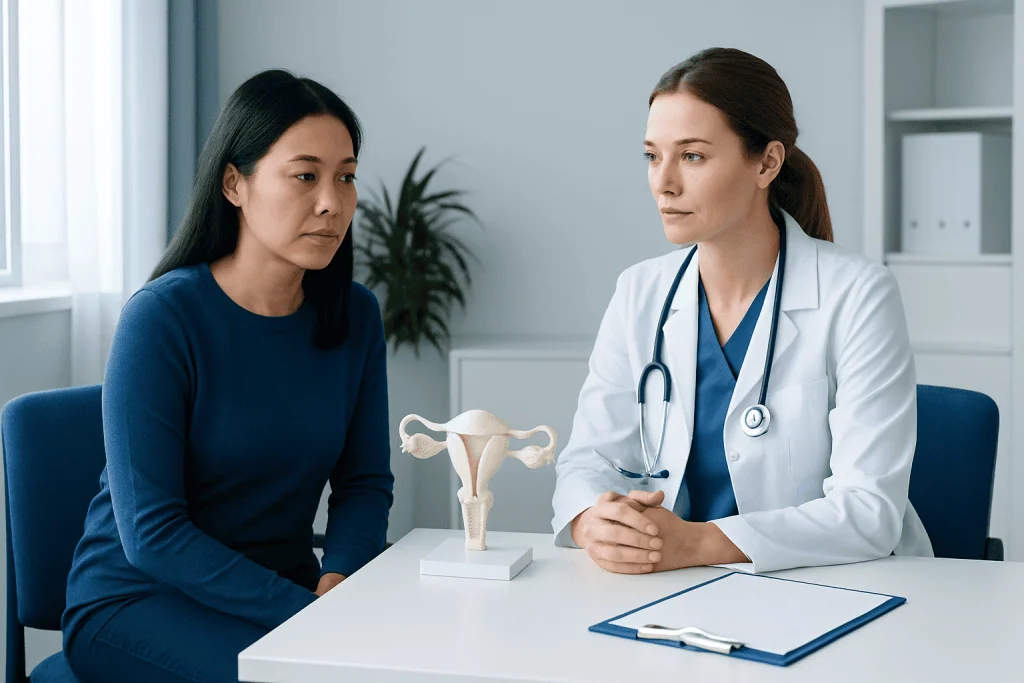
Most people with a suspected or confirmed uterine sarcoma need an individualized assessment rather than a standard pathway. The team reviews symptoms, medical history, menopausal status, prior operations, medications and other health conditions that may affect anesthesia, healing or medicine choices.
Testing commonly includes pelvic imaging, usually ultrasound followed by magnetic resonance imaging or computed tomography when appropriate. Chest imaging is important because some uterine sarcomas may spread to the lungs. Blood tests help assess general health before treatment. A tissue sample can sometimes establish the diagnosis before surgery, but sampling may not always detect a sarcoma within a uterine mass; the final diagnosis is occasionally made after removal of the uterus.
Pathology review is especially important. Specialists examine the tumor under a microscope and may use immunohistochemistry or molecular testing to clarify the subtype and identify markers that could influence treatment. If a person wishes to preserve fertility, this should be discussed early; however, hysterectomy is generally recommended when uterine sarcoma is confirmed because preserving the uterus may leave cancer behind.
Uterine Sarcoma Surgery: Step by Step
For many localized uterine sarcomas, the usual operation is a total hysterectomy, which removes the uterus and cervix. Whether the fallopian tubes and ovaries are removed depends on age, menopausal status, tumor subtype, appearance of the ovaries and treatment goals. Lymph node removal is not routinely needed for every subtype because uterine sarcomas often spread through the bloodstream rather than lymph nodes, but suspicious nodes may be sampled or removed.
Before surgery, the surgical team reviews imaging, explains the planned approach and discusses the possibility that the operation may need to be adjusted if unexpected findings are seen. Surgery may be performed through an abdominal incision or, in selected cases, by minimally invasive techniques. The method is chosen to remove the uterus intact whenever possible and avoid breaking up a suspected sarcoma, which could spread tumor tissue within the abdomen or pelvis.
During the procedure, the surgeon removes the planned tissues and may inspect the abdomen and pelvis for visible spread. The specimen is sent to pathology for detailed examination. After surgery, the care team manages pain, nausea prevention, mobility, blood-clot prevention and wound care. The pathology result and staging review guide discussions about any additional therapy.
Patients considering operative treatment can discuss uterine cancer surgery with a gynecologic oncology team, while recognizing that the exact surgical plan for sarcoma may differ from that for more common uterine cancers.
Recovery, Benefits and Possible Risks
Recovery after hysterectomy depends on the surgical approach, the extent of surgery, other medical conditions and whether additional procedures were needed. Many people begin walking soon after surgery and spend a short period in hospital, although recovery may take longer after open abdominal surgery. Fatigue, discomfort, constipation and temporary changes in bladder or bowel habits can occur during the first weeks.
Clinicians commonly advise avoiding heavy lifting, strenuous exercise, swimming and vaginal intercourse until healing has been confirmed. Follow-up visits assess the incision, review pathology, discuss symptoms and plan any further treatment. Return to work and regular activity should be guided by the surgical team, as timelines vary substantially between individuals.
The main potential benefit of surgery for localized disease is complete removal of visible cancer. Risks can include bleeding, infection, blood clots, anesthesia complications, wound problems and injury to nearby organs such as the bladder, bowel or ureters. Removing the ovaries before natural menopause can cause immediate menopause, with symptoms and longer-term bone and cardiovascular considerations that should be discussed in advance.
Radiation and systemic treatments have their own possible effects. These may include tiredness, bowel or bladder irritation, skin changes in the treated area, nausea, lowered blood counts, hair loss, nerve symptoms or menopause-related effects, depending on the treatment. The oncology team monitors side effects and can offer supportive treatment.
What Are the Stages of Uterine Sarcoma?
Staging describes how far cancer has spread at diagnosis. Uterine sarcoma staging is usually based on surgical findings, imaging and pathology. Although details differ by sarcoma subtype, stages are broadly grouped from stage I to stage IV, with higher stages indicating more extensive disease.
Stage I means the cancer is confined to the uterus. Stage II means it has extended beyond the uterus but remains within the pelvis. Stage III generally indicates spread into abdominal tissues or regional lymph nodes. Stage IV means cancer has invaded the bladder or rectum, or has spread to distant sites such as the lungs, liver, bones or other organs.
Stage is important, but it is not the only factor used to estimate outlook or choose treatment. Tumor subtype, grade, size, how completely it can be removed, hormone receptor status and molecular features may all matter. The care team can explain what an individual stage means in the context of the person’s own pathology results.
How Quickly Does Uterine Sarcoma Spread?
Uterine sarcoma can spread at different rates. Some types, particularly high-grade tumors such as leiomyosarcoma or undifferentiated uterine sarcoma, may grow and spread more quickly than low-grade endometrial stromal sarcoma. However, it is not possible to predict the pace accurately from symptoms or imaging alone.
Spread may occur through the bloodstream, often involving the lungs, or through tissues in the pelvis and abdomen. A uterine mass that is enlarging, especially after menopause, deserves assessment, but rapid growth does not by itself prove cancer. Many fibroids and other noncancerous conditions can also cause uterine enlargement and bleeding.
Prompt specialist evaluation helps clarify the diagnosis and allows timely planning. Once treatment is completed, scheduled surveillance and reporting new symptoms are important because recurrence can occur even after apparently successful initial treatment.
How Serious Is Uterine Sarcoma?
Uterine sarcoma is considered a serious cancer because it can recur or spread outside the uterus. Its rarity and the differences between subtypes mean that prognosis varies widely; some people have disease that can be treated successfully when found early, while others need ongoing treatment for advanced or recurrent cancer.
The most useful way to understand an individual outlook is through a conversation with the treating oncology team. They can explain the tumor type, stage, grade, surgical findings and treatment response. General survival estimates found online cannot reliably predict what will happen for one person and may not reflect newer testing or treatment approaches.
Supportive care is part of serious cancer care at every stage. Pain control, nutritional support, fertility or menopause counseling, emotional support, rehabilitation and palliative care can all be offered alongside cancer-directed treatment when needed.
What Does It Mean When Uterine Sarcoma Is Stage 4?
Stage 4 uterine sarcoma means the cancer has reached structures outside the pelvis, such as the bladder or rectum, or has spread to distant parts of the body. Stage IVA refers to direct involvement of the bladder or rectum, while stage IVB refers to distant spread. This is also called advanced or metastatic uterine sarcoma.
Treatment at stage 4 is tailored to the location and amount of cancer, tumor subtype, symptoms, prior treatment and overall health. It may include chemotherapy, hormone therapy for appropriate tumors, targeted treatment, immunotherapy in selected cases, radiation for symptom control or specific tumor sites, and surgery when it can safely remove or reduce disease. Clinical trials may also be discussed when available.
Although stage 4 disease is not usually managed in the same way as cancer confined to the uterus, meaningful treatment options and symptom support remain available. A multidisciplinary discussion can help identify the approach that best matches clinical needs and personal priorities.
When to Seek Medical Care
Medical assessment is recommended for abnormal vaginal bleeding, particularly bleeding after menopause; bleeding between periods; persistent pelvic pain or pressure; a new or enlarging pelvic mass; or unexplained changes in urinary or bowel habits. These symptoms are common and are more often caused by noncancerous conditions, but they should not be ignored when persistent or changing.
Someone diagnosed with uterine sarcoma should seek urgent medical advice for heavy bleeding, severe or worsening pain, fever after surgery, chest pain, shortness of breath, one-sided leg swelling, or sudden inability to pass urine or stool. These symptoms may have many causes, but prompt evaluation is important.
Acibadem International’s multidisciplinary specialists in JCI-accredited hospitals evaluate and treat uterine sarcoma for international patients, coordinating pathology review, surgery, medical oncology, radiation oncology and supportive care. A qualified oncology team can explain available options and help patients make informed decisions.
Frequently asked questions
What is the first treatment for uterine sarcoma?
For uterine sarcoma that appears confined to the uterus, surgery to remove the uterus is commonly the first treatment. The final plan depends on the tumor subtype, stage, imaging findings and the person’s health. Additional treatment may be considered after surgery or used first when disease is advanced.
Is chemotherapy always needed for uterine sarcoma?
No. Chemotherapy is not required for every person with uterine sarcoma. It is more commonly considered for certain aggressive subtypes, higher-stage disease, recurrence or cancer that has spread, while some hormone-sensitive tumors may be managed with hormonal treatment instead.
Can uterine sarcoma be treated without hysterectomy?
Hysterectomy is usually recommended for confirmed uterine sarcoma because it removes the main tumor and reduces the risk of leaving disease in the uterus. Non-surgical approaches may be used when surgery is not safe or when cancer is advanced, but they do not generally replace surgery for operable localized disease. Fertility-preserving management is uncommon and requires careful specialist counseling.
Does uterine sarcoma spread to the lungs?
Yes. Some uterine sarcomas, especially leiomyosarcoma, can spread through the bloodstream and may involve the lungs. This is why chest imaging is often part of staging and follow-up. Lung findings do not automatically confirm spread and should be interpreted by the oncology team.
What follow-up is needed after uterine sarcoma treatment?
Follow-up commonly includes regular appointments, symptom review, physical examinations and imaging when clinically appropriate. The schedule depends on subtype, stage, treatment received and recurrence risk. Patients should tell their team about new bleeding, pelvic symptoms, cough, shortness of breath, unexplained pain or weight changes.
Can stage 4 uterine sarcoma be treated?
Yes, stage 4 uterine sarcoma can be treated, although treatment goals differ from those for localized disease. Systemic medicines, radiation therapy, selected surgery and supportive care may control cancer, reduce symptoms and help maintain quality of life. The best approach depends on the subtype, sites of spread and individual priorities.
References
- National Cancer Institute
- American Cancer Society
- European Society for Medical Oncology
- National Comprehensive Cancer Network
- World Health Organization
This article is for general information only and is not a substitute for professional medical advice. Please consult a qualified doctor about your individual situation.
Oncology care in Turkey — second opinion and treatment plan
JCI-accredited · board-certified surgeons · reply within 24h
Add us as a Preferred Source to see more of our trusted health content across Google Search, AI Overviews and Discover.