Uv Air Purifier: What Patients Need to Know

A uv air purifier works by using ultraviolet light to damage the genetic material of some microorganisms. UV systems do not remove dust, pet dander, pollen, or smoke particles unless they are paired with filtration.
Key Takeaways
- A uv air purifier works by using ultraviolet light to damage the genetic material of some microorganisms.
- UV systems do not remove dust, pet dander, pollen, or smoke particles unless they are paired with filtration.
- HEPA filtration is usually more relevant than UV alone for allergy symptoms caused by airborne particles.
- Product design matters: poorly designed devices may be less effective or may create unwanted ozone.
- People with asthma, chronic lung disease, or persistent symptoms should seek medical advice rather than rely only on an air-cleaning device.
A uv air purifier may help reduce some microorganisms in indoor air when it is properly designed and used, but it is not a complete solution for dust, smoke, allergens, or poor ventilation. For most households, the best approach combines source control, ventilation, and effective filtration, especially for people with asthma, allergies, or other respiratory concerns.
Overview: what a uv air purifier can and cannot do
A uv air purifier uses ultraviolet light, usually UV-C, to help inactivate certain microorganisms that pass through the device. In simple terms, the light can damage the DNA or RNA of some bacteria, viruses, and molds so they are less able to reproduce. This can be useful in some indoor settings, but the benefit depends heavily on the strength of the light, the time the air is exposed to it, and the overall device design.
What a UV system does not do is just as important. UV light does not physically remove particles such as dust, pollen, pet dander, or many smoke particles from the air. Those are common triggers for allergy and asthma symptoms, so a person choosing an air-cleaning device should know that UV alone may not address the problem they are actually trying to solve.
For most homes, better indoor air quality comes from combining several strategies: reducing indoor pollution sources, improving ventilation, and using effective filters. A unit that combines UV with a well-sealed filter system may be more practical than a UV-only device. This balanced view helps patients avoid unrealistic expectations and choose options that match their symptoms and environment.
How uv air purifiers work
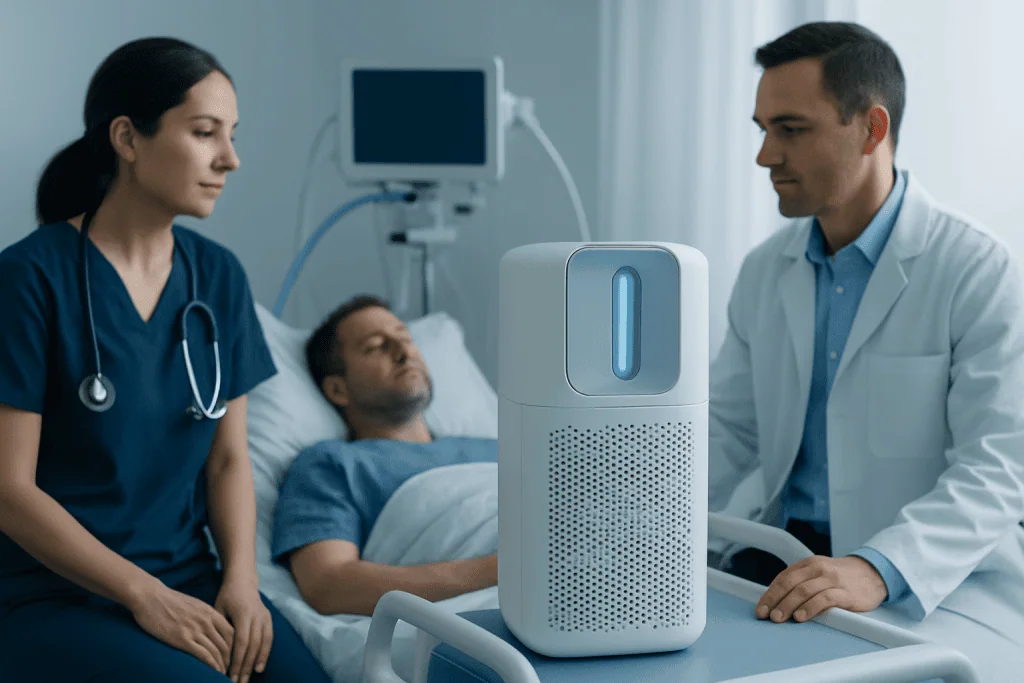
Ultraviolet germicidal irradiation, often called UVGI, uses short-wavelength ultraviolet light to target microorganisms. In a home air purifier or heating and cooling system, air passes by a UV lamp inside the device. If the exposure is strong enough and long enough, some microbes may be inactivated.
However, effectiveness varies. Air moves quickly through many devices, which can limit contact time with the UV light. Dust on the lamp, aging bulbs, poor airflow design, and lack of maintenance can further reduce performance. This is why two products that both say they use UV may not perform the same way in real life.
Many products also combine technologies. A purifier may include a prefilter for larger debris, a HEPA filter for fine particles, and UV to help target microorganisms. In general, this layered approach is more comprehensive than UV alone because it addresses both particles and germs. Patients with breathing concerns may benefit most from understanding this difference before buying a device.
- UV light: may help inactivate some airborne microorganisms
- HEPA filter: captures fine particles such as pollen, dust, and dander
- Activated carbon: may help reduce some odors and gases
- Ventilation: brings in fresh air and helps dilute indoor pollutants
Potential benefits for health and indoor air quality
The main potential benefit of a uv air purifier is reducing some microorganisms in the air or on internal surfaces of a ventilation system. In certain settings, this may be helpful as one part of an infection-control or indoor air quality plan. It can also help limit mold growth on damp HVAC components in some systems, which may support cleaner airflow.
That said, many people shopping for an air purifier are primarily worried about sneezing, itchy eyes, wheezing, pet dander, or smoke exposure. For those issues, particle removal is usually the key feature, not UV. Someone with seasonal or indoor allergy symptoms may be better served by a high-quality filter and reducing triggers in the home. If symptoms suggest an allergic condition, a medical evaluation for allergy can help identify what needs to be controlled.
People with asthma may also ask whether a uv air purifier will improve breathing. It may support a cleaner indoor environment, but it should not replace proven asthma care. Asthma symptoms often worsen because of particles, infections, tobacco smoke, mold, or irritants in the home. If a person is frequently coughing, wheezing, or short of breath, assessment for asthma and a broader management plan are more important than any single device.
Risks, limitations, and what to look for
The biggest limitation of a uv air purifier is that performance depends on engineering details patients usually cannot see. A device may advertise UV technology, but if the lamp intensity is low or exposure time is brief, the real effect may be limited. UV also does not clean settled dust from surfaces or remove particles already trapped in carpets, furniture, or bedding.
Safety matters as well. UV-C light should stay enclosed inside the device because direct exposure can harm the eyes and skin. Patients should also be cautious about products that may generate ozone, which can irritate the airways and worsen respiratory symptoms. This is especially relevant for children, older adults, and people with asthma or chronic lung disease.
It is also helpful to read product information carefully. Questions to consider include whether the unit uses a true HEPA filter, whether replacement parts are easy to obtain, whether there is independent safety testing, and whether the purifier is sized for the room where it will be used. A very small device in a large room may provide little noticeable benefit.
- Choose an enclosed system that does not expose users to UV light
- Be cautious about devices that intentionally produce ozone
- Match the purifier’s capacity to the room size
- Maintain lamps and filters according to the manufacturer’s instructions
Who may benefit most and who should be cautious
A uv air purifier may be most reasonable for people who want an added layer of microbial control in a well-maintained indoor environment, especially when combined with filtration. It may also be considered in spaces where controlling odors, particles, and germs is part of a broader plan that includes cleaning, humidity control, and ventilation.
People with allergies usually benefit more from reducing allergens than from UV alone. Helpful steps often include frequent cleaning, washing bedding in hot water when appropriate, controlling indoor humidity, using vacuum cleaners with good filters, and limiting exposure to pet dander or smoke. In some cases, doctors may recommend formal testing and a structured plan such as allergy testing to identify specific triggers.
People who should be especially cautious include those with poorly controlled asthma, chronic obstructive pulmonary disease, infants, and anyone sensitive to air irritants. If a purifier releases ozone or does not adequately filter particles, it could worsen symptoms rather than improve comfort. In these groups, decisions about air cleaning are best made as part of an overall respiratory care plan.
Practical tips for choosing and using a uv air purifier
Before purchasing a uv air purifier, it helps to define the main goal. If the concern is pollen, pet dander, dust, or smoke, a unit with strong particle filtration is usually the priority. If the concern is an added layer against microorganisms, UV may be considered as a secondary feature rather than the only one.
Placement and maintenance also affect results. Air purifiers work best when doors and windows are used thoughtfully, obvious indoor pollution sources are reduced, and filters are replaced on schedule. A neglected purifier with a clogged filter or aging lamp may provide far less benefit than expected.
Patients should also remember that home devices are only one part of healthy indoor air. Stopping indoor smoking, using kitchen and bathroom exhaust fans, fixing water leaks promptly, and keeping humidity at a reasonable level can make a significant difference. For people with persistent breathing symptoms, doctors may recommend tests or treatments such as pulmonary function testing or a broader respiratory evaluation if symptoms suggest an underlying condition.
Near the end of the care pathway, some patients also seek specialist advice on environment-related breathing complaints. Acibadem International’s multidisciplinary specialists and JCI-accredited hospitals diagnose and treat respiratory and allergy-related conditions for international patients when further evaluation is needed.
When to seek medical care
A uv air purifier should not be used as a substitute for medical assessment when symptoms are persistent, severe, or worsening. A person should seek medical care if they have repeated wheezing, chest tightness, frequent coughing, shortness of breath, sleep disrupted by breathing symptoms, or allergy symptoms that continue despite home measures. These signs may point to an underlying condition that needs proper diagnosis and treatment.
Urgent care is important for severe trouble breathing, bluish lips, confusion, chest pain, or rapidly worsening symptoms. Children, older adults, pregnant people, and those with chronic lung or heart disease may need earlier evaluation because respiratory problems can affect them more quickly.
Medical care may include a review of indoor triggers, examination, breathing tests, or treatment aimed at the underlying problem rather than the air-cleaning device itself. Depending on symptoms, a doctor may advise options such as allergy treatment or management for respiratory disease. A home purifier can be part of support, but it should never delay appropriate care.
Frequently asked questions
Does a uv air purifier kill viruses and bacteria?
A uv air purifier may inactivate some viruses and bacteria, but results depend on the device design, UV intensity, and exposure time. It should be viewed as one tool for indoor air management, not a guarantee of protection against infection.
Is a uv air purifier good for allergies?
Not by itself in most cases. Allergy symptoms are commonly triggered by particles such as pollen, dust mites, and pet dander, so a HEPA-based system is usually more helpful than UV alone.
Can UV air purifiers be harmful?
They can be if UV light is not safely enclosed or if the device produces ozone. That is why it is important to choose a well-designed product and use it according to safety instructions.
What is better, HEPA or UV air purifier technology?
They do different jobs. HEPA filtration removes airborne particles, while UV targets some microorganisms, so many households benefit more from HEPA or from a combined system rather than UV alone.
Will a uv air purifier remove smoke or odors?
UV does not reliably remove smoke particles. Some devices include activated carbon, which may help with certain odors and gases, but heavy smoke exposure is best addressed with source control, ventilation, and strong filtration.
Should a person with asthma buy a uv air purifier?
A person with asthma may benefit from better indoor air quality, but the choice should focus on avoiding triggers and using effective filtration. If symptoms are frequent or uncontrolled, medical evaluation is more important than relying on a purifier alone.
References
- World Health Organization
- United States Environmental Protection Agency
- Centers for Disease Control and Prevention
- American Academy of Allergy, Asthma & Immunology
- American Lung Association
This article is for general information only and is not a substitute for professional medical advice. Please consult a qualified doctor about your individual situation.
Explore treatments in Turkey — costs, top hospitals & a free quote
JCI-accredited · board-certified surgeons · reply within 24h
Add us as a Preferred Source to see more of our trusted health content across Google Search, AI Overviews and Discover.

More from the Health Library

Arachnophobia: What Patients Need to Know

Chaga Mushroom: An Evidence-Based Guide for Patients

Ashwagandha: An Evidence-Based Guide for Patients

Eating Happiness: An Evidence-Based Guide for Patients

Amygdala — Explained by Medical Evidence, Not Myths